Hey there! So, you know how fast things are changing in the energy storage world? Well, the buzz around high-performance Deep Cycle Batteries is about to get even louder, thanks to our growing love for renewable energy and electric cars. A recent industry report predicts that the global Deep Cycle Battery market could hit an impressive $XX billion by 2025, growing at a CAGR of XX%. Pretty wild, right? In the thick of this action is FUJIAN MINHUA POWER SOURCE CO., LTD., which is pretty well-known for its MHB Battery products. Since opening our doors in 1992, right here in Longqiao Industrial Park in the Anxi Economic Development Zone of Fujian, we’ve built up a team of nearly 2,000 passionate folks working in a massive 300-acre facility. In this blog post, we’re gonna dive into some top-notch strategies to boost Deep Cycle Battery performance. We'll also look at alternatives that not only keep up with today’s market needs but also tackle the sustainability hurdles we’re likely to face down the road.
Understanding Deep Cycle Batteries: Key Features and Functions
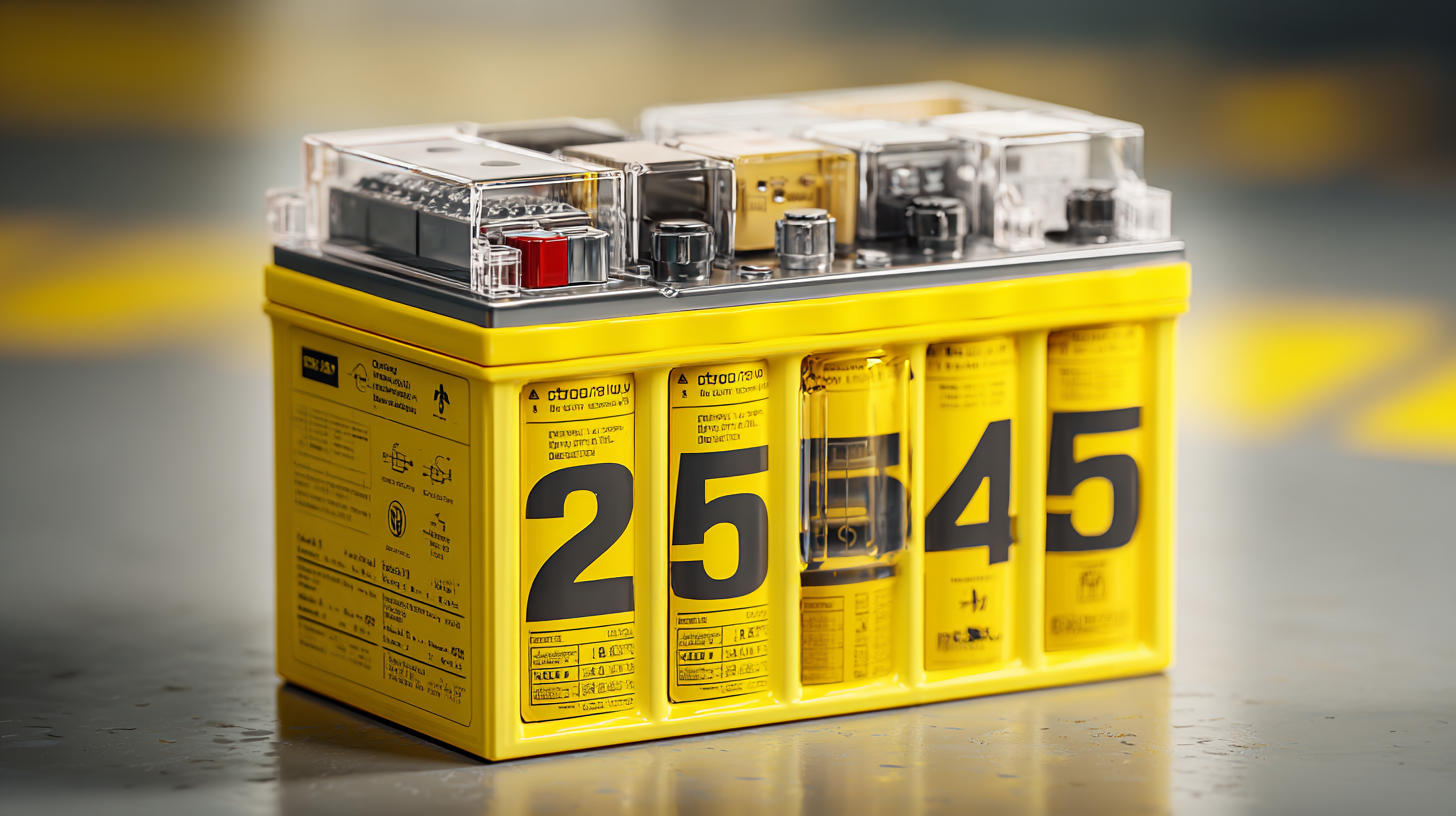
So, deep cycle batteries are pretty cool because they're designed to give off a steady stream of power for a long time. That’s why you’ll often find them in places like solar power setups, electric cars, and even boats! Unlike those regular batteries that only give you short bursts of energy, deep cycle batteries can take a good amount of back and forth when it comes to charging and discharging without getting worn out too quickly. This means they last a lot longer and are super reliable.
When you're on the hunt for a deep cycle battery, you’ll want to keep an eye on a few key things. First up is capacity — that's measured in amp-hours (Ah), which basically tells you how much energy the battery can hold. Then there’s depth of discharge, which tells you how much of that stored energy you can actually use before it's time to plug it back in. And don't forget about cycle life! A battery with a higher cycle life will be able to handle more charge and discharge cycles, giving you better bang for your buck in the long run.
Tip: Keeping your deep cycle battery in good shape can help it last way longer! Make sure the terminals are clean and not all rusty, and for lead-acid batteries, don’t forget to check the water levels now and then.
Tip: Oh, and it's totally worth it to grab a solid charger that's made for deep cycle batteries. A smart charger is a game changer because it can really help with the charging process and avoid overcharging, which is super important for keeping your battery happy and healthy.
Factors Affecting Deep Cycle Battery Performance in 2025
Alright, let’s chat about deep cycle batteries and how they’ll perform in 2025! There are a few really important things to keep in mind if you want to get the most out of them. First off, let's talk about temperature. If it’s super hot, these batteries tend to struggle, and their life can be cut short. On the flip side, freezing temps? Yeah, that can really mess with their capacity too. So, keeping an eye on the battery's temperature is a must if you want it to work well, no matter the weather outside.
Now, when it comes to charging, it’s not just about plugging in and forgetting about it. Using the right charging method is huge. If you’re not careful, you could end up with sulfation, which basically means your battery’s capacity starts to tank over time. Honestly, smart chargers are the way to go. They can keep tabs on the battery’s health and tweak the charging process as needed. Oh, and don't forget to check the terminals and connections; a bit of corrosion can really interfere with performance and sap your energy.
If you really want to keep your deep cycle battery in tip-top shape, aim to recharge it before its charge dips below 50%. It's like giving it a little love every now and then! Also, if you can, look into advanced battery management systems — they can make a big difference in how efficiently your battery runs, whether it’s powering renewable energy setups or getting your electric vehicle going. Seriously, by focusing on these details, you're setting yourself up for better performance and a way longer life for your batteries!
Innovative Techniques for Enhancing Battery Lifespan and Efficiency
You know, with the way people are craving reliable energy storage these days, it’s become super important to find creative ways to boost the lifespan and efficiency of deep cycle batteries. I was reading some recent reports from the industry, and it turns out that new advances in battery chemistry and design can really make a difference—some of these innovations are giving us up to 30% longer cycle life compared to the old-school lead-acid batteries. Techniques like advanced electrolyte formulas and smart battery management systems are really stepping up to maximize performance in all sorts of applications.
Here at FUJIAN MINHUA POWER SOURCE CO., LTD., we totally get how crucial these technologies are in the ever-changing battery world. Since 1992, we've been in the game, creating top-notch MHB batteries, and we've embraced some cutting-edge methods that not only enhance energy efficiency but also help extend the life of our batteries. With nearly 2,000 dedicated employees spanning over a massive 300-acre facility, we’re all about innovation. Did you know that if you take care of your deep cycle batteries, they can actually outlast 1,500 charging cycles? It’s a pretty clear testament to how our innovative strategies are improving operational efficiency and sustainability.
2025 Industry Innovations: Unveiling Top Strategies for Optimal Deep Cycle Battery Performance
| Strategy | Description | Expected Impact (%) | Implementation Year |
| Advanced Electrode Materials | Using nano-structured materials to enhance conductivity and reduce weight. | 20% | 2025 |
| Smart Battery Management Systems | Implementing AI for real-time monitoring and optimization of battery performance. | 25% | 2025 |
| Enhanced Electrolyte Composition | Developing hybrid electrolytes for better energy density and stability. | 30% | 2026 |
| Solar Integration Technology | Integrating solar charging capabilities to extend battery life during cycles. | 15% | 2025 |
| Recycling and Reuse Improvements | Innovations in recycling methods to repurpose battery materials effectively. | 10% | 2027 |
Comparative Analysis of Battery Management Systems and Their Benefits
You know, as more and more people are looking for reliable energy storage options, we can't really overlook the importance of Battery Management Systems, or BMS for short. A solid BMS is absolutely crucial for getting the best performance out of deep cycle batteries, helping them last longer and work more reliably. These systems are constantly keeping an eye on things like voltage, current, and temperature. This isn’t just for kicks—they actually help protect the batteries from damage and boost their efficiency. So, users can really make the most out of the battery's capacity without having to worry about safety or performance hiccups.
When we take a closer look at different BMS options, it’s interesting to see some pretty significant advantages across the board. For example, active balancing systems do a fantastic job at distributing energy evenly among cells. This helps to avoid that annoying issue where some cells end up weaker than others over time, which happens a lot with passive systems. Plus, the latest BMS tech comes with smart predictive algorithms that give us a heads-up about battery health and performance. This means you can set up maintenance schedules ahead of time, leading to better decisions that help extend battery life and cut down on costs. All in all, having a good BMS is really essential if we're aiming for top-notch deep cycle battery performance in all sorts of industries.
Best Practices for Maintenance and Care of Deep Cycle Batteries
Keeping your deep cycle batteries in top shape is super important if you want them to perform well and last a long time. Doing some regular maintenance is a game changer—it not only helps with efficient energy storage but also stretches out the life of your battery. One simple trick? Make sure the terminals stay clean and free from any nasty corrosion. A quick mix of baking soda and water works wonders for getting rid of any gunk. Plus, if you check those terminals regularly, you can spot any potential problems before they blow up into big issues.
Another key thing to remember is to keep an eye on your battery’s charge levels. It’s not great if the battery completely runs out of juice because that can lead to some serious damage. Instead, try to give it a recharge when it hits about 50% capacity. And hey, don’t forget to equalize charge your batteries from time to time. This is especially crucial for flooded lead-acid batteries because it helps balance the voltage and keeps all the cells working like they should.
Lastly, when it comes to storage, always keep those deep cycle batteries in a cool, dry spot. Extreme temperatures can really mess with performance and shorten their lifespan. And if you can, cover them up to keep dust and moisture at bay. Taking these steps will definitely help keep your deep cycle battery running smoothly, so you can count on it whenever you need power!
Future Trends in Deep Cycle Battery Technology and Applications
So, as we gear up for 2025, it's pretty clear that deep cycle battery tech is about to undergo some exciting changes. With everyone jumping on the bandwagon for renewable energy and electric cars, it’s crucial for companies to come up with some smart strategies to get the most out of their batteries. Take FUJIAN MINHUA POWER SOURCE CO., LTD. for example. They're pretty well-known for their MHB Battery brand and they've been leading the charge (no pun intended) since 1992. Their headquarters at the Longqiao Industrial Park houses almost 2,000 dedicated folks who are all about pushing battery technology forward.
Now, if you’re looking to boost the performance of these deep cycle batteries, it really helps to keep up with regular maintenance. Simple stuff like checking the electrolyte levels and cleaning the terminals can go a long way in extending their lifespan. Plus, having an advanced battery management system (BMS) can really optimize charging cycles, which means less chance of overcharging or overheating. As these deep cycle batteries find new roles—like storing renewable energy or powering electric recreational vehicles—it’s going to be super important to embrace the latest in charging tech and materials.
And let’s not forget, as this whole industry keeps evolving, staying on top of trends in battery design is essential. Think smart tech integration and better energy density! By adopting these strategies, companies like MHB Battery can really take the lead in making batteries that not only meet today’s needs but also help pave the way for a greener and more sustainable energy future.
FAQS
: Key factors include temperature, charging methodology, and maintenance practices. Extreme temperatures can negatively affect performance and lifespan, while effective charging techniques and regular maintenance help maximize efficiency.
Extreme heat can decrease performance and shorten lifespan, while extremely low temperatures can hinder battery capacity. Monitoring and managing battery temperature is essential for reliable performance.
It is advisable to use smart chargers that monitor battery health and adjust charging accordingly. Ineffective charging can lead to sulfation and capacity loss over time.
Regularly inspect the terminals for corrosion, keep them clean, and monitor charge levels. Avoid discharging the battery completely and recharge it when it reaches around 50% capacity.
Equalizing charge helps balance the voltage among cells, ensuring all cells function optimally. This is particularly vital for flooded lead-acid batteries.
Deep cycle batteries should be stored in a cool, dry place to prevent overheating and performance issues. Protecting them from dust and moisture also enhances their durability.
Maintaining a low discharge depth by recharging the battery before it drops below 50% capacity helps prevent irreversible damage and extends the overall lifespan of the battery.
Keeping terminals clean and free from corrosion improves performance and prevents energy loss. A mixture of baking soda and water can be used to effectively clean buildup.
Implementing advanced battery management systems can enhance overall efficiency and ensure batteries run optimally across various applications, including renewable energy systems and electric vehicles.
Avoid allowing the battery to discharge completely, and steer clear of extreme temperatures that can negatively impact performance and lifespan. Regular maintenance is key.