When it comes to energy storage, getting a good grip on Agm Battery Acidis pretty important—whether you're just a user or working in manufacturing. Mark Johnson, who’s pretty much a go-to guy in battery tech at PowerCell Solutions, once said, “Agm Battery Acid plays a significant role in battery longevity and performance.” That really drives home how vital it is to understand what you're dealing with here.
So, AGM stands for Absorbent Glass Mat, and it uses this pretty clever electrolyte system that makes storing and discharging energy efficient. But here’s the thing—many people don’t really know what kind of maintenance it actually needs. Not paying attention to the ins and outs of AGM Battery Acid can actually shorten your battery’s lifespan, which is a total bummer.
What’s interesting is that Agm Batteries are actually tough enough to handle rough conditions. Still, if you’re not careful—like ignoring fluid levels or mishandling them—you might run into issues. A lot of users underestimate just how much temperature fluctuations can mess with the acid inside. If you take a closer look, you’ll see that these little details really affect how well the battery performs. So yeah, staying aware of these things is key if you want your AGM battery to last and work its best.

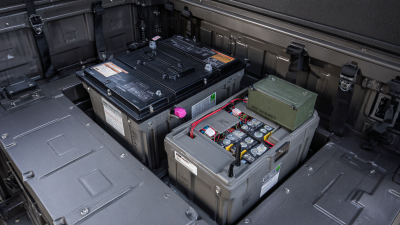
AGM batteries stand out due to their unique construction. They use absorbed glass mat technology, which absorbs the electrolyte. This design makes them spill-proof, ideal for various applications. Users appreciate their ability to perform well in extreme temperatures.
One common misconception is that AGM batteries are superior to lithium batteries in all aspects. While AGM batteries offer reliability, they can be heavy. Users may find they need more maintenance than expected. Understanding this is crucial.
AGM V Lithium Battery comparisons reveal interesting insights. Lithium batteries often provide more energy density. However, AGM batteries might be a better choice for specific devices. Batteries are not one-size-fits-all. Each type has unique benefits and drawbacks that deserve careful consideration.
AGM batteries are unique due to their specialized acid composition. The electrolyte in AGM batteries is a mixture of sulfuric acid and glass mat separators. This design allows the acid to remain absorbed within the glass fibers. It prevents leakage, making these batteries safe for various applications.
Key components of AGM battery acid include sulfuric acid, which is essential for generating power. This acid reacts with lead plates inside the battery, creating energy. The glass mat separators play a crucial role, too. They keep the acid in place and improve the battery’s performance. Additionally, these components help manage heat during charging and discharging. However, the maintenance of these batteries can be tricky. Improper handling could lead to overheating or reduced lifespan. Observing proper charging practices is vital.
Many users find AGM batteries more efficient. But they can be heavy, adding to the overall weight of the device. This can be a downside for portable applications. Understanding the functions of key components can help users make better choices. Battery care is vital to maximize performance and longevity.
| Key Component | Function | Benefits |
|---|---|---|
| Absorbent Glass Mat (AGM) | Holds electrolyte in place | Enhanced safety and vibration resistance |
| Electrolyte | Conducts electricity between the plates | Improved performance and efficiency |
| Lead Plates | Stores electrical energy | High energy density and long lifespan |
| Reinforced Separator | Prevents short circuits | Increased reliability and durability |
| Sealant | Keeps the battery leak-proof | Enhanced portability and maintenance-free |
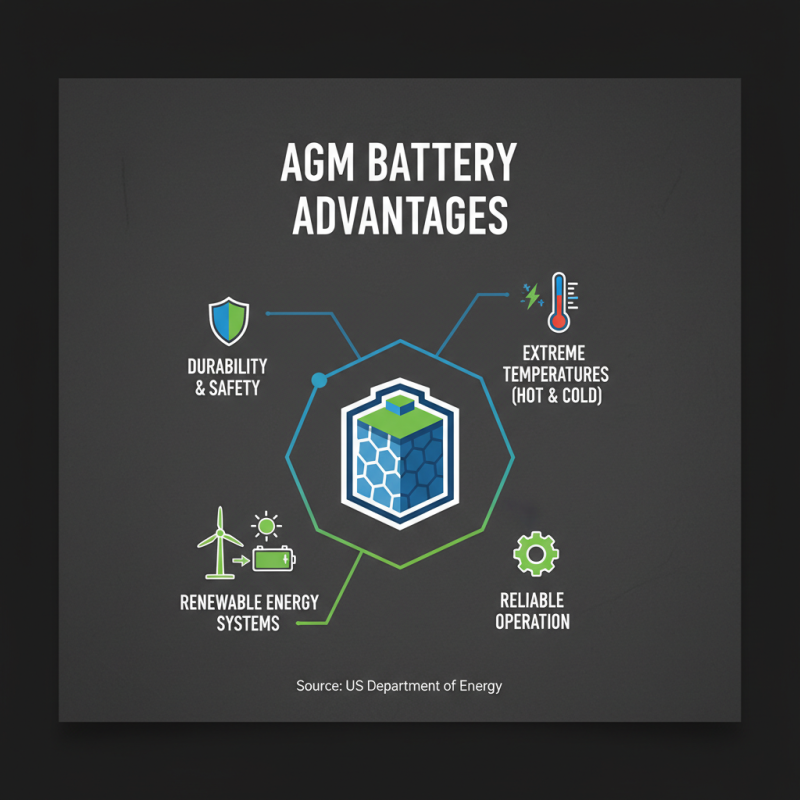
Agm Battery acid offers numerous advantages in various applications. These batteries are known for their durability and safety. They can operate in challenging conditions. For instance, the U.S. Department of Energy highlights that AGM batteries can perform in extreme temperatures, both hot and cold. This makes them ideal for renewable energy systems where reliability is crucial.
In the automotive industry, AGM batteries are popular due to their low self-discharge rates. According to industry reports, they maintain 75% of their charge even after a year of inactivity. This means fewer replacements and reduced maintenance costs. Many users appreciate this feature when storing vehicles for long periods.
Another notable application is in renewable energy storage. AGM batteries are often used alongside solar panels. Their ability to handle deep discharges is a significant factor. Studies show that these batteries can withstand up to 350 cycles at 80% depth of discharge. However, some users report challenges with charging efficiency. Future improvements in technology may address these concerns, ensuring even better performance for AGM battery applications.
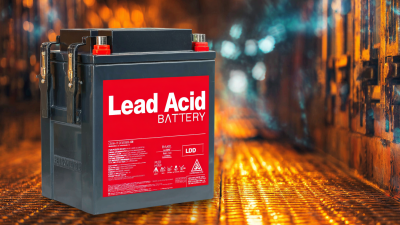
Handling AGM battery acid requires strict safety precautions. AGM batteries use a unique acid absorbing technology, which can be hazardous if mishandled. A report by the Battery Council International states that improper handling can lead to chemical burns and respiratory issues. The sulfuric acid in AGM batteries is corrosive and can cause severe injuries.
When working with AGM battery acid, personal protective equipment (PPE) is crucial. Gloves, goggles, and face shields should always be worn. In case of spills, a neutralizing agent like baking soda is recommended. According to the Occupational Safety and Health Administration (OSHA), workers must have access to safety data sheets to understand risks.
If acid comes into contact with skin, wash immediately with plenty of water. Delaying this action can lead to serious consequences. Unfortunately, in some cases, people underestimate the risks, leading to accidents. Regular training for personnel is vital. Even experienced workers can make mistakes if they are not vigilant. Proper storage and disposal of batteries also reduce risks and minimize environmental impact.
AGM batteries are often misunderstood, especially when it comes to their maintenance. A common misconception is that they never require charging. While AGM batteries retain charge well, they still need regular maintenance. Failing to charge them can lead to deeper discharge, which may shorten lifespan.
Another myth is that AGM batteries are completely maintenance-free. In reality, periodic checks are essential. Checking the terminals for corrosion should be routine. Even without fluid to maintain, monitoring at higher temperatures is advisable. You should also avoid overcharging, which can damage the battery.
Many believe these batteries can withstand extreme conditions indefinitely. But, like any battery, they have limits. They can perform well in varied temperatures, but prolonged exposure to heat may affect efficiency. Learning these details is vital for optimal performance. Misunderstanding these nuances can lead to unexpected problems down the road.
AGM batteries are often praised for their efficiency and longevity. However, their disposal poses significant environmental challenges. When an Agm Car Battery is discarded improperly, it can leak harmful substances into the earth. These chemicals can contaminate soil and groundwater. The potential for ecological damage makes responsible disposal crucial.
Recycling AGM batteries can greatly reduce waste. Many components can be reclaimed and reused. For instance, lead and sulfuric acid are valuable materials that can be processed and repurposed. Choosing recycling helps divert batteries from landfills. It’s a step towards reducing pollution and conserving resources.
Tips: Always check for local battery recycling programs. Many retailers and auto shops offer safe disposal options. If you store an old AGM car battery, ensure it is kept in a cool, dry place. Keeping it properly maintained can also prolong its life before recycling. Awareness about the recycling process can spark change in your community.
The world of AGM battery technology is evolving rapidly. As we move toward 2026, we need to consider the future trends in acid formulation. Innovations in materials could significantly enhance performance. These advancements may lead to better charging efficiency. New formulations could also improve longevity.
AGM marine batteries stand to benefit greatly from these trends. Improved acid blends could increase resilience against harsh marine conditions. This is crucial for boat owners who need reliable power sources. However, there are challenges. Not all new materials may meet safety standards. Testing and regulations will be important.
Additionally, the focus on sustainability is vital. Eco-friendly acid formulations are gaining traction. However, the transition may require industry adjustments. Some companies may resist change due to cost concerns. Balancing innovation with safety and environmental impact is critical in this rapidly changing landscape. The path forward will likely include both opportunities and challenges for Agm Marine Battery development.
: The product aims to enhance user experience in daily tasks. It simplifies complex processes.
Follow the instructions carefully. Make sure to use it in the intended environment for best results.
Yes, improper use can lead to unsatisfactory outcomes. Always proceed with caution and read warnings.
Yes, settings are adjustable. Experiment to find what works best for your situation.
If issues arise, consult the troubleshooting guide. Don’t hesitate to reach out for support.
Warranty terms exist. Check the details to understand your coverage and responsibilities.
It depends on the specific features. Verify suitability for outdoor use to avoid potential damage.
Regular maintenance is recommended. Plan for periodic checks to ensure optimal performance.
Results may vary by user. Personal needs and preferences significantly affect performance.
Yes, a return policy is in place. Familiarize yourself with the terms to ensure a smooth process.
AGM (Absorbent Glass Mat) battery acid plays a crucial role in the performance and longevity of AGM batteries, which are known for their unique design that separates acid from the lead plates using a glass mat. This structure not only enhances safety but also allows for efficient energy delivery across various applications, ranging from automotive to renewable energy storage. Understanding the key components of AGM battery acid, such as sulfuric acid and its functions, is essential for effectively utilizing these batteries.
While AGM battery acid provides numerous benefits, including reduced maintenance and better vibration resistance, it is important to follow safety precautions when handling it, given its corrosive nature. Common misconceptions about AGM battery maintenance can lead to improper care, potentially shortening the battery's lifespan. Additionally, awareness of the environmental impact of AGM battery disposal and recycling is vital, as proper practices can minimize ecological harm. Looking ahead, advancements in AGM battery technology and acid formulation promise to further enhance their efficiency and sustainability.