The world of power storage is changing really quickly these days. One of the most interesting innovations out there is the Dry Charged Battery. Honestly, this type of battery has some pretty cool advantages for a bunch of different uses. For example, they tend to be lighter and much easier to handle compared to the traditional ones we’re used to. That’s why you see them popping up a lot in cars and renewable energy projects.
A lot of companies are really doubling down on improving how these batteries perform. They’re made to need less maintenance and last way longer on the shelf. But, it’s not all smooth sailing — there are still some hurdles. For instance, some folks find it a bit tricky to figure out the right way to charge them, and proper storage is a big deal. If you don’t store them right, their lifespan can take a hit.
Plus, these dry batteries are actually better for the environment too — they usually contain fewer harmful materials, making disposal and recycling way safer. Still, most people don’t really know much about them yet. We need more efforts to educate everyone so we can really get the most out of this technology. In this article, we’ll take a look at the benefits and how these batteries are shaping up for 2026 and beyond.

Benefits of Dry Charged Batteries for Automotive Applications
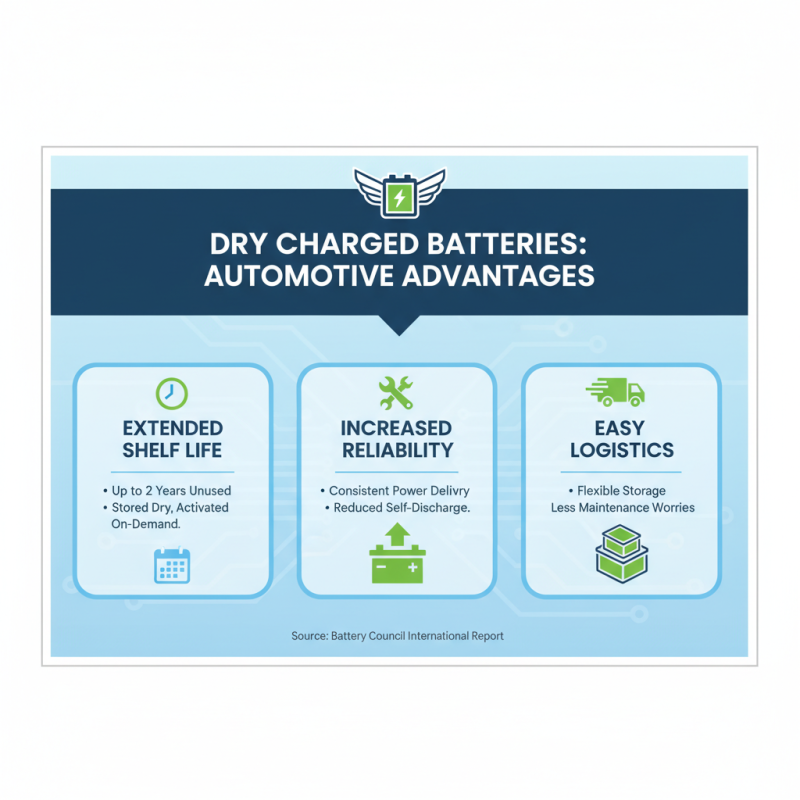
Dry charged batteries are gaining attention in the automotive sector. These batteries offer unique advantages for car owners. They come sealed and filled with electrolyte only when needed. This can extend their shelf life significantly. A report by the Battery Council International highlights that these batteries can remain functional for up to two years when stored properly. This feature appeals to those needing reliable power.
The benefits don't stop at storage. A dry charged car battery is also lighter than traditional options. This weight reduction can enhance vehicle performance. Additionally, they are resistant to deep discharges, making them more reliable in various conditions. A study from the International Journal of Automotive Technology shows that vehicles using these batteries experience fewer starting failures in cold climates. However, these batteries can sometimes face issues with charge retention. Proper maintenance is key. Owners should monitor their battery regularly after activation.
Even with these benefits, some drawbacks exist. They need careful handling during installation. Improper setup can lead to potential malfunction. The market is still adjusting to these changes. Users often overlook the importance of proper charging practices. Awareness is crucial for maximizing the performance of a dry charged car battery. By understanding both advantages and limitations, car owners can make informed decisions.
Comparison: Dry Charged Batteries vs. Traditional Lead-Acid Batteries
When comparing dry charged batteries to traditional lead-acid batteries, several notable differences emerge. Dry charged batteries are unique; they come in a dormant state. Users activate them when needed. This features convenience for many applications. For instance, imagine camping with a 6 Volt 7ah Battery. You can store it for years. When you need power, it's ready to go.
Traditional lead-acid batteries, on the other hand, require maintenance. They can leak or sulfation may occur. These risks lead to reduced performance. In contrast, dry charged batteries are sealed and often more reliable. However, one must consider their cost and the potential for underperformance if not used correctly.
It's worth noting that while dry charged batteries have advantages, they are not faultless. Their activation process can be a stumbling block for some users. Additionally, using a 110 Volt Battery Pack requires careful planning. If overlooked, it can lead to unexpected challenges. Embracing the advancements of dry charged technology means weighing all aspects.
Key Features and Technological Innovations in Dry Charged Batteries
Dry charged batteries have gained attention for their innovative features and reliable performance. Their ability to remain inactive until activated is particularly beneficial. This means they have a longer shelf life compared to traditional batteries. Additionally, they are less prone to leakage. Users can store them for extended periods before use. This aspect makes them appealing to various industries, especially telecommunications.
Key advancements in technology set dry charged batteries apart. Improved materials enhance efficiency and energy output. Some models now incorporate advanced separators that minimize self-discharge. This innovation is crucial, especially for applications requiring consistency, such as the 2v Ups Battery For Telecom System Battery usage.
Despite these advancements, there are areas for improvement. For example, heavier weights can be a drawback. Users may find transport and installation challenging. Balancing performance with practical usability remains a vital consideration. These issues invite critical assessments in design and function.
Environmental Impact and Sustainability of Dry Charged Batteries
The environmental impact of dry charged batteries is significant. These batteries often contain fewer toxic materials than traditional options. This leads to less pollution during production and disposal. Their design allows for better recycling capabilities, which is crucial for sustainability.
Many consumers focus on performance when choosing devices like alarm batteries. However, there’s a growing awareness of their environmental footprint. Dry charged batteries offer a change. They reduce reliance on harmful chemicals, making them a safer choice. Additionally, their longer shelf life means fewer batteries end up in landfills. Still, challenges remain.
Recycling infrastructure needs improvement. Many people are unaware of how to recycle these batteries properly. Education plays a vital role here. Efforts must be made to promote better recycling habits. Overall, while dry charged batteries present an opportunity for sustainability, reflection on our disposal practices is necessary.
2026 Top Dry Charged Battery Benefits and Applications
| Benefit / Application | Description | Environmental Impact | Sustainability Aspect |
| Enhanced Storage Life | Dry charged batteries can be stored for longer periods without degradation. | Lower waste generation due to extended lifecycle. | Promotion of sustainable energy solutions due to long-term usability. |
| Reduced Leakage Risk | Less risk of acid leaks and spills compared to wet batteries. | Minimized soil and water contamination. | Supports environmentally-friendly disposal methods. |
| Lightweight Design | Typically lighter than traditional lead-acid batteries. | Lower carbon footprint during transportation. | Easier to implement in various electric vehicle formats. |
| Quick Activation | Can be activated quickly when needed, providing immediate power. | Fast installation reduces energy loss during set-up. | Supports on-demand energy application in renewable sectors. |
| Versatility | Suitable for a wide range of applications, from vehicles to renewable energy systems. | Diverse usage helps reduce specific waste streams. | Enhances the recycling market by catering to various industries. |
Applications of Dry Charged Batteries in Renewable Energy Systems
Dry charged batteries play a significant role in renewable energy systems. They offer a lightweight and efficient solution for energy storage. These batteries are designed to be activated when needed, making them versatile. They find use in solar power systems, wind energy setups, and more.
In solar applications, dry charged batteries store energy generated during the day. This energy can power homes at night, providing consistent energy access. Similarly, in wind energy, they capture excess power produced during high wind periods. This ensures a steady energy supply even when wind conditions change.
Tips: When choosing a Dry Charged Battery, consider your energy needs carefully. Assess the amount of energy you can store effectively. Also, think about the battery's recharging times and lifespan. Regular maintenance can enhance their performance. Be mindful; improper handling might lead to reduced efficiency.
2026 Benefits and Applications of Dry Charged Batteries in Renewable Energy Systems
Maintenance Tips for Extending the Life of Dry Charged Batteries
Dry charged batteries are popular for their long shelf life and ease of maintenance. To maximize their lifespan, proper care is essential. Here are some effective maintenance tips.
Check the battery voltage regularly. This can help catch issues early. If the voltage drops significantly, recharge immediately. Avoid letting it sit in a low state of charge. It can lead to sulfation, which damages the plates.
Keep the battery terminals clean and free of corrosion. Dirt and grime can cause poor connections. Use a wire brush for cleaning. Cover terminals with a light layer of grease to protect against moisture.
Store batteries in a cool, dry place. Extreme temperatures can affect performance. If storing for long periods, recharge every few months. Inspect the battery for any swelling or leaks. These signs indicate possible failure. Address issues promptly to avoid complications later on.
Future Trends and Market Predictions for Dry Charged Battery Usage
As we look forward to 2026, the future of dry charged batteries appears promising. These batteries maintain a strong advantage in weight and durability. Their construction allows for longer shelf life compared to traditional batteries. More industries are beginning to recognize these benefits. The automotive sector, for instance, is exploring dry charged batteries for electric vehicles. Reduced weight means improved efficiency, which is crucial for modern transportation solutions.
Market predictions suggest a rising demand in various sectors. Renewable energy applications are likely to adopt these batteries extensively. With the growing emphasis on eco-friendly solutions, dry charged batteries can offer a sustainable alternative. However, adoption may face hurdles. Some users may worry about the initial costs and whether they last long enough. The need for education about these batteries is vital to overcome skepticism. As industries evolve, addressing these concerns will be key to driving usage.
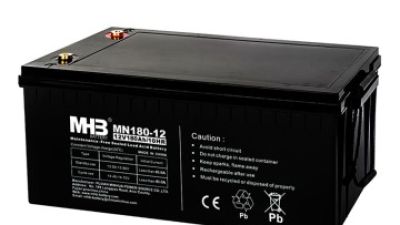
Comprehensive Guide to Choosing the Right Deep Cycle UPS Battery: Spotlight on MHB MN 12V 180Ah Sealed Maintenance Free Options
When it comes to deep cycle uninterruptible power supply (UPS) systems, selecting the right battery is pivotal for ensuring reliable and efficient energy storage. The 12V 180Ah lead-acid battery stands out as a proven choice in various applications. Its design allows for frequent and deep discharges while maintaining stability and performance over time, making it an ideal option for users needing uninterrupted power support.
This type of battery is particularly well-suited for diverse sectors, including telecommunications, renewable energy systems, and backup power solutions for residential or commercial use. The sealed maintenance-free construction of these batteries not only simplifies installation but also minimizes the need for routine maintenance, allowing users to focus on their primary tasks rather than battery upkeep. Moreover, the robust energy capacity ensures that critical devices and systems remain operational during power outages or fluctuations, providing peace of mind and dependability.
When choosing a deep cycle UPS battery, factors such as longevity, capacity, and ease of use should guide the decision-making process. The 12V 180Ah lead-acid battery represents a reliable option that meets these criteria, ensuring that your energy needs are met effectively and with minimal hassle.
FAQS
: A dry charged battery comes in a dormant state and activates when needed.
Traditional lead-acid batteries require maintenance, while dry charged batteries are sealed and often more reliable.
Regularly check voltage, keep terminals clean, and recharge if voltage drops significantly.
Store them in a cool, dry place and recharge every few months if not in use.
Their activation process can be tricky, and improper use may lead to underperformance.
They are lightweight and durable, making them suitable for various industries, including automotive.
Initial costs can be higher. Users must assess long-term benefits versus upfront investment.
Inspect it periodically for swelling or leaks, which indicate potential failure.
Educating users can help overcome skepticism about performance and reliability.
Increasing demand in renewable energy and automotive sectors due to their eco-friendly benefits.
Conclusion
The article explores the numerous benefits and applications of Dry Charged Batteries, highlighting their advantages for automotive use compared to traditional lead-acid batteries. Dry Charged Batteries offer enhanced shelf life, improved resistance to corrosion, and reduced maintenance, making them a practical choice for modern vehicles.
In addition, the piece discusses key technological innovations that have led to improvements in performance and sustainability. It addresses the environmental impact of these batteries, emphasizing their alignment with renewable energy systems. Furthermore, the article provides maintenance tips to extend the life of Dry Charged Batteries and examines future trends in their market usage, indicating a growing reliance on this efficient and eco-friendly energy solution.