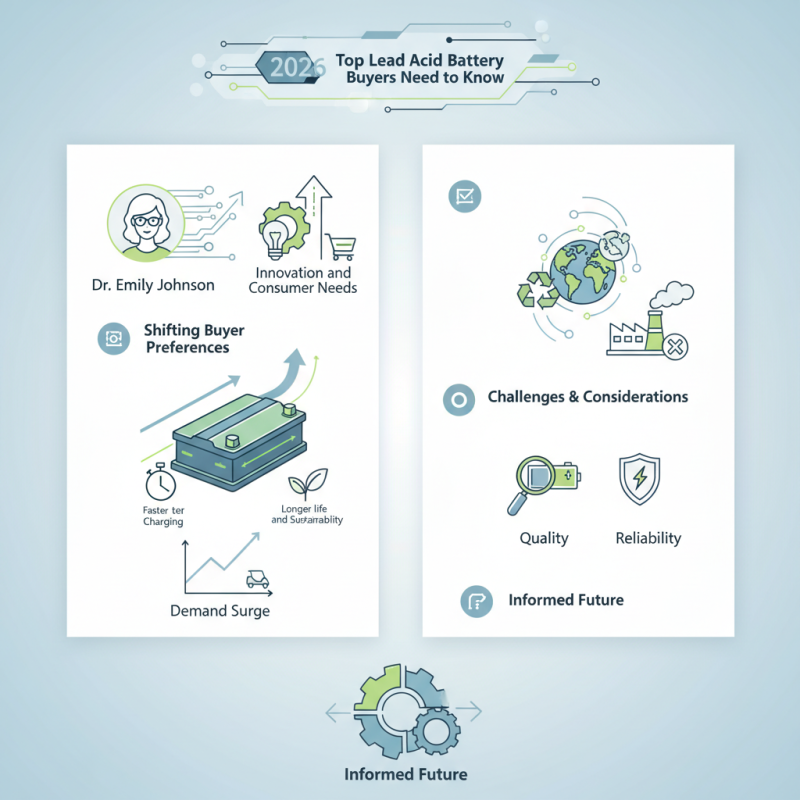
Hey, if you look at the world of energy storage these days, it’s pretty clear that the Lead Acid Battery scene is going through some big changes. I recently spoke with Dr. Emily Johnson from Battery Innovations Inc., and she stressed how important it is for companies to adapt. She put it really well when she said, ‘The future of Lead Acid Batteries depends on innovation and actually meeting what consumers want.’
As we’re heading into 2026, it seems like what people prefer is shifting. Take the Golf Cart Lead Acid Battery market, for example — we’re seeing a real jump in demand. Folks want batteries that last longer and charge quicker. It’s all about being more efficient and making things more sustainable, which is pretty cool.
But yeah, it’s not all smooth sailing. There are still some hurdles, especially when it comes to the environmental impact and how we recycle these batteries. People really need to think about those issues along with the latest tech improvements. Picking quality and dependability is super important too. Things are changing so fast that understanding these trends can really help both consumers and manufacturers stay ahead of the game. Overall, the future looks promising with all these advancements coming through — but we gotta stay alert and well-informed if we want to make the most of it.
As the lead acid battery market evolves, 2026 will bring several exciting advancements. Modern manufacturing techniques are becoming more efficient. For instance, the integration of automated assembly lines has increased production accuracy by 20%. This shift allows manufacturers to meet rising demand from renewable energy systems and electric vehicles, which are crucial in today's energy landscape.
Recycling also sees a technological boost. Innovative methods are increasing lead recovery rates to 95%. This improvement not only reduces environmental impact but also cuts down costs for manufacturers. With global lead acid battery shipments projected to grow by 4% annually, these changes are timely.
The advent of smart batteries is notable. These batteries will incorporate IoT technology for better monitoring and management. This feature enhances performance and ensures safety, addressing aging concerns in traditional batteries. As the sector adapts, these trends highlight a dynamic shift toward sustainability and efficiency in lead acid battery manufacturing.
Advancements in lead acid battery performance are shaping future applications. Enhanced charging efficiencies and increased cycle life are noteworthy improvements. Recent innovations address the common issues of weight and lifespan, making these batteries more appealing for various uses.
**Tip:** Consider battery weight as a factor for portability. A lighter battery can significantly enhance mobility for applications like electric vehicles and portable devices.
Battery management systems are evolving rapidly. These systems help monitor battery health, optimizing performance. They ensure safer operation and extend the life of lead acid batteries. Smart technologies allow for real-time data tracking, which is invaluable for industries dependent on consistent power supply.
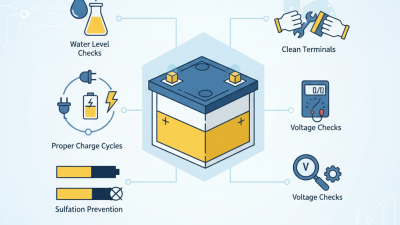
**Tip:** Schedule regular maintenance checks. This ensures that the battery operates at peak efficiency and identifies potential issues before they escalate.
One challenge remains: recycling and environmental impact. As demand for lead acid batteries increases, so does the need for efficient recycling methods. The industry continues to explore sustainable practices, however, progress can be slow, highlighting the need for ongoing research.
**Tip:** Educate yourself on local recycling programs. Understanding available options can contribute to more responsible battery disposal.
The lead acid battery industry faces significant shifts due to environmental regulations. Stricter policies aim to reduce harmful emissions and enhance recycling efforts. According to a recent report by the International Energy Agency, approximately 30% of global lead-acid batteries are recycled. However, this figure indicates room for improvement in waste management practices within the sector.
Manufacturers must adapt to these regulations, which often include stricter guidelines on lead usage. The Global Battery Alliance emphasizes the importance of sustainable sourcing of materials. Companies focusing on Sealed Lead Acid Battery Maintenance need to invest in environmentally friendly processes. The challenge lies in balancing performance with compliance. This often leads to increased production costs and potential supply chain disruptions, pushing the industry to innovate further.
In this evolving landscape, businesses are urged to rethink their environmental strategies. Failure to comply not only results in fines but can tarnish reputation. The need for a comprehensive approach emphasizing sustainability is clear. Investing in technology that supports cleaner production will be crucial for future success in the lead acid battery market.
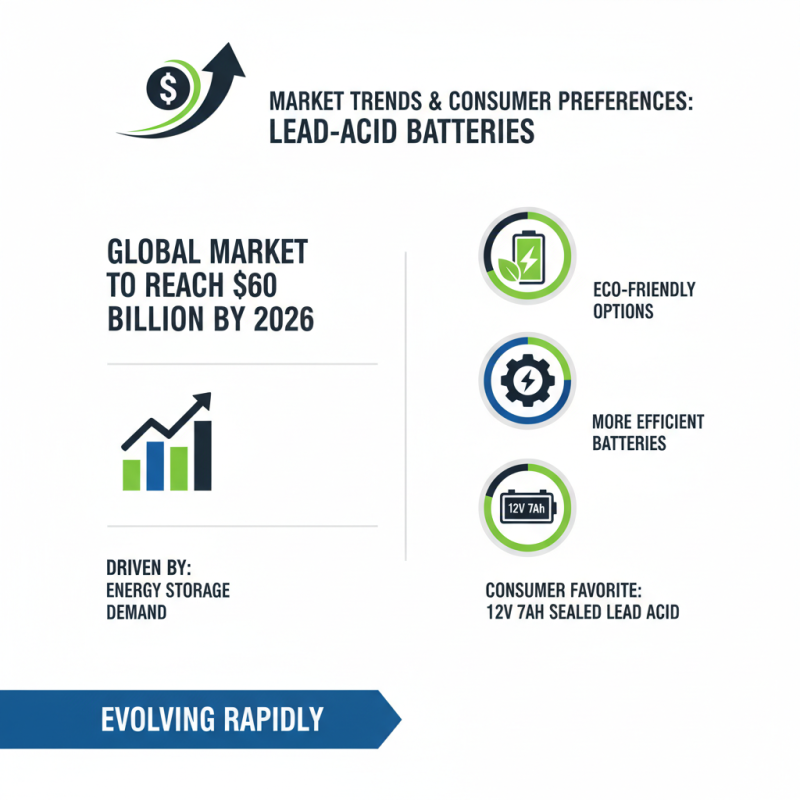
The market for lead-acid batteries is evolving rapidly, with consumer preferences shaping new trends. Recent reports indicate that the global lead-acid battery market is projected to reach $60 billion by 2026. This growth is driven by the increasing demand for energy storage solutions across various sectors. Consumers are now favoring more efficient and eco-friendly battery options, demanding products like Battery 12v 7ah Sealed Lead Acid for their applications.
Energy storage is central to today’s consumer preferences. Users seek batteries that last longer and charge faster. The rise of renewable energy sources has also amplified interest in reliable storage. Data shows that over 40% of consumers prioritize sustainability when choosing battery systems. This trend reflects a broader shift towards greener technologies. It opens up opportunities for manufacturers to innovate while meeting these demands.
Tips for Buyers: Always assess your specific power needs before purchasing. Understand the differences in battery types. Seek suppliers who prioritize eco-friendly practices. Finally, consider the lifecycle of the battery. Longevity matters. As consumer awareness increases, it’s clear that the lead-acid battery market is on a transformative path. Adapting to these shifts will be key for both consumers and manufacturers.
The lead acid battery market is evolving rapidly, especially regarding recycling and sustainability. Innovations are emerging to address environmental concerns associated with these batteries. Advanced recycling techniques are making it easier to process end-of-life batteries, reducing waste and optimizing resource use.
New methods are allowing for a higher recovery rate of lead and acid. This regeneration process minimizes the environmental impact traditionally linked with lead acid batteries. For example, specialized facilities are using hydrometallurgical processes to recover valuable components efficiently. As a result, the circular economy concept is becoming more prominent in this industry. More businesses are realizing the value of reusing materials from the Sealed Lead Acid Battery 12v 7ah.
**Tips:**
1. Choose suppliers committed to sustainability. This choice can ensure responsible battery disposal and recycling.
2. Keep informed about local recycling programs. Being proactive can make a measurable environmental impact.
3. Invest in battery technologies that emphasize sustainability. This investment not only benefits the planet but may also yield financial savings over time.
Despite these advancements, challenges remain in public awareness and technology adoption. Education plays a vital role in promoting best practices in battery recycling. Consumers need to understand their role in the lifecycle of lead acid batteries.
| Trend | Description | Impact on Sustainability | Future Outlook |
|---|---|---|---|
| Advanced Recycling Techniques | Implementation of more efficient recycling processes allowing for higher recovery rates of materials. | Increased recycling reduces environmental impact and conserves resources. | Growing adoption in industrial applications and consumer electronics. |
| Sustainable Manufacturing Practices | Shift towards using sustainable materials and processes in battery production. | Reduction in carbon footprint and pollution associated with battery production. | Likely to become industry standard as regulations tighten. |
| Digital Monitoring of Battery Health | Use of IoT devices for real-time monitoring of battery performance and health. | Optimizes usage and extends battery life, leading to less waste. | Expected to enhance consumer safety and satisfaction. |
| Lead Alternatives | Research into alternatives to lead that maintain performance while improving safety. | Potentially less toxic materials reduce health risks. | Long-term potential to shift industry standards towards greener solutions. |
| Second-Life Applications | Repurposing depleted batteries for secondary applications such as energy storage. | Maximizes resource usage and delays waste disposal. | Increased focus on renewable energy solutions bolsters this trend. |
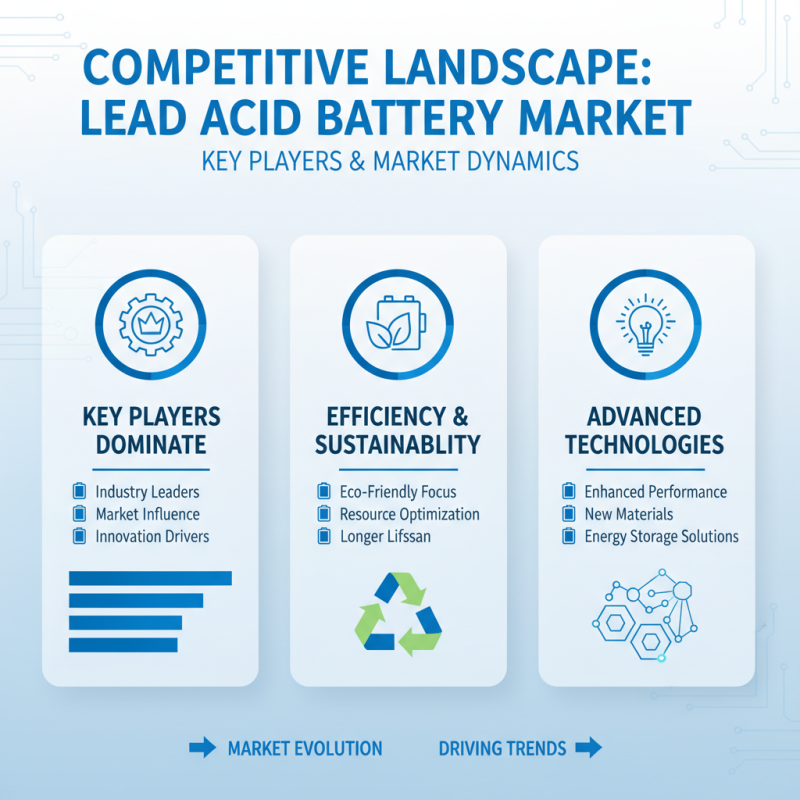
As the lead acid battery market evolves, understanding the competitive landscape is essential. Key players dominate the industry, driving innovation and influencing market trends. Companies are focusing on efficiency and sustainability. They are exploring advanced technologies to enhance battery performance and lifespan.
Expanding production capabilities is a crucial strategy. Many manufacturers invest heavily in research and development. This ensures they remain competitive in a rapidly changing environment. Additionally, collaboration between companies can lead to breakthroughs. Working together can foster innovation that benefits the entire market.
Tips: Consider the environmental impact of lead acid batteries. Look for manufacturers emphasizing sustainability. Understanding market dynamics can help buyers make informed decisions. Always seek options that prioritize quality and reliability, as these are essential in ensuring longevity and performance.
Lead acid batteries continue to evolve and find new applications across various sectors. In renewable energy, these batteries provide reliable storage for solar and wind power systems. Their ability to buffer energy supply makes them essential for balancing demands in homes and businesses. For example, a Valve Regulated Lead Acid Battery 6v4 5ah 20hr is particularly suited for small renewable energy systems. Such products are not only economical but also offer durability.
In automotive industries, lead acid batteries remain a cornerstone for many vehicles. They are widely used in traditional internal combustion engines for starting, lighting, and ignition. However, there's a shift towards hybrid systems that blend lead acid with advanced batteries. The challenge lies in achieving greater efficiency while minimizing weight. Innovations in battery design aim to enhance performance, but energy density remains a concern that requires ongoing research.
Emerging applications in backup power systems and grid stabilization showcase the versatility of lead acid technology. Hospitals, data centers, and telecommunications benefit from their reliability during outages. Nevertheless, stakeholders must address environmental concerns linked to manufacturing and disposal. More sustainable practices are needed in production and recycling processes to meet future demands. This aspect reinforces the need for a careful assessment of the entire lifecycle of lead acid batteries.
When it comes to reliable backup power solutions for alarm systems, the MHB Factory MS Series 6V 4.5Ah ups battery stands out as an exceptional choice. This compact lead-acid battery not only provides a stable voltage of 6V but also boasts a commendable capacity of 4.5Ah, ensuring that alarm systems remain functional during power outages. The MHB MS Series employs a patented grid alloy formula, which enhances its overall performance and longevity, making it suitable for both cycle and standby applications.
Performance metrics show that this battery can endure over 260 cycles at 100% Depth of Discharge (DOD), highlighting its resilience and capability for repeated recharging. In floating and standby use, the MHB MS Series is designed to last between 3 to 5 years, providing peace of mind to users who depend on consistent power availability. Furthermore, it features excellent charging and re-charging acceptance along with low self-discharge rates, which signifies minimal energy loss during periods of inactivity.
The 100% pre-shipment testing conducted on these batteries ensures that every unit meets strict quality standards, yielding a dependable product that can withstand the demands of critical systems such as alarm infrastructures. For users seeking a maintenance-free, sealed solution that offers superior performance and reliability, the MHB Factory MS Series 6V 4.5Ah UPS battery is a sound investment rooted in innovative technology and durable design principles.
: Key advancements include enhanced charging efficiencies and increased cycle life, improving their appeal for various applications.
A lighter battery significantly enhances mobility, especially for electric vehicles and portable devices, making them easier to transport.
These systems monitor battery health, optimize performance, ensure safer operation, and extend battery life with real-time tracking capabilities.
The recycling and environmental impact of lead acid batteries is a significant challenge, necessitating efficient recycling methods.
Educating themselves about local recycling programs can help consumers dispose of batteries responsibly and reduce environmental impact.
Consumers prefer efficient, eco-friendly options. A focus on energy storage and sustainability is shaping current market dynamics.
Buyers should assess their power needs, understand battery types, seek eco-friendly suppliers, and consider battery lifespan.
Advanced recycling techniques are improving lead and acid recovery rates, minimizing environmental impacts and supporting a circular economy.
Education about battery lifecycle and recycling best practices is vital for increasing public awareness and promoting responsible recycling.
Public awareness and technology adoption issues persist, emphasizing the need for ongoing education to encourage sustainable practices.
The article "2026 Top Lead Acid Battery Trends Buyers Need to Know" explores the evolving landscape of lead acid batteries, focusing on emerging technologies and advancements that promise enhanced performance and efficiency by 2026. It highlights the significant impact of environmental regulations on the industry, driving innovation toward sustainable practices and recycling methods. As consumer preferences shift, market trends indicate a growing demand for more efficient and eco-friendly lead acid battery solutions.
Additionally, the article delves into the competitive landscape, identifying key players and market dynamics shaping the future of lead acid batteries. It also discusses potential applications across various sectors, underscoring the versatility and continued relevance of lead acid technology in an increasingly sustainability-focused world. Overall, this comprehensive overview equips buyers with essential insights into the key trends and innovations in the lead acid battery market for the near future.