Leave Your Message
0%

As the world heads toward a greener and more energy-efficient future, lead batteries are still playing a pretty important role in a bunch of different areas. According to a 2023 report from the International Lead Association, lead batteries boast a recycling rate of over 95%. That’s pretty impressive and actually makes them one of the most eco-friendly energy storage options out there right now. Their ability to be recycled so effectively isn’t just good for the environment — it also shows how committed the industry is to cutting waste and making the best use of resources.

Looking ahead to 2025, the benefits of lead batteries are only gonna become more obvious. As demand gets stronger, especially in sectors like renewable energy storage, electric vehicles, and uninterruptible power supplies (UPS), their importance is only going to grow. A recent study by the Edison Electric Institute suggests that the global market for lead batteries might hit around $70 billion by 2025 — driven by the increasing need for dependable energy storage. What makes lead batteries so attractive? Well, their solid performance, affordability, and durability really make them stand out, especially in the push toward cleaner energy sources. Whether in well-established markets or emerging ones, they’re gonna be a key part of the game.

Getting a good grasp of these benefits is pretty vital for anyone involved in the energy scene — whether you're a stakeholder, a researcher, or just someone curious about what’s coming next. In this article, we’re gonna break down the top five advantages of lead batteries in 2025 that will keep them front and center in the energy world.
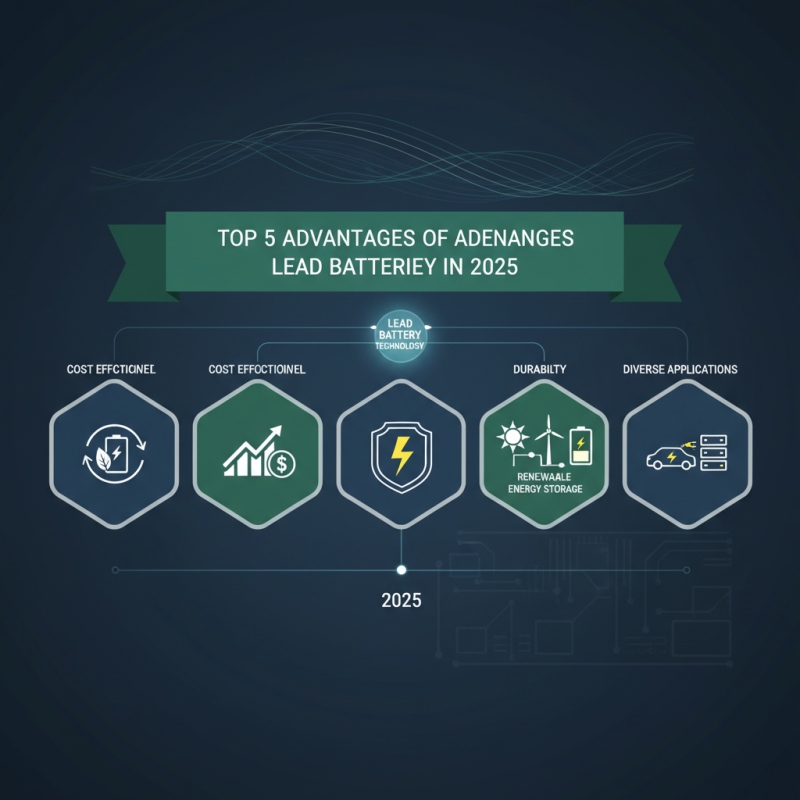
Top 5 Advantages of Lead Batteries in 2025: What You Need to Know

The Growing Importance of Lead Batteries in Modern Applications

Top 5 Advantages of Lead Batteries in 2025: What You Need to Know

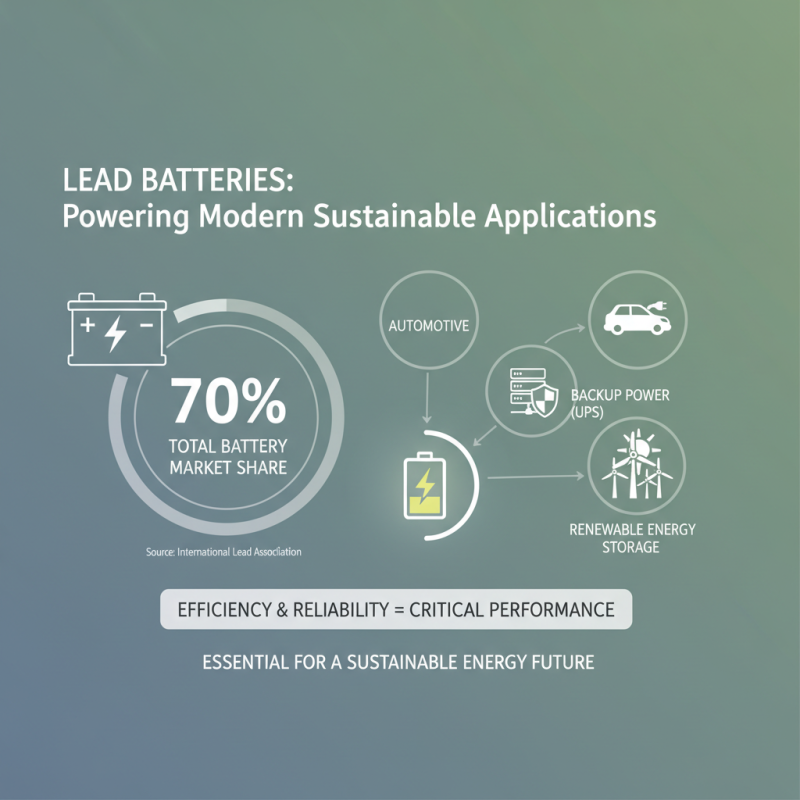
The significance of lead batteries has been increasingly recognized in various modern applications, reflecting a shift toward more sustainable energy solutions. According to the International Lead Association, lead batteries account for about 70% of the total battery market in applications such as automotive, backup power, and renewable energy storage. The efficiency and reliability of lead batteries make them indispensable in settings where performance is critical, such as in uninterruptible power supplies (UPS) and renewable energy systems.

As we move into 2025, the role of lead batteries in energy storage and management will become even more pronounced. Research by the Battery Council International projects that the Lead Battery industry will continue to expand, driven by the rising demand for energy storage solutions that support renewable energy sources like solar and wind. Lead batteries exemplify a circular economy, as over 95% of lead from spent batteries is recycled, underscoring their environmental sustainability. This aspect, combined with their proven performance and cost-effectiveness, makes lead batteries a pivotal technology in addressing energy challenges and transitioning to greener alternatives in various sectors.

Key Features of Lead Batteries That Drive Their Popularity in 2025

Top 5 Advantages of Lead Batteries in 2025: What You Need to Know

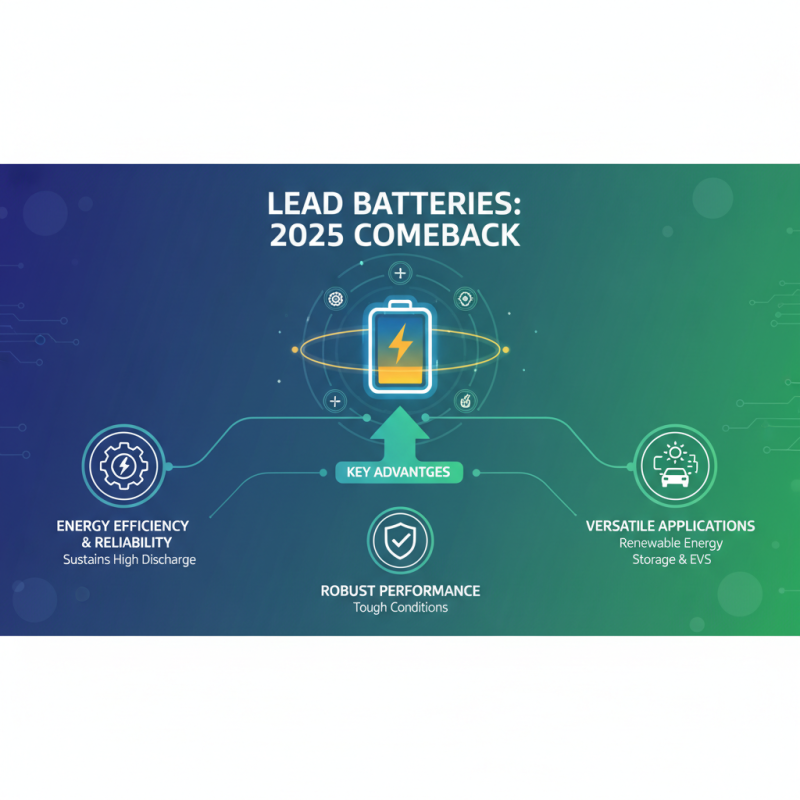
Lead batteries have experienced a resurgence in popularity due to several key features that cater to the evolving needs of various industries in 2025. One of the most significant advantages is their exceptional energy efficiency and reliability. These batteries can sustain high discharge rates, making them ideal for applications ranging from renewable energy storage to electric vehicles. Their robust performance under tough conditions ensures they meet the stringent demands of modern technology, further solidifying their reputation as a dependable energy source.

Another important feature driving the popularity of lead batteries is their recyclability. With environmental sustainability becoming a focal point for many organizations, lead batteries stand out for their ability to be recycled up to 99%. This characteristic not only reduces waste but also supports a circular economy by enabling the reuse of valuable materials. Additionally, advancements in battery technology have improved the lifespan and performance of lead batteries, enabling them to compete effectively with newer battery chemistries while maintaining a lower overall environmental impact.

Environmental Benefits of Lead Batteries Compared to Alternatives

Lead batteries are gaining recognition for their environmental advantages as we look towards 2025. One of their primary benefits is their exceptional recyclability; approximately 97% of lead battery components can be recycled. According to the International Lead Association, over 70% of lead used in battery production is sourced from recycled materials, significantly reducing the need for new raw materials. This cycle not only minimizes waste but also mitigates the environmental impact associated with mining and processing new lead.

In addition to their recyclability, lead batteries offer a lower carbon footprint compared to alternative battery technologies. A study by the Battery Council International reveals that the lifecycle emissions of lead batteries are considerably lower than those of lithium-ion batteries, making them a more sustainable choice for energy storage. Furthermore, their robust performance across a wide temperature range means they are well-suited for diverse applications, reducing the need for energy-intensive climate control systems.

Tip: When considering energy storage solutions, evaluate the total lifecycle impact of the battery technology. Opting for lead batteries can lead to reduced environmental footprints while ensuring reliable power supply. Additionally, always prioritize products that emphasize recycling and sustainability in their manufacturing processes.

Cost-Effectiveness of Lead Batteries for Consumers and Industries

Lead batteries are emerging as a cost-effective energy storage solution for both consumers and industries in 2025. According to a recent report from the International Lead Association, the lifecycle cost of lead batteries is significantly lower compared to other battery technologies, primarily due to their longer lifespan and recyclability. With over 95% of lead batteries being recycled, they provide economic benefits not only through reduced disposal costs but also by recovering valuable materials. For industrial applications, a study by the Battery Council International indicated that lead batteries can deliver exceptional performance, often resulting in lower operational costs than alternatives like lithium-ion batteries, particularly in applications requiring high energy capacity and rapid discharge rates.

The ongoing advancements in lead battery technology are also making them an even more attractive option for consumers. A report from the U.S. Department of Energy estimates that lead batteries can provide energy storage solutions at approximately 30% lower cost compared to lithium-ion systems, making them a favorable choice for residential energy storage. Furthermore, as more households seek sustainable and affordable energy options, lead batteries are positioned to meet growing demand without compromising performance or safety. Their established manufacturing processes and widespread availability ensure that consumers can access reliable energy storage solutions without incurring hefty upfront investments, thereby promoting widespread adoption and enhancing energy security.

Advancements in Lead Battery Technology Enhancing Efficiency and Longevity

The advancements in lead battery technology are pivotal for enhancing both efficiency and longevity in the coming years. As the demand for sustainable energy sources grows, innovations in lead batteries have led to significant improvements in their performance metrics. Enhanced charging capabilities mean that lead batteries can now recharge faster than ever before, reducing downtime and making them more suitable for a wide range of applications, from renewable energy storage to electric vehicles.

Moreover, developments in materials and design have resulted in lead batteries that exhibit greater cycle stability and increased lifespan. New composite materials are being utilized to improve the structure of lead battery cells, which not only enhances energy density but also mitigates capacity loss over time. These technological strides not only address historical concerns about lead battery durability but also position them as a reliable and eco-friendly option in a rapidly evolving energy landscape. As we move into 2025, these benefits will make lead batteries an essential component of our energy storage solutions.

Lead Batteries in Renewable Energy Storage: A Sustainable Solution

In 2025, lead batteries are poised to play a pivotal role in the renewable energy landscape, particularly in energy storage systems. As the demand for reliable and cost-effective energy storage solutions continues to grow, lead batteries emerge as a sustainable option. Their well-established manufacturing processes, higher recycling rates, and lower environmental impact make them an attractive choice for integrating with renewable energy sources like solar and wind power. By providing a stable and efficient means of storing energy generated from these intermittent sources, lead batteries enhance grid stability and support a more sustainable energy ecosystem.

Moreover, the recycling capabilities of lead batteries significantly contribute to their sustainability. The lead and sulfuric acid used in these batteries can be recycled repeatedly without any loss in quality, minimizing waste and reducing the need for new raw materials. This circular economy approach not only lessens environmental harm but also supports energy independence by making the most of existing materials. With advancements in battery technology and design, lead batteries are set to become even more efficient, making them an indispensable part of the renewable energy transition in the coming years.

Top 5 Advantages of Lead Batteries in 2025: What You Need to Know

Advantage Description Environmental Impact Cost Efficiency
High Energy Density Lead batteries provide a high energy density, making them effective for energy storage in renewable applications. Recyclable materials reduce waste and lower resource extraction impacts. Lower upfront costs compared to lithium-ion batteries.
Durability Known for their reliability and lifespan, making them suitable for long-term use. Long lifecycle reduces the frequency of battery replacements. Cost-effective over time due to less frequent replacement.
Established Technology A well-understood and developed technology with extensive supply chains. Promotes stable recycling channels and practices. Availability leads to competitive pricing in the market.
Safe and Stable Lower risk of fires and chemical leaks compared to other battery types. Less environmental risk enhances sustainability credentials. Safety can lead to lower insurance and operational costs.
Versatility Can be used in a variety of applications from automotive to stationary storage. Supports diverse renewable energy applications without extensive adjustment. Widely usable, maximizing return on investment across sectors.

Regulatory Changes Shaping the Future of Lead Battery Usage

As we look toward 2025, regulatory changes are poised to significantly influence the landscape of lead battery usage. Governments worldwide are increasingly recognizing the environmental implications of battery production and disposal, prompting stricter regulations aimed at enhancing sustainability. This shift is catalyzing innovations within the lead battery industry, encouraging manufacturers to adopt greener practices and improve battery recycling processes. As a result, the lead battery's reputation is evolving, positioning it as a more eco-friendly option when compared to other battery types.

The transition towards stricter regulations is also driving investment in research and development, which may lead to advancements in lead battery technology. Enhanced performance, increased lifespan, and reduced environmental impact are key areas of focus. Furthermore, regulatory incentives for using lead batteries in renewable energy storage and electric vehicles are expected to boost demand. By adapting to these regulations, the lead battery sector can secure a vital role in the transition to cleaner energy solutions while maintaining its economic viability in an increasingly competitive market.

FAQS

: What are the key advantages of lead batteries in 2025?

: Lead batteries are known for their exceptional energy efficiency and reliability, capable of sustaining high discharge rates, making them suitable for applications like renewable energy storage and electric vehicles.

How do lead batteries contribute to environmental sustainability?

Lead batteries can be recycled up to 99%, which reduces waste and supports a circular economy by allowing the reuse of valuable materials.

What advancements have been made in lead battery technology?

Advancements have improved the lifespan and performance of lead batteries, enabling them to compete effectively with newer battery chemistries while maintaining a lower environmental impact.

How are regulatory changes affecting lead battery usage?

Stricter regulations aimed at enhancing sustainability are encouraging manufacturers to adopt greener practices and improve battery recycling processes, thus evolving the lead battery's reputation.

What role do regulatory incentives play in the demand for lead batteries?

Regulatory incentives for using lead batteries in renewable energy storage and electric vehicles are expected to boost demand and promote investment in research and development.

In what ways is the lead battery sector adapting to future challenges?

The sector is focusing on enhancing performance, increasing lifespan, and reducing environmental impact to secure its role in the transition to cleaner energy solutions.

Why are lead batteries considered a reliable energy source?

They offer robust performance under tough conditions, meeting the stringent demands of modern technology, which solidifies their reputation as a dependable energy source.

What is the significance of recycling in the lead battery industry?

Recycling is crucial as it minimizes waste and allows for the recovery of valuable materials, thereby supporting sustainability efforts.

Which industries are likely to benefit from lead battery technology advancements?

Industries such as renewable energy, automotive (specifically electric vehicles), and any sector requiring reliable energy storage will benefit from advancements in lead battery technology.

How does the lead battery industry's response to regulations impact its market competitiveness?

By adapting to regulatory changes, the lead battery industry can enhance its economic viability while positioning itself as an eco-friendly alternative in an increasingly competitive market.

Conclusion

The article "Top 5 Advantages of Lead Batteries in 2025: What You Need to Know" highlights the increasing significance of lead batteries in various modern applications. Notably, the key features that contribute to their popularity include their cost-effectiveness, environmental benefits compared to alternative energy storage options, and advancements in technology that improve both their efficiency and longevity.

Furthermore, lead batteries are positioned as a sustainable solution for renewable energy storage, adapting to the growing demand for reliable energy sources. Regulatory changes are also influencing the landscape for lead battery usage, ensuring that these batteries remain relevant and beneficial in both consumer markets and industrial sectors. Overall, lead batteries are poised to play a pivotal role in the energy sector's evolution in the coming years.


Sophia

Sophia

Sophia is a dedicated marketing professional at Fujian Minhua Power Supply Co., Ltd., where she has cultivated a deep expertise in the company’s innovative products and solutions. With a strong background in marketing strategies and product knowledge, Sophia plays a crucial role in enhancing the......
Previous How to Choose the Right Lithium Battery for Your Energy Storage Needs