As the world’s hunger for better energy storage keeps growing, understanding what exactly Agm Battery Acid is all about becomes super important for folks buying these batteries. According to a report from MarketsandMarkets, the market for AGM (Absorbent Glass Mat) batteries is expected to hit around $5.37 billion by 2025. That kind of jump just shows how crucial high-performance batteries are across so many industries nowadays.
Henry Thompson, a well-respected expert in battery tech at PowerTech Solutions, points out, "Knowing the ins and outs of AGM battery acid can really make your batteries last way longer." Both manufacturers and customers need to get what AGM battery acid does—how it works, and why safety comes first. Picking the right specifications isn’t just about performance; it also keeps things safe and efficient, whether it’s for solar setups, electric cars, or backup power systems.
Of course, things can get a little tricky because this field is constantly changing. Sometimes, buyers might overlook certain details, which can lead to mismatched batteries or poorer performance. While AGM tech has a lot of benefits, using it the wrong way or not fully understanding the science behind it can actually cause problems. So, paying close attention to AGM battery acid is key—it's all about making sure you get the best results and that your system stays reliable for the long haul.
Understanding AGM Battery Acid: Composition and Chemistry
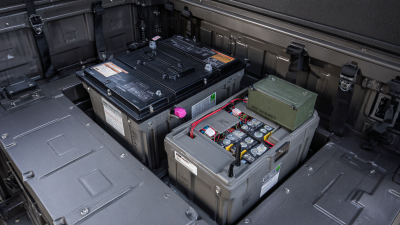
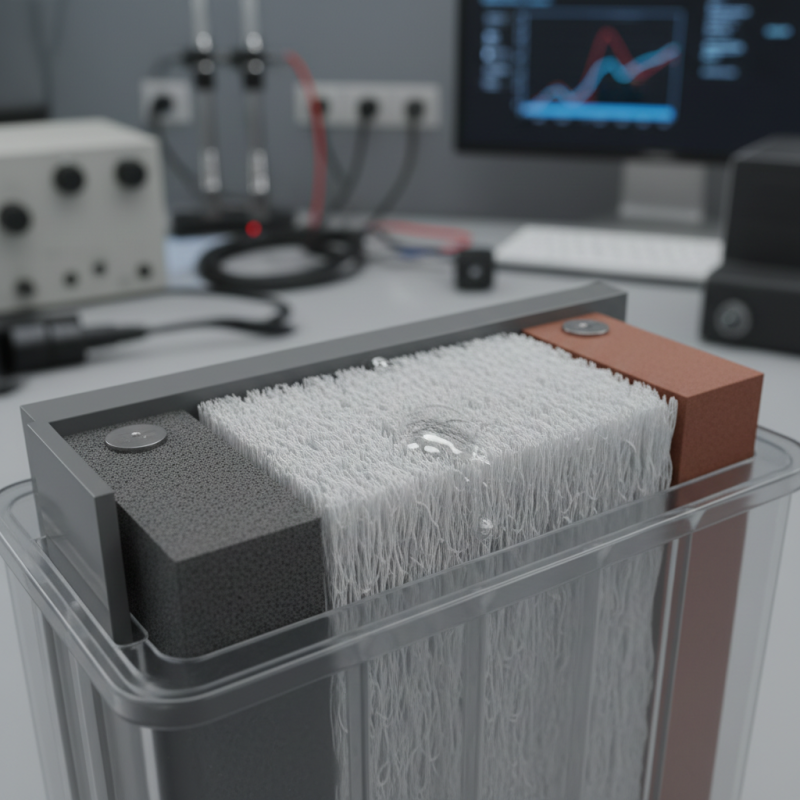
AGM (Absorbent Glass Mat) battery acid is crucial for understanding how these batteries function. The acid electrolyte within Agm Batteries serves as a medium for the chemical reactions that generate electricity. Unlike traditional batteries, AGM technology absorbs the acid into glass mats, preventing leaks and enhancing safety. This unique design allows AGM batteries to offer superior performance, particularly in deep cycle applications.
When sourcing AGM batteries, it's essential to consider the acid composition. Typically, a diluted sulfuric acid solution is used. The acid's purity significantly affects performance and longevity. High-quality AGM batteries will have a balanced electrolyte mixture, promoting optimal recharge cycles and resilience against temperature fluctuations. Checking the specifications can ensure you choose reliable products.
**Tips:** Always inspect for certifications on AGM batteries before purchase. Look for documentation that outlines the acid composition details. It's essential to ensure the battery meets global standards. Another tip: store AGM batteries in a cool, dry place to prolong lifespan. Batteries exposed to extreme temperatures may cause acid stratification, leading to potential failures.
Types of AGM Batteries: A Comparison of Valve-Regulated and Others
When considering AGM batteries, understanding the differences among types is crucial. Valve-regulated lead-acid (VRLA) batteries are popular for their reliability and low maintenance. They contain a built-in pressure relief valve. This feature prevents gas build-up during charging. These batteries are ideal for applications requiring safety and efficiency.
On the other hand, some AGM batteries do not have valve regulation. They may lack the same level of safety features. Yet, these batteries can still perform well in specific conditions. This may lead to concerns about longevity and safety. Proper understanding of the distinctions helps buyers make informed decisions.
Exploring AGM vs. lithium batteries is another essential aspect. While lithium batteries have advantages like longer life and lightweight design, AGM batteries are robust and cost-effective. They offer good performance for high-demand applications. However, buyers need to reassess their expectations based on usage requirements. Each type has its strengths, and a deeper understanding will better equip buyers in the global market.
Common Applications of AGM Batteries in Various Industries
AGM (Absorbed Glass Mat) batteries are gaining popularity across various industries. They provide reliable power in demanding applications. Manufacturers widely use AGM batteries in sectors like renewable energy, marine, and automotive. Their design allows for high performance and longevity.
In the renewable energy sector, AGM batteries serve as dependable energy storage solutions. They can handle deep cycling and rapid charging. This makes them suitable for solar power systems and wind turbines. They excel in off-grid installations, where consistent energy supply is crucial.
The automotive industry benefits significantly from AGM technology. These batteries support start-stop systems and advanced safety features. They are also utilized in electric vehicles for efficient energy management. Their ability to withstand vibrations and extreme temperatures further enhances their appeal.
Tips: When selecting AGM batteries, consider their specific applications. Always check the battery's performance specifications. Evaluate the environmental conditions where they will be used. Understanding these factors will help you make an informed choice.
It's essential to address some common misconceptions. AGM batteries may not be the best fit for everyone. Their initial cost can be higher than typical lead-acid batteries. However, the long-term savings on replacements often justify the expense. Always weigh the pros and cons before making a decision.
Global Market Trends for AGM Battery Acid Demand and Supply
The Agm Battery acid market is witnessing significant changes globally. According to recent industry reports, the demand for AGM batteries is projected to grow steadily. By 2025, the worldwide market for AGM battery acid could reach over $3 billion. This growth is driven by the increasing use of AGM batteries in renewable energy applications and electric vehicles.
Production levels are under pressure due to fluctuating raw material availability. The lead supply chain, essential for AGM battery acid, faces challenges, impacting prices. In 2022, lead prices surged by nearly 15% in some regions. Consequently, manufacturers are seeking alternative materials. Innovations in battery technology may alter AGM battery dynamics in the near future.
Consumer awareness is rising. The advantages of AGM batteries, such as their spill-proof design and longevity, appeal to various sectors. However, environmental concerns regarding lead are prompting regulatory scrutiny. Companies must navigate these complex issues while meeting consumer demands. Understanding these trends is crucial for global buyers engaged in this evolving market.
AGM Battery Acid Demand and Supply Trends (2023)
Safety Standards and Regulations for Handling AGM Battery Acid
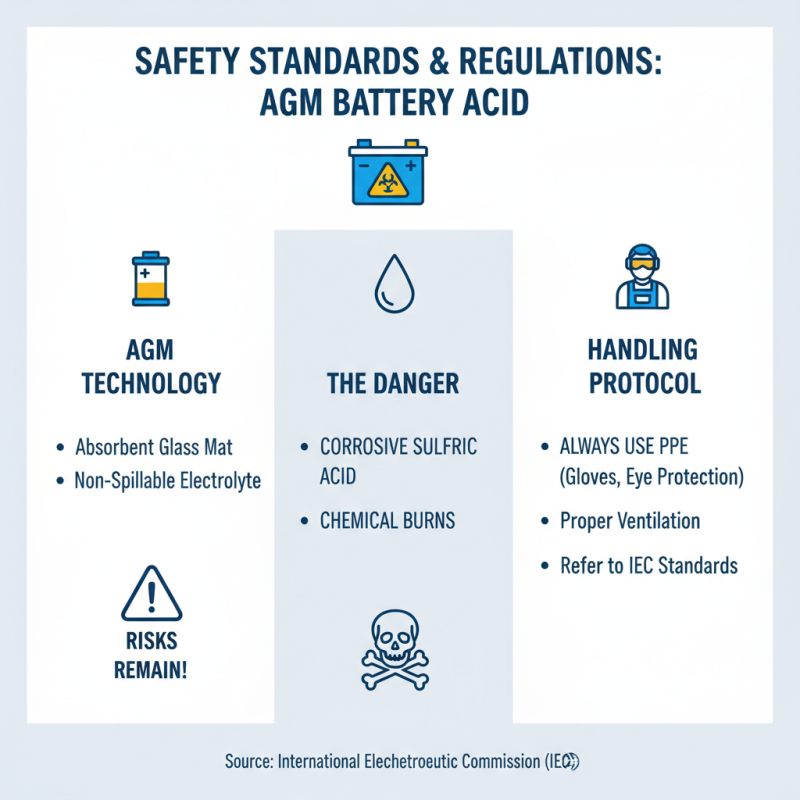
When dealing with AGM battery acid, understanding safety standards is essential. AGM, or Absorbent Glass Mat, technology utilizes a non-spillable electrolyte. However, this does not eliminate risks. According to the International Electrotechnical Commission (IEC), appropriate handling is critical due to the corrosive nature of sulfuric acid in AGM batteries.
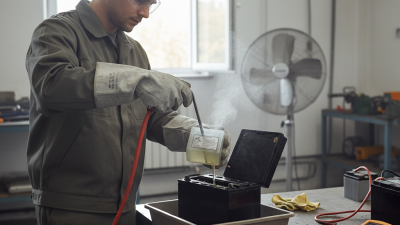
Proper personal protective equipment (PPE) must be worn during handling. This includes gloves, goggles, and aprons. A study by the Occupational Safety and Health Administration (OSHA) indicates that exposure to battery acid can lead to serious health issues. Water must be readily available for emergency flushing in case of spills.
Training is necessary for employees handling these batteries. The National Fire Protection Association (NFPA) has published guidelines that emphasize routine safety drills. Inadequate training can lead to dangerous situations, as documented in various industry reports. Flammable materials should never be nearby. Even in a controlled industrial environment, precautions are essential. Understanding these regulations enhances safety for all involved parties.
Environmental Impact of AGM Battery Acid and Recycling Opportunities
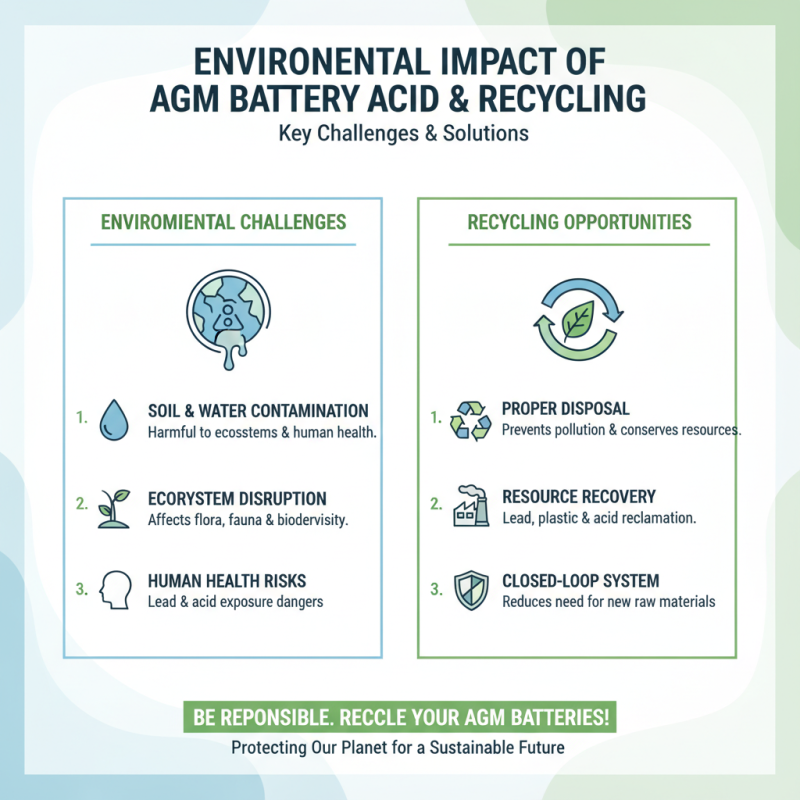
AGM battery acid poses significant environmental challenges. When improperly disposed of, it can contaminate soil and water. This contamination affects both ecosystems and human health. Understanding these impacts is crucial for consumers and industry players.
Recycling opportunities exist for AGM battery acid. Many regions now encourage battery recycling programs. These programs help reclaim valuable materials. They also minimize the environmental footprint. When batteries are recycled correctly, the harmful effects can be significantly reduced. Yet, awareness of proper disposal methods remains lacking.
Consumers often overlook the importance of these recycling options. Education on Agm Car Battery disposal should be prioritized. Stakeholders must work together to promote sustainable practices. This collaboration can enhance the reliability of AGM batteries in the market. Efforts must be ongoing to create a safer future.
Key Manufacturers and Suppliers of AGM Battery Acid in the Market
AGM battery acid plays a crucial role in many applications, particularly for AGM marine batteries. It's essential to understand the key manufacturers and suppliers in this market. These companies provide high-quality acid that meets various standards. Their expertise ensures reliability, making them a preferred choice for buyers worldwide.
Certain manufacturers have established a strong reputation due to their consistent quality and innovation. They invest heavily in research and development. This focus helps them produce AGM battery acid that meets the diverse needs of their clients. These suppliers often have a global reach. They facilitate accessibility for users everywhere.
While exploring the market, recognizing regional differences in supply and demand is crucial. Some suppliers might not meet the same quality standards universally. Buyers should conduct thorough research before making purchases. Understanding the specifications of AGM marine batteries helps ensure informed decisions in this complex market.
Revitalize Your Ride: Unleashing the Power of SMF Battery 48D26R 12V 50AH Sealed Maintenance-Free Car Battery
Revitalizing your ride has never been easier with the SMF Battery 48D26R 12V 50AH Sealed Maintenance-Free automotive battery. This advanced battery technology offers a potent combination of performance and reliability, ensuring that your vehicle starts smoothly, no matter the conditions. Thanks to its calcium-calcium construction, the 48D26R battery not only enhances cold cranking power but also minimizes water loss and self-discharge, making it ideal for various driving environments.
In modern automotive applications, battery performance is critical. Reports from the Battery Council International indicate that a significant percentage of lead-acid battery failures are related to water loss, highlighting the benefits of maintenance-free options like the 48D26R. Additionally, the 50Ah capacity is well-suited for a range of vehicles, providing ample power for various electrical needs without compromising on longevity. This battery is designed for drivers who demand consistent performance and low maintenance hassle, allowing them to focus on the road ahead.
Investing in a reliable automotive battery can greatly improve the overall driving experience. With innovations aimed at extending battery life and reducing upkeep, the SMF 48D26R battery stands out for its ability to meet the growing demands of modern vehicles. Its sealed construction ensures safety and reliability, while its design reflects the latest advancements in battery technology, enabling automotive enthusiasts to enjoy peace of mind while on the road.
FAQS
Inadequate training can lead to dangerous situations and severe health risks.
Improper disposal can contaminate soil and water, affecting ecosystems and human health.
Yes, many regions promote recycling programs to reclaim materials and reduce environmental impact.
Education on proper disposal methods should be prioritized to encourage responsible practices.
Water must be readily available for emergency flushing to minimize injury.
Many invest heavily in research and development to meet diverse client needs.
Conduct thorough research on suppliers and understand the specifications of AGM batteries.
No, risks remain due to the corrosive nature of the sulfuric acid involved.
Emphasizing routine safety drills and placing restrictions on nearby flammable materials is essential.
Conclusion
AGM Battery Acid is a critical component in the advanced lead-acid battery technology known as Absorbent Glass Mat (AGM) batteries. These batteries are designed with a unique composition that enhances their safety, performance, and longevity. Understanding the chemistry behind AGM Battery Acid is essential for global buyers, as it influences the types of AGM batteries, including valve-regulated options that cater to various applications across industries such as automotive, renewable energy, and telecommunications.
As the demand for AGM Battery Acid continues to rise, driven by market trends and increasing applications, buyers must also be aware of the safety standards and regulations that govern its handling. Additionally, the environmental impact of AGM Battery Acid emphasizes the importance of recycling opportunities to promote sustainability in battery management. The global market features several key manufacturers and suppliers that ensure the availability of high-quality AGM Battery Acid to meet the growing needs of various sectors.