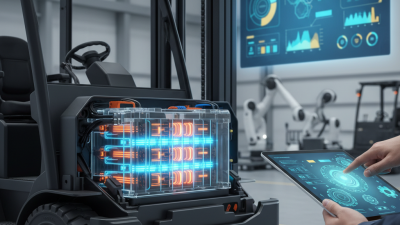
As more and more folks are really leaning into the idea of sustainable transportation, it's no surprise that interest in Motive Battery tech is booming. I remember speaking with Dr. Emily Carter over at Battery Innovations — she's kind of a guru in the field — and she mentioned, “The evolution of Motive Battery systems is absolutely key for the future of electric vehicles.” With electric vehicle batteries becoming the hot topic, buyers around the world are searching for options that deliver both efficiency and long-lasting performance.
Now, while recent advances are definitely exciting, they also come with their own set of hurdles. The market's pretty diverse — different chemistries, different uses — which makes things a little complicated when you’re trying to compare options. Stuff like energy density, how quickly a battery charges, and how long it lasts are all important factors. Honestly, the sheer number of choices can be overwhelming, right? That’s why having some practical, understandable info can really make a difference when you're making decisions.
Getting a grip on the ins and outs of Motive Batteries isn’t always straightforward — you really need both some know-how and a bit of patience to evaluate what's best. Technology’s changing all the time, so it pays to stay in the loop and keep an eye on new developments. Thinking about your own needs and the industry’s future trends can help steer you in the right direction. With 2026 creeping up fast, choosing the right battery system has never been more crucial — it’s all about finding that perfect fit for your needs and goals.
Overview of Motive Battery Technologies Available in 2026
In 2026, the landscape of motive battery technologies evolves significantly. Emerging innovations focus on enhancing efficiency and sustainability. According to a recent report by the International Energy Agency, the demand for 12v motive batteries is projected to rise by 25% by 2026. This shift is influenced by advancements in energy storage solutions, including lithium-ion and solid-state technologies. These batteries offer longer life cycles and faster charging times, appealing to diverse applications.
The efficacy of these technologies varies. For instance, while lithium-ion provides high energy density, its environmental impact raises concerns. Conversely, solid-state batteries promise better safety profiles and less environmental degradation. The trade-offs between performance, cost, and sustainability often leave room for debate. A 2023 analysis highlighted that nearly 40% of manufacturers are still unsure about transitioning to solid-state options due to their current production challenges.
Investors and manufacturers must remain vigilant about these developments. Industry leaders report that integrating renewable energy sources into battery design could be transformative. However, there are hurdles. Many manufacturers still grapple with scaling production effectively. Addressing these issues will be crucial for optimizing the use of 12v motive batteries in a rapidly evolving market.
Key Factors Influencing Motive Battery Selection for Global Buyers
Selecting the right motive battery is critical for various industries. In 2026, global buyers face unique challenges. One key factor is the battery's lifespan. Reports indicate that lithium-ion batteries, including options like the 12v Ev Sealed Maintenance-Free Motive Battery, are favored for their longevity. They typically last over 2,000 cycles, making them an efficient choice for heavy usage.
Another important aspect is sustainability. Many industries are shifting towards eco-friendly solutions. Data shows that nearly 70% of global buyers prioritize batteries with lower environmental impact. It's essential to assess the lifecycle of these batteries. Understanding their production and disposal can influence decisions significantly.
Cost is also a vital consideration. While upfront prices for advanced types may be higher, their efficiency can lead to long-term savings. According to recent industry analyses, a well-chosen motive battery can reduce operational costs by up to 25% over four years. Buyers must weigh these factors carefully to ensure they meet operational needs effectively.
Top Motive Battery Brands Dominating the Market in 2026
The motive battery market is evolving rapidly. By 2026, several brands are set to dominate this space. According to a recent report by the International Energy Agency, global demand for motive batteries will witness a significant surge, driven by advancements in electric vehicles and energy storage systems. Companies that invest in innovative technology will likely lead the charge.
Several top brands are expected to rise to the forefront. Their success relies heavily on efficient production and sustainable practices. Data from the Battery Industry Association shows that about 70% of buyers prioritize energy density and lifespan in their purchasing decisions. This trend creates pressure for manufacturers to improve their offerings continuously. Meeting buyer expectations is no small feat; companies must adapt swiftly.
Tips for buyers: assess your specific needs first before making a decision. Understanding the requirements of your application can guide you in choosing the right battery. Evaluate the environmental impact of your choices. Sustainable options tend to offer long-term benefits, although initial costs may be higher. Finally, always check for technological advancements that could enhance performance and safety.
Best Motive Battery Options for Global Buyers in 2026
Comparative Analysis of Lead-Acid vs. Lithium-Ion Motive Batteries
The choice between lead-acid and lithium-ion motive batteries impacts efficiency and performance significantly. Lead-acid batteries are traditional and widely used. They have a lower upfront cost but come with reduced lifespan and efficiency. Regular maintenance is essential, and they tend to be heavier.
Lithium-ion batteries are gaining popularity due to their lightweight and compact design. They offer longer lifespans and faster charging times. However, they carry a higher initial investment. Buyers should weigh these factors carefully. For example, the 12v Ev Motive Battery For Golf Car provides better energy density and reduced maintenance.
When choosing a battery, consider your specific needs. Evaluate usage patterns and environmental conditions. Reflect on charging infrastructure and potential upgrades. Remember, investing in quality batteries can enhance long-term performance.
Think about your budget, but also consider longevity. What might seem cheaper now could cost more in the future. Always research options thoroughly. Look for trusted reviews and expert recommendations to guide your decision.
Emerging Trends in Motive Battery Innovation and Sustainability
The motive battery market is evolving rapidly, driven by innovation and sustainability. Reports indicate that by 2026, the demand for sustainable motive batteries will rise significantly. According to a recent industry study, over 70% of global buyers prioritize environmentally friendly batteries when making purchasing decisions. This reflects a broader shift toward greener technologies in various sectors.
Emerging trends highlight advancements in battery chemistry and materials. Solid-state batteries are gaining traction due to their higher energy density and safety profiles. Industry experts predict that these batteries may reduce energy loss by up to 30% compared to traditional lithium-ion options. However, challenges remain, particularly in production costs and scalability. Many manufacturers are still grappling with the complexities of new materials, which could hinder widespread adoption.
Recycling and lifecycle analysis are increasingly important. Businesses are not only focusing on creating efficient batteries but also on how to reclaim materials post-use. A 2023 report stated that nearly 50% of battery components could be recycled efficiently, yet many companies lack adequate programs in place. This raises critical questions about long-term sustainability practices within the industry. As buyers demand more transparent and responsible options, manufacturers must adapt to these expectations.
Cost Considerations for Global Buyers in Choosing Motive Batteries
Choosing motive batteries in 2026 requires careful consideration of cost. Many buyers often overlook how the initial price can impact long-term savings. For instance, 12v Ev Smf Motive Batteries tend to be pricier upfront but offer extended lifespans and less frequent replacements. This can lead to lower total costs over time.
In addition to the purchase price, maintenance costs are crucial. Some motive batteries require more upkeep, which can add to operational expenses. Understanding the long-term financial commitment is essential. Analyzing various options helps buyers make informed decisions that align with their budget and operational needs.
Buyers must also consider regional market trends that can affect prices. Fluctuations in material costs can influence battery pricing. Ensuring reliable suppliers is vital, as inconsistent sources may result in unexpected expenses. It's important to evaluate not just the product but also the support and services that come with it. Making well-informed choices requires balancing costs with quality and performance.
Regulatory and Environmental Impacts on Motive Battery Usage in 2026
In 2026, the motive battery landscape will likely be shaped by increasing regulatory demands and environmental considerations. Governments worldwide are pushing for stricter emissions regulations, particularly in the automotive sector. A report from the International Energy Agency noted that electric vehicle (EV) sales must double by 2026 to meet climate targets. This surge highlights the pivotal role of motive batteries in achieving these goals.
Environmental impacts are also crucial. The battery supply chain faces scrutiny regarding resource extraction, particularly lithium, cobalt, and nickel. Mining practices can lead to significant ecological damage. According to a recent study, sustainable battery production could reduce CO2 emissions by 35% over conventional methods. Efforts to establish recycling practices are gaining attention, but challenges remain.
Despite advancements, the geopolitical landscape may introduce uncertainties. For instance, the reliance on specific minerals from unstable regions raises questions about supply chain resilience. A 2023 market analysis revealed that global battery producers are diversifying sources, yet this shift is slow. Stakeholders must continuously evaluate and adapt to these evolving regulations and environmental impacts to foster a sustainable future in motive battery usage.
Best Motive Battery Options for Global Buyers in 2026
| Battery Type | Energy Density (Wh/kg) | Cycle Life (Cycles) | Charging Time (hrs) | Temperature Range (°C) | Environmental Impact Rating |
| Lithium-ion | 150-200 | 500-1500 | 1-2 | -20 to 60 | Medium |
| Nickel-Metal Hydride | 60-120 | 300-500 | 1-3 | 0 to 60 | Low |
| Lithium Iron Phosphate | 90-150 | 2000-3000 | 2-4 | -20 to 60 | Medium |
| Solid State | 250-350 | 1000-4000 | 1-3 | -20 to 80 | Very Low |
| Lead Acid | 30-50 | 300-500 | 5-8 | -20 to 50 | High |
Maximizing Motorcycle Performance: Insights from Market Reports on the 12N7-4A Battery's Impact on Power and Reliability
When it comes to enhancing motorcycle performance, the choice of battery plays a crucial role in both power delivery and overall reliability. The 12N7-4A battery, boasting a robust 12V voltage and 7AH capacity, is designed for those who seek a dependable solution for their biking needs. Its AGM (Absorbent Glass Mat) technology ensures minimal maintenance and enhances safety by preventing leaks, providing riders with peace of mind during their journeys.
In the competitive world of motorbiking, having a reliable power source is essential for maximizing performance. The 12N7-4A battery excels in this area, delivering stable voltage that supports various motorcycle functions and accentuates the riding experience. Whether navigating busy city streets or embarking on adventurous trails, the efficient design of this battery allows for consistent performance, making it an ideal choice for cycling enthusiasts who value durability and efficiency. With excellent after-sales support, the 12N7-4A not only promises peak performance but also assures riders of long-term satisfaction.
FAQS
: The battery's lifespan is critical. Longer-lasting batteries improve efficiency and reduce replacement frequency.
These batteries often last over 2,000 cycles, making them suitable for heavy usage applications.
Many buyers prioritize eco-friendly batteries. They consider the environmental impact during production and disposal.
A well-chosen battery can cut operational costs by up to 25% over four years, leading to savings.
Buyers should evaluate their specific needs, including usage requirements and environmental considerations.
Around 70% of buyers prioritize energy density. Higher energy density often leads to better performance.
Companies must adapt quickly to meet changing buyer expectations, which can be difficult and requires ongoing innovation.
Yes, initial costs for sustainable options may be higher, but they can offer significant long-term benefits.
New technologies can enhance performance and safety, making it essential to stay informed about innovations.
Many buyers forget to consider both the lifecycle and long-term impact of their battery choices.
Conclusion
In 2026, the landscape of Motive Battery technologies will be shaped by various innovations and market dynamics. An overview of the available technologies will highlight advancements in efficiency and sustainability, key factors guiding global buyers in their selection will include application needs, performance requirements, and environmental considerations.
A comparative analysis of Lead-Acid and Lithium-Ion Motive Batteries will demonstrate the benefits and drawbacks of each, focusing on aspects such as energy density and lifecycle costs. Emerging trends in innovation will emphasize sustainability efforts, while cost considerations will weigh heavily on buyer decisions amid fluctuating market conditions. Furthermore, regulatory and environmental impacts are anticipated to drive changes in Motive Battery usage as stakeholders adapt to new policies and eco-friendly practices. Overall, the Motive Battery market in 2026 will reflect a blend of technological advancement and responsible sourcing.