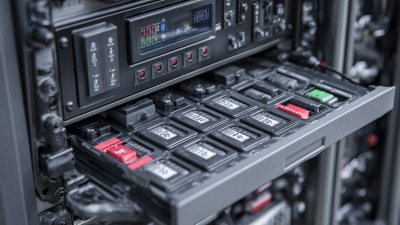
When it comes to energy storage, Battery Plates are pretty essential—they really influence how well batteries perform. Lately, I’ve noticed that the demand for top-notch battery parts is on the rise. The global market for Battery Plates is expected to grow quite a bit, mainly because more people are jumping into electric vehicles and renewable energy projects. Thanks to tech advancements, manufacturers are working hard to make their Battery Plates more efficient and longer-lasting.
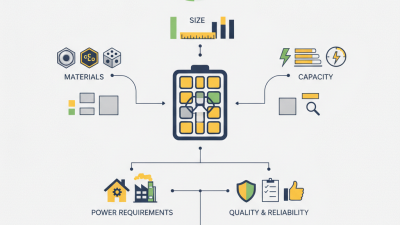
Picking the right Battery Plates can make a big difference in how your battery performs. High-quality plates usually mean better conductivity and less energy waste. But here’s the thing— not all Battery Plates are equal. Some might not hold up well under tough conditions, which can lead to poor performance. So, it’s really important to pay attention to things like the materials used and how the plates are designed before you buy.
There are tons of brands out there offering different options, but if you’ve ever read reviews, you’ll see that quality isn’t always consistent. It’s smart to do some homework and stick to trusted sources. As consumers, we really need to be aware of how crucial informed choices are — especially in this rapidly changing market. Unfortunately, some shady practices pop up, making it tricky to find truly reliable products. Taking the time to carefully choose the best Battery Plates isn’t just a good idea—it’s pretty much necessary if you’re serious about improving your energy setup.

Best Battery Plates Overview: Key Features and Benefits
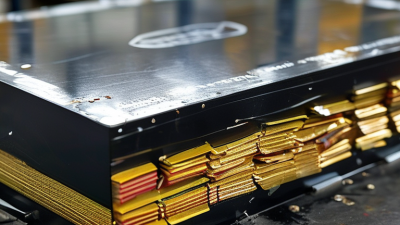
When searching for battery plates, it's essential to focus on key features and benefits. Battery plates come in various sizes and materials. Their main role is to enhance battery performance and longevity. Lead-acid batteries often utilize lead plates, while lithium variants may use different compounds. Understanding the differences can help you choose the right option.
Battery plates must withstand harsh conditions. Corrosion resistance is vital for durability. A good plate will resist wear and tear, ensuring efficient operation over time. Pay attention to the thickness of the plates as it influences both lifespan and efficiency. Thicker plates generally provide better performance but can increase weight.
Consider the manufacturing process too. Cast plates may offer better uniformity compared to stamped versions. It’s important to weigh the benefits of production methods against costs. A detailed evaluation of your needs may reveal gaps. Reflect on how much power and longevity you require. These factors are crucial for making an informed decision.
Types of Battery Plates: A Comprehensive Comparison
When choosing battery plates, understanding the types available is essential. The two most common types are lead-acid and lithium. Lead-acid plates are heavier and often more affordable. They have been the industry standard for years, but they can require maintenance. In comparison, lithium plates are lightweight, and they charge faster. However, they tend to be more expensive upfront, which can deter some buyers.
It’s vital to consider your specific needs. For deep-cycle applications, Power Lead Calcium Battery Plates may offer enhanced performance and longer lifespan. These plates are designed for renewable energy systems or electric vehicles. They provide superior conductivity, resulting in a more efficient energy transfer. However, they may not be suitable for all environments or budgets.
Both types have their pros and cons. Your choice should depend on factors like budget, usage frequency, and application. It's also essential to reflect on how each type of battery plate fits into your unique situation. Evaluating these characteristics will help you make a more informed decision, even if it feels daunting. Consider the long-term benefits versus short-term costs before purchasing.
Top Brands of Battery Plates: Review of Popular Choices
When choosing battery plates, understanding the market is essential. The battery plate industry has seen a 5% growth per year, according to industry reports. With advancements in technology, more efficient materials are becoming available. This is crucial for enhancing performance and lifespan of batteries.
Top brands often focus on Start-Stop Battery Plates. These plates are designed for vehicles with advanced fuel-saving systems. Vehicles equipped with this technology can benefit from specialized plates. However, not all plates are created equal. Some may not withstand extreme temperatures or have a shorter lifespan. User feedback highlights the importance of durability. Many consumers report frustrations with plates failing after short periods.
Reliable data suggests that consumers should prioritize efficiency and compatibility. Research indicates that improper integration can lead to performance issues. Users should thoroughly consider their vehicle requirements before making purchases. By leveraging expert evaluations, buyers can make informed decisions. Online reviews provide insights into long-term performance and user experiences. This feedback is critical in selecting the right start-stop battery plates for optimal performance.
Factors to Consider When Buying Battery Plates
When buying battery plates, it's vital to consider several factors. Battery plate quality significantly affects performance and lifespan. According to industry reports, about 40% of battery failures arise from poor plate design. This highlights the importance of selecting reliable materials that provide durability and efficiency.
Another key factor is plate thickness. Thicker plates can enhance battery longevity but may also add weight. Data from the International Energy Agency indicates that optimal thickness can improve energy density by up to 20%. However, thicker plates might lead to diminishing returns in some applications. Balance is crucial in the choice of Energy Storage Battery Plates.
Additionally, a proper understanding of your specific power needs is essential. Overestimating these needs could result in unnecessary expenses. Many users fail to accurately gauge the voltage requirements, which can lead to suboptimal charging cycles. Seeking advice from experts can help clarify these concerns, ensuring you make informed decisions. Regular reviews and updates in technology also play a role, as battery plate innovations evolve rapidly.
Installation and Maintenance Tips for Battery Plates
When it comes to battery plates, proper installation and maintenance are key to longevity and performance. Start by ensuring that the area is clean and dry. Dust and moisture can lead to corrosion or poor connections. Consider using a torque wrench to secure connections tightly. This prevents them from loosening over time, which can cause performance issues.
Regular maintenance is crucial. Check for signs of corrosion on terminals and clean them using a solution of baking soda and water. Dry the area thoroughly afterwards. Inspect the battery plates for any signs of wear or damage. Minor issues can often be corrected early, saving you from costly replacements later.
Over time, you may notice a decline in performance. This could be due to improper maintenance or environmental factors. Remember, even the best battery plates require attention. Track usage patterns to understand when your battery needs maintenance. Stay proactive to avoid sudden failures, ensuring reliability.
Environmental Impact of Battery Plates and Recycling Options
Battery plates play a crucial role in the performance of batteries, especially lead-acid types. Their environmental impact, however, raises significant concerns. When disposed of improperly, battery plates can leak toxic materials. This pollution can harm soil and water, affecting wildlife and human health. It's crucial to recognize the lifecycle of these products, from manufacturing to disposal.
Recycling options are available, addressing environmental concerns. Many facilities specialize in recovering materials from used battery plates. This process reduces waste and reclaims lead and other valuable resources. While recycling can minimize harm, it requires consumer awareness and participation. Many people are unaware of local recycling programs. Education on proper disposal methods is essential to promote sustainable practices.
The importance of establishing efficient recycling systems cannot be overstated. Communities should invest in accessible programs. Uncertainty surrounding recycling processes can discourage participation. Awareness campaigns can help bridge this gap. Relying on personal responsibility is not sufficient. The entire ecosystem benefits when consumers, manufacturers, and policymakers work together.
Future Trends in Battery Plate Technology for 2026
As we look towards 2026, battery plate technology is poised for significant advancements. This evolution will focus on enhancing energy efficiency and longevity. Innovations in materials are expected to improve the electrochemical reactions within battery plates. The aim is to reduce charging times and extend the overall lifespan of batteries. This shift will benefit various sectors, from automotive to renewable energy storage.
One notable area of development is the integration of smart features in battery plates. Such features will allow real-time monitoring of battery health and performance. Users could receive alerts about potential issues before they escalate. This predictive maintenance could enhance reliability and reduce unexpected failures. The collaboration between tech and battery manufacturers will be crucial in these advancements.
Despite the optimism, challenges remain. Not all technological innovations translate into practical solutions. The cost of new materials could hinder widespread adoption. Production scalability for advanced battery plates is another concern. Stakeholders must consider these factors when planning for the future. The integration of 0.6-1.1ah Start-Stop Battery Plates could lead to more sustainable practices. These developments reflect a growing recognition of the need for efficiency and reliability in battery technology.
Battery Plates Performance Comparison for 2026
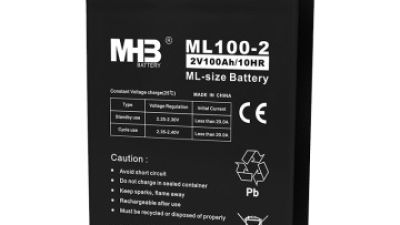
Comprehensive Guide to MHB ML100-2 2V 100Ah UPS Battery: Ideal Solution for Telecom Systems
The MHB ML100-2 2V 100Ah ups battery stands out as a prime solution for telecom systems, characterized by its high-capacity design and durability. With a capacity of 100Ah, this battery is ideal for a diverse range of applications, from small-scale telecom systems to expansive networks, ensuring efficient operation across various scenarios. According to industry data, the demand for reliable backup power solutions in telecommunications has surged, driven by the increasing reliance on uninterrupted services.
The 2V configuration of the MHB ML100-2 battery allows for seamless integration with existing setups, providing enhanced flexibility and scalability to accommodate specific power requirements. This adaptability is vital in the telecom sector, where systems must often evolve to meet growing demands. Furthermore, lead-acid batteries are known for their robustness, capable of enduring the continuous cycles of charging and discharging while maintaining performance. Reports indicate that the lifespan of high-quality lead-acid batteries can extend beyond 5-10 years, making them a cost-effective choice for telecom infrastructures that must remain operational during power outages.
These features are crucial as telecom companies increasingly face the challenges posed by environmental factors and increased electricity costs. The MHB ML100-2's durability ensures that essential communications technology remains functional even in adverse conditions, supporting the critical nature of telecommunications in today’s digital world. With the right power solutions, telecom providers can ensure service continuity, a requirement emphasized in recent studies highlighting the financial impacts of downtime in the sector.
FAQS
: Focus on efficiency, compatibility, and material quality to enhance battery performance and lifespan.
No, some plates may fail under extreme conditions, impacting their lifespan and performance.
It can lead to significant performance issues, affecting overall battery efficiency and effectiveness.
Improper disposal can result in toxic leakage, harming soil, water, and local wildlife.
Yes, many facilities specialize in recovering valuable materials from used plates, promoting environmental sustainability.
Lack of awareness can lead to improper disposal, worsening environmental harm caused by battery plates.
Innovations are expected to improve energy efficiency, longevity, and introduce smart monitoring features.
Yes, high costs could hinder the widespread adoption of new technologies in battery plates.
Communities must invest in accessible recycling programs to encourage consumer participation and responsibility.
Reading online reviews and expert evaluations can provide insights into long-term performance and user experiences.
Conclusion
The article "Best Battery Plates Reviews and Buying Guide 2026" provides a comprehensive overview of battery plates, detailing their key features and benefits that make them essential for various applications. It explores different types of battery plates, offering a thorough comparison to help users understand which options might suit their specific needs. The discussion includes popular brands that are currently leading the market, along with important factors to consider when making a purchase, such as durability, performance, and compatibility.
Additionally, the article emphasizes the importance of proper installation and maintenance to extend the lifespan of battery plates. It also addresses the environmental impact of battery plates, including sustainable recycling options. Lastly, the piece highlights future trends in battery plate technology as we move towards 2026, ensuring readers are informed about potential advancements that could enhance their functionality and efficiency. Now, consumers can make knowledgeable decisions regarding battery plates, ensuring they choose the best products for their requirements.