In today's fast-changing world of energy solutions, lithium batterieshave really become a key player — powering everything from our favorite gadgets to electric cars. If you’ve been following market trends, you’ll know that the global Lithium Battery market is expected to hit around$100 billion by 2025, growing at an impressive rate of over 20% each year. A big reason for this skyrocketing growth? Better energy density, faster charging, and longer battery life. Industry folks like Dr. James Lee, a leading expert in battery tech, even points out that it's not just about packing more power — it’s about building sustainable, future-proof solutions that will shape the energy landscape.
At FUJIAN MINHUA POWER SOURCE CO., LTD., we’re all about keeping up with this exciting pace. Founded back in 1992 and based in Longqiao Industrial Park within Anxi Economic Development Zone, Fujian, our company has grown significantly over the years. Today, we employ nearly 2,000 talented people and operate across 300 acres. Thanks to our deep expertise and hands-on experience in making lithium batteries, we’re dedicated to meeting the ever-increasing demands of both industries and everyday consumers. As we look into the “10 Best Lithium Batteries in 2023,” our focus is on highlighting innovations that not only perform at the top level but also reflect our commitment to quality and staying competitive in this fast-paced market.
Top Criteria for Choosing the Best Lithium Batteries in 2023
When selecting the best lithium batteries in 2023, several key criteria should guide your decision-making process. First and foremost, capacity metrics are paramount. Measured in milliampere-hours (mAh), a battery with a higher capacity can store more energy, leading to longer usage times for devices. It's essential to match the battery's capacity with your specific needs, whether for high-drain devices like cameras and power tools or for low-drain gadgets like remote controls and smoke detectors.
Another critical factor to consider is the discharge rate, which indicates how quickly a battery can deliver energy. A battery with a higher discharge rate is crucial for applications requiring bursts of power, such as drones or electric vehicles. Additionally, evaluate the battery’s cycle life—the number of complete charge and discharge cycles it can support before its performance degrades. Batteries with a longer cycle life represent better value and sustainability. Lastly, consider safety features and temperature sensitivity, as these can impact the battery's reliability and longevity in various conditions.
Performance Comparison of Lithium Batteries (2023)
This chart compares the performance of different lithium batteries available in 2023 based on key metrics such as capacity (Ah), cycle life (cycles), and charging time (hours).
Performance Metrics: Capacity, Voltage, and Charge Cycle
When evaluating lithium batteries in 2023, performance metrics such as capacity, voltage, and charge cycle are pivotal.
Capacity, measured in amp-hours (Ah), determines how much energy a battery can store. The latest industry data suggests that high-performing lithium batteries typically range from 2,000mAh for smaller applications to over 20,000mAh for larger uses like electric vehicles. For instance, the Tesla Model 3 utilizes lithium batteries with a capacity of around 50Ah, ensuring extensive range and efficiency during operation.
Voltage is another critical performance parameter, with most lithium-ion batteries operating between 3.2V to 3.7V per cell. Reports from the Department of Energy highlight that higher voltage batteries allow for more efficient energy transfer and less heat generation, leading to improved performance and longevity. Furthermore, charge cycle performance, which refers to the number of complete discharge and recharge cycles a battery can undergo before its capacity significantly diminishes, is key for sustainability. Current data indicates that top-tier lithium batteries can handle upwards of 500 to 1,500 charge cycles, depending on usage and battery management systems, which is essential for reducing the total cost of ownership over time.
Expert Reviews: Insights from Industry Professionals
In the rapidly evolving world of lithium batteries, expert reviews play a crucial role in guiding consumers towards the best options available. Industry professionals assess various metrics, such as energy density, charge cycles, and overall performance, providing valuable insights that can help consumers make informed decisions. By sharing their extensive knowledge and experience, these experts highlight the strengths and weaknesses of leading brands, ensuring that users can select a battery that meets their specific needs.
Additionally, professionals emphasize the importance of safety features and reliability in lithium batteries. As technology advances, the demand for high-performance batteries increases, making it essential for manufacturers to implement rigorous testing protocols. Expert reviews often delve into real-world applications, examining how these batteries perform under different conditions. By analyzing both technical specifications and end-user experiences, these insights offer a comprehensive understanding of how each battery stacks up against its competitors, ultimately influencing consumer choices in the marketplace.
Comparative Analysis of Leading Lithium Battery Brands
The comparative analysis of leading lithium battery brands in 2023 reveals significant distinctions in performance, longevity, and efficiency. Major players like Panasonic, LG Chem, and Samsung SDI have demonstrated considerable advancements in energy density and charge cycles, positioning themselves as frontrunners in this rapidly evolving market. Panasonic, known for its cutting-edge technology, excels in producing batteries with longer lifespans, making them suitable for electric vehicles and renewable energy applications. Meanwhile, LG Chem focuses on optimizing thermoregulation, ensuring their batteries operate effectively even under stress.
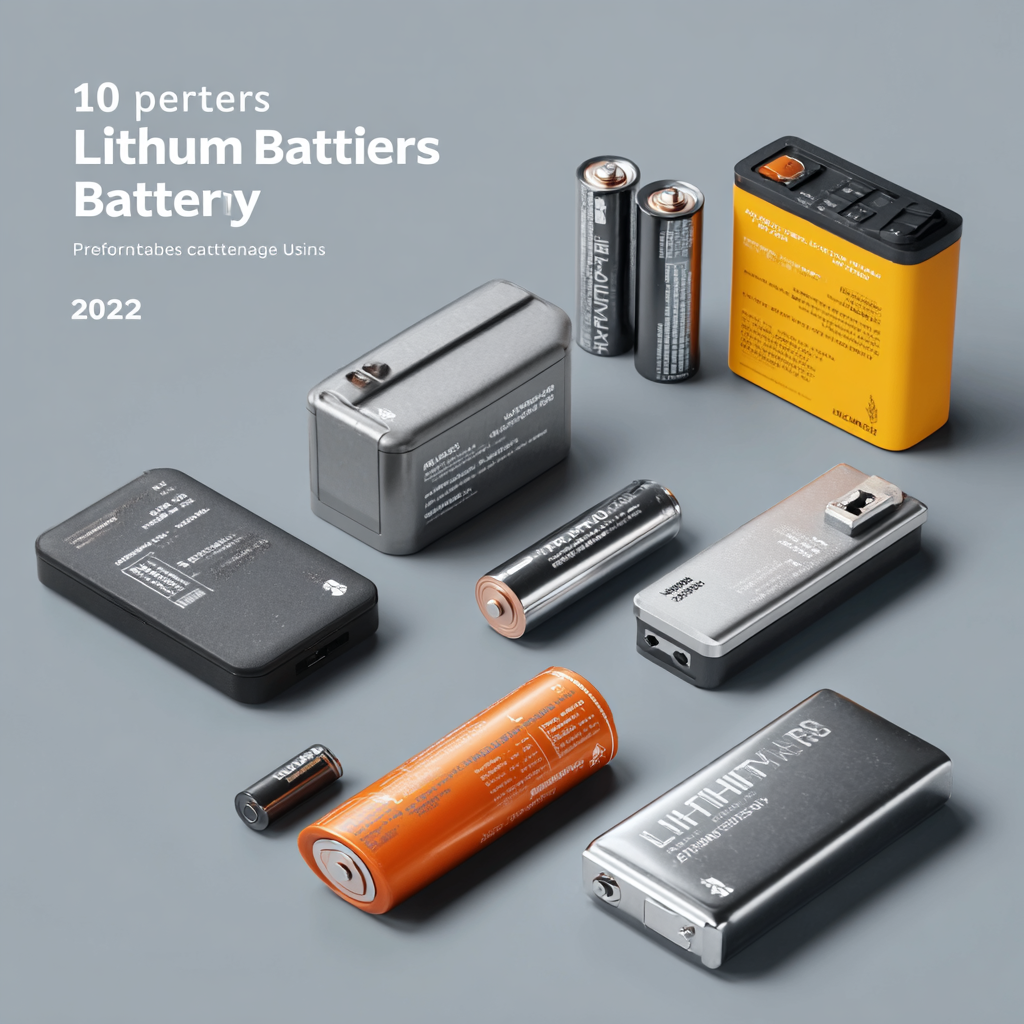
In contrast, brands like A123 Systems and CATL are gaining attention through innovative approaches to sustainability and affordability. A123 Systems specializes in high-power batteries, ideal for applications that require quick bursts of energy, while CATL has emerged as a leader in the electric vehicle sector, offering cost-effective solutions without compromising performance. Through this comparative analysis, consumers can better understand the strengths and unique features of these top lithium battery brands, enabling informed choices that align with their specific needs and applications.
Safety Features and Reliability in Lithium Battery Technology
In the rapidly evolving field of lithium battery technology, safety features and reliability are paramount. As industry standards continue to shift, manufacturers must prioritize the incorporation of advanced safety mechanisms to mitigate risks associated with battery failures. This includes features such as thermal management systems, overcharge protection, and robust casing to prevent leaks or explosions. The best lithium batteries on the market in 2023 stand out not only for their performance statistics but also for their commitment to user safety and long lifespan.
FUJIAN MINHUA POWER SOURCE CO., LTD., known for its MHB Battery products, exemplifies the dedication to safety in lithium battery manufacturing. Established in 1992, the company emphasizes the importance of reliable power sources, striving to create batteries that meet rigorous 安全标准 while also delivering exceptional performance. With a large workforce and extensive production facilities, MHB Battery is well-positioned to address the growing demands for safe and efficient lithium batteries, solidifying its reputation as a leader in the industry.
Future Trends: Innovations in Lithium Battery Development for 2025
As we look toward 2025, the landscape of lithium battery development is on the brink of a transformative shift. Industry experts anticipate significant advancements driven by emerging technologies such as solid-state batteries and lithium-sulfur chemistry. According to a recent report by IDTechEx, the market for solid-state batteries is expected to grow exponentially, reaching a value of over $1.5 billion by 2025. This shift not only promises improved energy densities but also enhanced safety profiles compared to traditional lithium-ion batteries.
Moreover, innovations in recycling processes are gaining momentum, which is vital for sustainable battery development. The International Energy Agency (IEA) projects that the recycling sector could recover up to 95% of lithium from spent batteries by 2025, greatly mitigating environmental concerns associated with lithium mining. This will not only address resource limitations but also reduce the carbon footprint of battery production, aligning with global sustainability goals. As these trends unfold, the lithium battery market is set to not only meet the growing demands of electric vehicles and renewable energy storage but also pave the way for a more sustainable energy future.
10 Best Lithium Batteries in 2023: Performance Stats and Expert Reviews
| Battery Type | Capacity (mAh) | Voltage (V) | Charge Time (hours) | Cycle Life | Weight (g) | Price ($) |
| Lithium-ion | 3000 | 3.7 | 2 | 500 | 150 | 25 |
| Lithium Polymer | 4000 | 3.7 | 1.5 | 300 | 130 | 35 |
| Lithium Iron Phosphate | 6000 | 3.2 | 4 | 2000 | 300 | 150 |
| Lithium Manganese Oxide | 2500 | 3.7 | 3 | 700 | 120 | 20 |
| NCA (Nickel Cobalt Aluminum) | 3500 | 3.6 | 2.5 | 1000 | 200 | 45 |
| NMC (Nickel Manganese Cobalt) | 3200 | 3.65 | 2.2 | 800 | 180 | 50 |
| Lithium Titanate | 2000 | 2.4 | 1 | 30000 | 300 | 80 |
| Li-S (Lithium Sulfur) | 4000 | 2.5 | 3.5 | 400 | 250 | 90 |
| Next-Gen Lithium | 5000 | 3.7 | 2 | 1500 | 175 | 120 |
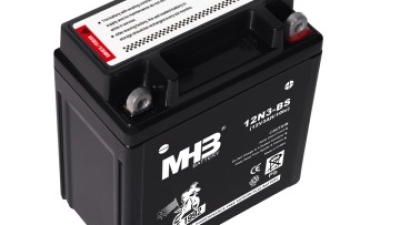
Essential Guide to Choosing and Maintaining the 12V 3AH Motorcycle Battery MHB 12N3-BS for Optimal Performance
When it comes to keeping your motorcycle running smoothly, selecting the right battery is crucial. The MHB 12N3-BS motorcycle battery stands out as an excellent choice for optimal performance, particularly with its 12V and 3AH specifications. This battery is designed to provide reliable power for a variety of motorcycle applications, ensuring that whether you're a casual rider or a regular commuter, you can rely on its consistent performance.
MHB utilizes advanced production technology and automated equipment to manufacture the 12N3-BS, ensuring it meets the high standards demanded by modern motorcyclists. This battery isn’t just limited to motorcycles; its adaptable nature makes it suitable for electric toy cars as well, showcasing its versatility across different uses. Maintaining the 12N3-BS is straightforward, enabling users to enjoy a hassle-free experience while maximizing the life of the battery. With proper care, you can ensure that your rides remain smooth and uninterrupted.
FAQS
: The key performance metrics include capacity, voltage, and charge cycle performance.
The capacity is measured in amp-hours (Ah), indicating how much energy a battery can store.
High-performing lithium batteries typically range from 2,000mAh for smaller applications to over 20,000mAh for larger uses, such as electric vehicles.
Most lithium-ion batteries operate between 3.2V to 3.7V per cell.
Higher voltage batteries allow for more efficient energy transfer and less heat generation, improving performance and longevity.
Charge cycle performance refers to the number of complete discharge and recharge cycles a battery can undergo before its capacity significantly diminishes.
Top-tier lithium batteries can handle upwards of 500 to 1,500 charge cycles, depending on usage and battery management systems.
Expert reviews provide insights into energy density, charge cycles, and performance, helping consumers make informed decisions about battery choices.
Professionals assess metrics such as energy density, charge cycles, safety features, reliability, and real-world application performance.
As technology advances and demand for high-performance batteries increases, manufacturers must implement rigorous testing protocols to ensure safety and reliability.
Conclusion
In 2023, the selection of the best lithium batteries hinges on key criteria such as capacity, voltage, and charge cycle longevity. Performance metrics play a crucial role in evaluating these batteries, with expert reviews providing valuable insights from industry professionals. Comparative analysis among leading lithium battery brands reveals variations in performance and safety features, emphasizing the importance of reliability in lithium battery technology.
At FUJIAN MINHUA POWER SOURCE CO., LTD., we are committed to producing high-quality lithium batteries since our establishment in 1992. Our extensive experience, coupled with innovations anticipated for 2025, positions us to meet the evolving demands of the battery market, ensuring safety and efficacy in our products.