Leave Your Message
0%

These days, the rechargeable battery industry is undergoing a real transformation, thanks to tech breakthroughs and a growing push for sustainable energy. A recent International Energy Agencyreport suggests global sales of Rechargeable Batteries will top6 billion units by 2025. That signals an urgent call for manufacturers to tackle common pain points—supply chain hiccups, evolving customer expectations, and stricter regulatory requirements.
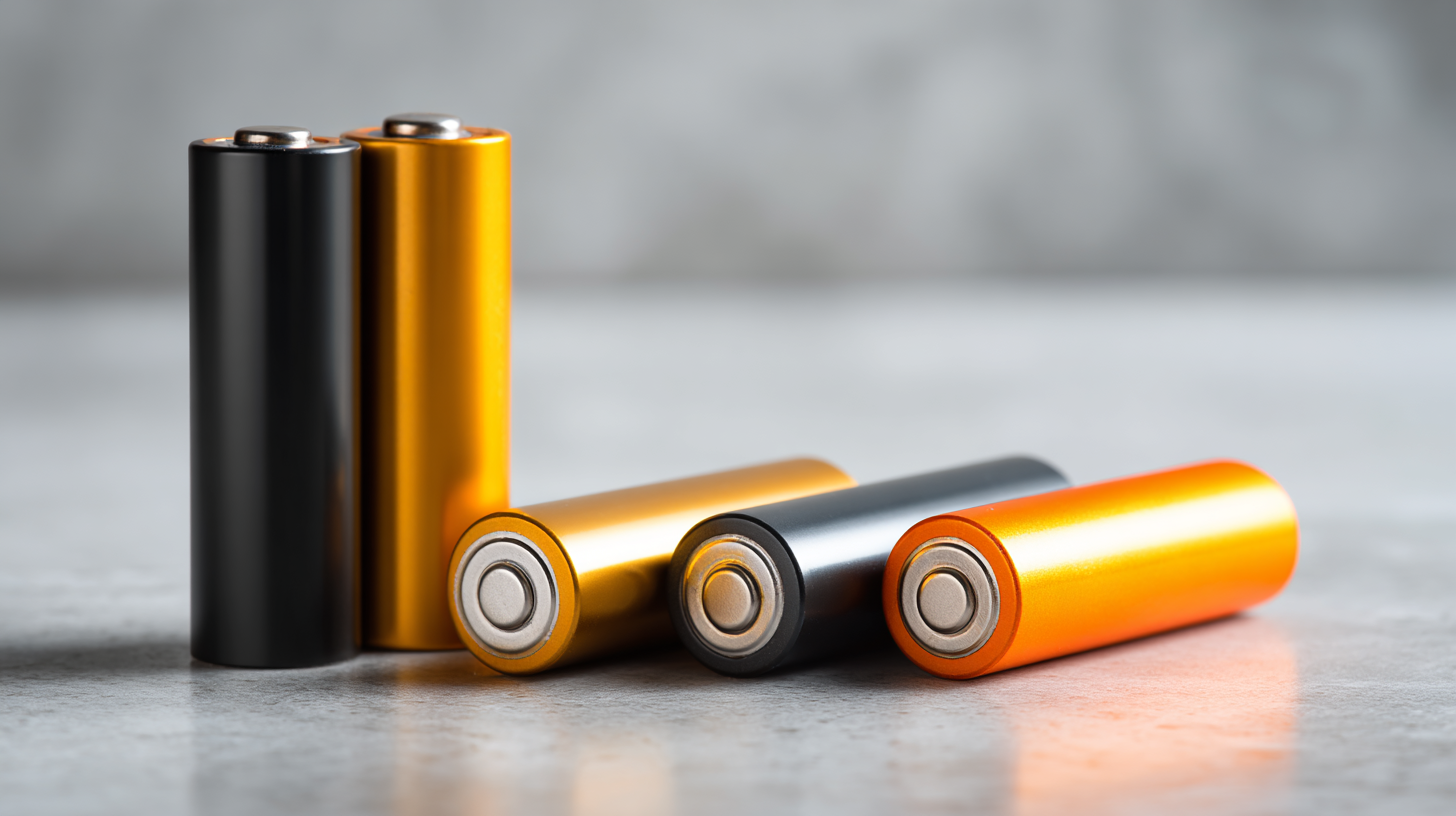
Common Challenges Faced by Manufacturers of the Best Rechargeable Battery

FUJIAN MINHUA POWER SOURCE CO., LTD., home to the MHB Battery brand, has been riding this wave with resilience and innovation since it started in1992. With nearly 2,000 employees and a sizable facility in the Longqiao Industrial Park, the company is well positioned to meet market demand while staying aligned with industry standards. As the industry navigates these headwinds, keeping up with the latest tech trends and adopting best practices will be key to thriving in the competitive rechargeable battery space.

Challenges in Ensuring Quality Standards in Battery Manufacturing

In the tough, fast-paced world of rechargeable battery manufacturing, keeping quality standards high isn't easy. From sourcing raw materials to final assembly, the process runs through multiple stages that demand tight quality control. Automation has become a real game changer here, helping plants run more smoothly while keeping traceability on point. With automation, producers can spot quality deviations quickly and adjust production lines in real time, speeding up time-to-market without letting quality slip.\n\nBut market demands keep shifting, and that means ongoing innovations in battery chemistry and construction. Balancing the push to ramp up production with the need to pioneer new tech is a dual challenge the industry is facing today. Companies are leaning more on big data to study quality metrics across the manufacturing chain, uncovering patterns that boost product integrity. And of course, sticking to internationally recognized standards like ISO 13485 is crucial for medical batteries, underscoring how essential solid quality management systems are in this ever-evolving sector.

Navigating Supply Chain Disruptions in the Battery Industry

Right now, navigating supply chain disruptions is one of the battery industry's biggest headaches for manufacturers. A recent International Energy Agency update confirms what many of us already feel—that demand for rechargeable batteries is on track to surge. By 2030, it's expected to be about four times higher, driven largely by more electric vehicles and bigger hopes for renewable energy storage. But the road isn’t without potholes: shortages of key materials and growing geopolitical tensions can slow production and push up costs. The bottom line? Manufacturers need solid strategies to blunt these risks and keep essentials like lithium, cobalt, and nickel flowing.

One practical move is to diversify the supply chain. If you build ties with multiple suppliers across different regions, you cut the impact of local disruptions. A 2022 McKinsey study found that diversified supply chains were about 30% more resilient during the pandemic. Another smart step is to lean into advanced inventory tech. Predictive analytics can sharpen demand forecasts, reducing the odds of stockouts or overproduction.

And finally, don’t overlook collaboration. Joining industry forums and partnerships can uncover emerging risks and help us cook up shared solutions. When companies work together, the whole rechargeable battery market gains more stability.

Innovations in Battery Technology and Their Impact on Production

Battery technology is moving fast, and it’s reshaping the landscape for anyone making rechargeable cells. Take Lithium Iron Phosphate, or LFP, batteries—these are leading the pack with better safety, more stability, and lower costs. That’s big news as companies race to meet the growing energy demands of electric vehicles while keeping manufacturing green and responsible. And places like Ontario are stepping up as serious players in nickel mining, a key ingredient for zero-carbon batteries, which helps smooth out the supply chain and supports eco-friendly practices.

Meanwhile, the race to own the battery market is heating up. Manufacturers have to scale up production but also keep pushing for new chemistries that push energy density and efficiency even further. It’s not just about meeting today’s demand; it’s about anticipating tomorrow’s needs and making sure the whole production process stays sustainable and economically viable. All this points to a world where global collaboration and ongoing innovation are essential to tackling industry challenges and driving toward a cleaner, more efficient energy future.

Common Challenges Faced by Manufacturers of the Best Rechargeable Battery

Addressing Environmental Regulations and Sustainability Practices

Manufacturers of rechargeable batteries are feeling growing pressure to follow tougher environmental rules and lean into more sustainable practices. As people around the world become more aware of environmental challenges, governments are rolling out stricter regulations to cut down the ecological footprint of battery production and disposal. The International Energy Agency (IEA) projects global demand for rechargeable batteries to surge—more than 30% a year on average—through 2030. With that kind of growth, manufacturers can’t afford to ignore sustainability; they’ve got to adopt responsible practices if they want to stay competitive and compliant.

Common Challenges Faced by Manufacturers of the Best Rechargeable Battery

One major hurdle is sourcing and recycling the raw materials. Cobalt, a key ingredient in many batteries, is mostly mined in places where labor practices raise ethical questions. The Responsible Cobalt Initiative notes that roughly 20% of cobalt is tied to artisanal mining, which brings significant social and environmental risks. By pursuing sustainable sourcing and building thorough recycling programs, manufacturers can shrink their ecological footprint and meet the rules. The Battery Association's guidelines point out that sustainable practices don't just reduce risk — they can also boost brand reputation, making environmental responsibility a priority for any battery maker.

Meeting Diverse Market Demands for Rechargeable Batteries

Meeting the diverse demands of the rechargeable battery market isn't a walk in the park for manufacturers. As tech keeps advancing, both consumers and industries want batteries that don't just perform better, but fit a range of applications—from smartphones and electric vehicles to renewable-energy storage. This surge in demand puts real pressure on companies to pour resources into research and development, making sure they can hit the specific targets for capacity, lifespan, and efficiency, all while navigating a shifting maze of regulations.

On top of that, balancing innovation with cost-effectiveness is crucial. Manufacturers need to streamline production to handle different battery chemistries while dealing with supply-chain headaches. Pushing for sustainable materials to meet environmental standards adds another hurdle, pushing firms to explore alternatives without compromising quality. Adapting to these market realities isn't just about tech breakthroughs; it also calls for smart partnerships and agile manufacturing to stay competitive in a fast-evolving sector.

Challenges Faced by Manufacturers of Rechargeable Batteries

This chart illustrates the common challenges faced by manufacturers in meeting diverse market demands for rechargeable batteries, focusing on key aspects such as cost, technology, environmental regulations, and competition.

Overcoming Competition: Strategies for Manufacturers to Stand Out

Manufacturers of rechargeable batteries are operating in a tougher, faster-changing landscape. The global market was about $110 billion in 2022 and is expected to top $203 billion by 2030, growing at roughly 8% a year, according to Fortune Business Insights. If you want to stand out in this crowded space, you've got to innovate and balance performance with sustainability.

Tip 1: Focus on advanced technology. Investing in R&D can seriously boost battery performance. Companies like Tesla have leaned into lithium iron phosphate (LFP) chemistry to deliver safer, longer-lasting cells. This kind of innovation not only makes products more appealing but also helps position a manufacturer as a benchmark in the industry.

Tip 2: Embrace sustainability. With more and more consumers seeking eco-friendly solutions, using sustainable materials and robust recycling practices can give you a real edge. The circular economy model, for example, can cut costs and boost your brand image, attracting environmentally conscious customers.

Incorporating these strategies won't just help you ride the wave of a fast-growing market; they can also help you craft a distinctive brand that's in tune with today's shoppers.

Maximizing Efficiency: An In-Depth Look at MHB 192V Commercial ESS High-Voltage Stackable Lithium-Ion Battery Solutions

In today's fast-paced world, the demand for efficient and durable energy solutions is at an all-time high. The MHB 192V Commercial ESS high-voltage stackable Lithium-Ion Battery solutions stand out as a premier choice for businesses and consumers alike. Utilizing advanced technology, these high-voltage lithium batteries significantly outperform traditional options by offering a higher voltage and enhanced energy density. With an upper charging voltage that can reach up to 4.4V, they provide superior energy storage capacity compared to the standard 4.2V lithium batteries.

The advantages of high-voltage lithium batteries extend beyond mere numbers. Their ability to store more power means longer run times for your devices, addressing the growing concerns around battery life in modern electronic products. As users increasingly expect longer standby times and operational longevity, the MHB 192V batteries rise to the occasion, ensuring that your devices remain powered when you need them the most. Companies can rely on these innovative battery solutions to meet their energy demands, paving the way for a more efficient and productive future.

FAQS

: What are the main challenges in ensuring quality standards in battery manufacturing?

: The main challenges include sourcing raw materials, maintaining rigorous quality management throughout production, and balancing the demands for innovation and high-quality production.

How does automation contribute to battery manufacturing quality?

Automation enhances operational efficiency and traceability, allowing manufacturers to respond quickly to quality deviations and optimize production lines in real-time.

Why is big data important in battery manufacturing?

Big data helps manufacturers examine quality metrics across the production process, aiding in identifying patterns and improving overall product integrity.

What standards are crucial for medical batteries?

Adherence to internationally recognized standards such as ISO 13485 is critical to ensuring that medical batteries meet stringent quality requirements.

What market trends are influencing the rechargeable battery industry?

The market is influenced by a growing demand for advanced technology and sustainability, with the rechargeable battery market projected to grow significantly in the coming years.

How can manufacturers enhance battery performance?

Manufacturers can invest in research and development, focusing on advanced technologies such as lithium iron phosphate (LFP) to improve battery safety and longevity.

What role does sustainability play in battery manufacturing?

Incorporating sustainable materials and recycling practices can give manufacturers a competitive edge, as consumer preferences increasingly favor eco-friendly solutions.

What is the projected growth rate of the rechargeable battery market?

The rechargeable battery market is projected to grow at a CAGR of around 8%, reaching over $203 billion by 2030.

How can companies establish a unique brand identity in the battery market?

By embracing innovative technologies and focusing on sustainable practices, manufacturers can resonate with modern consumers and differentiate themselves in a crowded market.

Why is ongoing innovation necessary in the battery sector?

Ongoing innovation is essential to keep pace with evolving market demands and to effectively balance production increases with new technological advancements.
Ethan

Ethan

Ethan is a dedicated marketing professional at Fujian Minhua Power Co., Ltd., where he leverages his extensive expertise in the power supply industry to drive brand awareness and customer engagement. With a strong focus on the company's revolutionary energy solutions, including advanced battery......
Previous How to Choose the Right Lithium Battery for Your Energy Storage Needs