Hey, have you noticed how everyone's really craving reliable energy storage lately? It's kinda crazy how much the demand is rising. One thing that's been getting a lot of attention is the UPS backup battery—those are super important when the power goes out, right? Companies like BYD and CATL are really leading the charge here, earning a reputation for pushing the boundaries with quality and innovation. But, honestly, with all this rapid growth, some questions start to pop up.
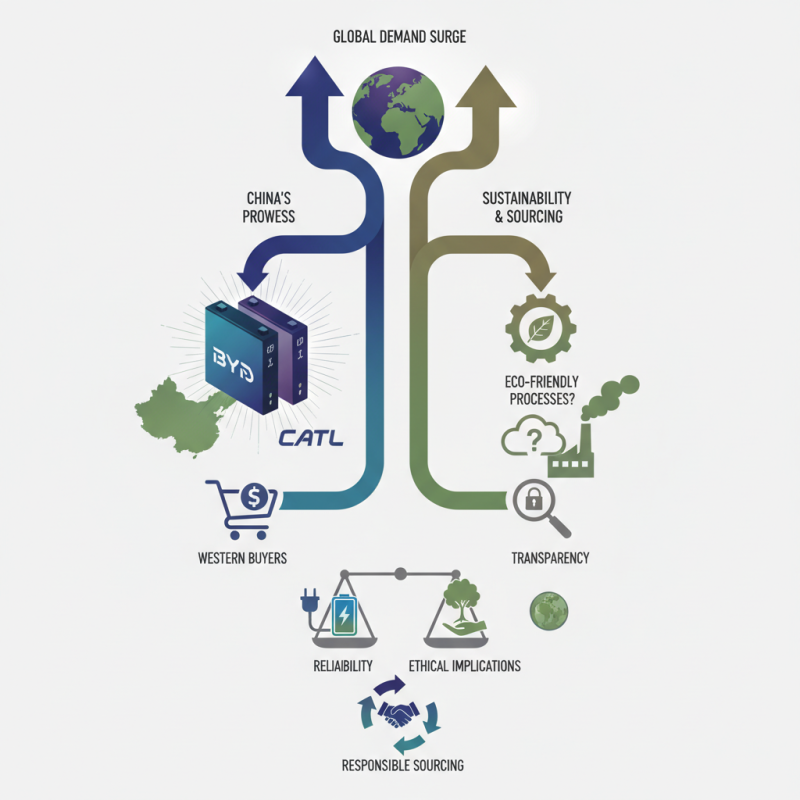
China’s got quite the edge when it comes to battery tech, so these companies are pretty much ruling the market. More and more, folks in the West are looking to them for high-capacity solutions, which makes sense. Still, there’s this nagging concern about sustainability and whether they’re sourcing materials responsibly. Are they really doing enough to keep things eco-friendly? Transparency is such a big deal — we need to know what’s going on behind the scenes.
As people decide which backup batteries to go with, they’ve gotta weigh the good against the bad. Sure, having a reliable power backup is a total lifesaver during outages, but it’s also worth thinking about the bigger picture — the ethics, the sourcing, the impact on our planet. If you find suppliers who are transparent and responsible, it’s kind of a win-win, right? Making smarter choices now could lead to a more sustainable future in energy, after all.
China is making notable strides in the global battery supply chain. Recent investments target sustainable practices and advanced technologies. These efforts strengthen China's position as a key player in the battery sector. By expanding production capabilities, the country aims to meet the rising demands from international markets.
One area of focus is on infrastructure for Battery Back Up Generators. These components are critical for energy storage solutions. However, the journey is not straightforward. Companies face challenges in sourcing materials. Environmental impact is another concern. Balancing profit with sustainability requires a thoughtful approach.
Strategic partnerships with foreign firms enhance China's reach. Collaboration on research and development drives innovation. Yet, there are questions about long-term reliability. Will these partnerships remain stable? As global demand grows, firms must ensure resilience in their supply chains. Ultimately, success hinges on the ability to adapt to changing market dynamics.
The rise of Chinese battery suppliers is transforming the global renewable energy landscape. In 2022, China controlled over 75% of the global Lithium-Ion Battery production market. This shift significantly influences costs and technologies. Many countries are seeking reliable battery partners. China's supply capacity is robust, but concerns about quality and environmental practices persist.
Research indicates China’s leading manufacturers are ramping up investments in technology. They are focusing on sustainable practices and recycling processes. Reports show that by 2025, the global battery market will reach $100 billion. Chinese companies are expected to capture a larger share, driving competition. The question arises: Can they maintain their momentum amid scrutiny?
Navigating the complexities of this industry is challenging. Chinese suppliers face increasing pressure to improve ethics and transparency. In pursuit of innovation, there are risks of overlooking broader issues. Stakeholders need to weigh productivity against sustainability and ethics. The growth of Chinese battery suppliers is a double-edged sword, promising advances while demanding reflection on their practices.
China's battery manufacturing capacity is expanding rapidly. Recent industry reports indicate that China's lithium-ion battery production is set to increase by 30% annually, reaching over 1,000 GWh by 2025. This growth is primarily driven by rising global demand for electric vehicles (EVs) and renewable energy storage solutions. As the world shifts towards greener technologies, China's manufacturers are poised to meet this demand.
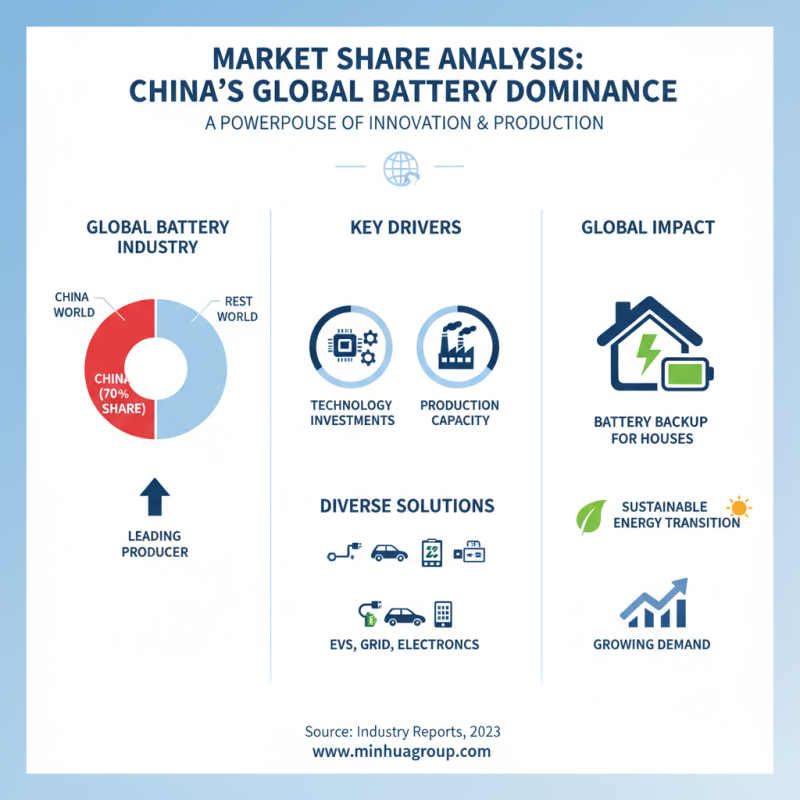
The expansion also reflects strategic investments from the Chinese government. By 2022, China's battery production accounted for over 70% of the global market. Analysts forecast that this dominance will continue, with many suppliers developing advanced technologies to enhance battery efficiency and lifespan. The focus on R&D is essential; however, there are challenges. Supply chain disruptions and raw material shortages can hinder this growth.
Tip: Stay informed about market trends. Understanding the dynamics of battery supply can help. It's crucial to watch for potential shortages in lithium and cobalt.
Competition is fierce, not only within China but also globally. Countries around the world are ramping up their battery production efforts. This could lead to a more balanced market, which might impact Chinese suppliers. While they are well-positioned, staying agile is necessary to adapt to market changes.
China has emerged as a dominant player in the global battery industry. Its position is driven by significant investments in technology and production capabilities. Chinese firms have focused on developing battery solutions that cater to diverse needs, including Battery Back Up For Houses. This trend aligns with the growing demand for sustainable energy sources.
The competition in the battery market is fierce. Many countries rely on Chinese suppliers to meet their energy storage needs. However, concerns about over-reliance on a single market highlight the need for diversification. As global buyers seek stability, they often reflect on the implications of their choices.
While China excels in production, quality control remains a pressing issue. Buyers must scrutinize standards and processes used by suppliers. The complexity of the supply chain can create uncertainties, making it crucial for global buyers to assess their relationships with Chinese companies. This ongoing monitoring is essential for maintaining a reliable battery supply.
China plays a critical role in the evolution of battery technology. Over recent years, significant innovations have emerged from Chinese suppliers. Their capacity to produce effective energy storage solutions has caught the attention of global buyers. These advancements are not just in the realms of efficiency but also in sustainability. The focus on reducing carbon footprints aligns with an increasingly eco-conscious market.
In the pursuit of reliable energy solutions, companies worldwide are looking toward China for robust House Back Up Battery options. While innovation is evident, challenges remain in balancing cost and performance. The rapid pace of technological change can sometimes undermine quality control. Buyers need to approach these choices carefully, weighing both technological advancements and their long-term implications.
Investments in research and development are on the rise in China. This trend indicates a commitment to evolving battery technologies. However, collaboration and transparency between Chinese suppliers and international buyers are essential. Buyers should remain vigilant and informed about the evolving landscape. Understanding these dynamics is vital as electric vehicles and renewable energy applications grow.
China's recent policies are reshaping the global battery supply landscape. Stricter regulations and a focus on local production aim to boost domestic suppliers. This push raises questions about the reliance of international companies on Chinese-made components. Many businesses are recalibrating their supply chains in response.
As China promotes local battery manufacturers, global buyers must adapt. Sourcing from alternative regions is becoming more crucial. This transition can be challenging. Suppliers outside China may not yet have the same capacity or technology. Additionally, the costs involved can vary significantly.
International firms must navigate these dynamics carefully. They must weigh reliability against cost. Potential supply disruptions could also arise, leading to delays. It’s vital to establish strong partnerships with diverse suppliers. This diversification might take time, but it is essential for long-term stability. The evolving regulatory environment in China adds layers of complexity. Companies need constant reassessment to ensure their strategies align with these changes.
The competitive landscape of battery suppliers is evolving rapidly. Chinese manufacturers continue to gain traction in the global market. They offer affordable pricing, which attracts many buyers. The focus on mass production leads to significant economies of scale. This often gives Chinese producers an edge. However, concerns remain about quality control and long-term reliability.
Non-Chinese suppliers emphasize rigorous testing and high-quality materials. They often cater to niches where performance is critical. These companies have built a reputation over decades. Buyers of "Back Up Battery For House" solutions may prioritize these trusted brands. While cost-effective options exist, the question of durability is crucial.
Many buyers struggle with balancing cost and reliability. The market trends show an increase in demand for batteries with robust performance. As Chinese suppliers improve their offerings, the gap may narrow. However, the need for thorough vetting remains. Buyers should analyze their specific needs carefully. They must weigh the advantages of affordability against potential risks.
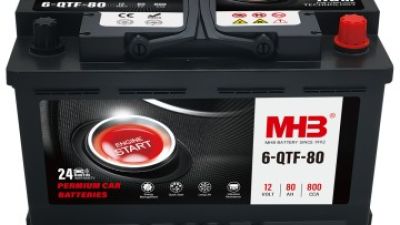
The MHB 6-QTF-80 car battery stands out in the automotive industry, boasting impressive specifications that meet international standards for capacity, voltage, and size. This 12V 80AH battery is meticulously designed to cater to a wide range of vehicles, from small cars to powerful SUVs, ensuring a seamless power supply for various in-vehicle electronic devices. Its versatility makes it a reliable choice for drivers seeking performance without compromise.
With a strong emphasis on quality, the MHB 6-QTF-80 is shipped directly from the factory, allowing for better control over production standards and maintaining high levels of reliability. Coupled with a comprehensive after-sales service system, users can trust in the battery's performance and durability. By prioritizing customer satisfaction and enhancing brand credibility through quality products, the MHB 6-QTF-80 not only meets but exceeds the expectations of drivers looking for a dependable power source in their vehicles.
: Rising global demand for electric vehicles and renewable energy is driving this expansion.
China's lithium-ion battery production is expected to grow by 30% annually, reaching over 1,000 GWh.
By 2022, China's battery production accounted for over 70% of the global market.
Supply chain disruptions and raw material shortages can hinder the growth of the battery industry.
Understanding market dynamics helps in anticipating potential shortages of key materials like lithium and cobalt.
Competition is intense, both within China and globally, impacting the market dynamics and supplier positions.
Quality control issues exist, and buyers need to scrutinize suppliers to ensure reliable battery standards.
Ongoing monitoring and assessment of supplier relationships are crucial to maintain a reliable battery supply.
Chinese firms aim to develop diverse battery solutions that align with the demand for sustainable energy sources.
Buyers should reflect on the implications of over-reliance on a single market for their energy storage needs.
China has been making significant strategic investments in battery supply chains, positioning itself as a key player for global buyers looking for reliable battery sources. The rise of Chinese battery suppliers is evident in the expanding global renewable energy sector, driven by key factors such as technological advancements and increased manufacturing capabilities. With a growing market share, China is cementing its role in the battery industry, demonstrating its capacity to "Ups Back Up Battery" solutions for various applications.
In addition to its manufacturing prowess, China's policies are shaping the dynamics of global battery supply, promoting innovations that set the stage for future trends in battery technology. A comparative analysis of Chinese and non-Chinese battery suppliers reveals the competitive landscape they inhabit, with China's unique advantages paving the way for continued growth and influence in the international market. As the sector evolves, China's commitment to enhancing its capabilities will likely keep it at the forefront of the global battery industry.