Picking the right Inverter Battery Backup is pretty important, especially if you want to keep your home running smoothly during power outages. As John Smith from Power Solutions put it, “Getting the right battery can literally be the difference between chaos and maintaining your sanity.”
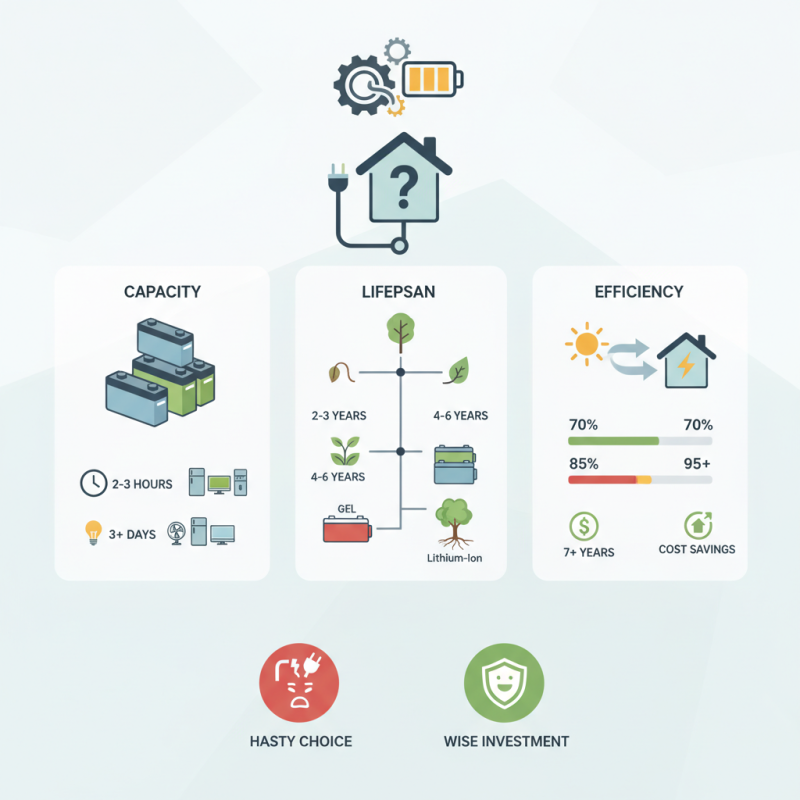
A lot of folks tend to overlook this part or just go for the cheapest option out there. But that’s often a mistake, because it might end up failing when you need it most. A good Inverter Battery backup isn’t just about the price — you want it to have a good balance of capacity, lifespan, and efficiency.
Take a moment to think about what *you* actually need. Are you just looking for a couple of hours of backup, or do you need it to last for days? Also, check out how much power your appliances require — those details really matter. Rushing into a decision without doing a bit of homework might leave you regretting it later. Spending some time researching really pays off — it ensures your power stays on when you need it most, without surprises.
So yeah, choose wisely, and you'll be much happier when the lights stay on even during a blackout.
Understanding Your Power Needs and Usage Patterns
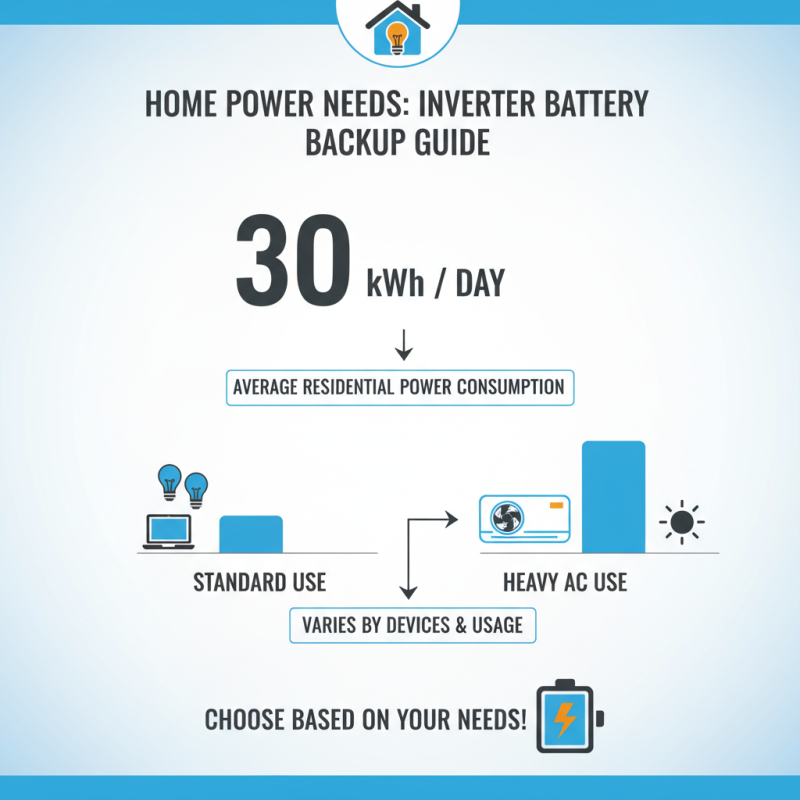
When choosing an inverter battery backup, understanding your power needs is crucial. Data shows that residential power consumption averages about 30 kWh daily. This varies based on the number of devices and usage patterns in your home. For example, heavy users of air conditioning may require more energy than average.
Consider the appliances you rely on during outages. A basic refrigerator needs around 200-500 watts. If lights, fans, and electronics are also added, total wattage can quickly become significant. Many households overlook these calculations, leading to inadequate backup solutions. An often underestimated factor is the duration of outages. In regions prone to frequent blackouts, a longer-lasting battery may be necessary.
Your usage patterns should also influence the battery capacity you select. If your power needs are consistently high, consider a battery with at least 200 Ah capacity. However, if your needs fluctuate, a smaller setup may suffice. This is an opportunity for careful reflection. Many users fail to assess their needs accurately and end up disappointed when their system can’t meet their demands. Taking time to analyze both your power consumption and outage frequency can save you from this regret.
Key Factors to Consider in Inverter Battery Capacity
Choosing the right inverter battery backup is essential for your energy needs. Understanding the capacity of the inverter battery is crucial. The capacity directly influences how long your devices will run during an outage. A higher capacity means more power, but it also means higher costs.
When selecting an inverter battery, think about your energy consumption. Calculate the total wattage of devices you need to run. This helps determine the capacity you require. Keep in mind that an Inverter Battery Solar setup may need more capacity for extended use. Evaluate how often you use heavy appliances. If they run often, a larger capacity is necessary.
**Tips:** Always opt for a reliable brand, but that doesn’t mean you need to overspend. Compare available options and read reviews. It's worth it to take your time. ContemPlate how many hours you need backup power. Not all situations require maximum capacity. Sometimes less is more, especially if you're on a budget. Selecting the perfect inverter battery takes thought. Consider long-term use and replacement costs too.
Types of Inverter Batteries and Their Advantages
When selecting the right inverter battery, it's crucial to understand different types and their benefits. Flooded lead-acid batteries are common. They work well for home use and are cost-effective. However, they require regular maintenance. Keep the electrolyte levels in check.
Sealed lead-acid batteries, known as SLA batteries, are maintenance-free. They are convenient, but slightly pricier. Ideal for tight spaces, they fit well in various setups. Their resistance to spills adds to their appeal. If you're looking for reliability and ease, consider them.
Lithium-ion batteries are gaining popularity. They last longer and charge faster than traditional options. However, their higher initial cost can be a barrier. Think about your long-term energy needs before deciding.
Tips: Always assess your power requirements. Calculate daily usage before making a choice. Consider the lifespan of the battery. A more expensive option may save money in the long run. Don’t overlook the warranty – it reflects durability.
Selecting the right Home Inverter Power Battery means balancing cost and performance. Ask yourself if you can handle maintenance tasks. Make sure the battery fits your lifestyle and power needs.
Evaluating Lifespan and Maintenance Requirements
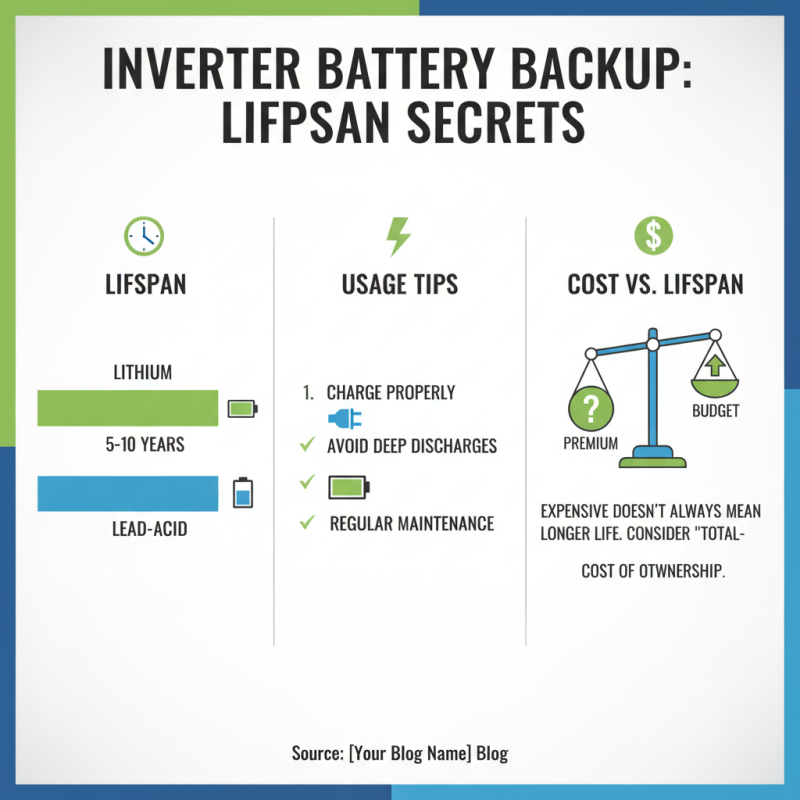
When choosing an inverter battery backup, lifespan is crucial. A longer lifespan means less frequent replacements. Most inverter lithium batteries last between five to ten years. However, this can vary based on usage. Proper charging habits can extend battery life significantly. Overspending on premium versions isn't always wise. Sometimes, they don't outlast budget options.
Maintenance is another key factor. Regular checks can prevent unexpected issues. For many, the thought of upkeep feels burdensome. Some might overlook simple tasks like cleaning terminals. Neglecting regular inspections can shorten battery life. Moreover, understanding how temperature affects battery performance is essential. Extreme heat or cold can reduce efficiency.
In summary, weigh lifespan and maintenance when selecting your Inverter Lithium Battery. These elements directly impact your long-term satisfaction. Look for batteries that fit your usage habits. Adjust your maintenance approach to ensure the best performance.
Assessing Compatibility with Inverter Systems
When selecting an inverter battery backup, compatibility with the inverter system is vital. Understanding this relationship will ensure that the battery performs optimally. A study by the International Energy Agency shows that mismatched systems can lead to significant energy losses. For instance, a battery with a mismatched voltage can cause inefficiencies, ultimately impacting performance.
The capacity of the battery should also align with the inverter's capability. Consider that a 1000W inverter needs a battery capable of supporting this load. Most systems recommend a battery capacity of at least twice the inverter rating to avoid overloading. Experts suggest reviewing your power usage patterns to guide your selection.
Tips: Always check the specifications of both the battery and the inverter. Look for compatibility in voltage and current ratings. Measure your typical energy needs accurately. Avoid guessing; this can lead to choosing the wrong product.
Understanding these elements helps avoid potential pitfalls. Being aware of compatibility can flatten a learning curve. Ultimately, the wrong choice can lead to frustration and unexpected costs.
Budgeting for Inverter Battery Options
Budgeting for an inverter battery can be challenging. Different factors influence the cost, and understanding them is essential. First, consider your power needs. Calculate how much energy your essential appliances consume. This will guide you in selecting the right battery capacity.
Next, think about the lifespan of the battery. Cheaper options might not last as long. Sometimes, investing a bit more can result in better value over time. Maintenance costs are also important. Some batteries require more upkeep than others, which adds to the overall budget.
Don’t forget about installation costs. If you hire a professional, it can increase your expenses. However, DIY installation can save money if you have the skills. Always ensure safety during installation. Reflecting on your actual needs versus wants can also help you stick to your budget more effectively.
How to Choose the Best Inverter Battery Backup for Your Needs? - Budgeting for Inverter Battery Options
| Battery Type | Capacity (Ah) | Voltage (V) | Expected Life (Years) | Price Range (USD) | Best Use Case |
| Flooded Lead-Acid | 100 | 12 | 3-5 | $100 - $150 | General Home Use |
| AGM (Absorbent Glass Mat) | 120 | 12 | 4-7 | $150 - $250 | Solar Systems & Backup |
| Gel Battery | 90 | 12 | 5-8 | $120 - $200 | Extreme Weather Conditions |
| Lithium-Ion | 150 | 12 | 10-15 | $500 - $800 | High-Efficiency Systems |
| Nickel-Cadmium | 80 | 12 | 15-20 | $300 - $500 | Long Life Applications |
Comparing Brands and Warranty Offers for Reliability
When choosing an Inverter Battery backup, understanding warranty offers is crucial. Many brands provide warranties ranging from one to five years. A longer warranty often indicates a company’s confidence in its product. For instance, data shows that batteries with extended warranties can have fewer reliability issues. Reliability is key in ensuring that your inverter battery serves its purpose when needed.
It is also essential to consider the brand's reputation. According to a recent industry report, 70% of users prioritize brand reliability over other factors. This highlights the importance of consumer feedback. A battery with poor reviews may lead to unexpected failures. Inverter batteries should be tested under various conditions to ensure performance. Shortcomings in performance often surface in extreme temperatures.
Additionally, understand the terms of the warranty. Some warranties cover only certain types of failures. A comprehensive warranty can safeguard your investment. Check the specifics before making a decision. Not all batteries will perform well under stress, so extra caution is necessary. This reflection can help prevent future disappointments with your inverter battery choice.
Inverter Battery Backup Capacity Comparison
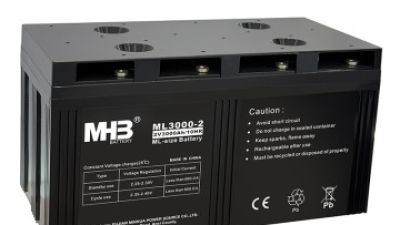
Comprehensive Guide to the 2V 3000AH Battery MHB ML3000-2: Enhancing Energy Systems Efficiency
The MHB ML3000-2 battery represents a significant advancement in the realm of energy storage, particularly due to its impressive 2V, 3000AH capacity. This high-capacity design makes it an ideal choice for various applications, such as communication base stations, energy storage systems, and critical medical equipment. According to industry reports, the growing demand for reliable and efficient energy storage solutions in the telecommunications and healthcare sectors has driven innovation in battery technology, making batteries like the ML3000-2 increasingly important.
One of the standout features of the MHB ML3000-2 is its lead paste composition, which employs a quaternary alloy high-temperature curing process. This not only enhances the battery's durability but also improves its overall efficiency and longevity. Data from energy storage research indicate that effective battery composition can significantly extend the lifecycle of energy systems, reflecting in more sustainable operational costs over time. In stationary applications, the ability to maintain performance under varying load conditions is crucial, further validating the effectiveness of the ML3000-2.
Furthermore, the advancements in battery technology have shown that when paired with energy management systems, batteries like the ML3000-2 can optimize energy distribution, thereby enhancing the efficiency of entire energy systems. As industries increasingly pivot toward sustainable practices, the deployment of robust and efficient energy storage solutions such as the MHB ML3000-2 will play a pivotal role in supporting this transformation, facilitating enhanced energy efficiency and reliability across multiple sectors.
FAQS
: This product aims to enhance your everyday experience. It increases convenience and offers unique features for users.
Start by reading the instructions carefully. Familiarize yourself with all functions. Practice will improve your skills.
Yes, a warranty is usually included. Ensure you understand the terms and conditions that apply.
Regular cleaning is essential. Follow the maintenance tips provided. Neglecting this can lead to performance issues.
Returns are usually accepted within a specified period. Check the return policy for details on conditions.
Yes, always follow safety guidelines while using the product. Ignoring them can result in accidents or malfunctions.
Troubleshoot by checking the user manual. If issues persist, consider reaching out for support.
It is designed for a wide audience, but some features may not suit everyone. Evaluate your needs before purchasing.
While it offers unique features, there might be limitations. Personal preferences play a significant role in satisfaction.
Upgrades may be available over time. Stay informed about software updates or hardware enhancements.
Conclusion
Choosing the best Inverter Battery Backup requires a clear understanding of your power needs and usage patterns. It is essential to evaluate the capacity of the battery in relation to your specific requirements and consider key factors such as the types of inverter batteries available, each offering distinct advantages. Additionally, assessing the lifespan and maintenance requirements of the batteries will help in selecting a reliable option.
Compatibility with your existing inverter system is another crucial aspect to consider alongside budgeting for various inverter battery options. Finally, comparing brands and their warranty offers can provide insights into the reliability of the battery, ensuring that your investment is well protected. By thoroughly considering these factors, you can make an informed decision on the ideal inverter battery backup for your needs.