As more folks are looking for eco-friendly and budget-friendly energy options, Rechargeable Batteries are becoming pretty much a go-to for both consumers and businesses. According to a report from Allied Market Research, the global market for rechargeable batteries could hit $100 billion by 2026. That’s mainly because of advances in tech and more emphasis on switching to sustainable energy sources. With so many devices—from smartphones to electric cars—out there, it’s super important to know how to pick the right rechargeable battery for whatever you need.
These batteries are great because they’re efficient and good for the planet, helping cut down on electronic waste. In fact, a study by the International Energy Agency says using rechargeable batteries can slash greenhouse gas emissions by up to 20% compared to traditional ones. That said, with all the types out there—like lithium-ion, nickel-metal hydride, and lead-acid—it can get pretty overwhelming. So, it’s a good idea to look at things like capacity, how long they last, and whether they’re compatible with your gadgets before making a choice.
All in all, picking the right rechargeable battery isn’t just about making your devices perform better; it’s also about doing your part for the environment. The market’s growing fast, and with new innovations on the horizon, it pays to educate yourself so you can navigate this ever-changing scene without a hitch.

Understanding Different Types of Rechargeable Batteries Available
When selecting the best rechargeable battery for your devices, it's essential to understand the different types available on the market. The most common types include nickel-metal hydride (NiMH), lithium-ion (Li-ion), and lithium polymer (LiPo) batteries. Each type has its unique characteristics, making them suitable for various applications.
NiMH batteries are popular for household devices due to their affordability and capability to handle moderate power loads. They have a decent capacity, can be recharged multiple times, and are considered more environmentally friendly than their counterparts.
On the other hand, lithium-ion batteries are well-known for their high energy density and lightweight design. This makes them an excellent choice for portable electronics, such as smartphones and laptops. They generally have a longer lifespan and charge faster compared to NiMH batteries.
Lithium polymer batteries, a subcategory of Li-ion technology, are known for their flexibility in size and shape, making them ideal for devices with specific form factors, such as drones and wearables. Understanding these distinctions will help you make an informed decision tailored to your device's requirements.
Factors to Consider When Choosing a Rechargeable Battery
When selecting a rechargeable battery for your devices, there are several important factors to consider to ensure optimal performance and longevity. First, consider the battery capacity, measured in milliamp hours (mAh), which indicates how much energy the battery can store. A higher mAh rating generally means longer usage time between charges, making it crucial for power-hungry devices such as cameras or gaming controllers.
Another key factor is the battery chemistry, with the most common types being nickel-metal hydride (NiMH) and lithium-ion (Li-ion). NiMH batteries are known for their reliability and affordability, while Li-ion batteries are favored for their lightweight nature and rapid charging capabilities. Understanding the specific requirements of your devices can help you choose the appropriate chemistry that aligns with your needs.
**Tips:** Always check the voltage requirements of your devices and ensure the battery matches these specifications for safe operation. Regularly cycling your rechargeable batteries by fully discharging and then recharging can extend their lifespan. Lastly, consider investing in a smart charger that can optimize the charging process and provide useful maintenance features.
Battery Capacity Comparison
Assessing Battery Capacity: mAh and Its Importance
When selecting the best rechargeable battery for your devices, understanding battery capacity is crucial. Measured in milliamp hours (mAh), battery capacity determines how much energy the battery can store and how long it can power your device. According to industry standards, a higher mAh rating typically indicates a longer usage time between charges. For example, a battery rated at 2000 mAh can provide approximately twice the power supply of a 1000 mAh battery, making it vital to assess your device’s power requirements before making a selection.
Recent research from battery technology reports highlights the importance of selecting a battery with the appropriate capacity for your needs. Devices that demand high power, such as digital cameras, may require batteries with capacities exceeding 2500 mAh, while smaller gadgets like remote controls may only necessitate capacities around 500 mAh. Notably, the differences in rechargeable battery types also play a role in capacity efficiency. Lithium-ion batteries, for instance, offer higher energy densities compared to nickel-metal hydride batteries, meaning they can store more energy in a smaller package. This data helps consumers make informed decisions when choosing batteries, ensuring optimal performance and longevity for their devices.
Evaluating Charging Cycles and Lifespan of Batteries
When choosing a rechargeable battery for your devices, understanding the charging cycles and lifespan is crucial for optimal performance and longevity. Charging cycles refer to the number of times a battery can be fully charged and discharged before its capacity significantly diminishes. Typically, a higher number of charging cycles indicates a longer lifespan, allowing you to use the battery effectively over a more extended period. It is essential to consider how frequently you will use the device, as this will impact the overall value and efficiency of the battery chosen.
Additionally, the lifespan of a rechargeable battery is influenced by several factors, including storage conditions, charge levels, and usage patterns. Batteries generally experience the most degradation when frequently stored at high charge levels or in extreme temperatures. Therefore, to maximize lifespan, it is advisable to store batteries in a cool environment and maintain them at a moderate charge level rather than leaving them fully charged for extended periods. By evaluating these aspects, you can select a rechargeable battery that not only meets the power demands of your devices but also lasts longer, helping reduce waste and save on future replacement costs.
Compatibility: Ensuring Batteries Fit Your Devices
When selecting a rechargeable battery for your devices, compatibility is paramount. Not all batteries are created equal, and finding a battery that fits your specific device is crucial for optimal performance. Start by reviewing your device’s manual or specifications to determine the required battery type, size, and voltage. This step ensures that the battery you choose will not only physically fit within the device but will also supply the correct amount of power, preventing potential damage caused by mismatched specifications.
Beyond size and type, consider the chemistry of the battery. Different devices may operate best with certain battery chemistries, such as lithium-ion or nickel-metal hydride. These chemistries can affect the battery's longevity, recharge cycles, and overall efficiency. Additionally, confirming whether your device has any specific requirements for battery brands or models can aid in making an informed choice. Adhering to these compatibility guidelines will enhance your device’s performance and longevity, ensuring you get the most out of your rechargeable battery investment.
Safety Features: Protecting Your Devices and Yourself
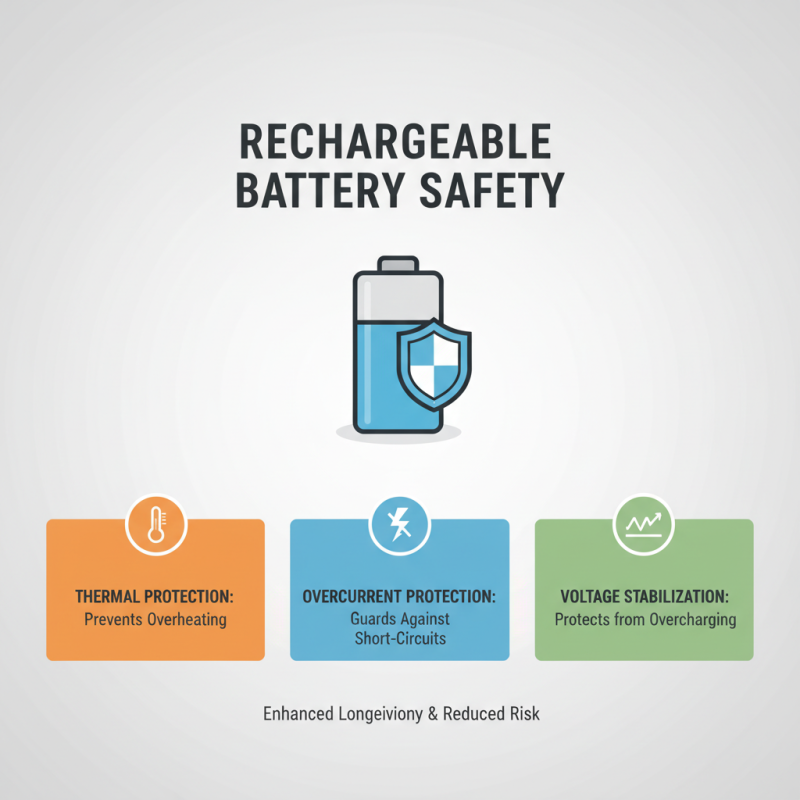
When selecting a rechargeable battery for your devices, safety features should be a top priority. A high-quality rechargeable battery incorporates multiple layers of protection, safeguarding both the battery and your devices from potential hazards such as overheating, short-circuiting, and overcharging. Look for batteries that boast built-in safety mechanisms like thermal protection, overcurrent protection, and voltage stabilization. These features not only enhance the longevity of the battery but also reduce the risk of accidents that could lead to damage or injury.
Tips: Always check for certifications that validate the battery’s safety standards. Batteries that meet international safety certifications often go through rigorous testing, ensuring they comply with safety regulations. Additionally, opt for batteries enclosed in durable materials to prevent physical damage and leakage, which can pose a risk to both users and devices.
It’s also wise to prioritize batteries with intelligent charging technology, which helps regulate the charging process. This technology can prevent overcharging and subsequent battery swelling, which is a common issue with lower-quality batteries. By investing in rechargeable batteries with advanced safety features, you can ensure a longer lifespan for your devices, while minimizing potential hazards and maximizing your peace of mind.
Cost vs. Performance: Finding the Best Value Rechargeable Battery
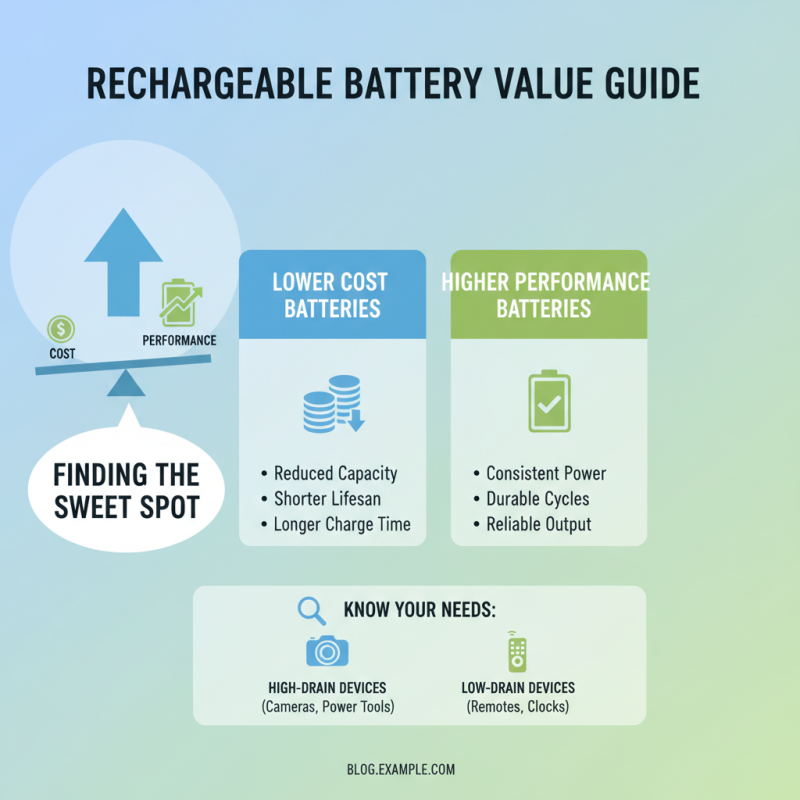
When selecting a rechargeable battery, it’s essential to evaluate the balance between cost and performance to ensure you are getting the best value for your investment. While lower-priced batteries might seem attractive initially, they often come with trade-offs, such as reduced capacity, shorter lifespan, or longer charging times. Understanding the specific energy needs of your devices is crucial in this assessment; for example, high-drain devices like cameras or power tools may require batteries that can withstand frequent cycles and provide consistent power output over time.
Performance metrics such as capacity (measured in milliamp hours, or mAh) and discharge rates play a significant role in the utility of rechargeable batteries. A higher capacity battery can usually power devices longer between charges, making it a smart choice for those who rely heavily on their gadgets. However, the best performance does not always correlate with the highest price tag. By comparing user reviews, performance tests, and pricing of different batteries, you can find options that offer excellent reliability and efficiency without breaking the bank. The goal is to identify batteries that not only fit your budget but also enhance your device's performance and longevity.
Elevate Your EV Experience: Why the MHB 12V 150Ah Sealed Maintenance-Free Battery is a Top Choice for Distributors
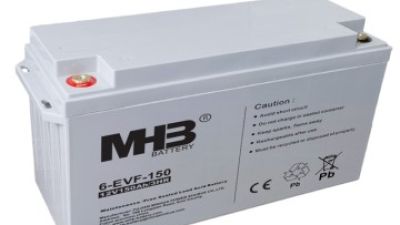
As electric vehicles (EVs) gain traction in the market, the importance of choosing the right battery cannot be overstated. The MHB 12V 150Ah Sealed Maintenance-Free Battery stands out as an exceptional choice for distributors seeking reliability and efficiency in powering various applications, including golf carts. Its sealed design eliminates the need for regular maintenance, providing peace of mind to users while enhancing operational efficiency. This is particularly crucial in settings where downtime can severely impact performance.
In comparison to traditional lead-acid batteries, the MHB Battery offers significant advantages for EV applications. While deep cycle lead-acid batteries serve as a popular choice due to their ability to endure multiple charging cycles without significant efficiency loss, sealed batteries minimize the risk of spillage and corrosion, which are common concerns with flooded lead-acid alternatives. According to recent industry reports, sealed maintenance-free batteries are projected to grow at a compound annual growth rate (CAGR) of 6.5% by 2025, underscoring a shifting preference towards more innovative and user-friendly power solutions.
Furthermore, the MHB 12V 150Ah battery’s high energy density ensures optimal performance, making it particularly appealing for golf carts that demand sustained power for extended periods. Industry professionals note that with the increasing demands for efficient energy storage solutions, the selection of high-quality batteries plays a crucial role in enhancing the overall EV experience. By choosing the MHB battery, distributors position themselves at the forefront of this evolving market, catering to both individual customers and commercial operators looking for dependable power sources.
FAQS
: The most common types of rechargeable batteries include nickel-metal hydride (NiMH), lithium-ion (Li-ion), and lithium polymer (LiPo) batteries. Each type has unique characteristics suitable for various applications.
NiMH batteries are popular for household devices due to their affordability, moderate power load handling, decent capacity, and multiple recharge cycles. They are also considered more environmentally friendly than some alternatives.
Lithium-ion batteries are known for their high energy density and lightweight design, making them an excellent choice for portable electronics like smartphones and laptops. They typically have a longer lifespan and faster charging times compared to NiMH batteries.
Lithium polymer batteries are a subcategory of lithium-ion technology, recognized for their flexibility in size and shape. This makes them ideal for devices with specific form factors, such as drones and wearables.
Charging cycles refer to the number of times a battery can be fully charged and discharged before its capacity diminishes. A higher number of charging cycles often indicates a longer battery lifespan, contributing to its overall value and efficiency.
The lifespan of a rechargeable battery is affected by storage conditions, charge levels, and usage patterns. Storing batteries in cool environments and maintaining moderate charge levels can help maximize lifespan.
Look for high-quality rechargeable batteries with multiple layers of protection, including thermal protection, overcurrent protection, and voltage stabilization. These features help safeguard both the battery and your devices.
Certifications validate that the battery meets international safety standards. Batteries with these certifications have undergone rigorous testing, ensuring compliance with safety regulations.
Intelligent charging technology helps regulate the charging process, preventing overcharging and issues like battery swelling, which can occur with lower-quality batteries, thereby enhancing safety and battery lifespan.
To prolong battery life, store batteries in a cool environment and avoid keeping them fully charged for long periods. Regular monitoring of charge levels and usage can significantly enhance battery longevity.
Conclusion
Choosing the best rechargeable battery for your devices involves understanding the different types available and evaluating several key factors. It’s essential to assEss Battery capacity in terms of milliamp hours (mAh), as this directly impacts the runtime of your devices. Additionally, consider the charging cycles and lifespan of the batteries, which indicate their longevity and reliability. Compatibility with your specific devices is crucial to ensure optimal performance.
Safety features also play a vital role in protecting both your devices and yourself from potential hazards. Lastly, balancing cost and performance can help you find the best value rechargeable battery for your needs, ensuring that you make an informed decision that enhances your overall experience with electronic devices.