Picking the right Deep Cycle Lifepo4 Battery is pretty important when it comes to your energy needs down the line. As we move closer to 2026, battery tech keeps evolving, and it's really shaking up the market. John Smith, who’s the CEO of PowerCell Solutions and a real industry expert, always stresses how crucial it is to choose a battery that actually fits your specific situation. He’s quick to point out, “Not all batteries are created equal,” which is a good reminder that doing your homework is key here.
When you're shopping for a Deep Cycle Lifepo4 Battery, it’s helpful to understand a few basics—things like capacity, how long it lasts, and how quickly it discharges. These factors can totally affect how well the battery performs. Honestly, a lot of folks underestimate how much these details matter, and that can lead to disappointment with the performance.
As our energy needs keep growing, finding a reliable Deep Cycle Lifepo4 Battery becomes more and more important. Plus, with more folks turning to renewable energy sources, having dependable storage options is a must. Bottom line? Investing in good quality technology always pays off in the long run. Take some time to think about what you really need—and choose a solution that supports a sustainable lifestyle. It’s all about making smarter, longer-lasting choices.
Factors to Consider When Choosing a Lifepo4 Battery in 2026
When choosing a deep cycle Lifepo4 battery for 2026, several factors are vital. The battery's capacity, measured in ampere-hours (Ah), is a primary consideration. Reports suggest that most users require batteries ranging from 100Ah to 300Ah for effective performance in various applications, including solar systems and electric vehicles. This capacity directly impacts how long the battery can support your energy needs.
Another critical factor is the depth of discharge (DoD). Lifepo4 batteries typically allow a DoD of around 80% to 90%. This means you can use a substantial portion of the battery's capacity without significantly shortening its lifespan. According to industry standards, Lifepo4 batteries have a cycle life of 2,000 to 5,000 cycles, depending on usage patterns and maintenance. Understanding these metrics helps users make informed choices about their energy storage solutions.
Weight and size also play important roles. Lifepo4 batteries offer a great energy-to-weight ratio, making them lighter than traditional lead-acid batteries. Users often need to consider available space for installation. Compromises may be necessary, as many may favor higher capacity over lower weight. This decision impacts portability and installation ease. Assessing these factors carefully can lead to better long-term satisfaction with your Deep Cycle Battery choice in 2026.
Understanding Deep Cycle Lifepo4 Battery Specifications and Ratings
When choosing a deep cycle Lifepo4 battery, understanding the specifications and ratings is crucial. These batteries come with various amp-hour ratings, which indicate how long they can provide power. A higher rating means longer duration. Consider your energy needs carefully. For instance, if you plan to power an inverter, calculate how much energy you'll consume. This will help in selecting the right capacity.
Tips: Check the C-rate of the battery. The C-rate indicates how quickly the battery can be charged and discharged. A lower C-rate generally results in longer battery life. Pay attention to the discharge depth as well. Batteries can be damaged if deeply discharged too often.
In addition to capacity and C-rate, examine the battery's cycle life. This refers to how many charge-discharge cycles the battery can handle before capacity drops significantly. A robust cycle life is essential for longevity. Also, consider the weight of a 12v Deep Cycle Battery. Heavier batteries often have more lead, enhancing durability. However, ensure your setup can support the weight. Think critically about your choices. Each specification impacts your battery's performance and lifespan.
Comparing Lifepo4 Batteries: Cost, Performance, and Longevity
When choosing a Deep Cycle Lifepo4 battery for 2026, understanding cost, performance, and longevity is crucial. Lifepo4 batteries are known for their superior cycle life, often exceeding 3,000 cycles with proper management. In contrast, traditional lead-acid batteries typically last only 500-1,000 cycles. Recent reports indicate that while the initial cost of Lifepo4 is higher, the long-term savings are significant due to their extended lifespan and better efficiency.
Performance metrics also vary widely. Lifepo4 batteries provide consistent power output even as they discharge, ensuring reliable energy for demanding applications. Industry analysis shows that these batteries maintain 80% capacity after many cycles, unlike Deep Cycle Gel Battery options, which often deteriorate quicker under the same conditions. This makes Lifepo4 an attractive choice for renewable energy storage systems.
Tips: Always check for battery compatibility with your existing systems. Also, consider environmental factors; temperature extremes can impact performance. Pay attention to warranty terms, as they reflect manufacturer confidence in their products. Reflecting on these aspects while comparing options will ensure a smarter investment for your future energy needs.
How to Choose a Deep Cycle Lifepo4 Battery for 2026 Needs? - Comparing Lifepo4 Batteries: Cost, Performance, and Longevity
| Battery Type | Cost ($) | Capacity (Ah) | Cycle Life | Weight (kg) |
| Standard Lifepo4 | 200 | 100 | 2000 | 12 |
| Heavy-Duty Lifepo4 | 350 | 200 | 3000 | 25 |
| Ultra-Light Lifepo4 | 250 | 80 | 1500 | 8 |
| High-Performance Lifepo4 | 400 | 150 | 2500 | 20 |
Evaluating Energy Needs for Your Application in 2026
When evaluating energy needs for your application in 2026, consider usage patterns and future demands. Energy requirements vary widely among applications. A recent industry report indicates that renewable energy integration will rise by 40% globally in the next three years. This shift impacts battery choices for energy storage solutions. For applications like solar power systems, understanding peak energy consumption is vital.
Analyze daily energy loads. Assess how much energy your systems require during peak hours. Experts suggest calculating both average and maximum needs. For instance, a typical off-grid home may need around 10 kWh per day. This helps shape your decision on battery capacity. Remember, a deeper understanding of your energy consumption contributes to smarter choices. An inefficient battery system can end up costing significantly more.
Think about battery lifecycle and efficiency. Lifepo4 batteries often deliver a lifespan of 3,000 to 5,000 cycles. However, different setups can affect performance. It’s important to evaluate thermoregulation and discharge rates, which can vary based on conditions. Monitoring these factors adds another layer of complexity. In summary, thorough assessment leads to informed decisions.
Identifying the Best Brands for Lifepo4 Batteries in 2026
When selecting the best LiFePO4 batteries for 2026, it’s key to evaluate the leading brands in the market. Industry reports indicate that LiFePO4 batteries will account for a significant 25% of the battery market by then. This growth is tied to their superior longevity, safety, and thermal stability. Understanding which brands excel in these areas is vital for optimal choices.
User feedback highlights top characteristics consumers seek: cycle life, efficiency, and warranty options. Many brands offer cycle lives ranging from 3000 to 8000 cycles, making them more attractive to users needing durability. Additionally, efficiency rates can differ significantly, impacting overall performance. Some brands report efficiencies above 95%, showing less energy loss during use. Trustworthy brands back their products with solid warranties, often extending for up to 10 years.
Some brands struggle with customer support and transparency. Reports of poor service can tarnish reputations, underscoring the importance of thorough research. Potential buyers should carefully compare brand reviews and look for transparency in specifications. Choosing wisely can prevent future disappointments and ensure satisfaction with your LiFePO4 battery choice.
Comparative Analysis of Lifepo4 Battery Performance Metrics (2026)
Installation and Maintenance Tips for Lifepo4 Batteries
Choosing a deep cycle LiFePO4 battery requires careful installation and maintenance. These batteries are efficient and durable. Proper handling can extend their lifespan significantly. Ensure that the installation location is dry and well-ventilated to prevent overheating.
During installation, follow the manufacturer’s specifications closely. Verify that connections are tight and corrosion-free. According to a report from the International Energy Agency, proper battery management can enhance efficiency by 30%. A good practice is to use a battery management system (BMS) to monitor voltage levels regularly. This will help to avoid overcharging and discharging.
Regular maintenance is essential. Clean terminals periodically to prevent buildup. Check the voltage regularly; it should stay within the recommended range. If the battery shows signs of swelling or leakage, reassess its use immediately. Remember, even the best batteries require your attention. Ignoring maintenance can lead to reduced performance and lifespan. Always stay informed about your battery’s health.
Future Trends in Lifepo4 Battery Technology to Watch Out For
As we look toward 2026, certain trends within LiFePO4 battery technologyare shaping the market. Advanced materials and improved energy densities are leading the charge. Reports suggest that the global Lithium-Ion Battery market is projected to grow at aCAGR of 20% from 2023 to 2027. This growth is driven largely by the demand for reliable energy storage solutions.
One key advancement is in battery longevity and safety. Researchers are focusing on enhancing thermal stability. Currently, LiFePO4 batteries, such as the 12v Deep Cycle Battery Gel Battery, offer robust safety features. However, potential issues like dendrite formation remain concerns. It is essential to monitor these developments closely.
Investing in technology is crucial. Look for features such as intelligent battery management systems that extend lifespan. Evaluation methods can also guide better purchase decisions. Consider the total cost of ownership rather than just the upfront price. Make sure to review potential environmental impacts too. Always question: will this choice stand the test of time? Understanding these future trends empowers you to choose wisely.
Analyzing the Performance and Reliability of 12V 7AH Motorcycle Batteries: Insights from Industry Reports and Consumer Trends
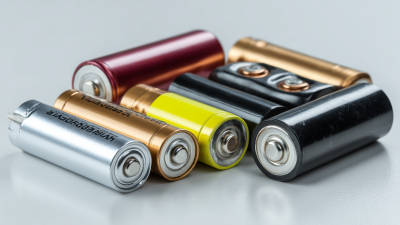
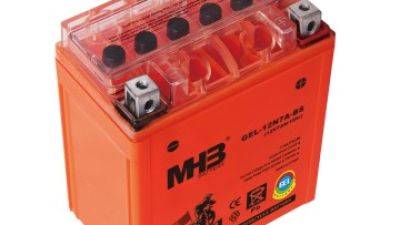
When analyzing the performance and reliability of 12V 7AH motorcycle batteries, it is essential to consider various factors that influence their efficiency and lifespan. One of the standout designs in the marketplace is a fourth-generation GEL motorcycle battery, which showcases a robust structure tailored for rigorous conditions. Its distinctive orange exterior not only adds to its appeal but also enhances visibility, which can be important in low-light environments. The use of advanced materials in its construction ensures exceptional conductivity, which is crucial for optimal performance in high-demand situations.
In addition to its aesthetic qualities, this battery is engineered to withstand significant impacts and resist deformation. This makes it particularly suitable for rugged environments where traditional batteries might fail. The inclusion of copper terminals enhances the overall electrical efficiency, reducing the chances of power loss during operation. As more consumers shift towards durable and reliable battery options, understanding the advantages offered by such designs can guide buyers in making informed decisions, ultimately improving their riding experience.
FAQS
: Most users need batteries between 100Ah and 300Ah for various applications.
Lifepo4 batteries allow a depth of discharge (DoD) of 80% to 90%.
They typically last between 2,000 to 5,000 cycles, depending on usage.
Lifepo4 batteries are lighter than traditional options, impacting portability and installation space.
They maintain 80% capacity after many cycles, unlike some other battery types.
While initially pricier, their lifespan and efficiency offer significant savings.
Ensure the battery matches your existing systems and their specific requirements.
Researchers are enhancing thermal stability but issues like dendrite formation are still concerns.
Consider intelligent battery management systems to extend battery life.
It's critical to evaluate long-term costs, not just the initial price.
Conclusion
When choosing a Deep Cycle Lifepo4 Battery for 2026 needs, several critical factors must be considered. Evaluating specifications and ratings is essential to ensure the battery meets your performance requirements. A thorough comparison of cost, performance, and longevity will help you determine the best value for your application. Additionally, understanding your energy needs will guide you in selecting the right capacity and power output.
In 2026, it's also important to identify reputable brands that consistently deliver quality lifepo4 batteries. Proper installation and maintenance tips can prolong the lifespan of your battery, maximizing your investment. Lastly, keeping an eye on future trends in Lifepo4 battery technology will provide insights into advancements that could enhance your energy solutions in the years to come.