You know, in today's fast-changing energy scene, it’s more important than ever to find solutions that are both efficient and eco-friendly. Whether it’s homes or businesses, everyone’s really looking to cut down their energy use and shrink their carbon footprint. That’s where Lithium Batteries for Energy Storage Systems come into play — honestly, they’re game changers. These batteries don’t just boost energy efficiency; they also make the power supply more reliable, which is a huge plus for all of us trying to keep things running smoothly at home or work.
And with so much emphasis on renewable sources like solar and wind, these batteries are super important for storing any extra energy we generate — so we can use it later without worry. That’s not just good for saving some cash; it’s also a big win for our planet. Plus, these storage systems are pretty versatile—they can handle everything from your daily household needs to supporting big commercial setups.
All in all, looking at the benefits and how these batteries are used, it’s pretty clear that they’re a huge step toward a more sustainable, greener future. Using and integrating them isn’t just a passing trend—it’s really the way forward for managing energy smarter and more efficiently.
Benefits of Lithium Battery Energy Storage for Residential Use
Lithium Battery energy storage systems have gained popularity for residential use due to their numerous advantages. One of the primary benefits is their high energy density, which allows homeowners to store a significant amount of power in a compact size. This feature is especially beneficial for those with limited space, as lithium batteries can efficiently store energy generated from renewable sources like solar panels, ensuring that energy is available even when the sun is not shining. Additionally, their long lifespan—often exceeding a decade—means that homeowners can enjoy consistent reliability without frequent replacements.
Another key benefit of lithium battery systems is their ability to improve energy management. With a home energy storage system, residents can store excess energy produced during peak sunlight hours and use it later during peak demand times, potentially lowering energy bills. This capability not only enhances energy independence but also contributes to a more sustainable lifestyle by maximizing the use of renewable energy.
Furthermore, many lithium battery systems come with advanced monitoring technology, allowing homeowners to track their energy usage and optimize their consumption habits, leading to greater efficiency and lower costs over time.
Cost Savings Through Demand Charge Management with Lithium Batteries
As energy costs continue to rise, businesses and homeowners are increasingly turning to lithium battery energy storage systems as a viable solution for managing demand charges and optimizing energy usage. According to a report by the U.S. Department of Energy, demand charges can account for up to 30% of a commercial electricity bill. By integrating lithium batteries, users can store energy during off-peak hours when rates are lower and discharge it during peak hours to avoid these higher demand charges. This strategic approach can lead to significant cost savings, allowing businesses to reinvest that capital into their operations.
Additionally, a recent analysis by Navigant Research revealed that the global market for lithium-ion batteries in energy storage is expected to grow by over 20% annually. The increasing affordability and efficiency of these battery systems make them an even more attractive option for energy management. By harnessing the power of lithium batteries, users can reduce their reliance on the grid, lower their energy expenditures, and enhance overall energy sustainability.
**Tip:** When considering a lithium battery system, assess your peak energy usage times to better understand how much you could save by shifting your consumption.
**Tip:** It's essential to evaluate both the initial investment and long-term savings on your energy bills to determine the best financial strategy for implementing energy storage in your property.
Lithium Battery Efficiency: Comparing Lifespan and Cycle Performance
When considering energy storage systems for homes and businesses, lithium batteries stand out due to their exceptional efficiency and longevity. According to industry reports, lithium-ion batteries can provide a cycle life of between 2,500 to 7,000 cycles, significantly surpassing lead-acid batteries, which typically offer only about 500 to 1,000 cycles. This remarkable lifespan translates into reduced replacement costs and less frequent maintenance, making lithium batteries an economically sustainable choice for energy storage.
In terms of performance, lithium batteries also demonstrate superior energy density, with the potential to store more energy per unit weight compared to traditional options. A study published by the U.S. Department of Energy highlights that lithium-ion batteries can achieve efficiencies of up to 95%, while more conventional technologies max out around 70%. This efficiency not only optimizes energy use but also minimizes waste, aligning with the growing demand for environmentally responsible energy solutions. As the energy landscape evolves, investing in lithium energy storage systems becomes increasingly advantageous for both residential and Commercial Applications, providing a practical approach to maximizing energy independence and reliability.
Why Choose Energy Storage System Lithium Battery for Your Home and Business
| Feature | Lithium-Ion Batteries | Lead-Acid Batteries |
| Lifespan | 10-15 years | 3-5 years |
| Cycle Life | 3000-5000 cycles | 500-1000 cycles |
| Depth of Discharge | 80-90% | 50% |
| Efficiency | 95-98% | 70-80% |
| Weight | Lightweight | Heavy |
| Maintenance | Low Maintenance | High Maintenance |
| Temperature Stability | Wide Range | Narrow Range |
Environmental Impact: The Sustainability of Lithium Energy Storage
The growing awareness of climate change and the need for sustainable energy solutions has made lithium battery-based energy storage systems increasingly popular for homes and businesses. These systems not only enhance energy efficiency but also contribute positively to environmental sustainability. According to a report by BloombergNEF, the global Lithium-Ion Battery market is projected to reach $249 billion by 2025, driven primarily by the rise of renewable energy storage. This shift towards lithium technology highlights a commitment to reducing reliance on fossil fuels and minimizing carbon footprints.
Lithium energy storage systems offer several environmental benefits compared to traditional power generation methods. For instance, a study conducted by the National Renewable Energy Laboratory (NREL) found that integrating lithium batteries with renewable energy sources such as solar and wind can lower greenhouse gas emissions by up to 80%. Furthermore, lithium batteries are known for their longevity and high energy density, which means they require fewer resources over time compared to alternative storage options, thereby reducing the overall environmental impact of battery production and disposal. With effective recycling methods now emerging, the life cycle of lithium batteries continues to improve, ensuring that their sustainability advantages are maximized in energy storage applications.
Integration of Lithium Batteries with Renewable Energy Sources
The integration of lithium batteries with renewable energy sources is transforming how homes and businesses manage their energy consumption. Lithium batteries are known for their high energy density and longer lifespan compared to traditional lead-acid batteries, making them an ideal solution for storing solar or wind energy. According to a report by BloombergNEF, the cost of lithium battery storage has declined by over 80% since 2010, making it increasingly feasible for households and businesses to adopt this technology. By combining renewable energy with lithium storage, users can significantly reduce their reliance on the grid, achieve energy independence, and lower utility bills.
Tip: When considering the installation of a lithium battery energy storage system, assess your energy consumption patterns. This will help determine the capacity and number of batteries required to maximize efficiency and ensure a consistent power supply.
Another advantage of integrating lithium batteries with renewable energy is their ability to provide peak shaving. During peak demand hours, stored energy can be used to power homes and businesses, reducing consumption from the grid and potentially lowering energy costs. According to the International Energy Agency, energy storage systems could reduce peak power generation requirements by up to 25%. This not only helps in cutting expenses but also contributes to a more stable and sustainable energy grid.
Tip: Look for government incentives and rebates that may be available in your area for installing renewable energy systems paired with energy storage solutions. These financial benefits can significantly offset the initial investment and enhance the overall return on investment for your energy storage system.
Future Trends in Lithium Battery Technology for Homes and Businesses
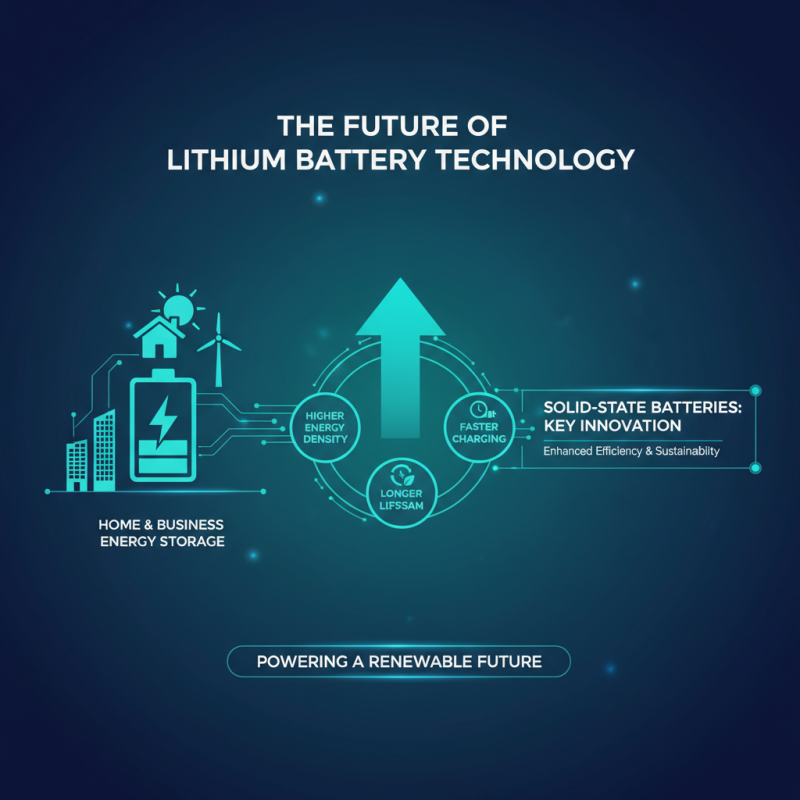
The future of lithium battery technology is poised for significant advancements, particularly in the realms of home and business energy storage systems. As the demand for renewable energy sources escalates, innovations in lithium batteries are expected to enhance their efficiency, lifespan, and environmental sustainability. Emerging technologies, such as solid-state batteries, promise to deliver higher energy densities and faster charging capabilities, making them an ideal choice for residential and commercial energy needs. This evolution is critical as consumers and businesses alike seek reliable solutions to store energy generated from solar panels and other renewable sources.
Moreover, the integration of smart technology and artificial intelligence into energy storage systems will transform how users interact with their energy consumption. Intelligent management systems will optimize energy distribution, predict usage patterns, and provide real-time analytics, thereby maximizing the return on investment for lithium battery systems. As these technologies mature, we can anticipate a shift towards more decentralized energy networks, empowering users to not only store energy but also participate actively in energy trading systems. This paradigm shift will not only enhance energy independence but also contribute to a more sustainable future for both homes and businesses alike.
Regulatory Incentives and Rebates for Adopting Lithium Storage Solutions
As the shift towards sustainable energy solutions accelerates, many homeowners and businesses are turning to lithium battery energy storage systems. One significant factor driving this trend is the array of regulatory incentives and rebates offered by both government and local agencies. According to a report by the U.S. Department of Energy, states like California and New York have implemented programs that provide financial incentives for the installation of energy storage solutions, effectively reducing the initial investment burden for consumers. These programs can offer rebates ranging from $200 to $1,500 per installed kilowatt-hour, depending on the system's size and output.
Moreover, the Federal Investment Tax Credit (ITC) allows for a 30% tax credit on the total cost of installing energy storage systems when paired with solar power. This reinforces the economic viability of lithium battery systems, as businesses can significantly offset their installation costs while enhancing their energy independence. A study from the Rocky Mountain Institute highlights that the cumulative savings from these programs can result in a payback period of as little as five years, making it an attractive option for economic sustainability.
As more homeowners and businesses recognize these benefits, the demand for energy storage systems is projected to grow, with an estimated compound annual growth rate (CAGR) of over 20% through 2025, according to market analysis from BloombergNEF.
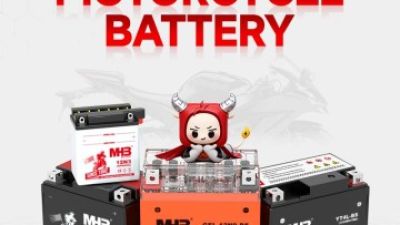
The Impact of AGM Technology on Motorcycle Batteries: A Data-Driven Analysis of YB30CL-B 12V 30AH Performance Metrics
The evolution of Absorbent Glass Mat (AGM) battery technology has significantly influenced the performance metrics of motorcycle batteries, particularly the YB30CL-B model. This battery stands out due to its impressive power and capacity, designed to meet the demands of both casual riders and enthusiasts alike. One of the key aspects of AGM technology is its ability to provide high instant starting capability, ensuring that motorcycles fire up without hesitation, even in challenging weather conditions.
Moreover, the YB30CL-B boasts a robust and shock-resistant casing design, allowing it to thrive in various harsh environments. This durability is vital for motorcycle owners who often ride in less-than-ideal conditions. The design minimizes the risk of damage and enhances the battery's lifespan, making it a reliable choice for powering your bike. Factory-direct pricing further adds to the appeal, presenting an opportunity for riders to invest in a high-quality product without breaking the bank, ensuring that they receive excellent value alongside robust performance.
FAQS
: Lithium energy storage systems can lower greenhouse gas emissions by up to 80% when integrated with renewable energy sources like solar and wind. They also require fewer resources over time due to their longevity and high energy density, thereby reducing the environmental impact of battery production and disposal.
The increasing demand for renewable energy sources is driving significant advancements in lithium battery technology, leading to improvements in efficiency, lifespan, and environmental sustainability. Innovations like solid-state batteries promise higher energy densities and faster charging capabilities.
The integration of smart technology and artificial intelligence into energy storage systems will optimize energy distribution, predict usage patterns, and provide real-time analytics, maximizing the return on investment for lithium battery systems.
Yes, many government and local agencies offer regulatory incentives and rebates to encourage the installation of energy storage solutions, which can significantly reduce initial investment costs for homeowners and businesses.
Rebates can range from $200 to $1,500 per installed kilowatt-hour, depending on the system's size and output, thus helping to lessen the financial burden of installation.
Yes, the Federal Investment Tax Credit (ITC) offers a 30% tax credit on the total installation cost of energy storage systems when paired with solar power.
The demand for energy storage systems is projected to grow with an estimated compound annual growth rate (CAGR) of over 20% through 2025, driven by increased interest in sustainable energy solutions.
By enabling users to store energy generated from renewable sources, such as solar panels, lithium battery systems empower homeowners and businesses to become more energy-independent and potentially engage in energy trading.
Studies suggest that cumulative savings from rebates and incentives can result in a payback period of as little as five years, enhancing the economic viability of adopting these systems.
Future trends include advancements in solid-state batteries, integration of smart technology for energy management, and a shift towards decentralized energy networks, all of which will enhance the functionality and sustainability of lithium battery systems.
Conclusion
The article "Why Choose Energy Storage System Lithium Battery for Your Home and Business" highlights the numerous advantages of adopting lithium battery technology for energy storage. One of the primary benefits is the cost savings achievable through demand charge management, allowing homeowners and businesses to reduce peak energy costs effectively. Additionally, lithium batteries boast impressive efficiency, longevity, and cycle performance, making them ideal for sustainable energy storage solutions.
The article further explores the environmental impact of lithium batteries, emphasizing their role in promoting sustainability. With the increasing integration of renewable energy sources, energy storage system lithium battery technology is becoming essential for maximizing efficiency and reliability. Furthermore, it discusses future trends in lithium battery technology and the regulatory incentives and rebates available to encourage the adoption of these innovative solutions. Overall, embracing energy storage system lithium battery technology presents a viable pathway toward a more sustainable energy future for residences and businesses alike.