In today’s super-fast world, choosing the right power source for our gadgets really matters more than ever. Experts often say that going with a rechargeable battery isn’t just practical—it’s pretty much essential. John Anderson, who’s a top engineer over at PowerTech Innovations, once mentioned, “Picking the right battery can really make a difference in how well your device performs and how long it stays eco-friendly.” That’s a clear reminder that making smart, informed choices is more important than ever.
Rechargeable Batteries, especially the so-calledSealed Rechargeable Battery, come with their own perks. For starters, they help cut down on waste because you can reuse them again and again—you don’t need to keep buying replacements all the time. Plus, they tend to hold their charge longer, which means your devices stay powered for longer periods—perfect for our everyday gadgets. But here’s the thing— not all rechargeable options are created equal. Some might not keep a charge very well, or they might fail sooner than you'd hope, which can be totally frustrating.
Unfortunately, a lot of folks still overlook how important it is to opt for high-quality rechargeable batteries. Becoming more aware of these benefits can really help you pick batteries that boost your device’s performance and make them last longer. Honestly, it’s time to shift our perspective a bit. Things like initial costs are one thing, but we should also think about how well they perform and what kind of impact they have on the environment. Looking at the bigger picture—like thinking long-term—really makes a huge difference.
Benefits of Rechargeable Batteries Over Disposable Options
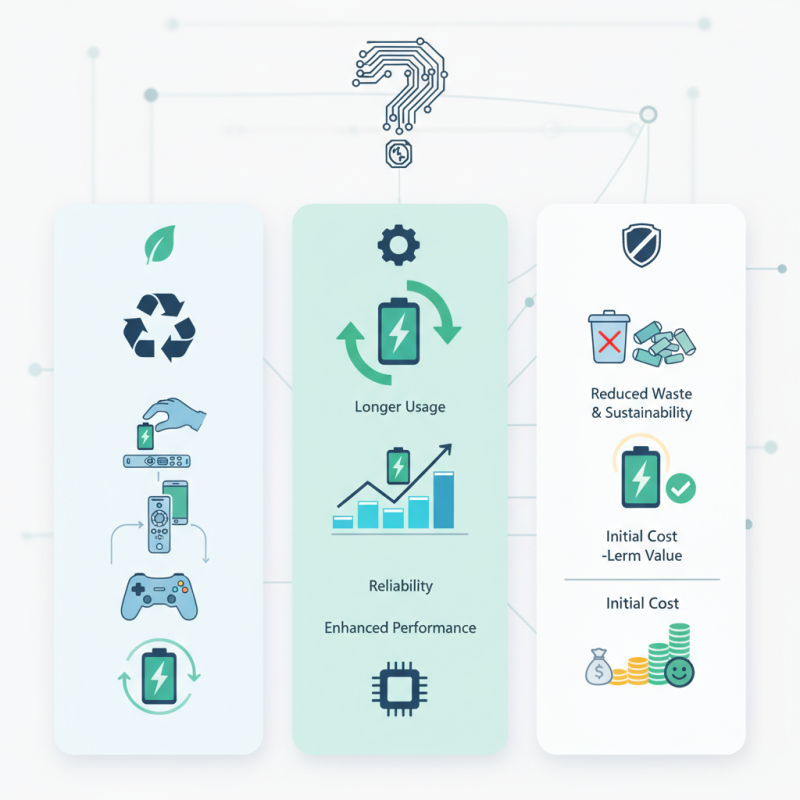
Rechargeable batteries offer several advantages over disposable ones. They are designed to be reused many times, which can save money. Imagine having a device that runs on a 12v 12ah 20hr Rechargeable Battery. This battery can be charged repeatedly, significantly reducing waste. It’s a more sustainable choice for our planet.
Using rechargeable batteries also means less frequent trips to buy new ones. Each time you recharge, you help decrease your environmental impact. However, many people still hesitate to make the switch. Some might worry about the initial investment or battery life. There are valid concerns, but many find that the long-term benefits outweigh these issues.
Additionally, rechargeable batteries tend to perform better in high-drain devices. They can provide consistent power for gadgets like cameras or game controllers. On the flip side, the quality of rechargeable batteries can vary. Choosing the right product requires some research. This exploration can be rewarding and lead to better performance in your devices.
Environmental Impact of Using Rechargeable Batteries in Electronics
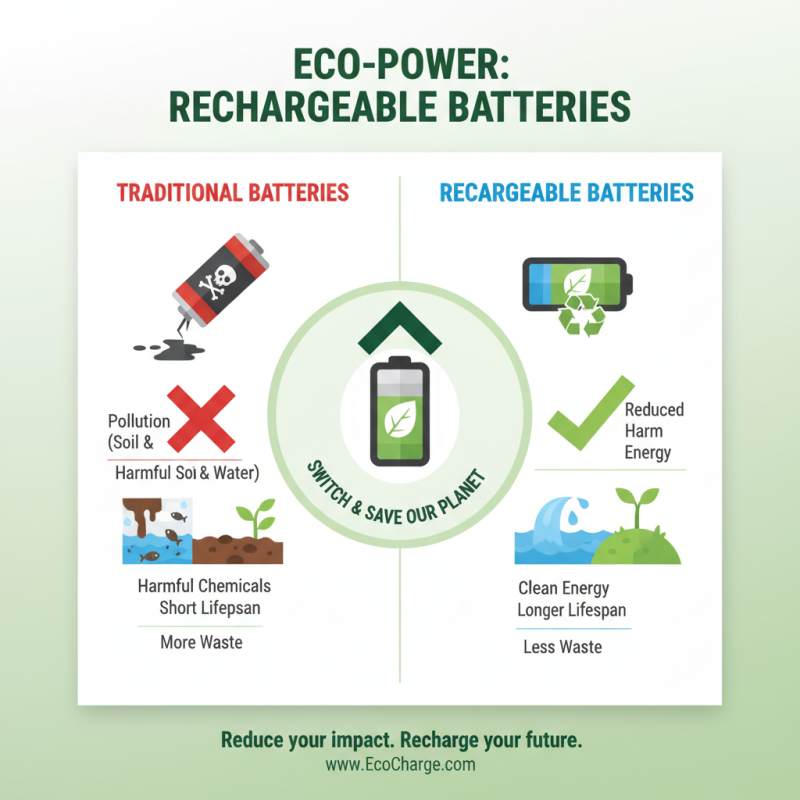
Using rechargeable batteries in our devices significantly reduces environmental harm. Traditional batteries contribute to soil and water pollution. They contain harmful chemicals that leach into ecosystems. In contrast, rechargeable batteries have a longer lifespan. They can be reused multiple times, decreasing the overall waste generated.
Switching to rechargeable options is a practical choice. It lessens the number of batteries disposed of each year. This small change can lead to a massive reduction in landfill contributions. However, not everyone understands recycling processes. Many rechargeable batteries can be recycled, but some people discard them carelessly. It's essential to learn how to recycle them properly.
Tips: Make sure to store used batteries in a designated container. Find local recycling programs that accept them. Educate others on the benefits of rechargeable batteries. This way, we can all contribute to a healthier planet.
Cost Analysis: Long-Term Savings of Rechargeable Batteries
When you think about rechargeable batteries, the cost over time often stands out. It's not just about the initial price tag. Rechargeable batteries can save money in the long run. A single purchase can power your devices many times. Consider a 12v 18ah Rechargeable Battery. It provides significant energy without frequent replacements.
Many people overlook how quickly typical batteries drain. Frequent purchases add up. Over a year, the savings with rechargeable options can be astonishing. Imagine using the same 12v 18ah Rechargeable Battery for multiple projects or devices. Each charge offers value.
Of course, there are challenges. Rechargeable batteries require care. The lifespan may decrease if not charged properly. Some users forget to recharge, leading to dead batteries at crucial times. Reflecting on this, planning is essential. It's not all perfect, but the financial benefits remain compelling. Investing in rechargeable options can steer you toward better savings over time.
Cost Analysis: Long-Term Savings of Rechargeable Batteries
Performance: How Rechargeable Batteries Compare in Power Capacity
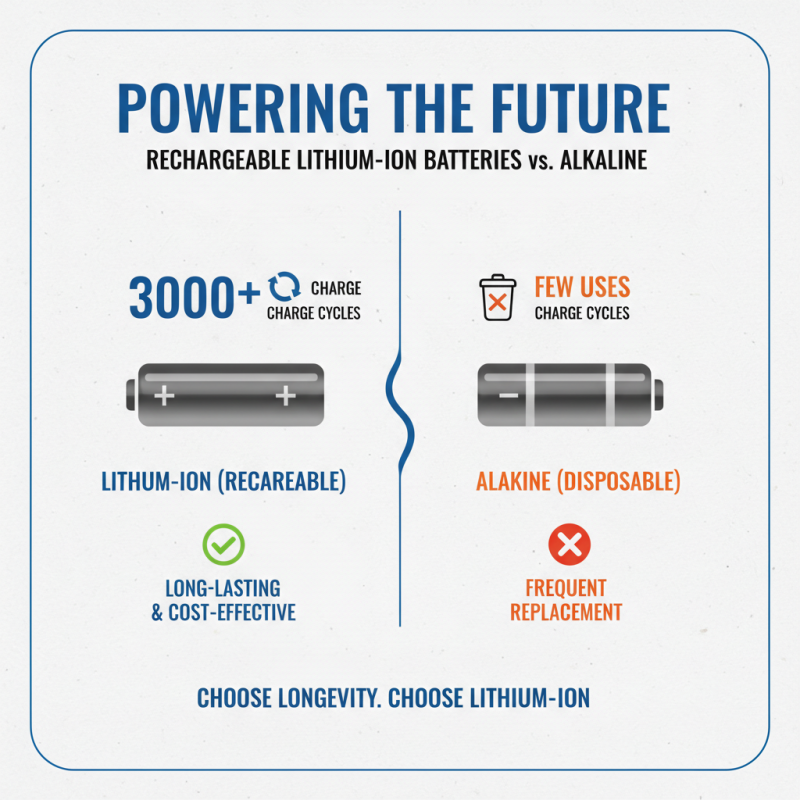
When considering power capacity, rechargeable batteries offer significant advantages. A recent industry report reveals that lithium-ion batteries can provide up to 3000 charge cycles. This is markedly higher than traditional alkaline batteries, which frequently require replacement after just a few uses. Such longevity should drive consumers to rethink their choices.
Moreover, the energy density of modern rechargeable batteries is impressive. Many can store between 150 to 250 watt-hours per kilogram. For instance, this means a small battery can power a device for several hours on a single charge. However, there are concerns about the environmental impact of battery production. The extraction of materials for rechargeable batteries can raise questions about sustainability.
Performance consistency is another critical factor. Many users notice that as rechargeable batteries discharge, their voltage declines less drastically. In contrast, disposable batteries often suffer from a steep voltage drop. Yet, not every rechargeable option performs equally. Some variations can struggle to maintain high performance under heavy loads. Choosing the right type makes a difference in overall satisfaction and usability.
Life Cycle Assessment of Rechargeable vs. Disposable Batteries
Rechargeable batteries have gained popularity for several good reasons. A Life Cycle Assessment (LCA) shows that rechargeable batteries greatly outperform disposable ones in environmental and economic terms. For instance, studies indicate that a single rechargeable battery can replace up to 1,000 disposable cells over its lifetime. This not only reduces waste but also conserves resources.
One key aspect of the LCA is energy consumption. Producing disposable batteries requires significant raw materials, which contribute to environmental degradation. By contrast, rechargeable options like the 12v 9ah Battery Rechargeable require less energy over multiple recharges. This results in lower overall greenhouse gas emissions.
However, there are challenges. While initial costs for rechargeable batteries may be higher, consumers often overlook long-term savings. Maintenance and proper recycling practices are also essential for full environmental benefits. Many users still discard rechargeable batteries carelessly, leading to pollution. As society shifts toward sustainability, we must reflect on our habits and make conscious choices.
Advancements in Rechargeable Battery Technology and Innovations
Rechargeable battery technology has evolved significantly. New materials and designs are enhancing performance and charging speed. Recent research shows that lithium-ion batteries can now achieve up to 90% efficiency in charging. This advancement is crucial. It helps reduce energy waste and supports greener energy solutions.
The increasing popularity of the 6v 4.5 Ah Rechargeable Battery reflects this trend. These batteries provide excellent power and longevity for various devices, from toys to outdoor equipment. Their versatility makes them a go-to choice for many consumers. However, while they offer many benefits, some challenges remain. For instance, they still face capacity degradation over time, which can impact performance.
**Tips:** Always charge batteries using the recommended methods. This can extend their lifespan. Regular checking for signs of wear is important too. Don’t ignore any swelling or leakage. These are signs that a battery may need to be replaced. Prioritizing safe practices can enhance your device’s performance over time.
Common Misconceptions About Rechargeable Batteries Explained
Many people have misconceptions about rechargeable batteries. One common belief is that they don't last as long as disposable ones. In reality, rechargeable batteries can endure many cycles. They can be recharged hundreds of times. Over time, this can save you money and reduce waste.
Another misconception is that rechargeable batteries are less powerful. While some may not hold a charge as long initially, advancements have improved their performance greatly. They often provide consistent power to devices like cameras and game controllers. However, people sometimes ignore proper care. If not charged correctly, battery life can diminish quicker than expected.
There's also a notion that all rechargeable batteries are the same. They differ in chemistry and capacity. Not all can power every device effectively. This is a crucial detail often overlooked. A thorough understanding of specific needs can lead to better choices. Taking time to research before deciding is essential. Mistakes happen when rushed.
Conclusion
Choosing a rechargeable battery for your devices offers numerous advantages over disposable options. Not only do rechargeable batteries provide long-term cost savings due to their ability to be reused multiple times, but they also have a significantly lower environmental impact, reducing waste and resource depletion. Furthermore, advancements in rechargeable battery technology have led to enhanced performance, with improved power capacity that meets the demands of modern electronics.
A comprehensive life cycle assessment reveals that rechargeable batteries are more sustainable compared to their disposable counterparts, as they generate less environmental harm over their lifespan. Despite common misconceptions about their efficiency and maintenance, the innovations in this technology continue to dispel doubts and highlight the reliability of rechargeable batteries. Embracing these batteries can contribute to a greener planet while delivering significant economic benefits.