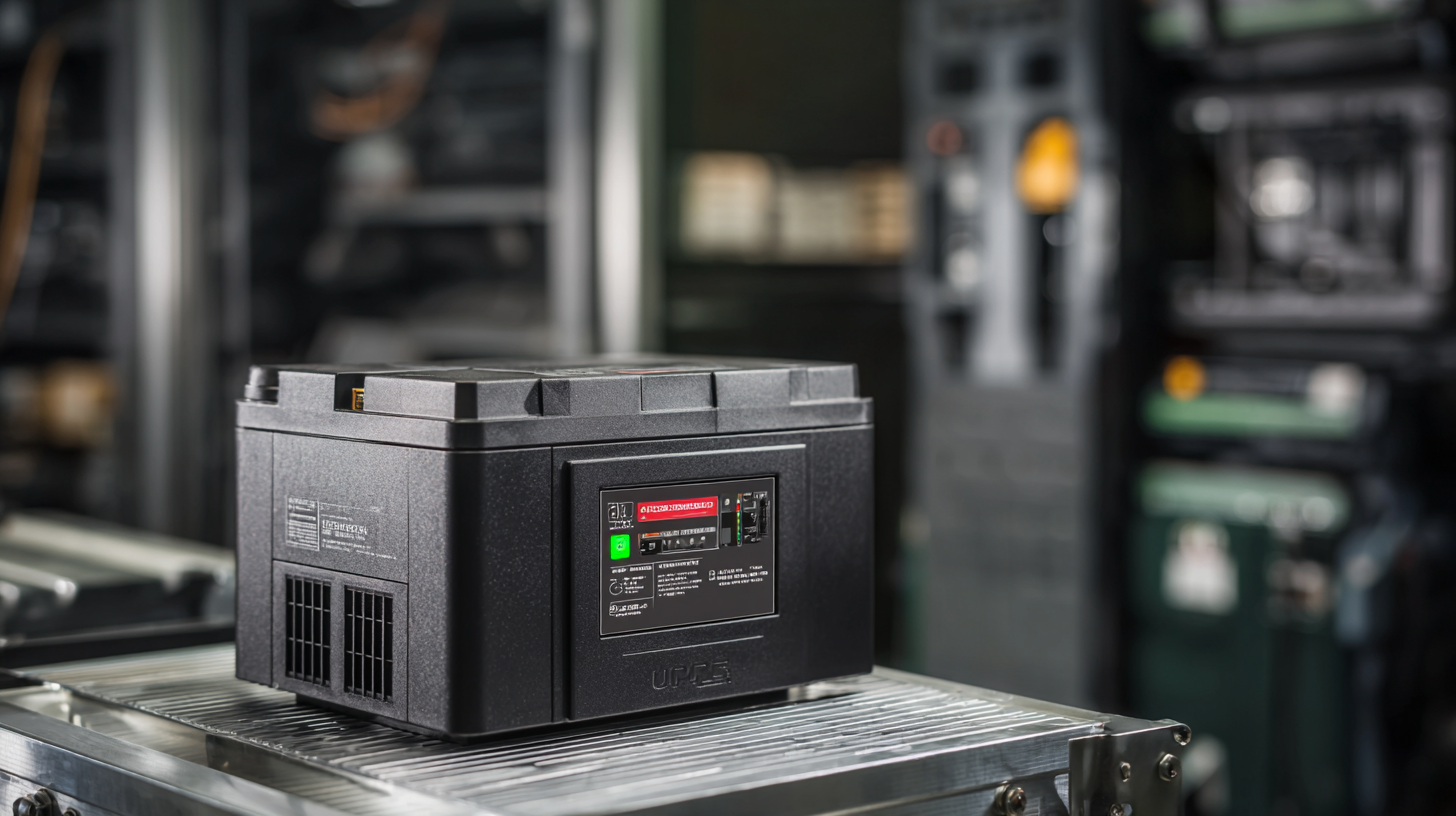
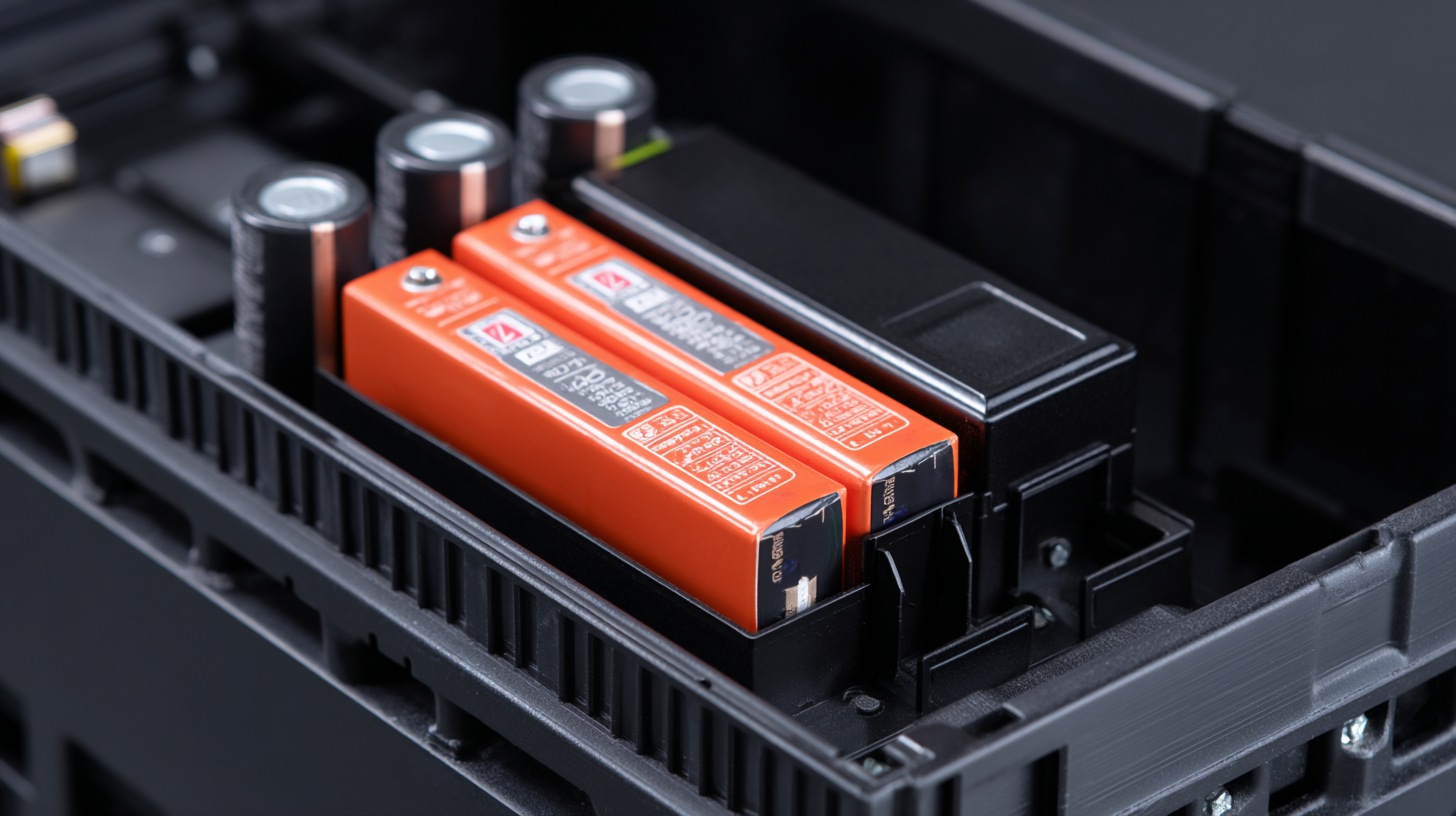
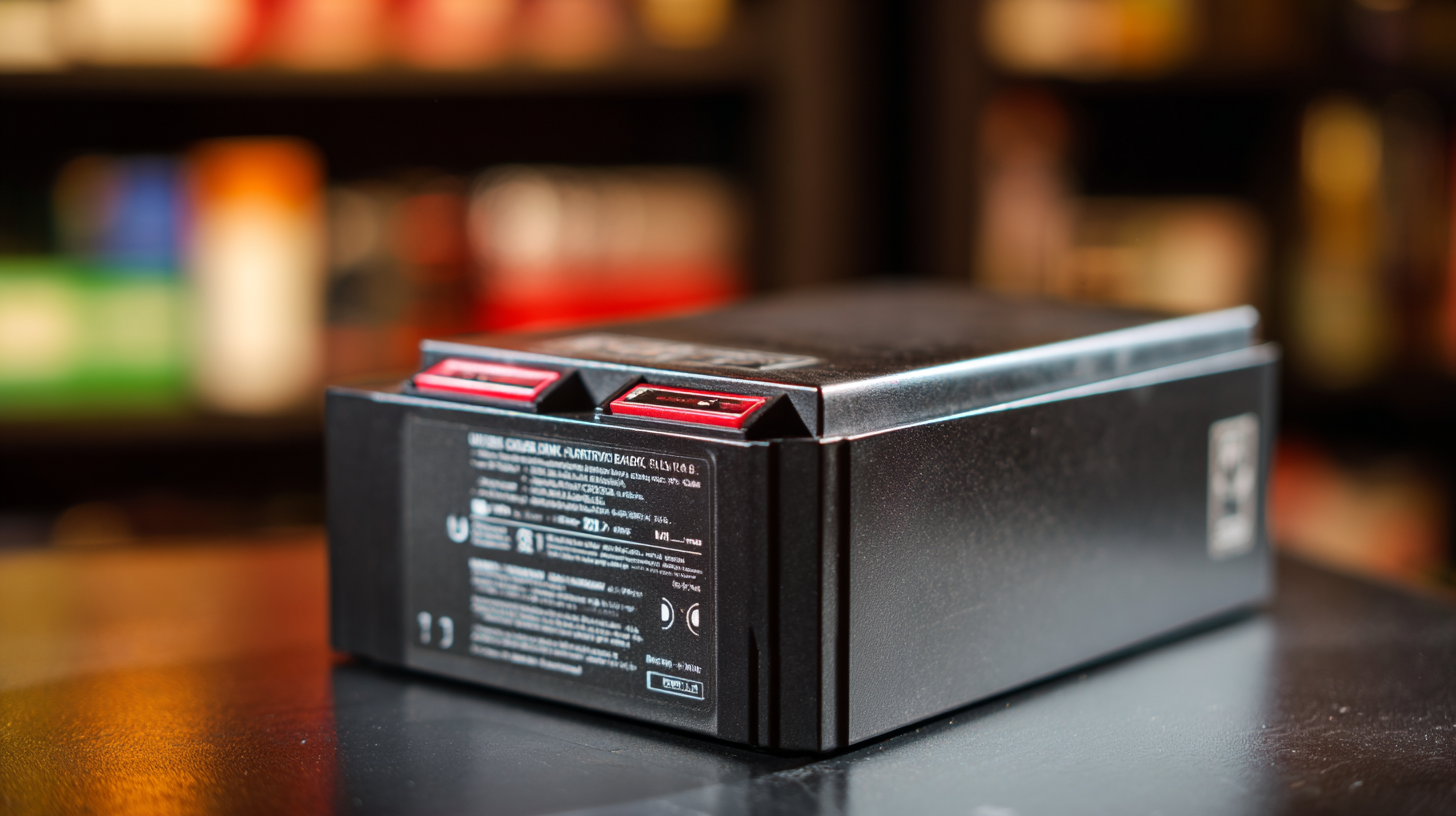
Picking the right ups battery is actually pretty important if you want to keep your business running smoothly, especially with how crazy fast everything moves these days. A good uninterruptible power supply isn’t just about avoiding sudden outages or power surges — it’s about having peace of mind knowing your vital data and processes are still protected, no matter what. As the need for reliable power solutions keeps growing, it’s super helpful to understand the different factors that come into play when choosing a UPS battery. Over at FUJIAN MINHUA POWER SOURCE CO., LTD., we’re all about providing top-notch battery solutions tailored to meet a bunch of different business needs. We’ve been around since 1992, based in Longqiao Industrial Park, Anxi Economic Development Zone, in Fujian. With nearly 2,000 team members and a massive 300-acre facility, we’ve got loads of experience in the power industry. So, let’s dive into some key points to help you pick the perfect UPS battery for your setup — make smarter, more confident choices!
Understanding Your Business Power Requirements for UPS Selection
Getting a good handle on your business’s power needs is pretty much the first step when you're trying to pick out the right UPS battery. I mean, a report from Gartner pointed out that power outages end up costing companies billions each year. For small and medium-sized businesses, that downtime can really hit hard—think up to $8,000 lost per hour! That’s why it’s so important to do a proper power assessment before settling on a UPS. You don’t want to be caught off guard.
Start by taking a close look at how much wattage all your devices use—stuff like servers, network gear, and other critical tech. Sometimes, these can add up to hundreds or even thousands of watts. A study from the Electrical Power Research Institute actually found that a lot of businesses faced unexpected outages simply because their UPS just wasn’t powerful enough. So, it’s a reminder to get those calculations right. Plus, think about how long you might need backup power during an outage. Different industries might need longer runtimes, especially during busy hours, so maybe go for a UPS with a bit more capacity.
And don’t forget to think ahead—planning for growth is key. According to the International Energy Agency, a lot of businesses tend to underestimate their future power needs by around 30%. Picking a UPS that can handle those potential increases means you’re covered in the long run, keeping your business running smoothly without surprises.
Types of UPS Batteries and Their Applications in Different Industries
When you're picking out the right UPS battery for your business, it’s pretty important to get a good handle on the different types of UPS batteries out there and what they’re mainly used for, depending on the industry. The global market for Ups Systems is actually expected to grow a lot — from about $6.12 billion in 2025 up to around $10.29 billion by 2032, with an annual growth rate of roughly 7.7%. A big reason for this? Well, more and more industries like telecom, IT, and manufacturing are really counting on reliable power backups to keep things running smoothly without any hiccups.
Different sectors tend to use different kinds of UPS setups based on what they need. For instance, telecom and IT mostly stick with AC power UPS units, while manufacturing plants might need both AC and DC systems, depending on their specific processes. Plus, the market is also booming in high-tech data centers — they’re really craving efficient and dependable power sources to handle all that massive data flow. In fact, the market for batteries in data centers is expected to hit about $3.4 billion by 2024, helped along by newer battery tech and the simple fact that, in today’s digital world, having a steady power supply is more critical than ever.
UPS Battery Types and Their Applications Across Industries
Key Factors to Consider When Choosing UPS Battery Size and Capacity
When you're choosing the right UPS battery for your business, it’s really important to get a good grasp of the main factors that affect what size and capacity you need. One of the biggest things to consider is the total load that the UPS has to handle. This isn't just about the devices you want to keep running during a power outage, but also their combined wattage. Doing the math on the total wattage really helps you figure out the right capacity to keep everything critical up and running, even when the power's out.
Another thing to think about is how long you need the backup to last during outages. Different setups have different needs; like a data center might need a longer backup time to keep things running smoothly and protect important data. Plus, don’t forget about battery life and features that help you manage it—stuff like alerts for battery health or when maintenance is needed can make a huge difference in how dependable your UPS is overall. With the global Data Center Ups market expected to jump from $6.12 billion in 2025 to over $10 billion by 2032, making smart choices when picking your UPS battery is more crucial than ever if you want to keep your business running without a hitch.
Comparing Costs: Initial Investment vs. Long-Term Maintenance of UPS Batteries
When you're trying to pick out the right UPS (Uninterruptible Power Supply) battery for your business, it’s really important to think about both the upfront costs and what you'll spend on maintenance down the line. Honestly, it can be tempting to just go for the cheapest option at first, but taking a step back and looking at the bigger picture can save you a lot of headaches (and money) later on. Usually, investing a bit more in a quality battery means you'll get better reliability, a longer lifespan, and fewer repairs or replacements over time. Sometimes it feels like a splurge at the beginning, but it often pays off in the long run.
Here’s a little tip: Do a total cost analysis that covers not just how much the battery costs upfront, but also how long it will last, what kind of warranty comes with it, and how often you might need to replace or fix it. This way, you get a clear picture of what you’re really signing up for financially.
Also, think about your specific business needs—like, if you depend a lot on sensitive equipment, investing in a more solid, higher-quality UPS battery might be worth it. It could save you big bucks by avoiding downtime and damage in the future.
Another tip: When you're weighing options, consider how much money you could save by preventing disruptions and keeping productivity steady. Sometimes, spending a bit more now on a better battery can really pay off, making sure your business keeps running smoothly without those unexpected expenses popping up.
How to Choose the Right UPS Battery for Your Business Needs - Comparing Costs: Initial Investment vs. Long-Term Maintenance of UPS Batteries
| Battery Type | Initial Cost ($) | Estimated Lifespan (Years) | Annual Maintenance Cost ($) | Total Cost Over 5 Years ($) |
| Lead Acid | 200 | 3 | 50 | 400 |
| Lithium-Ion | 500 | 10 | 20 | 1000 |
| Nickel Cadmium | 300 | 7 | 70 | 610 |
| Absorbent Glass Mat (AGM) | 250 | 5 | 60 | 600 |
Evaluating Battery Technology: Lead-Acid vs. Lithium-Ion for UPS Solutions
When you're trying to decide on battery tech for your UPS, it’s pretty important to understand the big differences between lead-acid and lithium-ion batteries. Lead-acid has been around forever, and a lot of folks trust it because it’s generally affordable and reliable. That said, it’s not perfect—things like how heavy it is and how many times it can be cycled limit its performance a bit. On the flip side, lithium-ion batteries come with some pretty sweet perks: they pack more energy into less space, last way longer, and don’t need as much upkeep. So, if your business has more modern power needs, they could be a game-changer.
Here’s a tip – before you make a call, really think about your specific power requirements. Take the time to crunch the numbers: what's your total load, and how long do you need backup power? That’ll help you pick a battery that actually fits your needs. Also, don’t forget to consider your space and weight limitations. Lithium-ion batteries are usually more compact and lighter, which is a big plus if you’re dealing with limited room.
Another thing to keep in mind is the good old balance between what you’re paying now versus long-term savings. Sure, lead-acid batteries might seem cheaper upfront, but they tend to have shorter lifespans and need more maintenance, which can add up over time. On the other hand, investing in lithium-ion tech might cost more at first, but it could pay off in the long run thanks to its durability and efficiency—definitely worth considering for the big picture.
Best Practices for UPS Battery Maintenance and Lifespan Optimization
When you're picking out the right UPS battery for your business, it’s really important to get a good handle on how to take care of it and keep it running smoothly. A battery that’s properly maintained isn’t just reliable — it also helps keep your operations flowing without a hitch. At FUJIAN MINHUA POWER SOURCE CO., LTD., we always stress how key it is to do regular checks and keep an eye on your batteries. Make it a routine to inspect them now and then — catching small issues early can save you a lot of trouble down the line.
You might also want to look into some modern monitoring systems that can track your battery’s health and performance automatically. This kind of proactive monitoring can really help you avoid those sudden outages that throw a wrench in your day. Plus, keeping the environment where your batteries are stored, like temperature and humidity, just right can make them last way longer.
And don’t forget to keep the battery connections clean and tight — loose or corroded connections can cause problems or even lead to unexpected failures. By sticking to these simple best practices, you can get the most out of your batteries and avoid shelling out more than you should for replacements over time.
Maximize Your Energy Efficiency: Exploring the OPzV 200Ah Gel Battery for Deep-Cycle Applications
In today's energy-conscious world, maximizing energy efficiency is paramount, especially for deep-cycle applications. The OPzV 200Ah gel battery stands out as a top-tier solution, delivering reliable and maintenance-free performance. With the ability to provide over 1,200 deep cycle life cycles, this battery is particularly well-suited for applications in solar energy systems, uninterrupted power supplies (UPS), telecommunications, and industrial backup operations. The robust design of the OPzV gel battery ensures durability and effective performance even under harsh conditions.
Research indicates that energy storage solutions are critical for managing fluctuating energy demands and integrating renewable sources. For instance, a recent industry report from the International Renewable Energy Agency (IRENA) highlights that energy storage will be essential in reaching global climate targets, projecting a significant increase in battery deployments, particularly in the solar sector. In this context, the OPzV 200Ah gel battery not only meets the immediate power needs but also contributes to long-term sustainability goals.
Moreover, its gel technology minimizes maintenance needs, reducing total cost of ownership over its lifespan. This feature is reinforced by data from industry studies which emphasize that maintenance-free batteries enhance operational efficiency and reduce downtime. As businesses and homes increasingly turn to renewable energy solutions, the OPzV 200Ah gel battery positions itself as an indispensable asset in achieving optimal energy efficiency and reliability in deep-cycle applications.
FAQS
: The primary consideration is the total load that the UPS system will need to support, including the combined wattage of all devices that must remain powered during an outage.
The runtime required during power interruptions varies based on the application, such as data centers needing longer backup times to maintain operations and secure data integrity.
Battery management features, like alerts about battery health and maintenance needs, enhance the reliability and efficiency of the UPS system.
Lead-acid batteries are known for being affordable and reliable, but they have limitations in weight and cycle life. Lithium-ion batteries offer higher energy density, longer lifespan, and lower maintenance needs.
Calculating total load requirements ensures that you choose a battery that meets the power demands of your business and provides adequate backup during outages.
Regular battery checks, implementing advanced monitoring systems, maintaining optimal environmental conditions, and ensuring clean and secure connections are key practices to optimize battery lifespan.
The right battery technology can enhance operational efficiency by ensuring reliable power during outages, reducing maintenance costs, and improving overall performance.
While lead-acid batteries may have a lower upfront cost, their shorter lifespan and higher maintenance needs can lead to greater overall costs compared to the long-term savings associated with lithium-ion batteries.
Maintaining optimal environmental conditions, such as controlling temperature and humidity, can significantly extend the lifespan and performance of UPS batteries.
It's important to address issues like corrosion or loose connections promptly, as they can lead to inefficiencies and unexpected failures in the UPS system.
Conclusion
Picking the right UPS battery for your business isn't just about ticking boxes—it’s really about making sure you keep the power running smoothly, no matter what. The first thing you want to do is get a clear picture of your specific power needs. Different industries have their own unique requirements, so what works for one might not work for another. When you're choosing, think about stuff like battery size, capacity, and the technology—whether it's a trusty old lead-acid or a snazzy lithium-ion. And don’t forget, it’s a balance between the upfront costs and what you’ll spend on maintenance down the line—that can really affect your budget.
At Fujian Minhua Power Source Co., Ltd., we’ve been in the game for over thirty years, providing dependable UPS batteries that businesses can count on. We focus on smart maintenance practices to help you get the most life out of your batteries—so they stay a key part of your power plan. Our dedication to quality and innovation makes us a trusted partner for companies wanting to boost their power reliability and keep things ticking without a hitch.