Leave Your Message
0%

In today’s pretty fast-moving digital world, making sure you’ve got a steady power supply is super important—whether it’s at home or at work. Lots of folks and companies count on Uninterruptible Power Supply (UPS) systems to keep their essential equipment safe from power outagesor sudden fluctuations. One key part of any UPS setup is the battery—it’s what keeps things running smoothly when the power suddenly cuts out. But here’s the thing: with so many types and brands out there, choosing the right ups battery for your specific needs can feel pretty overwhelming.

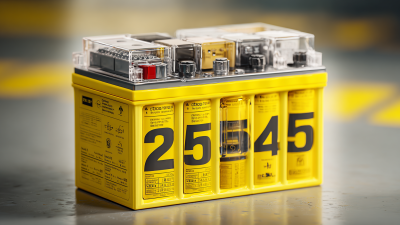
2025 How to Choose the Best UPS Battery for Your Power Backup Needs

In this guide, I’ll walk you through the main stuff to think about when picking the best UPS battery for you. We’ll cover everything—from understanding battery capacity and how long it can run to making sure it’s compatiblewith your Ups System. Every detail matters if you wanna make a solid, informed choice. We’ll also check out some of the top brands out there, so you know what to look for and won’t get lost in the sea of options. By the end of this, you’ll have a pretty good idea of how to pick theperfect UPS battery to keep your electronics safe and enjoy a reliable power backup whenever you need it.

Understanding Your Power Backup Requirements

When considering the best UPS battery for your power backup needs, it's essential to first understand your unique power requirements. This involves evaluating the devices you plan to protect, their power consumption, and the total wattage they require during an outage. By assessing how much power you need to sustain your operations, you can determine the appropriate capacity for your UPS battery. Keep in mind that a higher capacity battery will provide more extended backup during outages but may also cost more, so it’s crucial to strike a balance between your budget and power needs.

Additionally, you should consider the duration of power outages in your area. If outages are typically short, a less powerful UPS may suffice. However, for longer outages, investing in a higher capacity UPS battery becomes essential to ensure that critical equipment remains operational. Moreover, think about the type of devices you’ll connect to the UPS; sensitive electronics may require a battery with advanced features like sine wave output for proper protection. By understanding your specific power requirements, you can make an informed decision tailored to safeguard your essential equipment effectively.

2025 How to Choose the Best UPS Battery for Your Power Backup Needs

Battery Type Capacity (Ah) Voltage Estimated Runtime (Minutes) Use Case
Lead Acid 100 12V 30 Basic Applications
Lithium-ion 50 12V 60 High Performance
AGM 80 12V 45 Mid-range Needs
Gel Cell 75 12V 40 Deep Cycle Use

Types of UPS Batteries and Their Applications

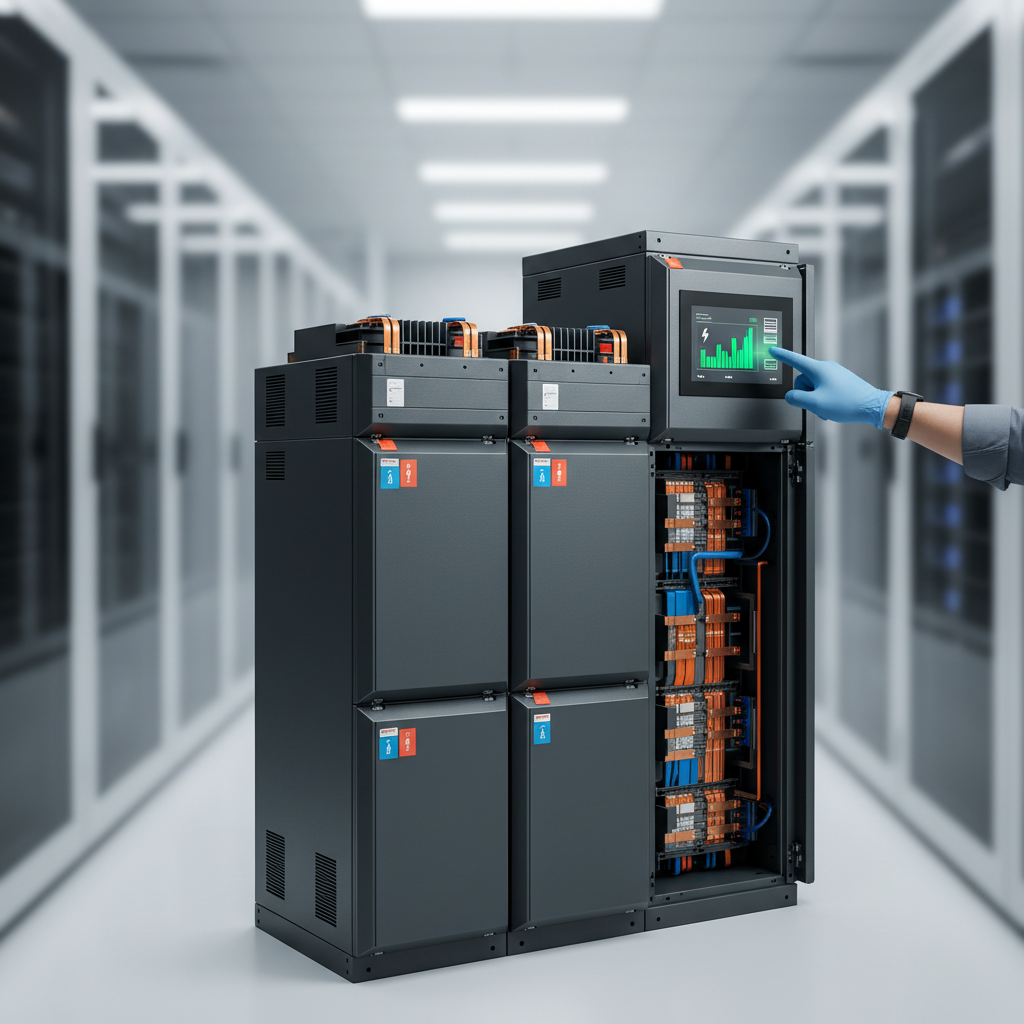
When selecting an uninterruptible power supply (UPS) battery for your specific needs, it's important to understand the various types available and their applications. The UPS battery market is experiencing significant growth, with projections indicating it will reach approximately USD 24.81 billion by 2030, up from USD 11.49 billion in 2024. This growth is driven by the increasing demand for reliable power solutions across various sectors, particularly in data centers where the UPS market alone is expected to expand from USD 8.89 billion in 2024 to USD 20.75 billion by 2030, reflecting a robust CAGR of 15.17%.

Understanding the different types of Ups Batteries—such aslead-acid, lithium-ion, and supercapacitors—can help in making informed choices. Lead-acid batteries remain prevalent due to their cost-effectiveness, expected to grow from USD 47.7 billion in 2024 to around USD 74.1 billion by 2034 at a CAGR of 4.5%. Conversely, lithium-ion batteries are gaining traction due to their higher energy density and longer lifespan, a trend further fueled by advancements in technology and increasing applications in electric vehicles and renewable energy storage. As these markets expand, selecting the right UPS battery type tailored to your backup power needs becomes all the more crucial.

Key Features to Consider When Selecting a UPS Battery

When selecting a UPS (Uninterruptible Power Supply) battery, several key features should be prioritized to ensure effective and reliable power backup. First and foremost, consider the battery capacity measured in volt-amps (VA). This specification indicates how much power the UPS can supply during an outage, making it crucial to match the capacity with the power requirements of the devices you intend to protect. An oversized UPS may lead to unnecessary costs, while an undersized model may fail to support essential equipment.

Another important feature is the runtime, which refers to how long the UPS can provide power during an outage. This can vary significantly depending on the load placed on the UPS and the specific battery configuration. Look for models with adjustable runtime options or the ability to add extra batteries for extended performance, especially for critical systems that need longer support times.

Lastly, consider the type of battery technology utilized in the UPS. Common options include sealed lead-acid (SLA) and lithium-ion batteries. Lithium-ion batteries, although more expensive, tend to have a longer lifespan, quicker recharge times, and better energy density compared to SLA batteries. Overall, evaluating these key features will help you select the best UPS battery tailored to your power backup needs.

2025 How to Choose the Best UPS Battery for Your Power Backup Needs

Comparing Battery Life and Performance Ratings

When selecting the best UPS battery for your power backup needs, understanding battery life and performance ratings is crucial. Different applications require varying power capacities, so it’s essential to choose a battery that fits your specific requirements. Look for batteries that offer longer life cycles and higher capacity ratings, as these will ensure a more reliable backup solution during outages. At FUJIAN MINHUA POWER SOURCE CO., LTD., we prioritize the longevity and efficiency of our MHB batteries, ensuring that they meet the demands of our customers.

Tips: Always check the manufacturer’s data sheets for detailed performance ratings, such as discharge time and voltage stability. Additionally, consider the environmental conditions where the UPS will be operating, as extreme temperatures can significantly affect battery performance. Investing in batteries with high-quality materials and designs, like those produced by MHB, guarantees better durability and overall performance.

It’s also wise to regularly test and maintain your UPS batteries to ensure they are functioning optimally. Monitoring the health of your battery can prevent unexpected failures and prolong its lifespan, making it a crucial part of your power management strategy. With nearly 30 years of expertise, our company ensures that customers receive products that combine quality and reliability, essential for any power backup system.

Budgeting for Your UPS Battery Investment

When selecting a UPS battery, budgeting plays a crucial role in ensuring your power backup needs are adequately met. According to a recent report by MarketsandMarkets, the global UPS market is expected to grow from $8.3 billion in 2020 to $12 billion by 2025, reflecting the increasing demand for reliable power solutions. This data underscores the importance of investing wisely in UPS batteries that match your capacity requirements and budget constraints.

A well-planned budget should not only cover the upfront cost of the UPS battery but also consider long-term operational costs, including maintenance and replacement. Research by the International Energy Agency (IEA) suggests that using high-quality UPS systems can reduce energy loss by approximately 30%, contributing further to cost-effective power solutions. By analyzing your specific power needs and setting aside a realistic budget, you can choose the best UPS battery that not only protects your equipment but also provides value over time, ensuring your investment leads to significant savings in power loss and enhanced operational efficiency.

2025 How to Choose the Best UPS Battery for Your Power Backup Needs

Maintenance Tips for Prolonging UPS Battery Lifespan

When it comes to prolonging the lifespan of your UPS battery, proper maintenance is key. Regularly inspecting the battery for any signs of wear and ensuring it is kept in a cool, dry place can make a significant difference. Moreover, keeping the connections clean and secured can help maintain optimal performance, allowing your backup system to function effectively during power outages.

Additionally, practicing smart charging habits can extend your UPS battery life. Avoid letting the battery fully discharge too often, as this can shorten its overall lifespan. Instead, try to recharge it as soon as power availability is restored. Following a regular maintenance schedule, as advised by technical professionals, can also ensure that the battery remains in peak condition.

Here are a few tips to help you with UPS battery maintenance:

  • Always follow the manufacturer's guidelines for use and storage.
  • Perform periodic self-tests to ensure your UPS is operating correctly.
  • Consider using a UPS with advanced features, such as self-diagnostics and alerts, which can help you stay ahead of potential issues and make informed decisions about when to service or replace your battery.

FAQS

: What types of UPS batteries are available in the market?

: The main types of UPS batteries available are lead-acid, lithium-ion, and supercapacitors, each with specific applications and benefits suited for different power backup needs.

What is driving the growth of the UPS battery market?

The UPS battery market is projected to grow significantly due to increasing demand for reliable power solutions, particularly in sectors such as data centers, where the UPS market is expected to expand dramatically.

How should one determine the appropriate UPS battery capacity?

The appropriate UPS battery capacity should be determined by considering the power requirements of the devices you intend to protect, measured in volt-amps (VA) to ensure sufficient backup during power outages.

What factors influence the runtime of a UPS battery?

The runtime of a UPS battery is influenced by the load placed on it and the specific battery configuration. It's important to consider models with adjustable runtime options or the ability to add extra batteries for extended performance.

Why are lithium-ion batteries becoming more popular compared to lead-acid batteries?

Lithium-ion batteries are gaining popularity due to their higher energy density, longer lifespan, quicker recharge times, and increasing applications in electric vehicles and renewable energy storage.

What should be monitored to ensure UPS battery health and longevity?

Regular testing and maintenance of UPS batteries should be monitored, including discharge time, voltage stability, and environmental conditions, to prevent unexpected failures and prolong lifespan.

What key features should be considered when selecting a UPS battery?

Key features to consider include battery capacity, runtime, and the type of battery technology utilized, with consideration of the specific backup power needs and application requirements.

How will extreme temperatures affect UPS battery performance?

Extreme temperatures can significantly affect UPS battery performance, making it essential to consider environmental conditions when selecting a battery for optimal functionality.

What advantages does FUJIAN MINHUA POWER SOURCE CO., LTD. offer with its MHB batteries?

FUJIAN MINHUA POWER SOURCE CO., LTD. prioritizes longevity and efficiency in its MHB batteries, ensuring they meet customer demands with high-quality materials and designs for better durability and performance.

What is the projected market value of the UPS battery sector by 2030?

The UPS battery market is projected to reach approximately USD 24.81 billion by 2030, driven by the increasing demand for reliable power solutions across various sectors.

Conclusion

Choosing the right UPS Battery is crucial for ensuring reliable power backup tailored to your specific needs. First, it's important to understand your power backup requirements, which can influence the type of UPS Battery that best fits your situation. Different types of UPS Batteries, such as lead-acid and lithium-ion, offer various applications suited for diverse environments. When selecting a UPS Battery, key features like capacity, recharge time, and safety ratings should be prioritized.

Additionally, comparing battery life and performance ratings can help you make an informed decision, while budgeting for your UPS Battery investment will ensure you receive the best value for your needs. Maintenance is also crucial; following proper upkeep practices can significantly prolong the lifespan of your UPS Battery. At FUJIAN MINHUA POWER SOURCE CO., LTD., with over three decades of experience in battery solutions, we are committed to providing high-quality UPS Batteries to meet evolving power backup requirements.

Liam

Liam

Liam is a dedicated marketing professional at Fujian Minhua Power Supply Co., Ltd., where he leverages his extensive knowledge of the company’s products to connect effectively with clients and partners. With a keen eye for market trends and a passion for innovation, Liam plays a pivotal role in......
Previous How to Choose the Right Lithium Battery for Your Energy Storage Needs