As we get closer to 2026, it’s clear that having a reliable energy storage system is more important than ever. A good Home Battery Backup System can really make a difference. With power outages possibly becoming more common, our daily routines could be impacted quite a bit. I know, choosing the right system might feel a bit overwhelming at first — there are so many options out there, each with its own features and price tags.
When you're picking one, think about things like capacity, efficiency, and how reputable the brand is. Some systems give you just a limited backup energy, while others are strong enough to keep your entire house running smoothly. Companies like Tesla and LG are usually trusted names, and their Home Battery Backup Systems tend to get pretty good reviews. But, honestly, not every model is a perfect fit for every household. It’s super important to evaluate what you really need energy-wise.
In the end, finding the right system is about giving it some careful thought and planning. Your ideal backup should suit your lifestyle and your budget — it’s all about balance. I won’t lie, the whole process can seem a little daunting at first, but taking the time to research thoroughly is so worth it. After all, your family’s comfort and safety are on the line, right?
Understanding Home Battery Backup Systems: An Overview
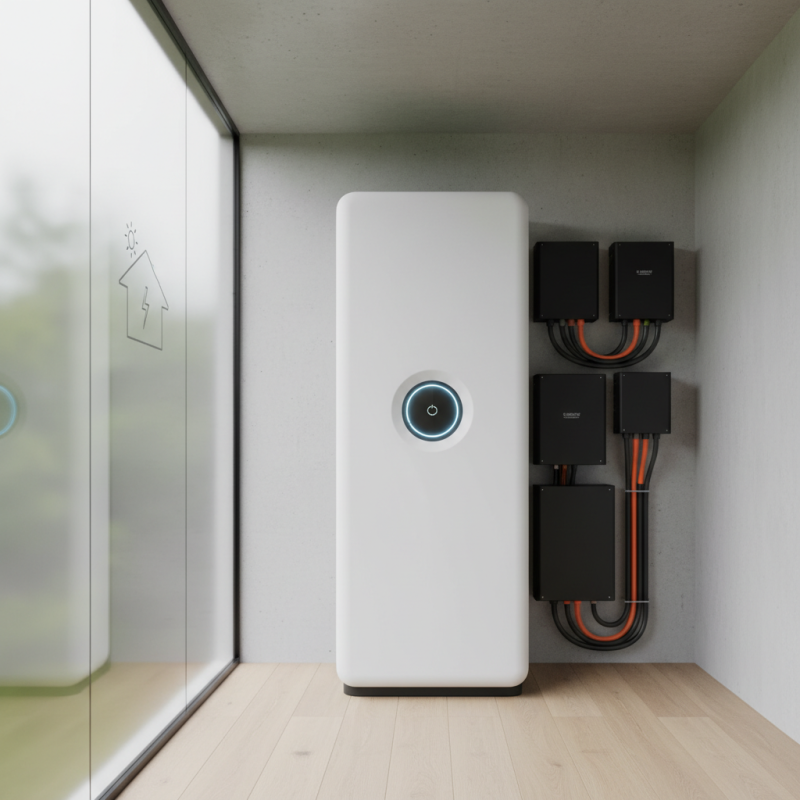
Understanding home battery backup systems is essential for homeowners. These systems store energy for later use. They are crucial during power outages. According to a report from the International Energy Agency, the demand for home battery systems is expected to grow by 40% by 2026.
When exploring options, consider battery capacity. Most systems range from 5 kWh to 20 kWh. This capacity impacts how long your home can run on stored energy. Estimates show that a standard American home uses about 30 kWh per day. Hence, a 10 kWh system could offer about one-third of daily needs.
Tips for selection: check for efficiency ratings. A higher efficiency means less wasted energy. Also, look into the lifespan of the battery. Many systems last between 5 to 15 years. This lifespan could influence your overall investment.
Evaluate installation costs and maintenance needs, too. While upfront costs may feel high, long-term savings matter. Remember, some systems may require professional installation, adding to the expense. Think about your energy needs and local grid reliability before making a final decision.
How to Choose the Best Home Battery Backup System for 2026?
| Feature | Details | Considerations |
| Battery Type | Lithium-ion, Lead-acid, Saltwater | Lifespan, Maintenance, Cost |
| Storage Capacity | 5 kWh to 20 kWh | Daily usage, Number of appliances |
| Inverter Type | Pure Sine Wave, Modified Sine Wave | Compatibility with sensitive devices |
| Installation Type | Standalone, Grid-tied, Off-grid | Site requirements, Local code regulations |
| Warranty | 5 to 10 years | Coverage details, Terms and conditions |
| Cost | $5,000 to $15,000 | Budget, Financing options |
| Monitoring Options | Mobile app, Web dashboard | User preferences, Real-time tracking |
Key Factors to Consider When Selecting a Backup Battery System
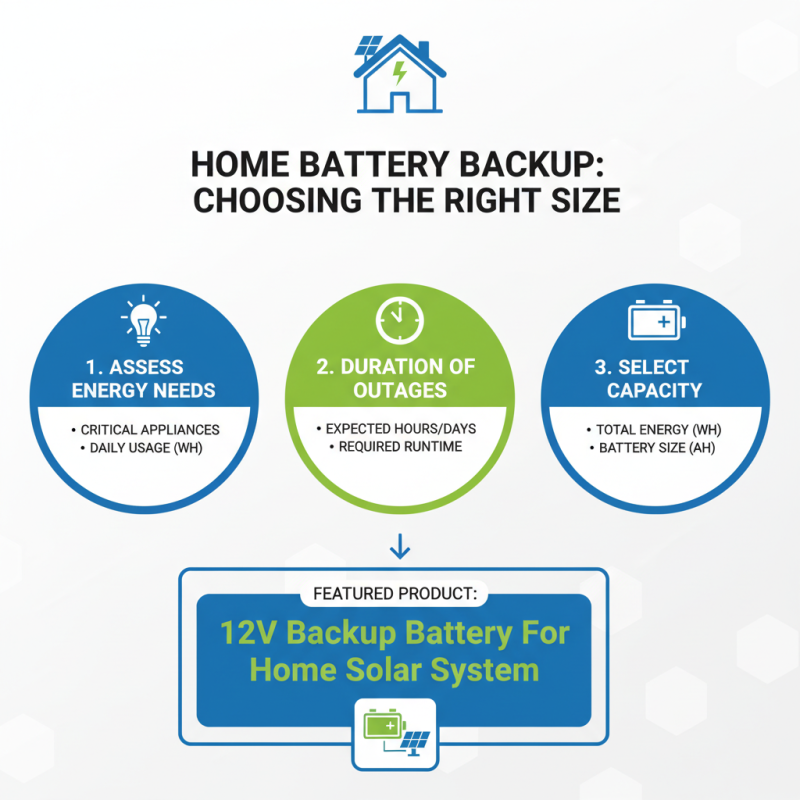
When selecting a home battery backup system, consider capacity first. Think about your energy needs during an outage. A 12v Backup Battery For Home Solar System can provide a reliable solution. You want enough capacity to power critical appliances. Determine how long you expect power outages to last. This will help in choosing the right size.
Next, evaluate charging speed. Some systems recharge faster than others. If you rely on solar, ensure compatibility. Check if the battery system integrates smoothly with your current setup. Efficiency is key; higher efficiency translates to more usable power. Also, factor in the replacement cycle. Batteries degrade over time and require replacement.
Lastly, don't ignore warranty and support options. Good customer support can save you headaches. Assess the battery's safety features too. Look for protection against overheating and short circuits. Remember, the right choice may not be obvious. Doing thorough research saves money and enhances reliability. Take your time to weigh all factors carefully.
Types of Home Battery Backup Systems Available in 2026
In 2026, homeowners have several types of battery backup systems to consider. Lithium-ion batteries are popular due to their high energy density and longer lifespan. According to a recent report by the Energy Storage Association, lithium-ion systems accounted for over 85% of the residential storage market last year. They are efficient but can be pricey upfront.
Lead-acid batteries, while more affordable, are heavier and have a shorter lifespan. Their cycle life usually lasts around 500-1,000 cycles, making them a less sustainable choice for some. However, they still serve as a viable option for those on a budget. If you opt for lead-acid, consider choosing a system that incorporates a 12v Ups Battery For Home Solar System for better integration with your solar setup.
**Tips:**
1. Calculate your energy needs carefully. Identify how much energy you consume daily.
2. Research and compare costs versus lifespan. Sometimes cheaper options can lead to higher long-term costs.
3. Be wary of integration issues with your existing solar system. Not all batteries work seamlessly together.
Remember, selecting a battery backup system is a serious commitment. Each choice comes with its own set of trade-offs. Evaluate your goals and needs before deciding.
Home Battery Backup Systems Comparison - 2026
Evaluating Battery Capacity and Power Requirements for Your Home
When choosing a home battery backup system, evaluate its capacity and your power needs. Start by assessing how much energy your home uses daily. Track appliances like refrigerators, lights, and heating systems. Calculate the total wattage to find your requirements.
Tips: Consider future needs. Is your family growing? Are you planning to add solar panels? Factors like these will influence your electricity demand. A good estimate helps in selecting the right battery size.
Look at battery storage options too. A Home Energy Storage System Lithium Battery can be efficient for many homes. Think about the duration you want the backup to last. If blackouts are frequent in your area, a larger capacity might be necessary. However, oversizing can lead to wasted resources. Balance is key.
Finally, think about where the system will be stored. Ensure proper ventilation and temperature control. A poorly placed battery can underperform or be damaged. Reflect on your current lifestyle and future plans. This understanding is vital for choosing the right system.
Assessing Cost-Effectiveness of Battery Backup Options
When choosing a home battery backup system for 2026, cost-effectiveness is key. Homeowners must consider initial purchase costs and long-term savings. Analyzing the total energy output can provide insights. Systems should be assessed based on their efficiency and lifespan. It's crucial to calculate how many outages you face yearly. Then, compare that with the battery's capability.
Efficiency ratings vary greatly. Some systems lose power over time, making them less reliable. Look for warranties that reflect expected usage. You might save money upfront, but ongoing costs matter too. Factor in installation fees and maintenance. It’s wise to evaluate how energy prices may rise in the next few years.
Consider the environmental impact. A cost-effective system may require rare materials, impacting sustainability. Think about recycling options and disposal. This approach ensures you choose wisely, balancing cost and environmental concern. Research local incentives or rebates; it can influence your decision significantly. Each choice carries weight and potential regrets. Reflect on personal energy goals before deciding.
Installation and Maintenance Tips for Home Battery Systems
When installing a home battery backup system, consider the space available. Measure your area carefully. The system should fit comfortably without cramping your home. Many systems have varying dimensions, so do your research. Your installation team will need enough space for wiring and maintenance.
Maintenance is crucial for optimal performance. Regularly check battery status. Make it a habit to inspect connections and cleanliness. Dust can harm batteries over time. Some homeowners overlook this simple step. It can lead to efficiency loss. Plan for annual professional check-ups. It may seem like an expense, but it can save money in the long run.
Think about battery life cycles. Each battery has a lifespan, which can vary. Understand your system's limits. Be aware of how often you use backup power. It's easy to assume batteries will last forever, but that's a common myth. Overuse can diminish their effectiveness. Always monitor usage patterns for better longevity. This makes a significant difference in keeping your system reliable.
Exploring Future Trends in Home Energy Storage Solutions
As we move closer to 2026, the landscape of home energy storage solutions is evolving rapidly. Homeowners are now considering advanced systems like the Home Energy Storage System Inverter Lithium Battery to improve their energy resilience. These systems promise enhanced energy efficiency and cost savings, but there are complexities involved. The interplay between battery capacity, power output, and grid compatibility can be tricky. Choosing the right configuration may seem daunting.
Emerging trends indicate a shift towards modular designs. These systems allow users to start small and expand as their needs grow. However, this flexibility comes with challenges. Not all modules interact smoothly, and compatibility is crucial. Homeowners must research extensively. They should consider their energy usage patterns and future needs. Integrating renewable sources could complicate installations further. Reliability will depend on various factors, from weather conditions to local regulations.
Additionally, the emphasis on sustainability is driving innovation. People are looking for eco-friendly materials. Yet, the industry faces questions regarding the recyclability of used batteries. It’s vital to weigh the long-term environmental impact against immediate benefits. Balancing these aspects can be overwhelming. Homeowners must stay informed to make the best decision for their future energy needs.
Evaluating Automotive Power Needs: Insights from the 2023 Battery Industry Report on SMF Battery 48D26R 12V 50AH
The 2023 Battery Industry Report reveals significant insights into the evolving automotive power needs, particularly emphasizing the importance of reliable and high-performance batteries like the 48D26R 12V 50Ah SMF battery. In an age where fuel efficiency and environmental sustainability are paramount, the demand for sealed maintenance-free (SMF) batteries that provide consistent starting power is on the rise. The advanced calcium-calcium technology employed in these batteries not only ensures optimal cold cranking performance but also minimizes water loss and self-discharge, making them an ideal choice for modern vehicles.
According to industry statistics, the automotive sector is projected to witness a shift towards more efficient battery solutions, driven by tighter regulatory standards and consumer preferences for longevity and reliability. With an increasing number of electric and hybrid vehicles entering the market, the importance of having a dependable auxiliary battery system cannot be overstated. The 48D26R battery, with its design tailored for longevity and performance, aligns perfectly with these trends, offering up to 50Ah capacity and a construction that endures the rigors of varying climate conditions.
Moreover, as outlined in the report, the global battery market is expected to grow at a compound annual growth rate (CAGR) of over 10% through the next five years. Such growth underscores the necessity for automotive manufacturers to prioritize battery technology. With features that enhance cold weather performance, the 48D26R battery stands out as a formidable option for automotive applications, providing both reliability and efficiency that modern vehicles demand.
FAQS
: A wellness retreat focuses on improving overall health. It often includes activities like yoga, meditation, and healthy eating.
Most retreats last from a weekend to a week. Some may extend to two weeks or more.
Essential items include comfortable clothing, workout gear, and personal hygiene products. Don't forget a journal and water bottle.
Yes, wellness retreats cater to various skill levels and backgrounds. However, some may have specific requirements.
Beginners are welcome. Many retreats offer beginner-friendly classes and guidance. It's okay to take things at your own pace.
Most retreats offer healthy meals, often catered to various dietary preferences. You may need to inform them of any food allergies.
Yes, there will be free time for relaxation or personal reflection. Use this time to explore your thoughts or connect with nature.
Costs vary significantly depending on location and accommodations. It’s crucial to budget for the entire experience, including travel.
Feeling uncomfortable is normal. Most retreats allow you to participate in your own way. Communicate your needs with the staff.
Attending can be refreshing and provide mental clarity. It can also motivate you to adopt healthier habits in daily life.
Conclusion
Choosing the best Home Battery Backup System for 2026 involves understanding the various types available and key factors that influence selection. An overview of home battery backup systems highlights their importance in energy storage and efficiency. When selecting a system, it is crucial to evaluate battery capacity and your home's power requirements, ensuring that the system meets your energy needs during outages.
Cost-effectiveness is another important aspect to consider, as the initial investment and long-term savings play a critical role in decision-making. Additionally, proper installation and maintenance tips can enhance the longevity and performance of your system. As we look toward future trends, advancements in technology are likely to further improve home energy storage solutions, making them more accessible and efficient for homeowners.