Choosing the right Lithium Battery for your Energy Storage System is actually a pretty big deal — it really impacts both efficiency and how long it lasts. I remember chatting with Dr. Emily Chen, a renewable energy storage expert at GreenTech Solutions, and she said something that stuck with me: "Picking the right battery is just as important as the system itself." With all the new tech out there, it can honestly feel a bit overwhelming trying to make the right choice.
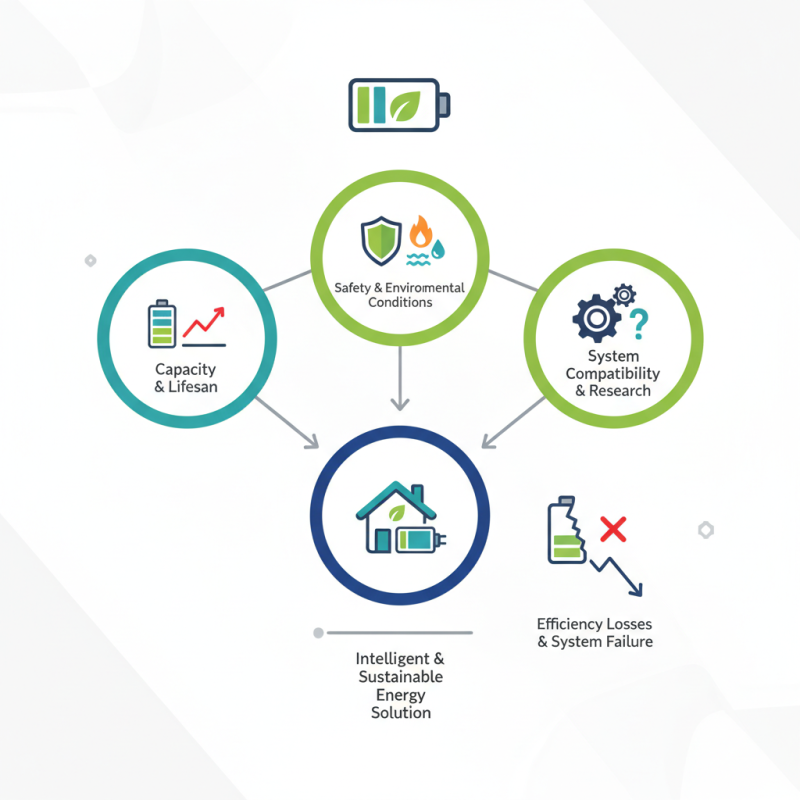
When you’re looking at an Energy Storage System Lithium Battery, there are a few key things to keep in mind — like capacity, how long it’ll last, and safety. A good quality battery can really make everything run smoother and more reliable. One thing that often gets overlooked though, is how environmental factors can impact your battery's lifespan. Taking the time to assess these conditions can actually help you manage your energy more efficiently.
But here’s the thing — not all batteries are created equal, and not every one is a perfect fit for every system. If you pick the wrong one, it could lead to reduced performance or even cause your entire setup to fail. That’s why it’s so important to do your homework and think back on past choices. Being intentional about this stuff makes your energy storage setup smarter and more sustainable. It’s all about making informed decisions so you can avoid common pitfalls down the line.
Understanding Lithium Batteries: Types and Their Applications
Lithium batteries have become essential in modern energy storage systems. Understanding the types of lithium batteries is crucial for selecting the right one. The most common types are Lithium-ion (Li-ion) and Lithium Iron Phosphate (LiFePO4). Li-ion batteries are widely used due to their high energy density and efficiency. Reports indicate that about 95% of electric vehicles use Li-ion technology. These batteries hold significant potential in residential and commercial energy storage systems.
Lithium Iron Phosphate batteries are known for their stability and safety. They offer a longer cycle life but typically have a lower energy density than Li-ion batteries. According to industry analysts, the demand for LiFePO4 batteries has surged due to safety concerns in energy storage applications. In contrast, Li-ion batteries may pose risks like thermal runaway if not managed properly. This shows that choosing an Energy Storage System Lithium Battery requires careful consideration of safety aspects and performance needs.
Market research highlights that the global lithium battery market is expected to reach $100 billion by 2025. However, the rapid growth raises questions about sustainability and resource availability. The environmental impact of lithium mining cannot be overlooked. Potential shortages of lithium could affect future supply chains. Making informed choices based on these insights is essential for effective energy storage solutions.
Key Factors to Consider When Selecting Lithium Batteries
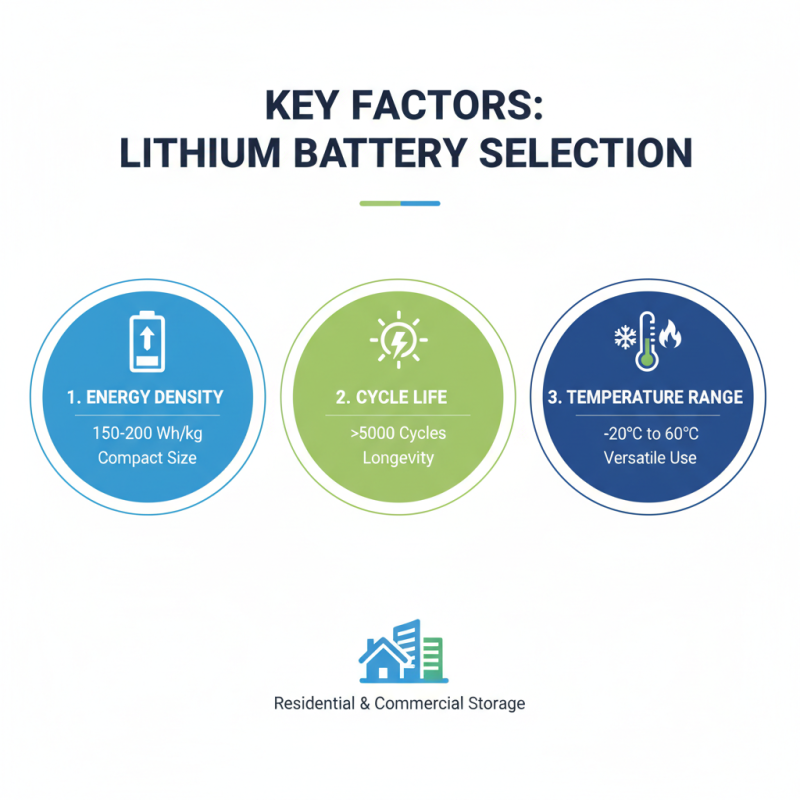
When selecting lithium batteries for energy storage systems, several key factors demand attention. Energy density is significant. Reports indicate that advanced lithium batteries typically offer 150-200 Wh/kg. This capacity allows batteries to hold substantial energy while minimizing weight. An efficient energy density reduces storage size and optimizes space in both residential and Commercial Applications.
Cycle life is another critical consideration. Many lithium batteries can endure 2,000 to 8,000 charge cycles, depending on chemistry and usage conditions. Choosing a battery with a longer cycle life can lead to lower replacement costs over time. It's essential to evaluate the overall battery management system as well. This system directly impacts performance and safety, which are paramount in energy storage.
Cost is a pivotal concern, yet it often overshadows quality. A tendency exists to favor lower-priced options without recognizing potential long-term drawbacks. High-quality batteries may come with a higher upfront price but tend to deliver greater reliability and better warranties. Evaluating warranty conditions can reveal the manufacturer's confidence in their product’s durability. Balancing initial costs with long-term benefits is crucial for an optimal investment in energy storage solutions.
Capacity and Energy Density: What You Need to Know
When choosing a lithium battery for energy storage, understanding capacity and energy density is crucial. Capacity refers to how much energy a battery can store, usually measured in kilowatt-hours (kWh). For most residential applications, a battery with at least 10 kWh of capacity is recommended. This size supports daily energy needs and nighttime consumption. Energy density, on the other hand, measures how much energy is stored in a given volume or weight. A higher energy density means less space occupied, which is vital for home installations.
Data from the International Energy Agency highlights that lithium-ion batteries often have an energy density ranging from 150 to 250 Wh/kg. This performance is crucial for a Home Energy Storage System Lithium Battery, as it allows homeowners to maximize storage in limited spaces. However, not all lithium batteries are created equal. Some may offer higher capacities but compromise energy density, leading to inefficient designs.
Reflecting on the choices available, one must consider not just the numbers but also the application. A battery with high capacity may seem appealing, but if its energy density is low, it can hinder efficient use. Evaluating performance metrics helps ensure that you select the most effective solution for your energy needs. Balancing capacity and energy density remains a challenge in the evolving market of lithium batteries.
How to Choose the Best Lithium Battery for Energy Storage System?
| Parameter | Description | Value |
| Capacity | Total energy storage capacity of the battery. | 10 kWh |
| Energy Density | Energy stored per unit volume or weight. | 200 Wh/kg |
| Cycle Life | Number of charge/discharge cycles before capacity drops below 80%. | 3000 cycles |
| Charging Time | Time required to fully charge the battery. | 5 hours |
| Temperature Range | Optimal operating temperature range for efficiency. | -20°C to 60°C |
| Weight | Weight of the battery system for installation. | 25 kg |
Lifespan and Cycle Life: How They Impact Battery Performance
When selecting a lithium battery for energy storage, lifespan and cycle life are crucial factors. Lifespan refers to how long a battery can last before it needs replacement. In contrast, cycle life measures how many charge and discharge cycles a battery can endure. Understanding these metrics helps in evaluating performance.
A battery with a long lifespan is usually more cost-effective. However, some batteries may excel in cycle life but have a shorter lifespan. This trade-off can impact long-term usage and maintenance costs. For example, if a battery can handle 5,000 cycles but lasts only five years, it may require more frequent replacements. This may lead to unexpected expenses and logistical challenges.
Choosing the right battery isn't just about numbers. Real-life performance can differ due to various factors. Temperature fluctuations and charging habits play a significant role. Some users may find that a battery performs poorly in extreme conditions. Others may notice faster degradation due to irregular usage patterns. It's essential to reflect on these aspects when making a choice.
Battery Management Systems: Importance for Energy Storage
In the realm of energy storage, the significance of Battery Management Systems (BMS) cannot be overstated. A BMS regulates charging and discharging, ensuring battery safety and longevity. It monitors individual cell voltages, temperature, and health, which is crucial for optimizing system performance. According to a report by the International Energy Agency, an efficient BMS can enhance battery lifespan by up to 30%. This is vital for large-scale energy storage systems that require consistent, reliable performance.
Moreover, the complexity of integrating renewables like solar and wind makes a robust BMS essential. These systems face fluctuations in energy input. A BMS can manage these variations effectively. It provides real-time data, allowing operators to make informed decisions. A study by the U.S. Department of Energy highlighted that optimized BMS configurations can reduce operational costs by as much as 20%. However, challenges remain. Implementing advanced BMS technology can be cost-prohibitive for smaller systems, leading to inequities in access to reliable energy storage solutions.
Choosing the right BMS involves understanding your energy needs. Each project may require a different configuration. The importance of choosing wisely cannot be understated. A poorly selected system can lead to reduced efficiency and increased risks. It's here that the experience of industry experts becomes invaluable. Insights from consulting firms can provide clarity in this complex decision-making process. Despite the advancements, there is always room for improvement in BMS technology and its application.
Cost Considerations: Budgeting for Lithium Battery Solutions
Budgeting for a lithium battery solution can be challenging. The initial cost, installation, and maintenance all add up. A good understanding of your energy needs is critical. Assess how much energy you consume and your long-term goals. A comprehensive analysis can reveal potential savings in energy costs over time.
Consider the various options available in the market. Prices for lithium batteries vary significantly. Higher capacity batteries may be more expensive upfront but can offer better value in the long run. It's important to weigh these factors against your budget. Sometimes, a cheaper option may lead to higher replacement costs.
Many people overlook hidden costs. Installation can involve additional expenses, especially if professional help is needed. Maintenance and warranty services are often sidelined in initial calculations. A Home Energy Storage System Inverter Lithium Battery could require periodic checks to ensure reliability. Always research thoroughly to avoid unpleasant surprises.
Safety and Environmental Impact: Best Practices for Use
When considering a lithium battery for energy storage, safety and environmental impact are paramount. Proper storage reduces risks and enhances efficiency. It’s crucial to ensure the battery system is installed in a cool, dry place. High temperatures can lead to thermal runaway, while moisture can cause significant damage. Regular inspections are important. They help identify potential hazards early.
Using a Home Energy Storage System Pack Stack Lithium Ion Battery can be beneficial. Yet, it's vital to adhere to best practices for disposal and recycling. Never dispose of lithium batteries in regular trash. They require specialized handling due to their chemical properties. Awareness of local recycling programs can minimize environmental impacts and foster sustainability.
Awareness of potential hazards in lithium battery technology is also essential. As battery technology evolves, so do the risks. Overcharging, for instance, can lead to serious issues. Understanding these risks is key to safe usage. Knowledge empowers users to make informed decisions, ensuring a more sustainable future.
Maximizing Telecom Resilience: Insights from Industry Reports on MHB ML100-2 2V 100Ah UPS Battery Applications
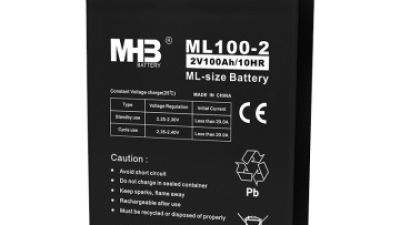
In today's fast-paced telecommunications landscape, the demand for reliable power sources is paramount. The MHB ML100-2 2V 100Ah UPS battery emerges as a crucial component in enhancing telecom resilience. Its high-capacity design allows it to cater to a wide array of applications, from small-scale systems to extensive telecom networks, ensuring that all scenarios are met with optimal efficiency. The flexibility of its 2V configuration enables easy integration into existing infrastructures, allowing telecom operators to customize their power solutions to meet specific needs.
Moreover, the durability and longevity of lead-acid technology underpin the MHB ML100-2's reliability in demanding environments. These batteries are engineered to endure the challenges of continuous operational use, providing essential backup power during outages and maintaining seamless connectivity for users. With increasing global dependence on telecommunications, ensuring uninterrupted service through robust battery solutions is critical for maintaining operational integrity and customer satisfaction. The MHB ML100-2 stands out as a trusted ally for businesses striving to optimize their telecom infrastructure resilience.
FAQS
: Energy density refers to the amount of energy stored per weight or volume. Higher energy density is efficient.
A longer cycle life means fewer replacements over time, reducing costs and increasing reliability in energy storage.
A BMS ensures safety, longevity, and optimal performance by regulating charging and monitoring battery health.
A battery with at least 10 kWh of capacity is typically recommended for residential daily energy needs.
Lower-priced batteries may seem attractive, but they can have hidden long-term drawbacks. Quality often outweighs upfront costs.
Capacity, energy density, and battery management systems are vital. It's crucial to balance performance with application requirements.
Yes, if the energy density is low, a high-capacity battery may take up more space and hinder efficiency.
Real-time data helps manage fluctuations in energy input, improving efficiency in systems that integrate renewables.
An optimized BMS can lower operational costs by effectively managing energy systems and preventing waste.
Implementation of advanced BMS can be financially burdensome for smaller systems, impacting their access to reliable storage.
Conclusion
When selecting the best energy storage system lithium battery, it's vital to understand the different types of lithium batteries available and their specific applications. Key factors include capacity and energy density, which determine how much energy the battery can store and deliver. Additionally, lifespan and cycle life are crucial as they directly affect the long-term performance of the battery.
Effective battery management systems play an important role in optimizing the performance and safety of energy storage systems. Cost considerations are also essential, as budgeting effectively can lead to better decision-making. Finally, understanding the safety and environmental impact of lithium batteries is crucial for responsible use, ensuring that best practices are followed throughout the battery's life cycle. By considering these factors, users can make informed choices that best suit their energy storage needs.