Picking out the right 12v UPS Battery can actually get a bit overwhelming, honestly. With so many options out there, it’s super important to really get clear on what you actually need. A good quality battery isn’t just about keeping your power on when the lights go out — it also helps protect your devices and makes them last longer. That’s a win in my book.
When you’re looking at a 12V ups battery, think about stuff like capacity and how long it’s gonna last. Some batteries are built for a longer run, while others might pack a punch for quick, high-performance bursts. Brands like APC or CyberPower usually have a good lineup for different kinds of setups, so it’s worth checking out what they offer.
And don’t forget to peek at reviews and reputation. Sometimes, folks jump straight to the flashy features without considering things like maintenance or if it’ll actually work well with what you have. Something that seems impressive might not be the best choice in the long run. So, yeah — take your time, do a little homework, and pick wisely. It’ll make a big difference down the line.
Factors to Consider When Selecting a 12V UPS Battery for Your System
Choosing the right 12V UPS battery involves several critical factors. Capacity is a primary concern. You need to determine how much power your system requires during an outage. Larger systems demand batteries with higher capacity. If you select a battery that can't support your needs, your equipment may fail when you need it most.
Another important consideration is battery chemistry. Common types include sealed lead-acid, lithium-ion, and absorbent glass mat. Each type has its advantages and disadvantages. For instance, lithium-ion batteries offer longer life and lighter weight. However, they can be more expensive. Your budget and usage situation should guide this choice.
The environment where the battery will be used also matters. Extreme temperatures can affect performance. While some batteries handle heat well, others may suffer or even become damaged. Consider where you'll place the UPS.
Regular testing and maintenance are crucial to ensure longevity and reliability. A neglected battery may fail unexpectedly. Regular checks help identify issues before they become critical. Always keep this aspect in mind when making your selection.
Understanding Battery Chemistry: Lead-Acid vs. Lithium Ion for UPS
When selecting a 12V UPS battery, understanding battery chemistry is crucial. Lead-acid and lithium-ion batteries are the two main options. Lead-acid batteries are known for their affordability and robustness. They have a long history of use, which gives them a proven track record. However, they are heavier and less efficient compared to lithium-ion batteries. This can be a significant drawback in terms of portability.
On the other hand, lithium-ion batteries offer several advantages. They are lighter, more compact, and generally provide higher energy efficiency. Their lifespan is often longer, leading to a reduction in replacement costs over time. Yet, they can have a higher initial price point. This may deter some users, but the long-term savings can justify the investment.
Choosing the right battery involves weighing these factors. Consider your specific needs. Do you need portability or longevity? Reflect on your budget, usage patterns, and maintenance willingness. Each battery type has trade-offs that you should contemPlate carefully. Gathering detailed information helps make informed decisions.
Evaluating Capacity: Calculating How Much Power You Really Need
When evaluating capacity for a 12V UPS battery, it's crucial to calculate your power needs accurately. Many users underestimate their requirements, leading to inadequate performance. According to a report by the International Energy Agency, devices typically consume more power than listed in their specifications, particularly during peak usage. For instance, a device rated at 100W might draw up to 150W while starting.
It's essential to consider both running wattage and surge wattage. The latter can affect the choice of a 12v Ups Battery For Electric Toy applications. For example, if your toy consumes 50W continuously but has a 100W surge at startup, you'll need a battery that can handle that peak. Failing to choose correctly can result in shutdowns when you need power most.
Furthermore, consider battery efficiency. Not all batteries perform at their rated capacity due to age, temperature fluctuations, and discharge rates. A survey from Battery University indicates that most lead-acid batteries lose approximately 20% of their effective capacity over time. Always plan for this efficiency loss to ensure you select a battery that meets your needs reliably.
The Role of Cycle Life in Battery Longevity and Performance
When selecting a 12v Ups Battery For Electric Tools, understanding cycle life is crucial. Cycle life refers to how many complete charge and discharge cycles a battery can undergo before its capacity significantly diminishes. A battery with a high cycle life can last years under normal use. However, many consumers overlook this aspect, focusing mainly on the initial cost. This can lead to long-term dissatisfaction and unexpected replacements.
Performance is directly linked to cycle life. A battery that offers fewer cycles may initially seem cheaper, but it can become costly over time. A brief reflection on typical usage reveals that users often deplete a battery’s charge, further stressing its lifespan. Choosing a battery with a strong cycle life means selecting one that endures frequent use without major degradation.
Battery longevity is equally tied to optimal storage conditions. High temperatures or overcharging can drastically shorten a battery's life. Therefore, always ensure proper environmental conditions for your 12V UPS battery for electric tools. Understanding these factors will lead to an informed purchase decision, enhancing both reliability and performance.
Importance of Compatibility with Existing UPS Systems and Equipment
When choosing a 12V UPS battery, compatibility with your current systems is crucial. Your UPS system's voltage, capacity, and connectors must align with the new battery. This ensures seamless integration and reliable performance. A mismatch could lead to inefficiencies or even damage to your equipment. Evaluate your existing setup before making a purchase.
Consider the specifications of your UPS. Verify the voltage rating and make sure the new battery matches. Pay attention to the amp-hour (Ah) rating as well; a higher rating means longer runtime. Also, check the physical dimensions. If the new battery doesn't fit, you'll face installation challenges. Assessing compatibility can save you time and money in the long run.
Moreover, it's essential to consult user reviews or forums. Many users share their experiences with specific battery models. This shared knowledge can guide you to reliable choices. However, not all information will be accurate. It's wise to consider various sources and weigh all opinions before deciding. Engaging with the community can provide insights that you might overlook.
Comparison of Different 12V UPS Battery Types
This bar chart compares the average cycle life of various 12V UPS battery types, which is crucial for understanding their longevity and suitability for your UPS systems. Lithium-ion batteries provide the longest cycle life, making them a popular choice for modern applications.
Understanding the Impact of Temperature and Environment on Battery Life
When selecting a 12V UPS battery, environment plays a crucial role. Temperature fluctuations can significantly affect battery performance. High temperatures can increase the battery’s self-discharge rate. This means that even when not in use, the battery could lose charge more quickly. Conversely, extremely cold conditions can reduce the battery’s capacity. This is especially important for applications like alarm systems.
Humidity also impacts battery life. In humid environments, batteries can corrode faster. This could lead to failure when you need backup power most. It's essential to store and use your 12v Ups Battery For Alarm Systems in a controlled environment, if possible. Ensure the location is dry and temperature-stable.
Regular maintenance is vital to prolong battery lifespan. Check connections periodically to avoid oxidation. Look for any signs of wear or leaks. Neglecting these small details can cause unexpected failures. Be mindful of how environmental factors interact with battery health. These considerations may save you from costly surprises later on.
How to Choose the Best 12V UPS Battery for Your Needs? - Understanding the Impact of Temperature and Environment on Battery Life
| Battery Type | Capacity (Ah) | Temperature Range (°C) | Expected Lifespan (Years) | Typical Use Cases |
| Lead Acid | 7 | -15 to 50 | 3-5 | Small UPS Systems |
| AGM | 12 | -20 to 60 | 4-6 | Solar Power Systems |
| Gel | 9 | -20 to 50 | 5-7 | Backup Power for Telecom |
| Lithium-ion | 12 | -10 to 60 | 10-15 | Electric Vehicles and High-tech Applications |
| NiMH | 10 | 0 to 40 | 3-5 | Portable UPS Systems |
Cost Analysis: Balancing Initial Cost vs. Long-Term Value of 12V UPS Batteries
Choosing the right 12V UPS battery requires careful financial planning. The initial investment often looks enticing, but long-term costs can be misleading. A cheaper battery may save money today, but what about reliability tomorrow? It's essential to consider the lifespan of the battery and its efficiency over time.
Maintenance plays a crucial role in total costs. Regular checks and proper care can extend the life of a 12V UPS battery for anti-fire security system applications. Neglecting these aspects often results in sudden failures. This leads to replacement costs and possible risks during crucial times.
Value goes beyond the upfront price. A robust battery with a higher initial cost may prove more economical over time. Balancing these factors involves understanding usage patterns and risks. Each decision should reflect not only budget constraints but also the long-term reliability required for safety and security. Reflect on what truly matters for your setup.
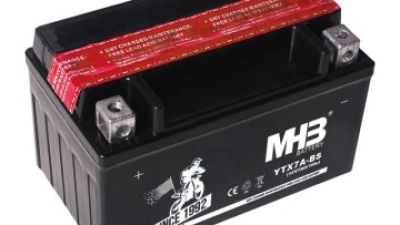
The Ultimate Guide to Choosing and Maintaining the 12V 7AH Maintenance Free Motorcycle Battery MHB YTX7A-BS
When it comes to selecting the right battery for your motorcycle, the 12V 7AH maintenance-free option stands out for its reliability and practicality. The MHB YTX7A-BS model exemplifies the advantages of such batteries, boasting an impressive history as a bestseller in the market. With a 12V voltage and a 7AH capacity, this battery delivers robust performance without the hassle of maintenance. The maintenance-free design ensures that motorcycle enthusiasts can enjoy longer ride times without the concern of periodic checks and fluid replacements, a convenience that is particularly appealing for those who frequent the open road.
According to industry reports, the demand for maintenance-free motorcycle batteries has seen steady growth, driven by their low maintenance requirements and overall cost-effectiveness. Riders often find that these batteries provide exceptional value, given that they tend to perform reliably in various weather conditions and can last longer than traditional lead-acid batteries. In fact, studies indicate that maintenance-free batteries can outlast their conventional counterparts by up to 30%, ultimately saving riders both time and money over the lifespan of their motorcycles.
Choosing a battery like the 12V 7AH maintenance-free option is not only practical but also contributes to the overall performance and reliability of your motorcycle. With the right battery, you can ensure that your bike starts smoothly and runs efficiently, allowing you to focus on what truly matters—enjoying your ride. Balancing cost, performance, and ease of use, the MHB YTX7A-BS stands as a testament to the evolution of motorcycle battery technology.
FAQS
: Capacity is crucial. Ensure the battery can support your system's power needs during an outage.
Battery types include sealed lead-acid and lithium-ion. Each has its pros and cons that fit different situations.
Temperature extremes can hurt battery performance. Ensure the battery can withstand the conditions where it will be used.
Neglecting maintenance can lead to unexpected failures. Regular checks help catch issues before they become serious.
High temperatures can increase self-discharge rates. Cold conditions may reduce capacity, especially for alarm systems.
Yes, humidity can accelerate corrosion. Store batteries in a dry, stable environment to prevent failure.
Not necessarily. Cheaper options might fail sooner, causing higher replacement costs over time.
Regularly check connections and look for wear or leaks. Small details matter in maintaining battery health.
Balance initial cost with long-term reliability. Factor in usage patterns and potential risks to make the best choice.
While it saves money upfront, it may lead to more failures. Evaluate total costs versus benefits over time.
Conclusion
When selecting a 12V UPS Battery, several critical factors must be considered to ensure optimal performance for your system. First, understanding the battery chemistry is vital; lead-acid batteries typically offer lower initial costs but may lack the longevity of lithium-ion options. Evaluating capacity is also crucial—calculate the actual power needs of your equipment to avoid underperformance. Cycle life should not be overlooked, as it directly impacts how long the battery will last before needing replacement.
Compatibility with your existing UPS system is essential to prevent any functionality issues. Additionally, environmental factors, such as temperature, can greatly affect the battery's lifespan and performance. Lastly, conducting a cost analysis helps you strike a balance between the initial investment and the long-term value of the 12V UPS Battery, ensuring you make a well-informed decision for your power backup needs.