Picking the right Battery Platesis super important if you want to get the most out of your energy storage. These Plates really impact both how well your system performs and how long it lasts. When you’re shopping around, keep an eye on their materials, size, and capacity—these factors all play a part in whether they’ll meet your specific needs.
A good first step is to figure out how much power you actually need. If you get it wrong, you might end up with some serious inefficiencies. Also, don’t forget—quality really counts here. Cheap or poorly made Battery Plates might break down sooner than expected, which could end up costing you both time and money. Sometimes, doing some performance tests can help, but you might want to get some expert advice on that.
And hey, don’t overlook the importance of brand reputation. Companies with a solid track record usually offer reliable, tested products. That said, even the big names can have their outliers, so it’s worth reading reviews and doing a little homework before making your choice. Picking the right plates isn’t just a small detail—it can make a big difference in how well your battery system works and how long it lasts.

Understanding the Role of Battery Plates in Energy Storage Systems
Battery plates play a crucial role in energy storage systems. They are essential components of batteries that store and release electrical energy. Understanding their function helps users make informed choices. The efficiency of a battery greatly depends on the design and materials used in its plates.
Different designs, such as flooded, AGM, or gel, influence performance. Flooded batteries use liquid electrolytes, while AGM plates are sealed and maintenance-free. Knowing the differences is key to selecting the right type for your needs. Material choices also matter. Lead, for instance, is a common option due to its reliability. However, considerations like weight and lifespan should not be overlooked.
One must also reflect on the environmental impact of chosen battery plates. Manufacturing techniques can vary, impacting both performance and sustainability. So, questioning source origins and production processes is important. A thoughtful choice in battery plates can enhance energy efficiency and reduce waste.
Types of Battery Plates: Lead Acid, Lithium-Ion, and More
When choosing battery plates, understanding the types available is crucial. Lead-acid plates are common. They are known for their reliability and affordability. However, they can be heavy and require maintenance. Lithium-ion plates, on the other hand, are lighter and more efficient. They offer higher energy density but come with a higher price tag. Consider where and how you will use these batteries.
Diving deeper, Power Lead Calcium Battery Plates stand out among lead-acid options. They provide enhanced cycle life and lower self-discharge rates. This makes them popular for renewable energy applications. While they are more resistant to corrosion, they may not offer as much power for heavy loads as lithium-ion batteries do.
While each type has its merits, reflect on your specific needs. Consider the environment, weight, and maintenance you can handle. A thorough assessment will lead to a more satisfying choice. Balance the initial cost with long-term benefits. Making the right decision will save you time and money in the long run.
Factors to Consider When Selecting Battery Plates
When choosing battery plates, consider the type of battery technology required for your application. Different energy needs dictate specific plate configurations. For instance, Start-Stop Battery Plates are designed differently than standard plates. They focus on frequent cycling and quick energy release. This makes them ideal for vehicles with advanced start-stop systems.
Evaluate the material composition of the battery plates. Lead-acid plates differ significantly from newer lithium options. Each material has its durability and efficiency. For example, lead plates can corrode over time rather easily. However, they may still be a more affordable choice for specific uses. Think about the environment as well. Extreme temperatures can shift performance levels. This factor should guide your choice.
Reflect on how you plan to use the battery. Is it for automotive, renewable energy, or another purpose? Every application will have different needs and stresses on the plates. Prioritize quality over cost. Cheaper plates might save money upfront but could fail sooner. Consider long-term reliability. After all, investing wisely is crucial for maximizing performance and lifespan.
2026 How to Choose the Best Battery Plates for Your Needs - Factors to Consider When Selecting Battery Plates
| Battery Type | Material | Thickness | Capacity (Ah) | Weight (kg) | Life Cycle (charge/discharge) |
| Lead Acid | Lead | 2.0 mm | 100 | 30 | 500 |
| AGM (Absorbed Glass Mat) | Lead | 2.5 mm | 120 | 35 | 800 |
| Lithium-Ion | Lithium Cobalt | 1.5 mm | 150 | 20 | 2000 |
| Gel | Lead | 2.2 mm | 90 | 28 | 600 |
| Nickel Cadmium | Nickel | 3.0 mm | 80 | 40 | 1200 |
Evaluating the Performance Specifications of Battery Plates
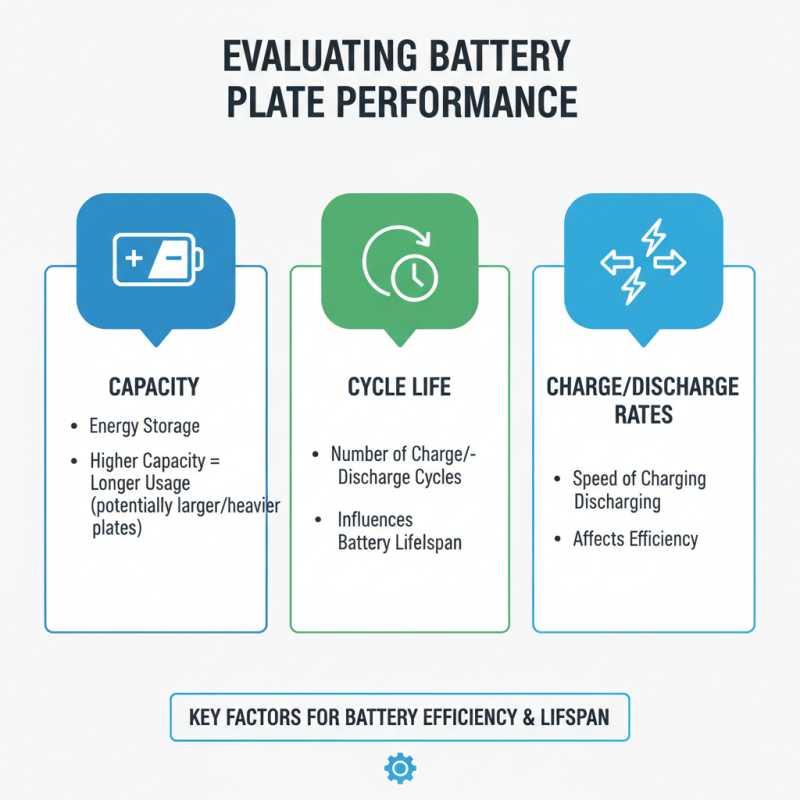
When evaluating battery plates, several performance specifications come into play. These factors can greatly influence the efficiency and lifespan of batteries. Key specifications include capacity, cycle life, and charge/discharge rates. Capacity determines how much energy can be stored. A higher capacity often means longer usage times, but it may also lead to larger, heavier plates.
Cycle life is another crucial aspect. It refers to the number of complete charge and discharge cycles a plate can endure before capacity significantly declines. Plates with longer cycle lives tend to be more reliable for frequent use. Moreover, understanding charge and discharge rates is essential for determining operational efficiency. If a plate cannot handle the required rates, performance issues may arise.
It's also important to consider the materials used in making battery plates. Different materials affect conductivity and temperature tolerance. Sometimes, users overlook these details, leading to unsatisfactory performance. Reflecting on your specific needs can aid in making informed choices. Each application may necessitate different specifications, revealing that not all battery plates are one-size-fits-all solutions.
Comparative Analysis of Cost vs. Longevity in Battery Plates
When selecting battery plates, it's crucial to weigh the balance between cost and longevity. A recent industry report indicates that premium battery plates can yield a lifespan of up to 10 years. In contrast, cheaper options may only last 3 to 5 years. This data emphasizes the importance of considering long-term investment over initial savings.
Cost-effective battery plates typically have lower performance ratings. They may require more frequent replacements and can result in higher overall expenses. A study by the Battery Council International showed that investing in higher-quality plates can lead to over 20% savings in replacement costs over a decade. However, not all expensive plates guarantee superior quality. Research is essential.
Tip: Always check warranties and reviews. They can reveal the true longevity of battery plates.
Pre-owned or refurbished battery plates can be a gamble. While they might seem cheap, they may not deliver reliable performance. It's often wise to seek expert advice before purchasing. Evaluate your specific needs. Understanding usage patterns can significantly influence your choice.
Tip: Keep an eye on innovation. New materials can enhance performance and longevity. Exploring these can lead to smarter decisions.
How to Properly Maintain Battery Plates for Optimal Performance
Proper maintenance of your battery plates is crucial for prolonging their lifespan and ensuring optimal performance. Regular inspections can help identify issues early. Look for signs of corrosion or dirt buildup. Cleaning the battery plates should be done with care. Use a soft brush and appropriate cleaning solution to avoid damaging them. This simple step can significantly impact how well your Energy Storage Battery Plates function.
Temperature plays a vital role in battery performance. Extreme heat or cold can affect the efficiency of battery plates. Store and operate batteries in an environment where temperature is regulated. If you notice irregular performance, it may be indicative of temperature-related issues. Reflect on your storage practices. Are they optimal, or could they be improved? Proper ventilation helps maintain an even temperature, enhancing performance and longevity.
Water levels in the battery are another critical factor. Maintaining the right fluid level is essential to prevent overheating. If fluid levels drop too low, the battery plates can warp. Monitor water levels regularly, especially during extreme weather changes. Think about how often you check these levels. By prioritizing these maintenance tasks, you can ensure your Energy Storage Battery Plates continue to perform effectively over time.
Future Trends in Battery Plate Technology and Materials
The battery plate industry is on the cusp of significant advancements. With rising energy demands and environmental concerns, the shift towards innovative materials is crucial. Battery plates made from lightweight composites and advanced alloys can enhance performance. This move reduces weight while improving lifespan and efficiency. There is also a trend towards recycling existing materials to minimize waste and lower costs.
Future technologies may include nanomaterials that offer higher conductivity. These enhancements can lead to more efficient energy transfer. The introduction of smart battery plates is also promising. Equipped with sensors, they can monitor performance in real time. Such features might ensure optimal energy use and extend the battery's overall life.
Another key area of exploration is the integration of 0.6-1.1ah Start-Stop Battery Plates. These plates must support modern vehicles with increased energy needs. Yet, industry challenges remain. Not all materials perform well under varying conditions. Understanding these limitations is essential for making informed choices. Constant innovation is necessary, and developers must balance performance with safety and sustainability. Progress depends on collaborative efforts among researchers and manufacturers.
Trends in Battery Plate Technology (2026)
Exploring the Reliability and Performance of YTX12-BS Motorcycle Battery: Insights from Industry Reports and Trends
The YTX12-BS motorcycle battery has emerged as a leading solution for riders seeking reliability and performance. Its adoption of Advanced Glass Mat (AGM) technology marks a significant advancement in battery design, effectively addressing common issues faced by traditional batteries, such as leakage and corrosion. This innovative construction not only enhances durability but also ensures that the battery retains its performance even during extended periods of inactivity. For motorcyclists, this means less hassle with frequent replacements and maintenance, allowing for more time on the road.
In addition to its impressive lifespan, the YTX12-BS battery demonstrates remarkable resilience, making it an ideal choice for a variety of riding conditions. Riders can confidently rely on this battery, knowing it will perform consistently, regardless of climate or usage patterns. This performance stability translates into cost savings over time, as the need for regular battery replacements is dramatically reduced. Overall, the YTX12-BS stands out as a reliable investment for motorcyclists looking to enhance their riding experience while minimizing upkeep.
FAQS
: Premium battery plates can last up to 10 years, offering long-term savings despite higher initial costs.
Cheaper plates may last only 3 to 5 years, requiring more frequent replacements and increasing costs in the long run.
Yes, warranties and reviews can provide insights into the longevity and performance of battery plates.
Pre-owned plates can be unreliable. Expert advice is crucial for assessing their performance and suitability.
Extreme temperatures can hinder efficiency. Store batteries in a controlled environment for better performance.
Regular cleaning prevents dirt and corrosion buildup, positively impacting battery function and lifespan.
Low water levels can warp battery plates and lead to overheating. Regular monitoring is essential.
Reflect on your current practices. Regular checks and proper ventilation can enhance battery performance and longevity.
Analyze your specific needs and usage patterns. Informed decisions can lead to smarter purchases.
New materials can enhance performance and longevity. Staying updated on innovations is important for optimal choices.
Conclusion
When selecting battery plates for energy storage systems, it's essential to understand their critical role and the various types available, such as lead acid and lithium-ion. Factors influencing the selection process include performance specifications, cost versus longevity, and maintenance requirements. Proper maintenance techniques are vital for ensuring the optimal performance of battery plates, as they significantly impact the overall efficiency and lifespan of the energy storage solutions.
As technology advances, the future trends in battery plate materials and designs promise to enhance performance and reduce costs. Understanding these aspects allows consumers and industries to make informed decisions that align with their energy storage needs, ensuring they choose the best battery plates for their applications.