Leave Your Message
0%

Honestly, picking the best Dry Charged Battery isn't just about price tags or cold cranking amps. You really need to think through storage, activation, vehicle fit, climate, and how easy it is to get to for maintenance.

A Dry Charged Battery keeps the electrolyte separate, which cuts down on self-discharge during shipping and warehouse storage. The catch? It still needs to be filled with electrolyte correctly before it goes into service. And if that step gets rushed, it can turn into a serious weak spot.

Industry data shows why battery choice still matters. The International Energy Agency's Global EV Outlook 2024 reports that demand for Rechargeable Batteries is rising fast across transportation and energy systems. Dry charged batteries are still especially relevant for motorcycles, agricultural equipment, backup systems, and certain automotive uses. They can be a real logistical win in markets with long supply chains. But the details? They matter.

The U.S. Environmental Protection Agency identifies lead-acid batteries as one of the most recycled consumer products in the United States, with recycling rates approaching 99 percent. That supports their circular-use potential, but responsible handling is still a must. Battery Council International also emphasizes proper collection, recycling, and manufacturing controls throughout the Lead Battery lifecycle. These sources are a solid starting point, but they don't replace field testing.

A sound buying decision should look at plate design, reserve capacity, starting performance, warranty terms, electrolyte quality, and supplier consistency. Check the production date. Ask for test records. A data sheet can mislead. Real performance may shift with temperature, charging habits, and installation quality. Even experienced buyers can overlook these variables. This guide explains how to compare Dry Charged Battery options carefully, using measurable evidence while acknowledging the practical imperfections found in real operating conditions.
How to Choose the Best Dry Charged Battery?

Define Dry-Charged Batteries: Lead-Acid Construction, Activation, and 12V Ratings

How to Choose the Best Dry Charged Battery?

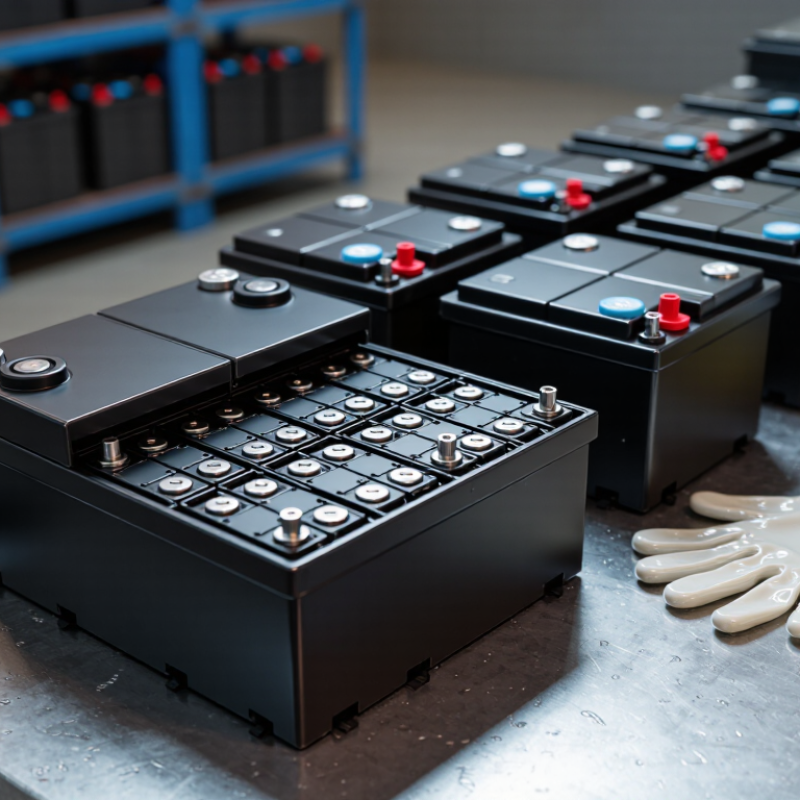
A dry-charged battery is a lead-acid battery supplied without liquid electrolyte. Its plates are manufactured, charged, dried, and sealed for storage. This design reduces leakage during transport and helps preserve the battery before activation. The case usually contains six cells for a 12V rating, with each cell producing about 2 volts. The rating describes nominal voltage, not the exact voltage measured during operation.

Activation requires careful preparation. Add the specified electrolyte slowly, allowing the porous plates to absorb it. Do not guess the acid concentration or fill level. Wear chemical-resistant gloves and eye protection, and work in a well-ventilated area. After soaking, the battery normally needs an initial charge based on its capacity and the maker’s instructions. A digital voltmeter and a controlled charger make this process more reliable.

I have seen batteries damaged by rushed activation. That shortcut was a mistake. Choosing the best unit means checking the correct 12V capacity, physical dimensions, terminal layout, and intended duty cycle. A battery for occasional starting differs from one used for repeated cycling. Inspect the casing, seals, and terminals before adding electrolyte. Storage age also matters, because dry plates can still lose performance after poor storage. Manufacturer data remains essential, although real conditions may require slower charging and closer voltage checks.

Compare Capacity Using the 20-Hour Ah Rate and CCA Under SAE J537

How to Choose the Best Dry Charged Battery?

A dry charged battery should be compared with two different measurements: 20-hour ampere-hour capacity and cold cranking amps. They answer different questions. The 20-hour Ah rate shows how much energy the battery can deliver steadily over 20 hours. For example, a 60 Ah battery should provide about 3 amps for 20 hours under controlled conditions.

Real results can change with temperature, battery age, and discharge rate. That detail is easy to overlook.

CCA measures starting strength, not long-term energy storage. Under SAE J537, the test evaluates current delivery during a cold-start procedure at a specified low temperature and voltage limit. A higher CCA rating can help an engine crank more confidently in cold weather. It does not automatically mean greater Ah capacity. Do not compare CCA values from different testing standards as if they were identical.

In practice, match Ah to the vehicle’s electrical demand and expected operating time. Match CCA to the engine’s starting requirement and local winter conditions. Check the equipment manual, terminal layout, and required battery size before activation.

I once selected a battery by CCA alone. The engine started strongly, but repeated accessory use reduced its reserve too quickly. That shortcut was wrong.

Ask for test conditions and recent production information when specifications seem unclear. A dry charged battery also needs correct electrolyte preparation and controlled charging. Small handling errors can affect service life. Specification sheets help, but measured performance matters more.

Confirm BCI Group Size, Polarity, Terminal Type, and Reserve Capacity

Choosing a dry charged car battery starts with fit, not price. In my workshop, a battery can look correct yet fail because its case is slightly too tall. Confirm the BCI group size in the vehicle manual and compare the battery’s length, width, and height. Allow space for hold-down hardware and cable movement. Measure twice. A loose battery may vibrate on rough roads and damage its plates.

Polarity needs equal attention. Stand facing the battery terminals as specified by the vehicle, then check whether positive and negative posts sit on the correct sides. Reversed polarity can make cable routing unsafe and may damage electrical components. Do not rely on a product photo. Terminal type matters too. Posts, side terminals, and threaded connections are not interchangeable. Check the cable ends for clean contact, firm clamping, and enough reach. I have seen a correct-size battery rejected because its terminals could not accept the original cables.

Reserve capacity shows how long the battery may support essential loads after charging support weakens. A higher rating can help vehicles with demanding accessories, but it does not fix poor charging systems. Compare the reserve-capacity value under the same testing standard. This detail is often overlooked. Specifications can vary between test methods, so ask the supplier for the exact rating. Before installation, inspect the case and follow the charging and activation instructions carefully. My earlier assumption was that any fresh unit was ready immediately; that was careless. Temperature, storage time, and correct electrolyte preparation can affect performance.

Evaluate Storage Life, Temperature Limits, and Activation Requirements

Choosing the best dry charged battery requires more than comparing voltage and capacity. Storage life, temperature limits, and activation requirements often determine real performance. A battery stored in a dry, shaded room usually preserves its condition better than one exposed to humidity or sunlight. Check the manufacturing date, packaging, and terminals before purchase.

Temperature deserves careful attention. High heat can accelerate internal aging, even before activation. Very cold conditions may affect electrolyte performance after filling. Always confirm the manufacturer’s specified storage and operating range. In field inspections, small changes matter. A battery stored beside a hot machine may age faster than one kept on a clean shelf. This is easy to overlook.

Activation is not simply adding electrolyte. The correct electrolyte level, filling procedure, resting period, and initial charge all influence capacity. Follow the supplied technical instructions and use suitable protective equipment. A trained technician should perform the process when possible. Charging immediately or using the wrong current can reduce service life. I have found that buyers often focus on labels while ignoring activation details. That choice can create avoidable problems. Search terms such as “6 Volt 7ah Battery.110 Volt Battery Pack” may also cause confusion, because voltage, capacity, and application must be checked separately. A careful selection considers the equipment, climate, storage period, and available maintenance skills.

Check Compliance with IEC 60095, SAE J537, and UN 2800 Standards

Choosing the best dry charged battery requires more than comparing cold-cranking amps. IEC 60095 is relevant to lead-acid starter batteries, covering dimensions, electrical performance, marking, and test methods. SAE J537 provides practical storage-battery tests, including capacity, vibration, and resistance to abuse. Ask for recent test records, not only a certificate. A clean label can still hide weak plate performance.

UN 2800 matters when the battery is classified as a non-spillable wet battery during transport. A dry charged unit may not fit this classification before electrolyte is added, so verify its shipping condition, safety data sheet, packaging, and transport documentation. The U.S. Environmental Protection Agency reports that more than 99% of lead-acid batteries are recycled in the United States. That figure supports responsible recovery, but it does not prove product quality. For telecom applications, confirm float-life data, terminal design, temperature limits, and standby capacity. A 2v Ups Battery For Telecom System Battery needs stable voltage under long, quiet operating periods.

Tips: Request IEC 60095 and SAE J537 test evidence. Check whether UN 2800 applies to the shipped configuration. Measure open-circuit voltage after storage. Small deviations deserve investigation. Field experience shows that warehouse heat, delayed activation, and poor electrolyte control can reduce performance. I would not rely on one inspection. Retest samples after activation, because a perfect first reading may not predict service life.

Match Battery Design to Starting Loads, Cycling Depth, and Vehicle Use

How to Choose the Best Dry Charged Battery?

A dry charged battery should match the vehicle’s starting demand, not just its physical size. Check the required cold cranking performance, voltage, terminal layout, and tray dimensions before choosing. A diesel engine may need stronger starting output, especially on cold mornings. Petrol vehicles often demand less, but repeated short trips can still weaken performance.

Tips: Compare the battery’s starting rating with the vehicle manual. Consider reserve capacity for lights, alarms, and accessories. Follow the filling and initial charging instructions carefully. A small mistake here can reduce service life. Check the date and storage condition, too.

Driving habits also shape the right design. Frequent engine starts, delivery routes, and heavy electrical loads require reliable starting power. Deep cycling is different. If the vehicle regularly powers equipment while parked, choose a battery designed to tolerate repeated discharge. Starting batteries dislike deep discharge; they can recover poorly after several low-voltage events. In practical inspections, I have found that many failures come from poor matching, not defective construction. Still, every vehicle behaves differently. Measure charging voltage and inspect cable connections before blaming the battery. A perfect choice on paper may disappoint in real traffic, winter weather, or long idle periods.

Compare Total Cost, Warranty Terms, Maintenance Needs, and Recycling Options

How to Choose the Best Dry Charged Battery?

A dry charged battery may cost less initially, but its total cost can change after installation. Include electrolyte, filling labor, charging time, transport, protective equipment, and future inspections. A cheaper unit is not always cheaper. I once compared two batteries and ignored setup labor; the final estimate was wrong. That mistake still influences my buying checklist.

Warranty terms need careful reading. Check whether coverage starts at purchase, activation, or installation. Confirm the replacement process, labor limits, and exclusions for overcharging, deep discharge, or poor storage. For an alarm battery, confirm the expected standby period and testing requirements. A clear warranty is useful. Vague promises are not.

Maintenance also affects ownership cost. Look for accessible terminals, stable casing, and practical inspection intervals. Record voltage readings and installation dates.

Tips: Ask for a complete cost sheet. Request written warranty terms. Check local recycling options before purchase. Choose a recycler that accepts lead-acid batteries and provides documented handling. Never place used batteries in ordinary waste. Keep the battery upright during storage and protect terminals from accidental contact. Small details matter. I still recheck disposal fees, because local charges and collection rules can change.

FAQS

What does the 20-hour Ah rating tell me?

It shows steady energy delivery over 20 hours. A 60 Ah battery may provide about 3 amps for 20 hours. Actual results change with temperature, age, and discharge speed.

What does CCA measure?

CCA measures cold-starting strength, not total energy storage. A higher rating can help the engine crank during freezing mornings. It does not automatically mean higher Ah capacity.

How should I compare Ah and CCA?

Match Ah to electrical demand and expected operating time. Match CCA to engine starting needs and local winter conditions. Do not treat them as interchangeable numbers.

What physical details must I check before installation?

Confirm the battery group size, length, width, and height. Check tray clearance and hold-down space. A loose battery may vibrate on rough roads and damage internal plates.

Why are polarity and terminal type important?

Positive and negative posts must match the vehicle’s cable layout. Reversed polarity can damage electrical components. Posts, side terminals, and threaded connections are not interchangeable.

When is reserve capacity useful?

Reserve capacity estimates support time for essential loads after charging weakens. It may help with lights, alarms, and accessories. It cannot repair a poor charging system.

Should driving habits affect battery selection?

Yes. Frequent starts, short trips, and delivery routes increase starting demands. Equipment used while parked may require stronger cycling tolerance. Starting batteries dislike repeated deep discharge.

What should I check before activating a dry charged battery?

Inspect the case, storage condition, and production information. Follow the electrolyte preparation and initial charging instructions carefully. Small handling errors can shorten service life. I once assumed a fresh battery was immediately ready. That was careless.

Conclusion

Choosing the best Dry Charged Battery requires more than selecting a voltage rating. These lead-acid batteries are manufactured with charged plates but are supplied without electrolyte, allowing extended storage before activation. Compare the 20-hour ampere-hour capacity, cold cranking amps tested under SAE J537, and reserve capacity to ensure the battery can handle both starting demands and auxiliary loads. Also confirm the correct BCI group size, polarity, terminal style, and physical dimensions before installation.

Storage conditions and activation procedures are equally important. Check temperature limits, electrolyte requirements, charging instructions, and expected shelf life. Verify relevant compliance with IEC 60095, SAE J537, and applicable UN 2800 transport requirements. The ideal design depends on whether the vehicle needs high starting power, frequent cycling, deep discharge capability, or occasional use. Finally, compare the total cost, warranty coverage, maintenance requirements, replacement schedule, and recycling options to identify a dependable and economical solution.

Liam

Liam

Liam is a dedicated marketing professional at Fujian Minhua Power Supply Co., Ltd., where he leverages his extensive knowledge of the company’s products to connect effectively with clients and partners. With a keen eye for market trends and a passion for innovation, Liam plays a pivotal role in......
Previous What Is the Best VRLA Battery for Global Buyers?