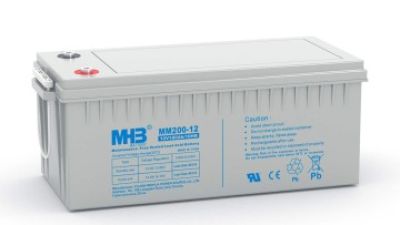
Picking the right ups battery isn’t exactly a walk in the park, but trust me, it’s super important if you want your backup power to be reliable. With so many options out there, it can feel pretty overwhelming trying to make the right call. Things like the battery type, how much power it holds, and whether it’s compatible with your devices all matter a lot.
Take the 2v Ups Battery For Telecom System Battery, for example—many folks lean on it because it’s known for being efficient and long-lasting. Honestly, a lot of companies struggle a bit when picking the right batteries. Knowing how to evaluate quality and brand trustworthiness is a real game-changer.
And here’s a little tip—paying more doesn’t automatically mean you’re getting better quality. It’s really helpful to read reviews from other users and check out what experts are saying. Doing your homework like this can save you from ending up with a dud.
At the end of the day, reliability and how long the battery lasts are what really matter. Making the right choice can protect your equipment from unexpected power outages and keep everything running smoothly without a hitch.
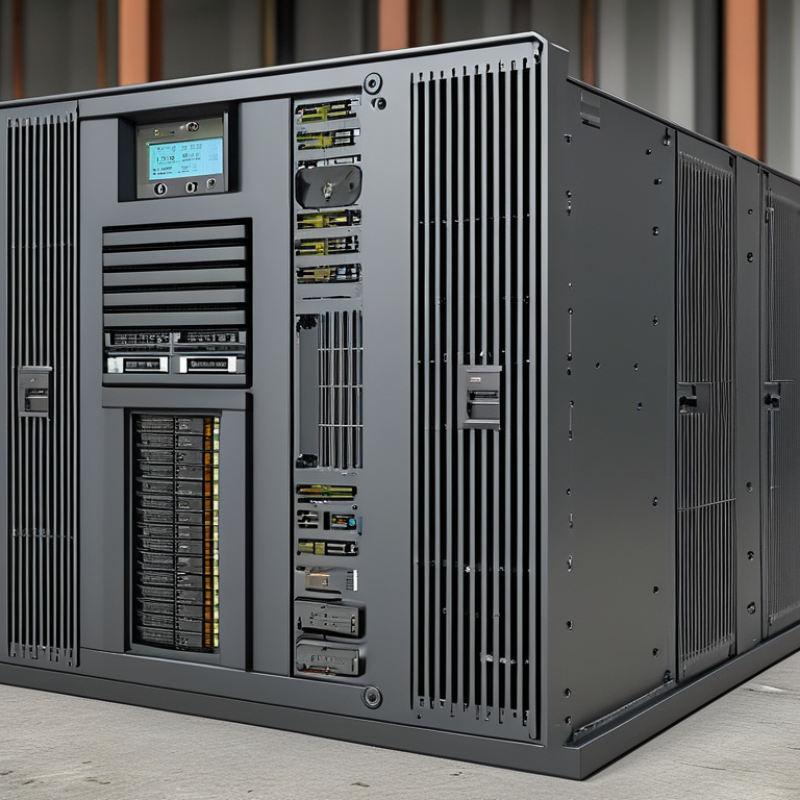
Understanding UPS Batteries: Types and Functions
When considering Ups Batteries, understanding their types and functions is essential. UPS systems primarily feature three types of batteries:Sealed Lead Acid (SLA), Lithium-ion, and Nickel Cadmium. SLA batteries are popular for their cost-effectiveness and adequate power supply for short durations. However, they tend to have a shorter lifespan and require more maintenance. Lithium-ion batteries offer a longer life and lighter weight but come at a higher initial cost. They are ideal for users needing more frequent and versatile usage.
Each battery type serves distinct functions based on user needs. SLA batteries are often used for home and small business environments. They provide reliable backup power but may struggle during prolonged outages. In contrast, Lithium-ion options are better suited for high-demand settings. Yet, this advantage comes with the responsibility of managing their charging cycles effectively. This can be confusing for some users, leading to potential overcharging or underutilization.
Understanding your specific requirements can significantly influence your choice of UPS battery. It’s crucial to evaluate factors like power needs, budget, and maintenance preferences. This reflection process may reveal overlooked aspects, such as the long-term cost of replacement versus the initial investment. Choosing the right UPS battery requires careful consideration and sometimes a willingness to adjust expectations based on your real-world usage.
Assessing Your Power Needs for UPS Battery Selection
When selecting the right ups battery, it is crucial to assess your power needs accurately. Start by identifying the devices you want to protect. Adding up their wattage will give you a clearer picture. For instance, a gaming computer can consume around 400 watts, while a standard modem might only use 10 watts. Calculate the total power requirement to determine the minimum capacity for your ups battery.
Next, consider the runtime you need during outages. Do you require only enough power for a graceful shutdown, or do you need several hours of operations? Make a list of essential devices. It may reveal surprises, like that old printer you forgot about, which can draw more power than expected.
Finally, think about your lifestyle and work habits. Do interruptions lead to significant losses? Unforeseen circumstances vary, and those losses may not be immediately noticeable. Choosing the right UPS battery involves weighing these factors carefully. Ensure you have a backup plan that really suits your needs and avoid common mistakes. Balancing capacity, runtime, and device priorities will help you make an informed choice.
Evaluating Run Time and Battery Capacity Requirements
Selecting the right UPS battery requires careful consideration of run time and battery capacity. Run time is the duration a UPS can power your devices during an outage. Understand your equipment's power needs to gauge how long you need backup power. A higher capacity battery offers longer run times. However, this often comes with increased cost and weight.
Evaluate your power requirements. List all devices needing protection and their wattage. If you plan to add equipment later, account for this in your calculations. Remember, not all devices need the same power. Some may require significant surge capacity temporarily.
When choosing a battery, think about space and weight constraints. Larger batteries may not fit well in your setup, creating installation challenges. It’s frustrating when equipment doesn’t align with spatial limitations. Energy savings is also essential. Higher capacity might waste energy when not fully utilized. Pay attention to runtime estimates from specifications, but understand these can vary in real use.
Consider monitoring tools for assessing battery health. These can provide insights on capacity and performance over time. Establish a maintenance routine to ensure reliability. Reflect on how your needs might change, especially with evolving technology. It’s a balance of immediate needs versus future adaptability.
Considerations for Battery Chemistry: Lead-Acid vs. Lithium-Ion
When selecting a UPS battery, chemistry plays a critical role. The choice between lead-acid and lithium-ion should be based on specific needs. Lead-acid batteries are common in many applications. They are cost-effective but have limited cycle life, around 500 cycles. Their weight can also be a drawback, especially for portable use.
Lithium-ion batteries provide more advantages. They offer longer cycle life, often exceeding 2000 cycles. Additionally, they are lighter and more compact. This makes them a preferred choice for modern applications requiring portability and efficiency. However, the initial investment is higher than that of lead-acid batteries.
Battery chemistry impacts performance and longevity. Lead-acid batteries can fail to perform optimally under certain conditions. In contrast, lithium-ion batteries maintain efficiency better. It's essential to evaluate not just the cost but the long-term benefits when choosing an UPS backup battery. Riding on reliable data can help make informed decisions.
Analyzing Brand Reputation and Warranty Options
When selecting a UPS battery, brand reputation and warranty options must be considered. Research shows that 55% of consumers prioritize brand trust when making purchasing decisions. It's essential to look for brands with proven expertise in power management. Recognized manufacturers usually uphold stringent quality control processes. A brand’s history in the industry often reflects its capacity to deliver reliable products.
Warranties are equally important. A dependable UPS battery should come with an extensive warranty, ideally spanning three to five years. This coverage reflects a company's confidence in its product. Be cautious with batteries offering minimal warranty periods. They might indicate a lack of durability or potential defects. In most reports, batteries with longer warranties have demonstrated superior performance longevity.
Consider the following: always check customer reviews. Authentic feedback can reveal real-world performance beyond marketing claims. Look into the warranty specifics. What does it cover? Does it include technical support? A transparent warranty suggests commitment. Evaluating the overall service experience is vital. Finding the right Smf Ups Battery involves discerning between flashy marketing and true quality. A thoughtful approach pays off in the long run.
Cost vs. Value: Budgeting for Your UPS Battery
When budgeting for a UPS battery, considering cost versus value is crucial. The average lifespan of a quality UPS battery is about 3 to 5 years. Investing in a reliable model can reduce long-term expenses. Industry reports indicate that a good battery may initially cost more but can save up to 30% in replacement costs over its lifetime.
Chasing the lowest price might lead to poor performance. Cheaper models may have shorter lifespans and lower capacities. This could result in higher operational costs or inadequate support during power outages. Research shows that users often underestimate the total cost of ownership. It's vital to factor in maintenance and potential replacements.
Look for batteries with solid warranties and good reputations. Warranty offerings often reflect a product's reliability. Weigh the long-term benefits against the immediate costs. Adequate planning can help ensure you make an informed choice. Pay attention to user reviews and expert recommendations. They can provide insights that save you time and money.
Installation and Maintenance Tips for Optimal Performance
When installing a Ups System Battery, ensuring proper placement is essential. Keep it in a dry, cool space. Too much heat can reduce the battery's life. Regularly check the surrounding temperature. It should ideally stay between 15 to 25 degrees Celsius.
Maintenance is crucial for optimal performance. Inspect the battery every month. Look for signs of wear or corrosion. Clean the terminals carefully if necessary. This ensures a good connection and can improve efficiency. While it might seem tedious, neglecting these checks can lead to unexpected failures.
Over time, you may notice the battery doesn't hold a charge as well. This might indicate it's nearing the end of its lifespan. Consider keeping spare UPS system batteries on hand. It can save you from unexpected downtime. A proactive approach will minimize issues later on. Regular maintenance pays off in reliability and peace of mind.
Innovative Power Solutions: A Comprehensive Review of the Reliable MHB Backup Power UPS Battery 6-GFM-200-1B-T
In today's rapidly evolving technological landscape, ensuring a consistent power supply is crucial for businesses and organizations that rely on essential equipment. The innovative MHB Backup Power UPS Battery 6-GFM-200-1B-T stands out with its impressive 200Ah capacity, providing a reliable power source during unexpected outages. This advanced lead-acid battery is designed to maintain stability and durability, making it an ideal choice for safeguarding critical systems in data centers and communication setups.
The robust construction and intelligent design of this UPS battery allow it to effectively support various applications requiring uninterrupted power. Its ability to deliver reliable performance under demanding circumstances highlights its significance in today’s power-dependent environment. Businesses seeking to protect their operations from potential disruptions will find this UPS battery to be an efficient solution, ensuring that vital equipment remains operational even in the face of power challenges.
FAQS
: Evaluate run time, battery capacity, equipment power needs, space, and potential future demands.
Higher capacity batteries provide longer run times but usually come with increased cost and weight.
A larger battery might not fit, leading to frustration during installation and usage issues.
Monitoring tools can reveal insights about capacity and performance, ensuring reliability over time.
Lead-acid batteries are cost-effective but have shorter life cycles, while lithium-ion batteries are lighter and last longer.
A longer warranty often reflects product quality, while short warranties may indicate durability issues.
List all devices needing protection along with their wattage and consider future equipment additions.
Real-world usage often varies from specifications due to different power loads and conditions.
Higher capacity could waste energy when not fully utilized, which is a consideration for efficiency.
Changes in technology may require adapting to new power requirements, influencing your battery choice.
Conclusion
When selecting the best UPS battery for your needs, it's crucial to understand the different types and functions of UPS batteries available. Start by assessing your power requirements, including the devices you intend to protect and their power consumption. This will help you evaluate the necessary run time and battery capacity to ensure uninterrupted performance during outages.
Next, consider the chemistry of the battery, weighing the pros and cons of lead-acid versus lithium-ion options. Brand reputation and warranty offerings can also influence your decision, providing insights into reliability. Additionally, budgeting for a UPS battery is essential, as the cost should align with the value it brings to your backup power solutions. Lastly, proper installation and maintenance are key to optimizing the performance and longevity of your UPS battery.