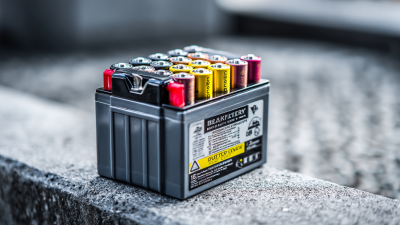
Picking out the right 12V battery can actually feel pretty overwhelming, right? With so many options out there, it’s super important to really understand what you need before making a call. Don’t worry, I’m here to help you get a grasp on things without drowning in info.
First off, think about how much power you actually need. For example, a 12V 12Ah 20hr Rechargeable Battery is probably perfect for small gadgets or hobbies. But if you’re dealing with heavier-duty stuff, you’ll want something more heavy-duty. It’s also a good idea to explore different types of batteries because each one comes with its own pros and cons.
Honestly, experience helps a lot here. Chatting with experts or folks who’ve been in the game can really point you in the right direction. But don’t skip doing a bit of your own homework—reading manufacturer specs and user reviews can be super helpful. Just thinking about how you’ll actually use the battery and what power you need can make a big difference. The key is to make an informed choice — so take your time and pick wisely.
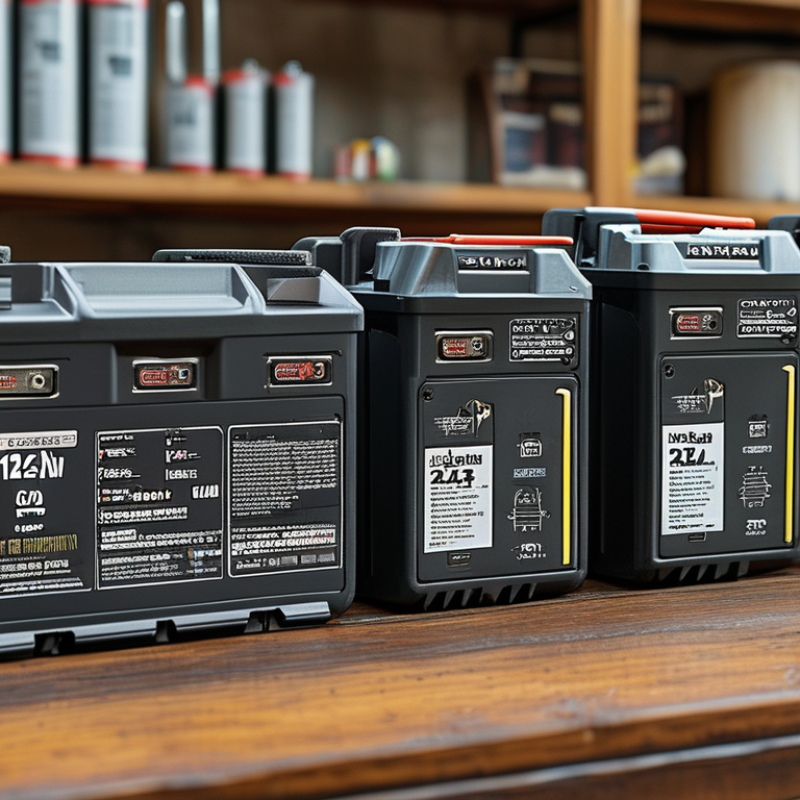
Understanding Different Types of 12V Batteries Available in the Market
When searching for the right 12V battery, understanding the types available is crucial. There are several common types: lead-acid, lithium-ion, and AGM (Absorbent Glass Mat). Each type has unique characteristics and applications. Lead-acid batteries are typically heavy and less efficient but cheaper. They are often used in vehicles and backup power systems.
Lithium-ion batteries are gaining popularity. They are lighter and have a longer lifespan. These batteries perform well in portable applications, like solar storage. However, they come with a higher initial cost. Agm Batteries bridge the gap between lead-acid and lithium. They offer similar benefits to lithium but are still relatively affordable. Choosing the right type depends on your specific needs and budget considerations.
It's important to consider the energy demands of your devices. Evaluate how long you need power for and at what intensity. Not all applications require the same battery type. This can lead to mismatched choices that underperform. Also, think about maintenance requirements. Some batteries need regular upkeep, while others are maintenance-free. Taking the time to understand these details can prevent costly mistakes in the long run.
Evaluating Your Power Needs: Calculating Required Voltage and Capacity
When choosing the right 12v battery, evaluating your power needs is crucial. Start by calculating the voltage and capacity required for your specific applications. Consider the devices you plan to power. How much energy do they consume? This step ensures you select a battery suited to your needs.
To calculate required capacity, it helps to know the watt-hours (Wh) your devices require. Smaller devices might need only a few watt-hours. In contrast, larger appliances may require significantly more. For example, a 12v 18ah Rechargeable Battery can provide 216 watt-hours. Think about how long you intend to use your devices. Matching this with your battery’s capacity is vital for optimal performance.
Reflect on the implications of your choice. An oversized battery can lead to unnecessary weight and cost. Conversely, a battery that’s too small may result in underperformance and quick depletion. Balancing your energy consumption with battery selection involves careful consideration. Remember that every application is unique, so tailor your choice for the best results.
Assessing the Lifespan and Maintenance Requirements of 12V Batteries
When choosing a 12v battery, lifespan and maintenance are crucial factors. Most 12V batteries, including lead-acid types, typically last 3 to 5 years with proper care. The lifespan can vary significantly based on usage. Heavy usage reduces longevity, leading to unexpected replacements. Regular maintenance checks can extend the life. For example, keeping terminals clean and ensuring optimal charge levels makes a difference.
Maintenance requirements also differ across battery types. Sealed lead-acid batteries require less attention than flooded types. A report by the Battery Research Institute states that neglecting battery care can decrease performance by up to 30%. Regularly checking the electrolyte levels in flooded batteries is essential for longevity. These practical steps can help avoid early replacements.
It's important to consider the type of applications you will use your 12v 9ah Battery Rechargeable for. Different activities impose distinct demands on the battery. For instance, using it in a high-drain application may necessitate more frequent charging. Understanding your specific needs can lead to better choices and fewer regrets. Battery management is vital to ensure you get the most value from your investment.
2026 How to Choose the Right 12V Battery for Your Needs?
This chart displays the average lifespan in years of various types of 12V batteries. Understanding the lifespan of different battery types can help you choose the most suitable option for your needs.
Choosing Between Lead-Acid and Lithium-Ion Batteries for Your Use Case
When choosing between lead-acid and lithium-ion batteries, it's crucial to understand their differences in performance and longevity. Lead-acid batteries are widely used due to their low cost and reliability. They provide high surge currents, making them suitable for applications like starting vehicles. However, they usually last 3-5 years with a deep cycle life of around 300-500 cycles. In contrast, lithium-ion batteries offer superior longevity, often exceeding 10 years and providing up to 5,000 cycles. This longevity can justify their higher initial cost.
The energy density of lithium-ion batteries is another compelling aspect. They are approximately three times more energy-dense than lead-acid batteries. This means a smaller, lighter battery can deliver the same power. In applications like electric vehicles and renewable energy storage, this efficiency can be significant. However, lithium-ion batteries require a battery management system, which adds complexity and potential points of failure.
Cost is a key consideration for many users. While lead-acid batteries are cheaper upfront, their shorter lifespan and lower efficiency can lead to higher long-term costs. Lithium-ion batteries, although more expensive initially, can save money over time. It’s essential to evaluate your specific needs before making a decision. Each battery type has strengths and weaknesses, and understanding these can lead to better choices for your applications.
2026 How to Choose the Right 12v Battery for Your Needs?
| Feature | Lead-Acid Battery | Lithium-Ion Battery |
| Weight | Heavy | Lightweight |
| Lifespan | 3-5 years | 8-12 years |
| Cycle Life | 300-500 cycles | 2000-5000 cycles |
| Cost | Low | High |
| Self-Discharge Rate | High | Low |
| Temperature Range | -20°C to 50°C | -20°C to 60°C |
| Maintenance | Requires regular maintenance | Maintenance-free |
| Environmental Impact | Lower recycle rate | Higher recycle rate |
Factors Influencing the Cost of 12V Batteries: What to Consider
When selecting a 12V battery, several factors influence its cost. Battery type plays a critical role. Lead-acid batteries tend to be cheaper upfront but have a shorter lifespan. In contrast, lithium-ion batteries offer longevity and efficiency, resulting in higher initial expenses. Industry reports suggest that lithium-ion batteries can last up to ten years, while lead-acid batteries usually need replacement every three to five years.
Another vital consideration is capacity. Measured in amp-hours (Ah), capacity determines how long a battery can sustain a load. Higher capacity often means a steeper price. For example, a battery with a 100Ah rating might cost significantly more than a 50Ah model. Users must analyze their power requirements carefully. Overestimating needs could lead to unnecessary spending on extra capacity that may never be utilized.
Additionally, factors such as brand reputation, manufacturing quality, and warranty terms contribute to pricing. Batteries from reputable manufacturers may come with a higher price tag, but they often include better support and reliability. Reports indicate that consumers should always check for warranty details, as they can reflect the manufacturer's confidence in their product. This exploration of battery options and their respective costs reminds us to reflect on our choices and needs before making a purchase.
Identifying Compatible Chargers and Accessories for 12V Batteries
When selecting a charger or accessories for your 12V battery, compatibility is crucial. The voltage should match closely to avoid damage. For example, if you have an 80 Watt solar panel, it’s vital to choose a solar charger designed to handle 12V batteries. Not all chargers are created equal. Understanding their specifications can help you prevent issues later.
Consider the amperage ratings when choosing a charger. A charger that provides too high an amperage may overcharge your battery. On the other hand, a low amperage charger can prolong charging times, which is frustrating. Check the manufacturer's guidelines to find the ideal charging parameters.
Don’t overlook accessories like connectors and monitoring systems. They can make a significant difference in performance. However, it's essential to ensure these accessories are also compatible with your chosen battery and charger. Sometimes, mismatched components lead to inefficiencies. Take your time to research before purchasing. Understanding your needs ensures your battery system remains reliable and effective.
Tips for Safe Installation and Usage of 12V Batteries in Your Applications
When using a 12V battery, safety is paramount. Proper installation and usage can prevent accidents. Reports indicate that improper battery installation leads to 30% of battery-related incidents. Always follow manufacturer guidelines to avoid mishaps.
When connecting a 24v solar panel to a 12v battery, ensure you use a charge controller. This device regulates voltage and prevents overcharging. Overcharging can cause battery damage or even explosions. In addition, check for corrosion on terminals regularly. Clean connections enhance efficiency and ensure safety.
Consider the environment where the battery is used. Extreme temperatures can affect performance and lifespan. Ideal conditions are often overlooked, yet they play a vital role. These factors highlight the importance of mindful usage. Regular checks and maintenance can mitigate risks. Apply these tips for enhanced safety and longevity.
FAQS
: Common types include lead-acid, lithium-ion, and AGM batteries. Each type has unique characteristics.
Lead-acid batteries are cheaper but last 3-5 years. Lithium-ion batteries last over 10 years and are more efficient.
Evaluate your power needs, maintenance requirements, and budget. Not all scenarios require the same type of battery.
They are lighter, more efficient, and have a longer lifespan. However, their initial cost is higher.
Higher capacity batteries, measured in amp-hours, usually cost more. Assess your needs to avoid overspending.
Lithium-ion batteries require a management system, adding complexity and potential failure points.
Not necessarily. Cheaper batteries may have shorter lifespans and higher long-term costs. Reflect on your choices.
Reputable brands might cost more but can offer better reliability and support. Check warranty details carefully.
Some batteries require regular upkeep, while others are maintenance-free. Understand these requirements before choosing.
Yes, but it may lead to underperformance. Take time to assess the right fit for your specific application.
Conclusion
Choosing the right 12V battery for your needs involves a thorough understanding of the various types available in the market, such as lead-acid and lithium-ion batteries. It is essential to evaluate your power needs by calculating the required voltage and capacity to ensure optimal performance. Additionally, considering the lifespan and maintenance requirements of the chosen battery type plays a crucial role in decision-making.
Cost factors must also be taken into account, along with ensuring compatibility with chargers and accessories designed for 12V batteries. Finally, adhering to safe installation and usage practices will prolong the battery's life and enhance its effectiveness in your applications. By carefully assessing these elements, you can make an informed choice that best meets your energy requirements.