Picking the right Industrial battery isn’t something to take lightly — it’s a pretty big deal for your operations. These batteries power everything from equipment and machinery to backup systems, and your choice can really impact how smoothly everything runs. But let’s be honest, with so many options out there, it can feel kinda overwhelming to pick the best one.
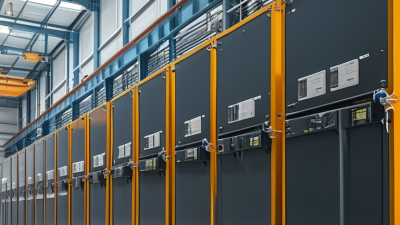
When you're deciding, think about things like capacity, how long the battery lasts, and whether it’s compatible with your equipment. For example, a 2v Ups Battery Industrial Backup Power System offers dependable energy storage for a bunch of different uses. Taking these factors into account really shows you’re thinking like a pro—and it helps you make smarter choices. Because at the end of the day, every decision has consequences, and rushing or skipping the details can end up costing you more than you’d want.
If you’re feeling lost, don’t hesitate to ask for help from the pros. It’s common to get overwhelmed by all the options, and in those moments, experience and some expert advice can really steer you in the right direction. Remember, choosing a battery isn’t just about the brand—you want something reliable that keeps your operations running smoothly without a hitch.
Understanding the Different Types of Industrial Batteries Available Today
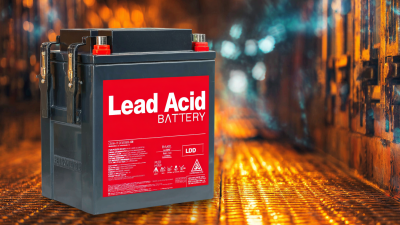
When selecting an industrial battery, understanding the various types available is crucial. Batteries vary widely in chemistry, size, and application. Lead-acid batteries are popular for their cost-effectiveness. They are reliable but have a shorter lifecycle. Lithium-ion batteries are gaining attention. They are lighter and have a longer lifespan but come with a higher initial investment. According to a recent market analysis, the global Lithium-Ion Battery market is projected to reach $129.3 billion by 2027, highlighting their growing relevance.
Nickel-cadmium batteries offer robustness in harsh environments. They can handle high surge currents but are less environmentally friendly. According to the International Energy Agency, about 12% of the world's battery demand is currently met by nickel-cadmium technologies. This indicates a niche market that still plays a significant role. Understanding the application is essential. Different sectors, such as electric vehicles and renewable energy storage, may require specific battery types for optimal performance.
Choosing the right battery also depends on temperature resilience and discharge rates. Some batteries perform poorly in extreme heat or cold. Reflecting on applications and expected conditions can prevent costly mistakes. Selecting the wrong type may lead to inefficiencies or increased maintenance needs. The decision should not just focus on initial costs but also long-term performance and sustainability in operation.
Evaluating Battery Capacity Requirements for Your Specific Applications
When evaluating battery capacity requirements, it's crucial to consider your specific applications. Understanding the energy demands of your equipment is essential. For example, equipment running continuously may need a higher capacity than those used intermittently. Industry reports indicate that batteries often operate at about 80% of their rated capacity to maximize lifespan.
Tips: Assess your load cycles carefully. Calculate peak and average usage to find the right energy reserves.
Temperature also affects battery performance. Many batteries lose 10-15% capacity in high heat. This makes climate considerations critical in your selection process. As a rule, choose an Industrial Backup Battery designed for the specific environment it will operate in.
Tips: Test batteries under real conditions before finalizing your choice. Always monitor temperature effects on performance.
Lastly, consider the potential for future growth. If you anticipate increased energy needs, factor this into your capacity requirements. An underpowered battery can lead to breakdowns, and overestimating can increase costs unnecessarily.
How to Choose the Right Industrial Battery for Your Needs?
| Application | Battery Type | Capacity (Ah) | Voltage (V) | Typical Use Case |
| Forklift | Lead Acid | 600 | 48 | Material Handling |
| Telecommunication | Lithium-ion | 100 | 12 | Backup Power |
| Renewable Energy | gel battery | 200 | 12 | Solar Systems |
| Electric Vehicles | Lithium Iron Phosphate | 300 | 72 | Electric Buses |
| Uninterrupted Power Supply (UPS) | Sealed Lead Acid | 150 | 12 | Data Centers |
Assessing Battery Life Span and Charge Cycles Based on Usage
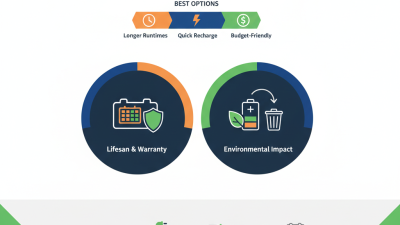
When selecting an industrial battery, understanding its life span and charge cycles is crucial. These factors directly impact performance and cost-effectiveness. A battery's life cycle typically refers to how many times it can be charged and discharged before losing significant capacity. For heavy machinery, a battery with a higher cycle rating is essential. However, this often comes at a higher upfront cost.
Analyzing your specific usage helps determine your needs. If operations require frequent charging, consider batteries designed for rapid cycling. The technology behind these batteries can allow for quicker charge times. Conversely, if your equipment runs intermittently, a longer-lasting battery might be more beneficial. This choice will save you time and maintenance effort.
It's critical to assess how often the battery will be used. Misjudging your requirements can lead to underperformance. Sometimes, cheaper options may not deliver in high-demand scenarios. Evaluating usage can reveal whether you need a higher capacity battery. Ultimately, finding the right balance ensures reliability without unnecessary expenses.
The Importance of Energy Density in Selecting Industrial Batteries
Energy density is a critical factor in selecting the right industrial battery. It defines how much energy a battery can store in relation to its weight and volume. Higher energy density means better performance and longer usage time. Evaluating energy density helps businesses choose batteries that meet specific power requirements without excessive weight or size.
When assessing energy density, consider the application's demands. For example, heavy machinery may need batteries that can deliver high energy quickly. On the other hand, stationary applications might prioritize longevity over power bursts. Understanding these nuances is essential.
Tips: Check the specifications of different battery types. Look for manufacturers that provide detailed data on energy density. Regular Industrial Battery Maintenance is vital to ensure optimal performance. Proper maintenance can significantly extend battery life and efficiency. Make sure to inspect connections and charge levels routinely. This approach can reveal potential issues early on, preventing costly downtime.
Cost Analysis: Battery Purchase vs. Total Lifetime Costs
When choosing an industrial battery, it's crucial to weigh the upfront costs against total lifetime expenses. Many businesses focus solely on purchase prices. However, a study from the National Renewable Energy Laboratory highlights that battery maintenance and operational costs can account for up to 30% of a battery's total lifetime costs. In this regard, factoring in these ongoing expenses can lead to more informed purchasing decisions.
**Tip:** Always consider the total cost of ownership (TCO). Research shows that cheaper batteries may require frequent replacements, leading to higher TCO over time. For instance, investing in high-quality batteries can yield savings of around 15% to 20% on maintenance and replacement expenses.
Another point of consideration is efficiency. A report by the DOE states that a battery's efficiency can significantly impact energy consumption. Less efficient batteries result in more energy waste, which translates to higher costs. A choice based on efficiency could save businesses upwards of 10% on energy costs annually.
**Tip:** Evaluate energy density and discharge rates. Selecting a battery with optimal specifications can enhance performance and reduce costs. This choice also aligns with sustainability goals, making it a win-win solution for businesses.
Safety Standards and Certifications to Consider in Battery Selection
When selecting an industrial battery, safety standards and certifications play a pivotal role. Batteries must comply with industry regulations to ensure reliability and performance. For instance, the Underwriters Laboratories (UL) certification is crucial. It signifies that the battery has undergone rigorous testing for safety, reducing the risk of fire or explosion. According to a 2022 study by the Battery Safety Council, improper battery usage accounts for over 30% of industrial battery incidents.
Another key certification to look for is the International Electrotechnical Commission (IEC) standard. Batteries meeting IEC standards demonstrate durability and resilience in challenging environments. A reliable battery should endure extreme temperatures and vibrations. Several recent reports indicate that batteries meeting these standards show a 25% longer lifespan. However, some manufacturers may cut corners on quality to reduce costs. This can lead to significant performance issues down the line, raising safety concerns.
Lastly, it's important to review environmental certifications, such as the Energy Star label. This certification ensures energy efficiency, which is vital for sustainability. Interestingly, a 2021 market analysis indicated that only 15% of Industrial Backup Batteries were Energy Star certified, highlighting a gap. Organizations must prioritize batteries that adhere to safety standards. Selecting them thoughtfully can mitigate risk and enhance operational efficiency.
Emerging Technologies and Future Trends in Industrial Battery Solutions
As industrial sectors evolve, so do battery technologies. Innovations are shaping the future of industrial battery solutions. New materials, such as advanced lithium compounds, improve energy density and lifespan. These advancements mean that a 6 Volt 7ah Battery can now outperform older alternatives in various applications.
Emerging technologies will also focus on sustainability. The rise of recycling initiatives is critical in minimizing waste. Future trends indicate an increasing push for eco-friendly materials. Additionally, smart battery systems are gaining traction. They provide real-time data on performance and health. This allows for better maintenance and longer service life for batteries like the 110 Volt Battery Pack.
However, challenges remain. Not all emerging technologies are ready for immediate adoption. There can be uncertainties relating to cost and reliability. Additionally, industries must adapt to these new solutions gradually. This thought process highlights the importance of thorough research and testing before implementation. Understanding what fits best within specific operational demands is essential in choosing the right industrial battery.
Industrial Battery Types and Their Capacity Trends (2023)
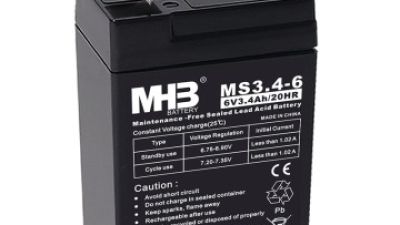
Powering Your Devices with Confidence: A Complete Guide to the 6V 3.4Ah Sealed Lead Acid Battery Solutions
When it comes to powering your devices with confidence, the 6V 3.4Ah sealed lead-acid battery stands out as a reliable solution for various applications. Known for its robust performance, this battery type is ideal for alarm systems, uninterruptible power supplies (UPS), medical equipment, and more. Its design ensures that users can enjoy peace of mind knowing their critical systems are energized and ready to operate whenever needed.
One of the key advantages of the 6V 3.4Ah sealed lead-acid battery is its compact and maintenance-free nature. This makes it an excellent choice for installations where space is limited and upkeep is a concern. With a long-lasting performance typical of sealed lead-acid technology, it serves durability and reliability, ensuring optimal power delivery over time. For businesses and organizations, these batteries are perfect for wholesale and bulk orders, making them a practical choice from a trusted supplier for all power requirements.
FAQS
: Consider your equipment's energy demands. Continuous running equipment needs higher capacity than intermittent use.
High heat can cause batteries to lose 10-15% of capacity. Choose batteries designed for your operating environment.
Energy density determines how much energy a battery can store in relation to its weight and size.
Regular maintenance is essential. Inspect connections and charge levels to address potential issues early.
Look beyond initial purchase prices. Maintenance and operational costs can account for up to 30% of total lifetime costs.
Less efficient batteries waste energy, leading to higher costs. A focus on efficiency can save around 10% annually.
Anticipate potential growth in energy demand. An underpowered battery can lead to breakdowns.
Yes, testing under real conditions helps ensure compatibility with your specific applications.
Look for batteries that deliver high energy quickly for heavy machinery applications.
Conclusion
Selecting the right industrial battery involves a comprehensive understanding of various factors that impact performance and suitability for specific applications. The first step is to familiarize oneself with the different types of industrial batteries available, as each type offers distinct advantages and limitations. Evaluating battery capacity requirements tailored to your operational needs is crucial, along with considering the lifespan and charge cycles based on usage patterns.
Another critical aspect is energy density, which affects the battery's efficiency and overall performance. Conducting a thorough cost analysis that compares the initial purchase price with total lifetime costs can aid in making an informed decision. Additionally, ensuring that the chosen batteries meet relevant safety standards and certifications is vital for operational safety. Lastly, staying informed about emerging technologies and future trends in industrial battery solutions can provide insights into the most innovative and effective options available.