When you're choosing a Motive Battery, it's really important to understand what you actually need. Picking the right one can make a big difference—whether you're dealing with forklifts, electric vehicles, or other kinds of machinery. A good battery can help you get more operation time and cut down on downtime, which is a total win. That said, with so many types and specs out there, it can definitely feel a bit overwhelming trying to make the right choice.
Deciding between lead-acid and lithium-ion batteries isn’t just about the price either. You’ve got to think about storage capacity and how fast they discharge, too. Plus, the environment where the battery will be used matters a lot. For example, batteries for electric vehicles usually need to perform better under more demanding conditions. And don’t forget—hot or cold weather can really impact how long your battery lasts. If you don’t do your homework, you might end up picking a battery that doesn’t quite fit your needs, which can end up hurting your productivity.
There are plenty of companies like Crown Battery Manufacturing and Odyssey Battery that offer a bunch of options. But the key is really understanding what features you need and whether they’re compatible with your equipment. While it’s often helpful to ask experts, sometimes the info can be a little confusing. Sure, trying things out yourself might teach you some lessons, but it can also cost you more money in the long run. So, it’s best to gather clear info from trustworthy sources before making any big decisions. Taking the time to do this can really pay off in finding the right motive battery for your situation.
Understanding Motive Batteries: Definition and Purpose
Motive batteries play a crucial role in various industrial applications. They are specifically designed for powering electric vehicles, forklifts, and other material handling equipment. Understanding their definition and purpose can help you make informed decisions.
Motive batteries typically come in various voltage ratings, with the 12v Motive Battery being a popular choice in smaller applications. According to industry reports, about 40% of electric forklift operations rely on these batteries for efficient performance. Their ability to provide consistent power makes them ideal for warehouse environments.
Tip: Consider the duty cycle of your equipment. Ensure the motive battery can support the operational hours required.
In terms of capacity, choosing the right size is vital. A mismatch can lead to inefficient performance and reduced lifespan. Industry data shows that properly sized batteries can increase equipment efficiency by up to 25%.
Tip: Regular monitoring of battery conditions can enhance reliability. Implement maintenance checks to prolong battery life and ensure optimal performance.
Always evaluate the specific needs of your operations when selecting a motive battery. Remember that the right choice can significantly impact productivity and overall costs in the long run.
Battery Type Comparison for Motive Applications
This chart compares different types of motive batteries based on their energy density measured in watt-hours per kilogram (Wh/kg). Understanding these differences can help you choose the right battery for your specific needs.
Identifying Your Application Needs for Motive Batteries
When selecting a motive battery, understanding your application needs is crucial. Different environments and tasks require specific battery features. For instance, warehouse operations might need batteries with high discharge rates while outdoor equipment might prefer endurance and weather resistance. Analyze your equipment and its operational demands carefully.
Tips: Assess the weight capacity of the batteries. Heavier batteries may offer more power but can affect maneuverability. Also, consider the temperature range of your working environment. Extreme temperatures can impact battery longevity and efficiency.
Matching battery type to application is essential. Lead-acid batteries are often reliable, yet lithium-ion batteries may provide longer life and faster charging. However, lithium options can be pricey. Find a balance that meets your budget while ensuring performance. Reflect on your long-term needs; sometimes, lower upfront costs can lead to higher expenses later.
Evaluating Battery Types: Lead-Acid vs. Lithium-Ion
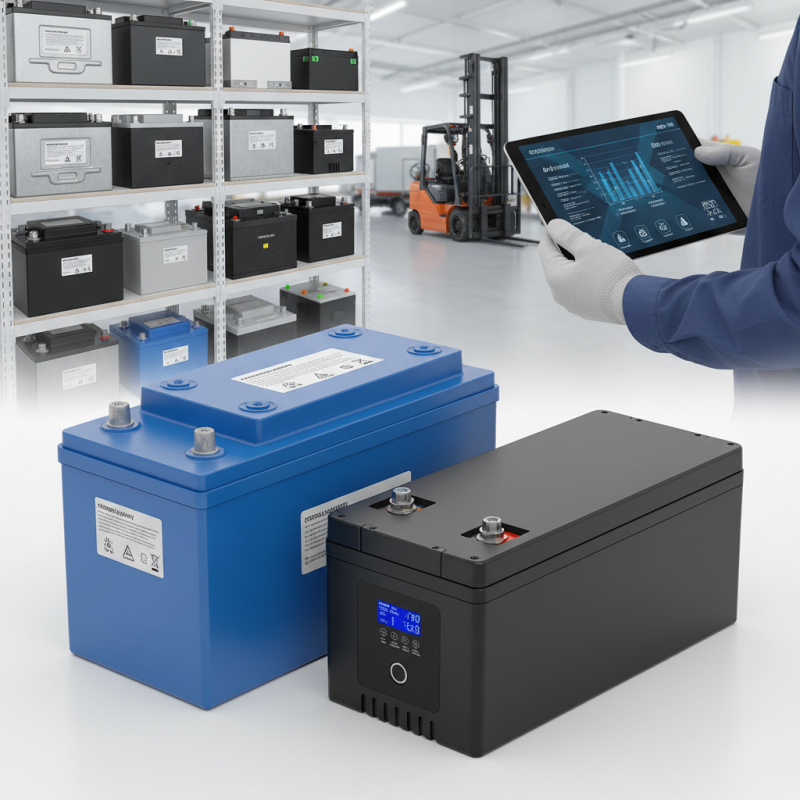
When choosing a motive battery, understanding the differences between lead-acid and lithium-ion is crucial. Lead-acid batteries are often more affordable upfront. However, they can be heavier and require regular maintenance. On the other hand, lithium-ion batteries tend to be lighter and more efficient. They offer longer life cycles but come at a higher initial cost.
Tips: Consider your specific usage. If you need a battery for a high-performance application, lithium-ion might be the better choice. For less demanding tasks, a lead-acid option could suffice. It's essential to think about how much space you have available, too.
The 12v Ev Sealed Maintenance-Free Motive Battery provides a practical example. It combines low maintenance with effective energy output. Customers appreciate its reliability, but it might not be ideal for every scenario. Reflect on your power needs. Sometimes, a heavier battery could provide better longevity in harsher conditions. While convenience is often desired, a more robust option may suit your requirements better. Balancing cost with performance is key to making the right choice.
Determining Required Battery Capacity and Voltage
When determining the required battery capacity and voltage for your electric vehicle needs, it’s important to consider the specific applications. For example, a typical electric golf car often requires a 12V EV motive battery. Understanding your usage patterns can help in estimating the necessary power.
Consulting industry data shows that battery capacity, measured in amp-hours (Ah), plays a crucial role in performance. A golf car may need anywhere from 100Ah to 200Ah, depending on the duration of use and speed. The right battery will ensure a longer run time and better efficiency. However, oversizing the battery can lead to unnecessary weight, affecting maneuverability and range.
Voltage is another critical factor. Most golf cars operate efficiently at 36V or 48V systems. Using a 12V EV motive battery in a series configuration can achieve these voltage requirements. It’s vital to balance capacity with voltage to avoid premature battery degradation. Regular assessments of your system can uncover inefficiencies that might not be apparent at first glance, thus informing your future selections.
Factors Influencing Battery Lifespan and Performance
Choosing the right motive battery involves understanding various factors that impact performance and lifespan. Battery chemistry, temperature, and charging cycles play critical roles. For example, lithium-ion batteries typically last longer than lead-acid batteries, offering about 2000 cycles compared to 500 cycles for the latter. An industry report indicates that temperature variations can reduce battery efficiency by up to 50%.
Tips: Always consider the operating environment. Extreme temperatures can degrade battery performance significantly.
Proper maintenance is vital for extending battery life. Regular checks on charge levels and cleanliness prevent inefficiencies. Dirt or corrosion on terminals can sap power. According to studies, clean terminals can improve conductivity and enhance performance. Research emphasizes that a consistent charging routine also helps.
Tips: Avoid deep discharges; keeping above 20% charge may extend the battery’s life.
Inadequate understanding of these factors often leads to poor choices. Many users overlook the importance of application needs. A battery suited for one application may fail spectacularly in another. Reflecting on these details can lead to better decisions in choosing a motive battery.
Assessing Budget and Cost-Effectiveness of Motive Batteries
When considering motive batteries, budget and cost-effectiveness are crucial factors. Prices for motive batteries vary widely. It is essential to assess your specific needs before making a financial commitment. The right choice can lead to significant savings over time. However, a cheaper option may not always be more efficient in the long run.
A 12v Ev Smf Motive Battery can often be a solid investment. Understand its performance characteristics and lifespan. Consult with experts who can provide insights into overall quality. High upfront costs might seem daunting; yet, if the battery lasts longer and requires fewer replacements, it could save you money. Compare not only initial pricing but also the total cost of ownership.
It's important to investigate available options. Look into warranties and service support offered by suppliers. Some batteries may appear cost-effective but often fall short in other vital areas, like durability and efficiency. Gather user reviews and ratings for real-world performance perspectives. Learning from others can help avoid pitfalls when selecting the right motive battery for your applications.
Researching Reputable Suppliers and Brands for Purchase
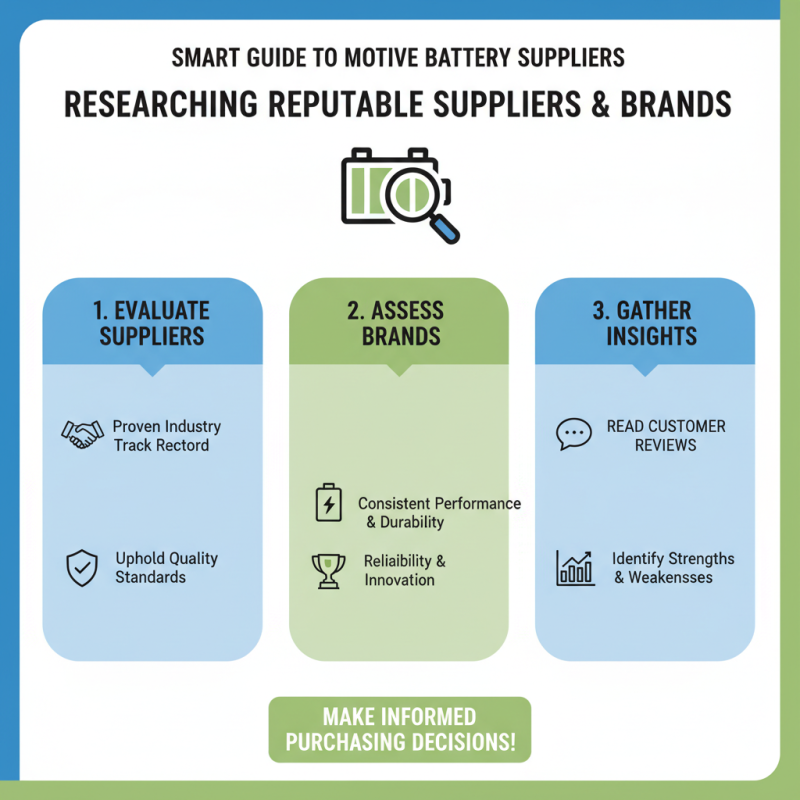
When searching for the right motive battery, evaluating suppliers is essential. Not all battery brands uphold the same standards. Reliable suppliers often have a proven track record in the industry. Reading customer reviews can provide insight into their quality. Collected experiences reveal both strengths and weaknesses.
Engaging directly with suppliers can also be enlightening. Ask about their sourcing practices and warranty policies. Genuine suppliers are transparent about their products. A company’s reputation can signal much about their product reliability. Sometimes, it’s beneficial to seek smaller, niche providers. They can offer unique solutions tailored to specific needs.
Consider attending trade shows or industry events. These platforms allow face-to-face discussions with battery experts. Note that not every popular brand is the best choice. Analyze what others overlook, like customer service and responsiveness. Make decisions after thorough research. Balancing price and quality is indeed a thoughtful approach.
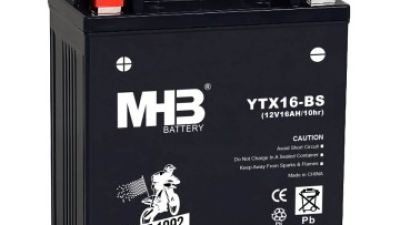
Maximizing Motorcycle Performance: Insights from Industry Reports on 12V 16AH Batteries like MHB YTX16-BS
Maximizing motorcycle performance is crucial for enthusiasts and casual riders alike, and the choice of battery plays a significant role in achieving optimal functionality. The 12V 16AH batteries, like those designed for various motorcycle models, have been highlighted in industry reports for their capacity and reliability. These batteries provide the necessary power to ensure that the motorcycle's electrical systems, from ignition to lighting, perform efficiently in different riding conditions.
A standout option among these batteries is the AGM (Absorbent Glass Mat) design, which offers superior shock and wear resistance—essential features for riders navigating complex terrains. Industry data indicates that motorcycles equipped with high-quality Agm Batteries experience fewer maintenance issues and enjoy longer lifespans, making them a cost-effective choice for riders. The capacity of these batteries aligns well with the demands of small to medium-sized motorcycles, ensuring they can handle the power requirements for optimal performance.
Additionally, the versatility of 12V batteries in various capacities allows users to select the right fit for their specific motorcycle models. Reports emphasize that higher capacity batteries not only provide enhanced starting power but also support additional electrical accessories, thus elevating the overall riding experience. Riders can trust that investing in a reliable battery will significantly enhance their motorcycle’s performance and longevity on the road.
FAQS
: Lead-acid batteries are cheaper but heavier. Lithium-ion batteries are lighter and more efficient, with longer life cycles.
If your tasks are less demanding, lead-acid batteries might be suitable. They are more affordable initially.
It determines performance and run time. For example, golf cars may require 100Ah to 200Ah for optimal use.
Golf cars usually work best with 36V or 48V systems. Using multiple 12V batteries in series can achieve this.
Extreme temperatures can cut efficiency by up to 50%. Always consider your operating environment.
Regularly check charge levels and keep terminals clean. Dirt can reduce conductivity and efficiency.
Maintain above 20% charge to avoid deep discharges. A consistent routine helps improve battery longevity.
A battery perfect for one application might fail for another. Understand your specific needs before choosing.
Conduct regular assessments to identify inefficiencies. This can inform better future battery choices.
Many overlook application needs or fail to consider factors like weight and temperature effects. Reflecting can lead to better decisions.
Conclusion
Choosing the right motive battery for your specific needs involves a comprehensive understanding of what motive batteries are and their intended purposes. It's crucial to identify the specific application requirements, whether for industrial equipment or other uses. Evaluating the differences between lead-acid and lithium-ion batteries can help determine which type aligns with your performance expectations and maintenance capabilities.
Additionally, calculating the required battery capacity and voltage is vital to ensure optimal functionality. Factors influencing battery lifespan and performance, such as operating conditions and charging cycles, should also be considered. Lastly, establishing a budget that reflects cost-effectiveness while researching reputable suppliers will lead to a satisfactory purchase. By carefully considering these elements, you can make an informed decision when selecting the most suitable motive battery for your applications.