You know, in the fast-changing world of battery tech, the Dry Charged Battery really stands out. James Polasky, who's pretty much an expert at PowerTech Solutions, mentioned that understanding these batteries is pretty much a must for anyone in the auto industry. They’re built to last and work efficiently, which is why you see them everywhere—cars, industrial stuff, you name it.
What’s pretty cool about a Dry Charged Battery is that it’s got a unique design. Unlike your typical battery, it comes shipped dry, so you need to give it a bit of a boost to get it running. That way, it stays stable during shipping and handling. Once you activate it, it’s reliable and has a pretty decent shelf life. But here’s the kicker—getting the activation right isn’t always straightforward. You gotta be a bit careful to do it just right.
The tech behind Dry Charged Batteries is still evolving. Engineers are always working on ways to make them perform even better. That said, not every new idea works like a charm; some tweaks might actually cause issues or make things less efficient. So, yeah, the industry has to keep a close eye on these innovations to make sure they’re safe and dependable.

What is a Dry Charged Battery?
A dry charged battery is a unique type of lead-acid battery. Unlike conventional batteries, it comes without electrolytes. The Plates inside are dry and can be referred to as ‘activated.’ This means they are ready to receive electrolytes when needed. The design allows for easier storage and transportation.
When in use, you add an electrolyte solution to the battery. This solution can be in the form of water mixed with sulfuric acid. Once the electrolyte is added, the battery becomes operational. It is crucial to handle the mixing with care to ensure safety and reliability. A dry charged battery can hold a charge for extended periods.
Despite their advantages, these batteries require careful handling. Improper activation can lead to decreased performance. Users often need to remember to fully charge the battery before initial use. Understanding the activation process is essential for longevity. This type of battery serves well in various applications, but users should remain informed about its maintenance needs.
Components of a Dry Charged Battery
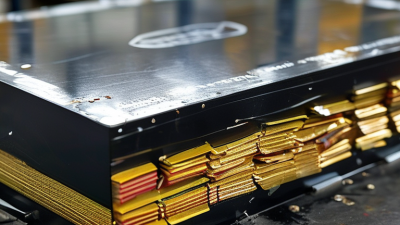
A dry charged battery, often used in various applications, consists of several key components. The container is usually made of durable plastic, ensuring no leakage occurs. Inside, you'll find insulated plates that store energy. These plates are often made of lead, coated with a lead dioxide layer. This combination makes the battery effective for energy storage and transfer. The separator, placed between the plates, prevents short circuits while allowing ionic transfer.
The electrolyte, although not in a liquid state initially, creates the chemical reactions necessary for energy flow when activated. It is crucial for the battery's functionality. Without it, the battery would simply be an inert collection of components. Additionally, terminals connect the battery to its load, completing the circuit.
It's important to remember that proper handling and maintenance are vital. Users can sometimes overlook the need for regular monitoring. Even the best components can fail without attention. Dry charged batteries offer advantages, especially in terms of safety and convenience. However, understanding their components can help prevent unexpected issues.
Performance of Dry Charged Batteries
The Charging Process of a Dry Charged Battery
The charging process of a dry charged battery is quite unique. Unlike traditional batteries, these batteries are not activated until they are filled with electrolyte. This feature allows them to have a considerably longer shelf life, which can be up to 12 months. When you decide to use a dry charged battery, filling it with electrolyte triggers a chemical reaction, generating electrical power.
During charging, the positive and negative plates interact with the electrolyte. This interaction leads to the formation of lead sulfate on both plates. According to industry reports, the efficiency of these batteries during charging can reach up to 95%, making them a reliable choice for various applications. However, improper charging can diminish their lifespan and effectiveness. Users should take care to avoid overcharging. This can lead to gas release and potential damage.
Proper maintenance is key. Store the batteries in a cool, dry place for optimal performance. Regularly check the electrolyte levels if applicable. Ensure the connections are clean and secure to maximize conductivity. The charging environment also plays a significant role. Extreme temperatures can affect the charging speed and overall battery health.
Advantages of Using Dry Charged Batteries
Dry charged batteries offer several advantages that make them increasingly popular in various applications. One key benefit is the extended shelf life. Unlike traditional lead-acid batteries, dry charged batteries can remain inactive for years without degradation. Research shows they can retain about 85% of their capacity even after five years of storage. This feature is critical for industries that require reliable power sources without immediate activation.
Another advantage is reduced risk during transportation. Dry charged batteries contain no liquid electrolyte, minimizing the chances of leaks and spills. This characteristic ensures safer handling, especially in harsh environments. According to industry standards, devices like the 6 Volt 7ah Battery or 110 Volt Battery Pack can be transported without significant regulatory hurdles, compared to their wet counterparts. Users can focus more on functionality and less on logistics.
However, it’s important to recognize some limitations. Dry charged batteries require activation before use, which can be seen as a drawback in emergencies. Additionally, their performance might not be as robust in extreme temperatures. Although they are generally reliable, users may face challenges during installation if they lack familiarity with the activation process. As with any technology, informed choices are essential to maximize benefits while minimizing pitfalls.
Applications of Dry Charged Batteries
Dry charged batteries are increasingly used in various sectors due to their unique advantages. Their primary application lies in automotive systems, where reliability is crucial. For instance, automotive batteries often must withstand extreme weather conditions. A study by the Battery Council International reported that nearly 70% of vehicles rely on such batteries for performance. Their longevity and efficiency can reduce maintenance costs.
Moreover, dry charged batteries find extensive use in uninterruptible power supplies (UPS). The growing demand for reliable backup systems is driving innovation. These batteries are known to provide stable and consistent energy, making them ideal for critical applications. A report from Research and Markets indicated that the global ups battery market is expected to grow at a CAGR of 8.2% by 2026. In particular, the2v Ups Battery For Telecom System Battery is essential in ensuring constant power supply, especially in urban areas with frequent outages.
However, challenges exist in terms of storage and lifecycle management. Improper handling can affect their performance. User awareness and education about battery maintenance remain essential. The industry must continually address these gaps to optimize the use of dry charged batteries across various applications.
Comparison with Other Battery Types
Dry charged batteries offer a unique alternative to traditional lead-acid batteries. Unlike standard batteries, dry charged batteries retain their electrolyte in a dry state until activated. This feature distinguishes them from flooded batteries, which contain liquid electrolytes. When it comes to safety and storage, dry charged batteries have an edge. They are less prone to leakage and can be stored for longer periods without significant capacity loss.
In comparison to gel and AGM batteries, dry charged batteries provide similar benefits. Both gel and AGM batteries utilize electrodes soaked in electrolyte solutions. However, they often come at a higher cost. Dry charged batteries are generally more affordable and easier to maintain. Nevertheless, some users may find the activation process inconvenient. The need to add electrolyte can be seen as a drawback, especially in urgent situations.
When evaluating battery options, one must consider the intended use. For deep cycle applications, gel or AGM might be more suitable due to their stable discharge rates. Conversely, dry charged batteries excel in standby applications where reliability is key. Each type has its pros and cons; thus, assessing your specific needs is vital before making a decision.
Maintenance Tips for Dry Charged Batteries
When maintaining a dry charged battery, regular attention can extend its lifespan significantly. These batteries, while not activated, require a specific environment to ensure optimal performance. Ideally, store them in a cool, dry place, ideally between 50°F to 80°F. Excessive humidity or heat can lead to premature degradation.
A key aspect of maintenance is checking the electrolyte levels. If the battery is partially activated, ensure the liquid is at the optimal level. According to industry reports, proper maintenance can improve battery lifespan by around 20%. In monitoring the battery, keep an eye out for any signs of swelling or leakage. These issues can indicate a problem that needs immediate attention.
One important practice is to regularly inspect the alarm battery terminals for corrosion. A clean connection helps ensure efficient energy transfer. If you notice buildup, gently clean the terminals using a mixture of baking soda and water. Keeping the battery terminals free from corrosion can avoid performance issues. Through these straightforward actions, you can promote a healthier battery life and functionality.
What is a Dry Charged Battery and How Does it Work? - Maintenance Tips for Dry Charged Batteries
| Dimension | Description | Importance |
| Chemical Composition | Typically consists of lead dioxide and sponge lead. | Determines the battery's energy capacity and lifespan. |
| Voltage Rating | Commonly available in 6V and 12V configurations. | Critical for compatibility with various applications. |
| Charging Method | Requires an external charger to activate after installation. | Ensures the battery is properly activated for use. |
| Maintenance | Should be checked periodically for charge level; recharge as needed. | Prolongs the battery life and enhances performance. |
| Storage Conditions | Should be stored in a cool, dry place to prevent degradation. | Crucial for maintaining shelf life and usability. |
Essential Features and Benefits of the 12N4-3B MHB 12V 4AH Motorcycle Battery for Optimal Performance
The 12N4-3B MHB 12V 4AH motorcycle battery stands out as a reliable choice for motorcycle enthusiasts seeking optimal performance. This battery is engineered with precision alloy plates, which not only enhance its longevity but also ensure stable power delivery. The innovative design minimizes energy loss, allowing riders to enjoy consistent performance under various riding conditions.
With a voltage rating of 12V and a capacity of 4AH, the 12N4-3B is perfectly suited for a wide range of motorcycles. This battery excels in starting power, providing the necessary energy boost for quick ignition. Additionally, its robust construction makes it resistant to vibrations, a crucial feature for maintaining performance during rides on uneven terrains. The thoughtful design reflects a focus on durability and reliability, making it a dependable option for daily or recreational use.
FAQS
: Dry charged batteries have a long shelf life and can retain 85% capacity after five years.
They contain no liquid electrolyte, lowering the risk of leaks during transport. This makes handling safer.
They are primarily used in automotive systems and uninterruptible power supplies (UPS) for reliable energy.
Activation before use can be a drawback, especially in emergencies or for inexperienced users.
Store them in a cool, dry environment between 50°F to 80°F to prevent degradation.
Proper maintenance can extend battery life by about 20%, improving overall performance and reliability.
Monitor electrolyte levels and inspect for swelling or leaks, as these indicate potential problems.
Clean terminals with a mixture of baking soda and water to ensure efficient energy transfer.
Their performance may not be robust in extreme temperatures, which could affect reliability.
Yes, awareness and education about proper handling and maintenance are crucial for optimizing battery use.
Conclusion
A Dry Charged Battery is a type of lead-acid battery that comes pre-charged but in a dry state, allowing for easier transport and longer shelf life compared to traditional wet batteries. The main components include lead dioxide and sponge lead plates, separated by an electrolyte. The charging process involves adding the electrolyte, which activates the battery, enabling it to store and supply electrical energy efficiently.
One of the key advantages of Dry Charged Batteries is their reduced risk of leakage and corrosion, making them a safer choice for various applications, including automotive and industrial sectors. They also require less maintenance and have a longer storage lifespan. When comparing them to other battery types, Dry Charged Batteries stand out for their reliability and versatility, though they may require initial activation. Proper maintenance tips, such as regular checks and ensuring correct electrolyte levels after charging, can enhance the longevity and performance of these batteries.