Recycling lead batteries is honestly one of those issues that everyone should be paying more attention to these days. I recently read what John Doe, an expert at Battery Recycling Corp, said—he mentioned, “Effective recycling isn’t just a nice-to-have; it’s something we really have to do.” It kind of hits home, right? Shows just how urgent it is to handle Lead Battery waste properly.
Now, lead batteries are everywhere—used in cars, backup power supplies, you name it. But if we don’t recycle them the right way, it could cause some serious environmental and health problems. The key is straightforward: collect the spent batteries and make sure they’re dealt with properly. Sadly, even with all the progress made, a lot of these end up in landfills, which is a fact we can’t ignore anymore.
If we want to do better, we should really put more effort into education and getting communities involved. Campaigns that raise awareness can go a long way in helping people understand why recycling lead batteries matters so much. It’s also about encouraging folks to be responsible and thinking about how our habits impact the planet. Honestly, if we all pitch in a little, we can make some real progress in recycling lead batteries the right way.

Understanding Lead Batteries and Their Components
Lead batteries are essential power sources found in various applications, including vehicles and renewable energy systems. Understanding the key components of lead batteries helps us appreciate their functionality. A typical lead battery consists of lead dioxide (positive Plates), sponge lead (negative plates), and a sulfuric acid electrolyte. These materials play crucial roles in energy storage and discharge.
When handling lead batteries, safety is paramount. Wear protective gear, such as gloves and goggles, to prevent contact with sulfuric acid. Lead dust can be harmful. Ensure that you are working in a well-ventilated area.
Tips for recycling lead batteries effectively include locating a certified recycling center. Many places accept lead batteries for safe recycling. Check local guidelines to find suitable facilities. Do not discard lead batteries in regular trash. Transport the batteries properly in a sturdy container.
Remember, while recycling is important, improper disposal still happens. It’s crucial to educate yourself and others on best practices. The impacts of neglect can be severe, including environmental contamination. Being aware can help ensure a safer community and a healthier planet.
Importance of Recycling Lead Batteries
Recycling lead batteries is crucial for protecting our environment. These batteries can leach harmful substances into soil and water if not disposed of properly. By recycling, we reduce the risk of contamination. Lead is a valuable metal that can be reused. This not only conserves natural resources but also lowers energy consumption in producing new lead.
Many people are unaware of how to recycle these batteries effectively. They may discard them in regular trash. This practice is dangerous and often illegal. Instead, proper recycling centers exist to handle lead batteries safely. Some local areas may have drop-off points specifically for batteries. It takes minimal effort to find these locations and contribute to sustainability.
The importance of recycling lead batteries extends beyond immediate benefits. A society that recycles promotes environmental responsibility. However, awareness is low. Many still do not see the potential hazards. This lack of understanding can lead to harmful practices that endanger health. We need more education on this issue to encourage positive change. Every individual effort counts toward making a difference.
Lead Battery Recycling Rates by Region (2022)
Effective recycling of lead batteries is crucial for environmental sustainability. This chart illustrates the recycling rates of lead batteries across different regions in 2022, highlighting the importance of responsible disposal and recycling practices.
Identifying Proper Recycling Facilities for Lead Batteries
When it comes to recycling lead batteries, choosing the right facility is crucial. Data from the International Lead Association indicates that about 97% of lead from used batteries is recycled. This highlights the efficiency of industry practices. However, not all recycling points ensure safe and proper processes. It’s essential to identify those facilities that adhere to environmental regulations and standards.
In some regions, accessible recycling centers may be lacking. Reports reveal that only 60% of consumers know where to recycle their lead batteries. This gap leads to improper disposal practices, affecting local ecosystems. Many facilities may not fully process the batteries, resulting in toxic lead leakage. Research shows that inefficient recycling can lead to serious health risks.
Finding a certified recycling center is necessary. Look for those with proper licenses, as well as safety certifications. Websites or local government listings often provide valuable information. Engaging with community initiatives can also enhance awareness and prompt better recycling habits. Everyone plays a role in ensuring lead batteries are recycled properly.
Step-by-Step Process of Lead Battery Recycling
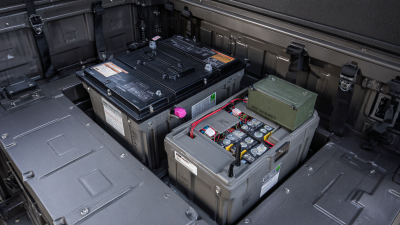
Recycling lead batteries is crucial for environmental protection. The process begins with gathering used batteries. Ensure proper storage to prevent leaks. Transport these batteries to a recycling facility that complies with safety standards.
Once at the facility, the batteries are carefully inspected. This step is vital to identify defects. Next, they are crushed into smaller pieces. During this phase, lead, plastic, and acid are separated. Each material will be processed for reuse.
Tips: Always use gloves when handling batteries. Follow local regulations for battery disposal. Regularly educate yourself about proper recycling practices. There are often community events focused on battery collection.
After separation, lead is purified and reused in new batteries. This closed-loop system minimizes waste. The plastic casing is recycled into new products, reducing demand for new materials. Yet, the process is not without flaws. Contamination can happen if batteries are improperly disposed of. Vigilance is crucial to ensure a successful recycling outcome.
Best Practices for Storing Used Lead Batteries
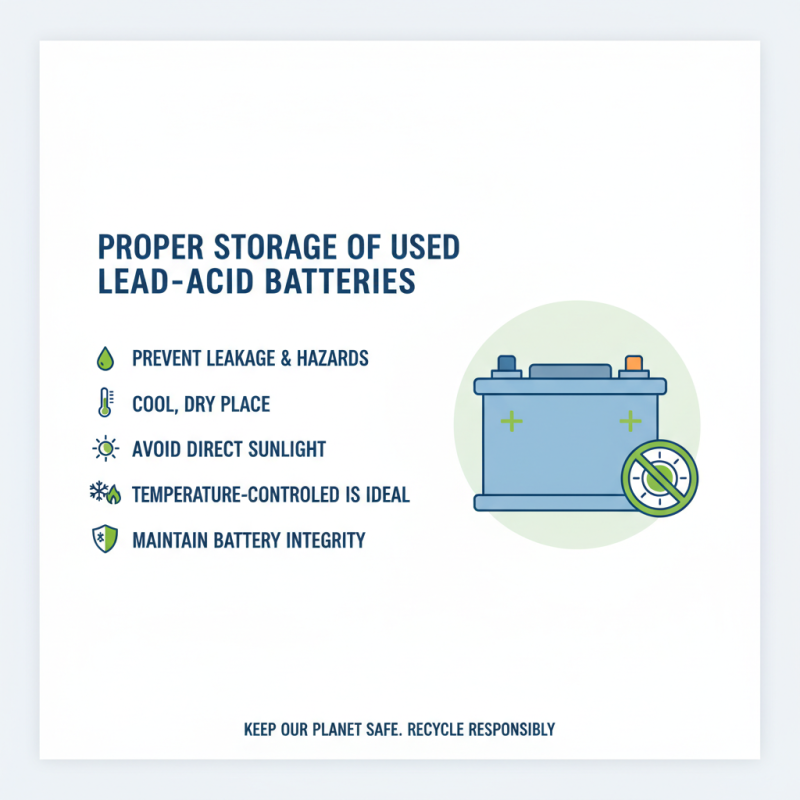
Storing used lead batteries properly is crucial. It prevents leakage and minimizes hazards. Always keep them in a cool, dry place. Avoid direct sunlight. A temperature-controlled environment is ideal. This helps maintain battery integrity.
**Tips:** Use a sturdy container to store batteries. Ensure it's labeled clearly. This helps avoid confusion. Regularly check the batteries for any signs of wear. If a battery looks damaged, handle it with care.
Place batteries on a flat surface. Ensure they don’t tip over. Tipping can lead to leaks. Also, keep them away from flammable materials. This reduces risks associated with accidental fires. Remember, taking these small steps can make a big difference.
Regulations and Safety Measures in Lead Battery Recycling
Lead battery recycling is vital for environmental protection. However, there are stringent regulations in place. These are designed to ensure safety and efficiency throughout the recycling process.
Recyclers must handle lead batteries with care. Protective gear, such as gloves and masks, is essential. This prevents exposure to harmful substances. Facilities must be equipped to manage toxic materials. Proper ventilation is crucial to avoid inhaling harmful fumes. Many regions have specific guidelines about battery collection and transportation. Compliance helps protect workers and surrounding communities.
Despite regulations, challenges remain. Improper disposal still occurs frequently. Not all consumers know where to recycle their batteries. Some may feel it’s easier to discard them in regular waste. Education is key. Public awareness campaigns can make a significant difference. Encouraging responsible recycling habits is necessary for progress. The need for safe, sustainable practices in lead battery recycling must be continuously emphasized.
Impact of Lead Battery Recycling on the Environment
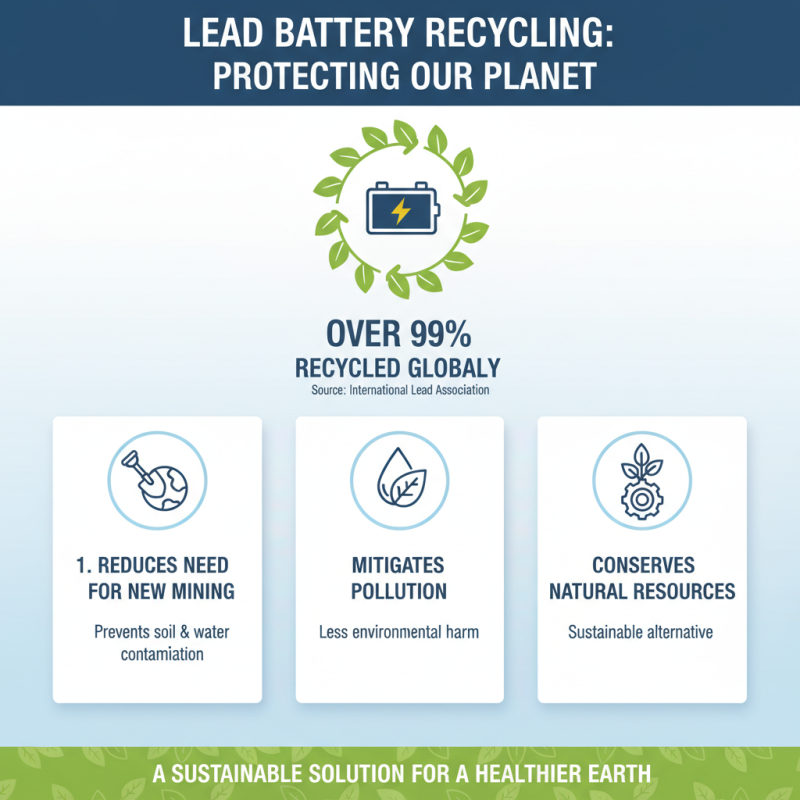
Lead battery recycling plays a crucial role in protecting the environment. According to the International Lead Association, over 99% of lead batteries are recycled. This process recovers lead and other materials, reducing the need for new mining. Mining often results in soil and water contamination. Recycling offers a sustainable alternative, mitigates pollution, and conserves natural resources.
However, challenges remain. Improper recycling methods can release toxic substances. In 2020, the U.S. Environmental Protection Agency reported over 4,000 tons of lead emissions linked to inadequate recycling. It's essential to choose certified recyclers to prevent these dangers. Communities must stay informed about local recycling practices.
**Tip:** Research local recycling facilities. Ensure they follow safe environmental practices.
Another challenge is public awareness. Many people are unaware of the importance of recycling lead batteries. Education campaigns could increase participation in recycling programs. A survey found that 70% of respondents didn’t know how harmful improper disposal can be.
**Tip:** Educate others about battery recycling. Share information through social media or community events.
Choosing the Right 12V 3AH Motorcycle Gel Battery: Why the MHB Gel-12N3-BS Stands Out
When it comes to choosing the right battery for your motorcycle or similar equipment, the MHB Gel-12N3-BS stands out as an exceptional option in the 12V 3AH class. This gel battery, part of an advanced fourth-generation series, offers a perfect blend of power and practicality, ideal for small motorcycles, electric bicycles, and riding toys. Its lightweight design not only simplifies installation but also ensures that it takes up minimal space, making it a fantastic choice for those dealing with limited battery compartments.
One of the key advantages of the Gel-12N3-BS is its reliable performance in various conditions. The gel construction allows for enhanced durability and longevity, providing consistent power output without the risk of leaks or spills. This makes it particularly suitable for users across diverse applications who require a dependable energy source. Whether you are a casual rider or someone who enjoys leisurely electric excursions, selecting the right battery can significantly enhance your experience, and the MHB Gel-12N3-BS is designed to meet those specific needs effectively.
FAQS
: Various products are available. Items range from electronics to home goods. Each category has unique options.
Consider your needs. Read reviews for insights. Compare features. Sometimes, it’s okay to ask for help from others.
Yes, returns are possible. Usually, a time frame is provided. Check the specific policy to avoid surprises.
Contact customer service. Document the damage with photos. They may offer a replacement or refund.
Most products come with warranties. Length varies based on product type. Clarify terms before purchasing.
Yes, tracking information is usually provided. Check your email or account for updates. It’s helpful for planning.
Bulk purchases are often possible. Discounts can apply. Always inquire about minimum order requirements.
Various methods are accepted. Credit cards, digital wallets, and bank transfers are common. Each method has its processing time.
Shipping times vary. Factors include location and shipping method chosen. Sometimes, delays are unavoidable, so plan accordingly.
Changes can be made, but it depends on the order status. Act quickly if adjustments are necessary. It’s not always guaranteed.
Conclusion
Lead batteries play a crucial role in various applications, but their effective recycling is essential for environmental sustainability. Understanding the components of lead batteries helps underscore the importance of recycling these batteries to prevent harmful substances from entering landfills. Proper identification of recycling facilities is vital, as these facilities are equipped to handle the specific needs of lead battery disposal.
The recycling process consists of several steps, ensuring that valuable materials are recovered while adhering to regulations and safety measures. Best practices for storing used lead batteries should be followed to minimize hazards. Through efficient lead battery recycling, we can significantly reduce environmental impact, conserving resources and supporting a circular economy.