In our fast-moving world these days, having dependable power solutions is more important than ever — especially when emergencies hit and electricity suddenly becomes a lifeline. It’s crazy to think that the global Emergency Battery market might hit around $1.5 billion by 2025, and honestly, that growth makes a lot of sense given how much we rely on backup power in things like healthcare, telecom, and transportation. FUJIAN MINHUA POWER SOURCE CO., LTD., a company that’s been around since 1992, is really well-equipped to meet this rising demand. With nearly 2,000 people on board and a massive 300-acre plant in Longqiao Industrial Park, Anxi, Fujian, MHB Battery is all about creating innovative battery solutions designed for those critical moments when power really counts. This blog is here to help out global buyers by sharing a handy checklist for emergency batteries. We want to highlight why choosing top-quality products isn’t just a good idea – it’s essential for safety, efficiency, and reliability when things get tough.
Understanding Different Types of Emergency Batteries and Their Uses
When you're looking into emergency batteries, it's pretty important to get a good sense of the different types out there and what they’re best used for. You’ve got options like lithium-ion, lead-acid, and nickel-metal hydride — each one brings something unique to the table. For instance, lithium-ion batteries are super popular because they pack a lot of power into a lightweight, compact package. That’s why you’ll see them in portable gadgets and electric cars all the time. On the flip side, lead-acid batteries tend to be a bit heavier and bulkier, but they’re usually easier on the wallet and do a solid job providing backup power during emergencies, especially for homes or small businesses.
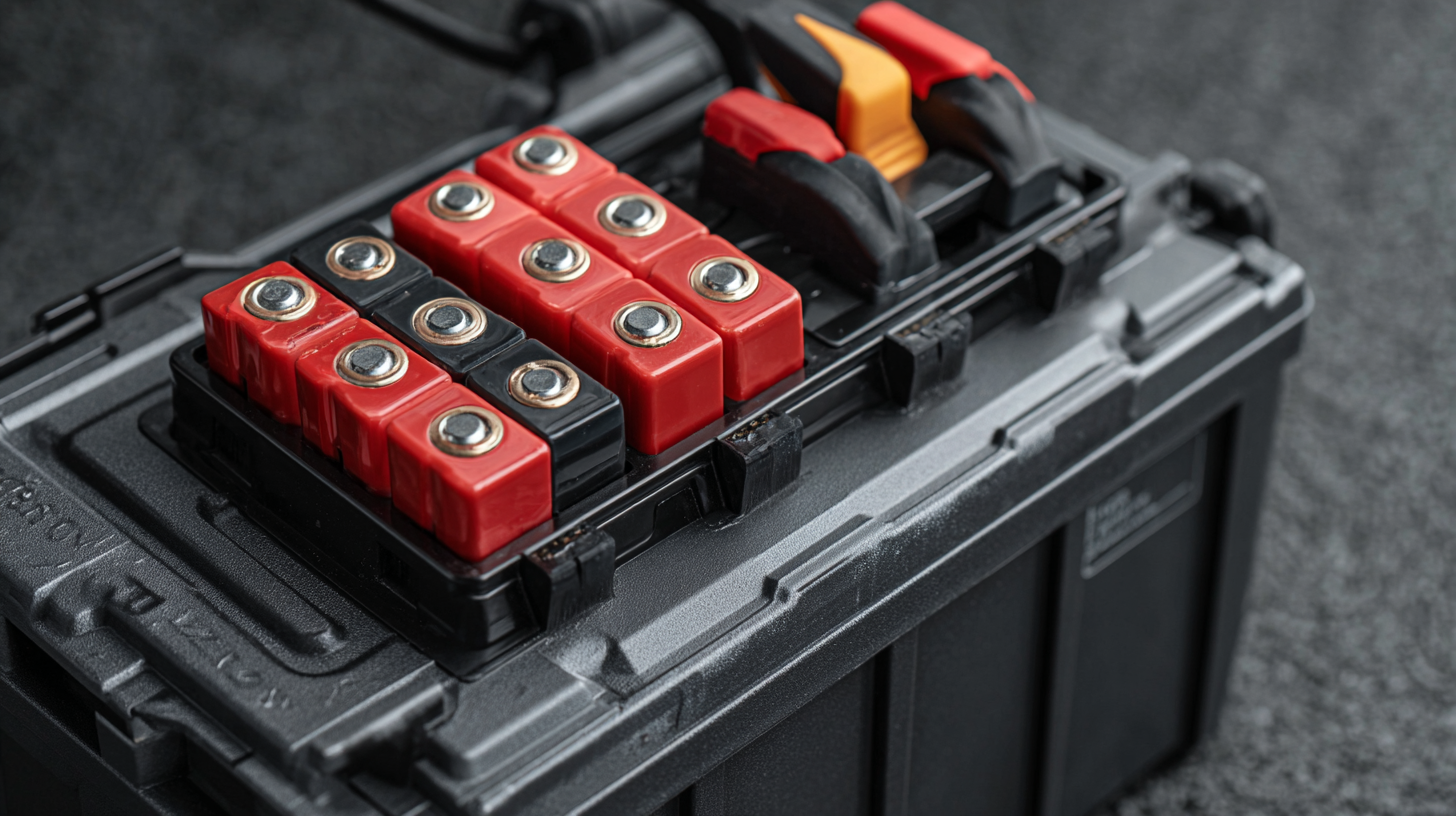
At FUJIAN MINHUA POWER SOURCE CO., LTD., we’ve been in the battery game since 1992. Our factory is located in Longqiao Industrial Park, within the Anxi Economic Development Zone, in Fujian. With nearly 2,000 passionate folks working with us and covering about 300 acres, we’re all about innovation and quality. We make a wide range of batteries for all sorts of uses, including emergency power. Knowing what type of battery fits your specific needs is key — understanding the differences can really help you make smarter choices so you’re totally prepared for whatever surprises might come your way.
Key Features to Consider When Selecting an Emergency Battery
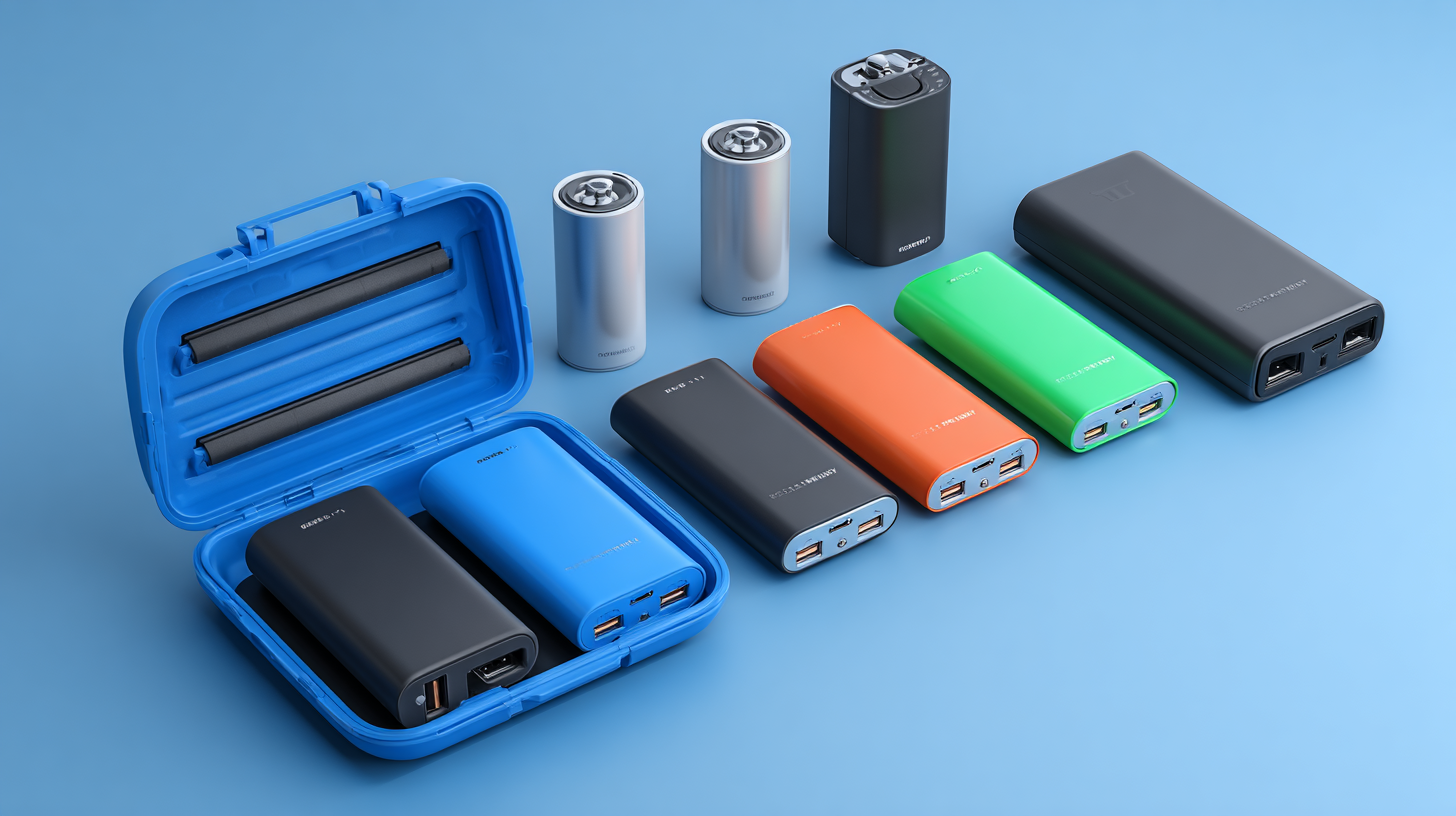
When you're picking out an emergency battery, there are a few key features you really want to keep in mind. First off, think about the capacity—measured in milliampere-hours (mAh). Basically, the higher the number, the longer it can keep your devices powered. For example, a 20,000 mAh battery can probably recharge your phone several times, giving you some breathing room during those surprising power outages.
Another thing to consider is the variety of output options. A good emergency battery should have multiple ports—stuff like USB-A, USB-C, and even AC outlets. That way, you can charge all kinds of gear, from your phone and tablet to a laptop or small appliances. Oh, and if it has fast-charging tech, that’s a total bonus because it means your devices will be ready sooner rather than later.
And of course, durability and safety features are super important. You want a battery that’s built tough enough to handle different environments, and it should have safety perks like protections against short circuits, overheating, or overcharging. This not only helps the battery last longer but also keeps your devices safe while they’re plugged in. If you focus on these key points, you'll be better prepared for whatever comes your way when things go wrong.
Top Brands for Reliable Emergency Batteries: A Comparative Review
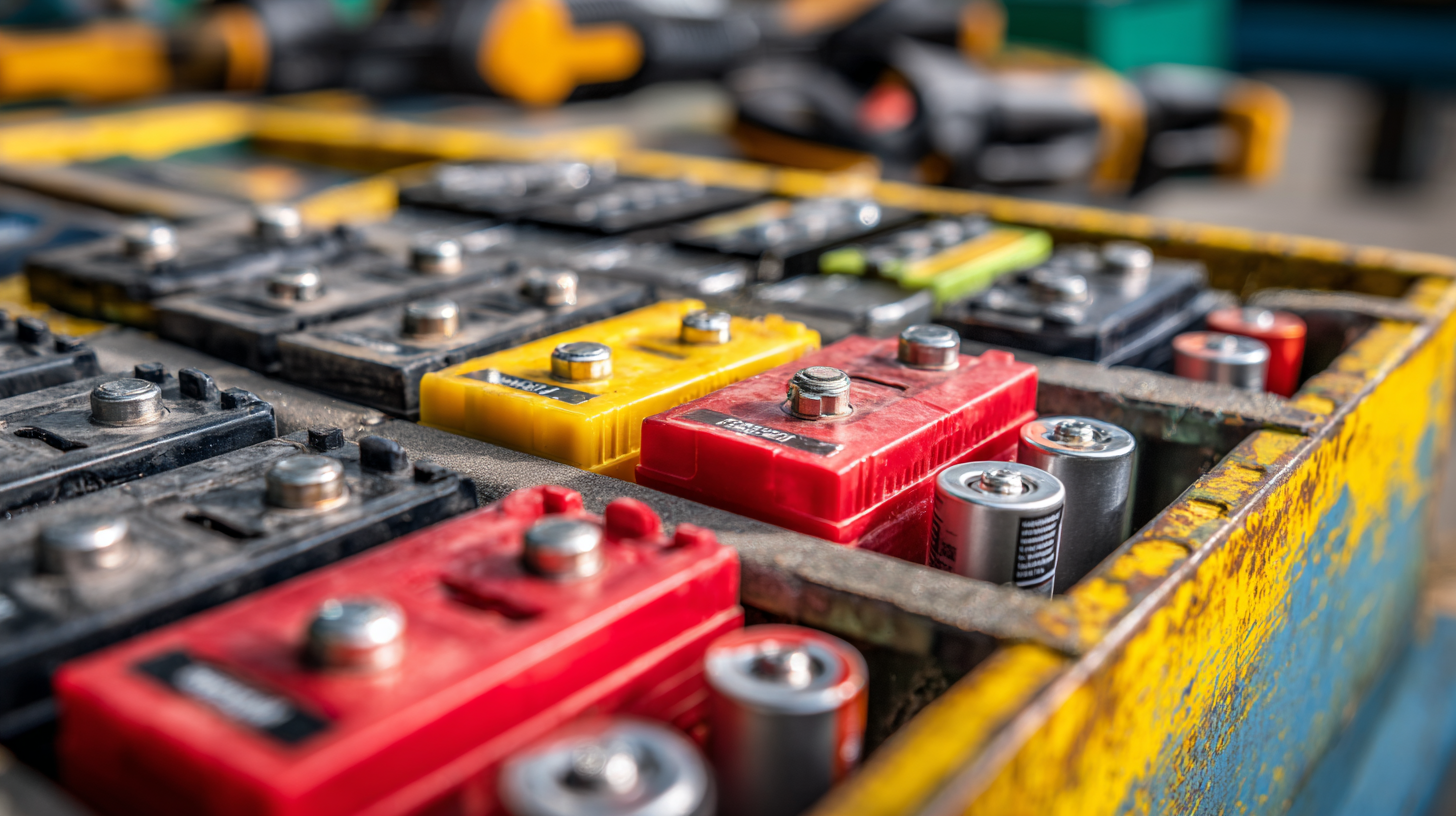
When it comes to emergency batteries, reliability is absolutely crucial, right? I mean, according to a report from the Global Battery Alliance, we can expect demand for these rescue batteries to jump by about 25% over the next five years. That’s largely because people are relying more and more on portable gadgets and backup power options. So, with such a boom, it’s really important to pick brands you can trust—ones that deliver good quality, solid performance, and safety. You know, brands like Ansmann, Energizer, and Duracell, they’ve pretty much been leading the pack, thanks to their consistent innovation and reputation for reliability in the emergency battery game.
Looking at these brands side by side, it turns out Ansmann batteries often last longer and can be reused more than others, which is a big win if you’re conscious about the environment. Energizer is great for high-drain devices since its alkaline batteries are super reliable and powerful. And Duracell? Well, they just keep setting the bar with durability and long shelf life. A study from Market Research Future even shows Duracell holds around 20% of the market share—that’s pretty impressive and shows folks really trust their backup power solutions. So, if you’re shopping for emergency batteries, these insights about which brands really deliver can help you make smarter choices and avoid the cringe-worthy surprises when you need power the most.
Emergency Battery Capacity Comparison
Budgeting for Quality: How to Choose an Emergency Battery Without Breaking the Bank
When you're picking out an emergency battery, it’s super important to find a good balance between quality and what you’re willing to spend. I recently read a report from Market Research Future, and it turns out the global market for portable power stations could hit over $1.5 billion by 2025. That just shows how much people are craving reliable energy sources, especially when stuff hits the fan. To make sure you’re making a smart choice, think about things like the battery’s capacity, how fast it discharges, and how tough it is overall.
One smart way to stick to your budget is to focus on features that give you the biggest bang for your buck. For example, batteries with lithium-ion tech tend to be a solid option—according to a study by Grand View Research, they’re way more efficient than the old-school lead-acid types. So, even if some batteries cost a bit more upfront, they usually last longer and need less maintenance, which can save you money in the long run. Keeping these points in mind can help you buy something that’s dependable without breaking the bank.
Emergency Battery Buying Guide Essential Checklist for Global Buyers
| Feature | Importance | Budget Range | Recommended Capacity (mAh) |
| Type of Battery | High | $30 - $100 | 5000 - 10000 |
| Recharge Cycles | Medium | $20 - $80 | 300 - 1000 |
| Weight | Medium | $15 - $75 | Variable |
| Durability | High | $50 - $150 | 5000 - 20000 |
| Charging Speed | High | $25 - $90 | 5000 - 12000 |
Maintenance Tips for Extending the Lifespan of Emergency Batteries
When you're buying emergency batteries, it’s not just about the initial cost — you’ll wanna think about how to keep them in good shape in the long run. Regular upkeep really helps them last longer, which means you save some cash and can count on them when you really need ‘em. A simple trick is to store your batteries somewhere cool and dry—hot temperatures can mess with their performance and make them wear out faster. Nothing fancy, just common sense.
Also, don’t forget to check the charge regularly and give them a spin every now and then. Even if you haven't used them, rechargeables should be cycled at least once every few months to avoid losing capacity. Oh, and take a quick peek at the terminals now and then—look out for corrosion or dirt because that can disrupt the electrical flow. Follow these easy tips, and you'll have batteries ready to go whenever you need them. That way, you can breathe easier knowing your backup power is always reliable in emergencies.
Navigating Global Regulations and Standards for Emergency Battery Purchases
As demand for emergency battery energy storage systems—you know, BESS—keeps climbing around the world, it’s more important than ever for buyers to really get a handle on all the different rules and standards out there. I mean, reports do say the European BESS market is set to grow a lot, mainly because more countries are jumping on the renewable energy bandwagon. But here’s the catch: European manufacturers are up against stiff competition from Asian companies, so they need to understand not just local rules but also a bunch of international standards. For instance, sticking to safety and performance standards like IEC 62619 can really make or break a company's chances when trying to break into new markets.
And it’s not just about making the stuff. Shipping batteries—especially end-of-life or damaged ones—comes with its own set of headaches. Buyers need to stay on top of regulations like the EU’s Waste Framework Directive, which deals with how we dispose of and recycle batteries. Transporting these batteries isn’t exactly straightforward either; the whole process has to follow strict guidelines to keep everyone safe and to avoid environmental mess-ups. So, it’s super important for companies to understand these regulations inside out. Being proactive about this stuff helps ensure smooth transactions and keeps everything sustainable along the way. When you really get a grip on these challenges, it becomes so much easier to navigate the global battery market without breaking a sweat.
FAQS
: The main types of emergency batteries include lithium-ion, lead-acid, and nickel-metal hydride, each offering unique advantages for different applications.
Lithium-ion batteries are favored for their high energy density and lightweight design, making them ideal for use in portable devices and electric vehicles.
Lead-acid batteries are more cost-effective and provide reliable power for emergency backup systems in homes and businesses, despite being heavier.
Key features include battery capacity (measured in mAh), output options (such as USB-A, USB-C, and AC outlets), fast charging technology, durability, and safety features.
A higher capacity translates to longer usage time for devices; for example, a battery with 20,000 mAh can recharge a smartphone multiple times.
An emergency battery should have built-in protections against short circuits, overheating, and overcharging to ensure both safety and longevity.
Buyers need to navigate regulations such as IEC 62619 for safety and performance, as well as local regulations like the EU's Waste Framework Directive for battery disposal and recycling.
Shipping regulations for end-of-life and damaged batteries are complex, and compliance is essential to ensure safety and mitigate environmental risks during transportation.
Companies can navigate the market effectively by staying informed about local and international standards, as well as investing in understanding legal frameworks for compliance and sustainability.
Fast charging technology significantly reduces the time it takes to recharge devices, providing quicker solutions during unexpected power outages.
Conclusion
In today's super busy world, having a dependable emergency battery can really make all the difference when the power suddenly goes out. This blog hopscotches through the different types of emergency batteries out there and what each one’s best for, so you can make smarter choices. We’ll look at things like how much juice they hold, how long they take to charge, and how easy they are to carry around. Plus, I’ve included some honest reviews of the top brands — so you get a clear picture of which ones you can actually rely on.
Budgeting smartly is pretty important here, and I’ve got some tips on picking an emergency battery that fits your needs without breaking the bank. Oh, and don’t forget—taking care of your batteries can totally help them last longer and be ready whenever you need them most. We also keep an eye on all the global rules and standards, so you’re not lost in a sea of confusing info when shopping around. Here at FUJIAN MINHUA POWER SOURCE CO., LTD., we really get how vital quality is when it comes to emergency batteries — we’ve been in the game for over thirty years, after all!