In today's world, where we're so dependent on technology, having a dependable Emergency Batteryreally isn’t just a luxury — it’s pretty much a must-have. Did you know? According to a report from the International Energy Agency, the global battery market is projected to hit around $120 billion by 2025. That’s a clear sign that more and more people are looking for reliable energy solutions that can keep vital devices running when things go sideways. Experts like Dr. Sarah Thompson from Power Solutions Inc. stress how crucial it is to be prepared: “An Emergency Battery can be the difference between chaos and staying in control during a power outage.”
What surprises me is how many folks underestimate just how important an Emergency Battery really is. When the power suddenly goes out, everything can turn into a mess pretty fast. Phones, communication systems, safety devices—they all stop working. But if you’ve got a good quality Emergency Battery, you can keep those critical devices up and running. The tricky part? Picking the right one. Sure, some batteries might sound appealing, but they might not be reliable when you need them most. That’s why it’s super important to do a bit of homework—look into brands, tech specs, and reviews—to avoid ending up disappointed during an emergency.
With the way energy management is evolving, staying informed is more important than ever. Think about what you really need now and what might come up later on. For instance, a high-capacity Emergency Battery could power multiple devices at once, while smaller ones might be perfect for specific needs. Making smart, informed choices today can make a big difference in your safety and readiness for whatever surprises tomorrow might hold — trust me, it’s better to be prepared than caught off guard.

Understanding Emergency Batteries and Their Importance
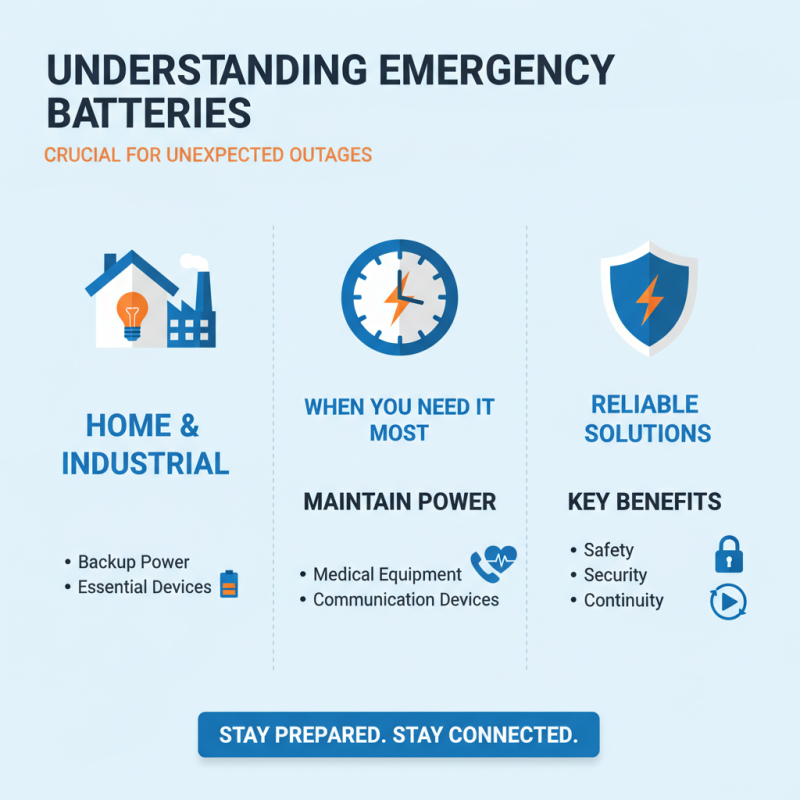
Understanding emergency batteries is crucial for maintaining power during unexpected outages. These batteries provide backup energy when you need it most. They are essential in both home and industrial settings. With reliable power solutions, you can keep essential devices operational. This is particularly important for medical equipment and communication devices.
Here are some tips for maximizing your battery's performance. Regularly test your emergency battery systems. This can unveil potential issues before they become critical. Keep batteries stored in a cool, dry place. High temperatures can reduce their lifespan. For best results, consider a Battery For Emergency System that matches your needs.
It's important to acknowledge limitations. Not all batteries are created equal. Some may not hold a charge as promised. Conduct thorough research to identify reliable options. Also, ensure your emergency plans account for these devices. A well-prepared plan enhances your response during a crisis. This approach safeguards your well-being and ensures that power is readily available when it’s needed the most.
Types of Emergency Batteries for Various Needs
When it comes to emergency situations, having the right battery can make a significant difference. Different types of emergency batteries cater to various needs, ensuring you’re prepared when the unexpected occurs. Common types include lithium-ion, lead-acid, and Rechargeable Batteries, each with its own advantages.
Lithium-ion batteries are lightweight and provide high energy density. They are ideal for portable devices and essential electronics. Lead-acid batteries are heavier but offer a steady power supply, making them suitable for larger equipment. Consider how you'll use the battery to choose the right type.
Tips: Always keep emergency batteries charged. Store them in a cool, dry place to prolong their lifespan. Regularly check your battery products for safety and functionality. This simple act can prevent disappointments when power is crucial. Make sure to rotate your batteries periodically to ensure freshness. These small steps contribute to reliable power solutions when you need them most.
How to Choose the Right Emergency Battery Solution
Choosing the right emergency battery solution is crucial for maintaining power during unexpected situations. The market for emergency batteries is expected to grow at a compound annual growth rate (CAGR) of 7% between 2023 and 2030. This statistic indicates a rising recognition of the importance of reliable power sources. When selecting a battery, consider the capacity it provides. A battery’s capacity, measured in milliamp hours (mAh), determines how long it can power devices. For instance, a 20,000 mAh battery can typically charge a smartphone several times before needing to be recharged itself.
Evaluate the type of battery technology available. Lithium-ion batteries are widely regarded for their energy density and recharge cycles. According to industry reports, lithium-ion solutions can last up to 2,000 charge cycles with minimal degradation. However, they may not perform well under extreme temperatures. On the other hand, lead-acid batteries are cheaper but heavier, and they come with shorter life spans. Be mindful of these trade-offs when making a decision.
Lastly, think about portability and weight. An emergency battery should be easy to carry and store. A battery weighing more than 5 pounds may be cumbersome in a crisis. Research indicates that more compact power solutions are becoming more popular. Users should explore various options and read reviews, ensuring they make an informed choice in a time of need. Make certain that the battery chosen aligns with specific power requirements and personal usage habits.
Tips for Maintaining Your Emergency Battery
Maintaining your emergency battery is crucial for ensuring reliable power solutions. Regular checks can prevent unexpected failures during crucial moments. Keep your emergency battery charged, ideally above 50%. This simple step prolongs its lifespan. If you have a 6v Ups Battery For Emergency Lights, ensure it's inspected often. A functional battery supports your lights and safeguards your home.
Humidity and temperature can affect battery performance. Store your emergency battery in a cool, dry place. Extreme conditions can lead to degradation. Remember, even the best batteries will eventually fail, so establish a routine for replacement. Document usage and performance to track any signs of decline. This proactive approach will help maintain reliability when you need it most.
Don't overlook the importance of connections. Clean terminals can prevent power loss. Ensure wires are secure to avoid flickering lights. A neglected battery can lead to frustration. Take time to reflect on your current setup. Assess whether it meets your needs and adjust your maintenance schedule to improve reliability.
Best Practices for Storing Emergency Batteries
Storing emergency batteries properly is crucial for their effectiveness. Research shows that about 30% of batteries fail due to improper storage. Factors such as temperature and humidity play a significant role in their lifespan. Ideal storage conditions are cool and dry, typically below 25°C (77°F). Fluctuations in temperature can cause leakage or reduced capacity.
Maintaining the right charge level is also essential. Lithium-ion batteries, for instance, should not be fully charged or completely drained regularly. Keeping them at around 40-60% charge can enhance their longevity. Some reports suggest that batteries stored this way can maintain their capacity for up to two years longer than those stored at full charge.
Regular checks on stored batteries can aid in identifying any potential issues. Signs like swelling or leakage are red flags. Although many may overlook these indicators, addressing them promptly can prevent health hazards. In a world increasingly reliant on power, understanding these nuances is key to ensuring batteries remain functional during emergencies.
Charging and Using Emergency Batteries Effectively
When it comes to emergency batteries, proper charging and usage are crucial. Batteries need to be maintained regularly to ensure reliability during a power outage. Checking the battery level routinely can prevent unexpected failures. If your backup battery is low,charge it fully before the need arises. Don’t wait until the last minute to prepare.
One useful tip is to keep a backup battery kit ready. This kit can include a 6v Backup Battery For Emergency Lights, along with essential cables and connectors. Store it in an easily accessible location. Keeping everything organized can save valuable time in an emergency. Also, consider labeling your batteries with their purchase date. This practice helps in tracking expiration and replacement schedules.
Using emergency batteries effectively means understanding their limits. Overloading them can lead to malfunctions. It is vital to read the specifications and follow manufacturer guidelines. Reflect on past experiences: did a battery let you down during a storm? Learn from those moments. Adjust your preparations accordingly to ensure you're ready next time.
Signs That Indicate Battery Replacement is Necessary
Recognizing when a battery needs replacement is crucial for maintaining reliable power solutions. There are clear signs that indicate it's time to look for a new battery. For instance, if your 6 Volt 7ah Battery is consistently underperforming, it may no longer hold a charge effectively. A battery that loses power quickly or fails to start your device indicates significant wear.
Another sign is physical damage. Any cracks, leaking fluid, or corrosion on terminals should raise alarms. This isn't just cosmetic; it can lead to safety hazards. Additionally, frequent replacement cycles indicate potential issues. If you've replaced a battery numerous times within a year, it might be time to consider a different approach or even an upgrade, such as opting for a 110 Volt Battery Pack.
Don't overlook a drop in performance. If devices powered by your battery act sluggish or intermittent, something is amiss. These symptoms may point to a failing battery, signaling that a replacement is overdue. Ignoring these signs can lead to unexpected downtime. Regular assessments can save you from inconvenient surprises, enhancing the reliability of your power solutions.
Top Emergency Battery Tips for Reliable Power Solutions
This chart displays the percentage of users who experienced various signs indicating that a battery replacement was necessary. Understanding these signs can help ensure reliable power solutions in emergencies.
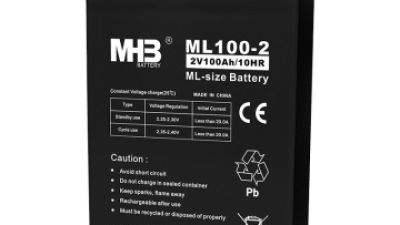
Optimizing Telecom Systems with MHB ML100-2 2V 100Ah UPS Batteries: A Comprehensive Guide
Optimizing telecom systems requires reliable power solutions that can handle the demands of continuous operation. The MHB ML100-2 2V 100Ah UPS battery stands out as an ideal choice for telecom applications, thanks to its high-capacity design. With a robust 100Ah capacity, this battery can support a wide range of systems, from small setups to expansive telecom networks, ensuring that they function efficiently and without interruption.
One of the key features of this battery is its 2V configuration, which allows for seamless integration with existing telecom infrastructure. This flexibility enables users to customize their power solutions according to specific requirements, making it easier to scale operations as needed. Additionally, the lead-acid technology employed in these batteries is engineered for durability and longevity, making them capable of enduring the rigors of constant usage. As a result, telecom providers can be assured that their infrastructure remains operational, even during unexpected power outages.
The combination of high capacity, flexibility in integration, and reliability makes these batteries an excellent investment for any telecom organization. By implementing this advanced energy solution, telecom systems can optimize their performance, minimize downtime, and enhance overall service reliability.
FAQS
: The ideal storage temperature is cool and dry, typically below 25°C (77°F).
Regular checks are essential. Look for signs like swelling or leakage to prevent issues.
Keep lithium-ion batteries at around 40-60% charge to enhance their longevity.
Any cracks, leaks, or corrosion are serious signs. Replace the battery to avoid safety hazards.
Maintain your batteries regularly. Keep a fully charged backup battery kit and check levels routinely.
A quickly losing charge can signal significant wear. Replacement might be necessary to ensure reliability.
Label your batteries with their purchase date. This practice helps manage replacement schedules effectively.
Consider past experiences. Did it underperform? Learn from those moments and adjust your preparations.
Overloading can lead to malfunctions. Always follow specifications to use them effectively.
Frequent replacements or poor performance are key signs. Regular assessments can help avoid unexpected downtime.
Conclusion
Emergency batteries are crucial for ensuring reliable power solutions during unexpected outages or emergencies. Understanding their importance and the various types available can help individuals meet their specific needs, whether for home, camping, or other applications. Choosing the right emergency battery requires assessing factors such as capacity, charging time, and compatibility with devices.
Maintenance is essential for optimal performance, and users should follow best practices for storing their emergency batteries, including keeping them in a cool, dry place. Effective charging and usage techniques can maximize battery lifespan, while being aware of signs indicating when replacement is necessary will ensure that you are always prepared for power interruptions. By implementing these tips, you can guarantee that your emergency battery will serve you reliably when it matters most.