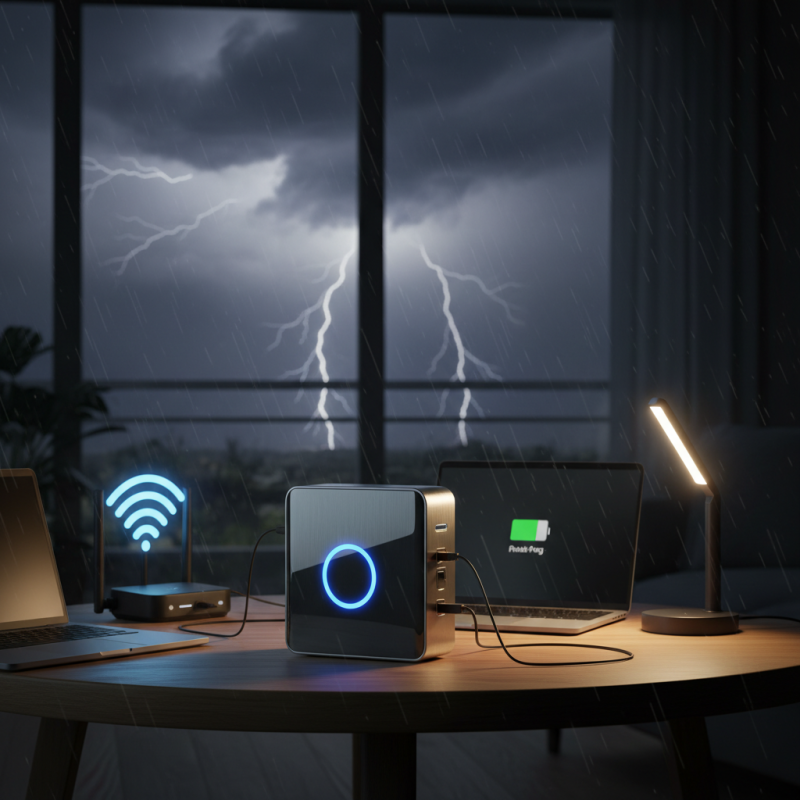
In today's fast-paced world, reliable power is essential. An Emergency Batteryprovides a vital solution during unexpected situations. These devices ensure that homes and businesses remain powered when grid electricity fails. Imagine a storm knocking out power; an Emergency Battery kicks in, protecting your devices.
Emergency Batteries function using stored energy. They rely on advanced technology to deliver electricity quickly when needed most. Their ease of use makes them crucial for anyone, from homeowners to large organizations. However, not all models offer the same reliability. Some may fail under pressure, leaving users frustrated.
Choosing the right Emergency Battery requires careful thought. Factors like capacity, recharge time, and design play critical roles in performance. It’s essential to reflect on these aspects for maximum effectiveness. An informed decision can make all the difference during a crisis.
What is an Emergency Battery?
An emergency battery is a portable power source designed to provide backup energy during outages or emergencies. It can be a lifesaver when the main power supply fails. Typically, these batteries store energy, enabling them to release power when needed. They are often used in homes, businesses, and vehicles.
In terms of working principle, emergency batteries generally rely on chemical reactions within the cells. These reactions generate electricity. Users can recharge them using standard power outlets or solar panels. The performance of the battery is crucial. If it doesn’t hold a charge, it may not function as intended during emergencies.
Not all emergency batteries are created equal. Some may not last long enough or might fail at critical moments. It’s important to test them regularly and replace them when they show signs of wear.
Relying solely on these batteries without proper maintenance can lead to disappointment during power interruptions. An emergency battery is only as effective as the care it receives.
Key Components of Emergency Batteries
Emergency batteries play a crucial role in power outages. They can supply energy when the main source fails. Understanding their components helps us appreciate their function.
The core component of an emergency battery is the energy cell. It stores power for later use. These cells often employ lithium or lead-acid technology. Both have pros and cons. Lithium batteries are lightweight and charge quickly. Lead-acid ones are heavier but cheaper and easier to recycle.
Another vital part of an emergency battery is the inverter. This device converts stored DC power into AC power. Many appliances require AC current. A reliable inverter ensures smooth operation when a backup battery is in use. Lastly, a robust battery management system is essential. It monitors the battery's health, ensuring safety and efficiency. A well-functioningBattery For Emergency System can make a real difference during blackouts. Learning about these components can help us choose better systems for our needs.
How Emergency Batteries Function: The Science Behind it
Emergency batteries are essential tools that provide power when traditional sources fail. They are designed to kick in during a power outage, ensuring that critical systems continue to operate. Understanding how these batteries function requires a look into their scientific principles.
At the core, emergency batteries store energy chemically. They can convert this stored energy into electrical power quickly. When the main power source is interrupted, the emergency battery discharges its stored energy to maintain operation of emergency lights and other essential devices. Many people prefer using a 6v Ups Battery For Emergency Lights because of its reliability and adequate power supply.
Tips: Always check the capacity of your emergency battery. A battery with insufficient capacity may leave you in the dark during an outage. Regular maintenance is crucial. Dust can accumulate, affecting performance. Ideally, perform checks every few months to ensure everything is functioning.
These systems are not perfect. Batteries can degrade over time if not used properly. This degradation can lead to unexpected failures. Users should reflect on their battery needs and ensure backup solutions align with their requirements. Understanding the science behind emergency batteries allows better preparedness in emergency situations.
Types of Emergency Batteries and Their Applications
Emergency batteries play a crucial role in providing power when you need it most. There are several types, each designed for specific applications. Portable batteries are often used in small devices, like flashlights and mobile phones. They’re lightweight and easy to carry. In contrast, larger backup batteries support full-home systems during power outages.
For medical facilities, reliable batteries are essential. Emergency power systems maintain the operation of critical equipment. When the grid fails, these batteries ensure patient safety. In remote areas, solar-powered batteries are becoming popular. They store energy generated during the day, providing a renewable power source at night.
Tips: Always check the battery status regularly. Ensure they are charged and functioning properly. It’s wise to have different types of batteries for varied needs. Store them in a cool, dry place to maintain longevity.
Think about it: do you have batteries ready for emergencies? Ignoring them might lead to problems when you least expect it. Planning ahead can save you from distress in dire situations.
Charging Mechanisms for Emergency Batteries
Emergency batteries play a crucial role in power outages. They provide backup energy swiftly when the main source fails. Charging mechanisms for these batteries are vital for ensuring they function effectively when needed. Different technologies are employed to charge these batteries efficiently.
One prevalent method is using solar power systems. According to industry reports, solar charging can boost battery efficiency significantly. For example, solar panels can raise output by up to 30%, depending on sunlight availability. This approach not only aids in keeping batteries charged but also is sustainable. However, reliance on solar energy may lead to challenges during cloudy days.
Another common mechanism involves grid-based charging. Many households utilize a 6v Backup Battery For Emergency Lights. This setup ensures that lights remain operational during blackouts. Yet, grid dependence can be problematic. Issues such as fluctuating voltages may cause inefficient charging. Additionally, if the grid is down, the batteries cannot charge. Finding a balance between these mechanisms is crucial for reliability and efficiency.
Advantages of Using Emergency Batteries
Emergency batteries play a crucial role in maintaining power during unexpected outages. They provide immediate energy to essential devices, ensuring you stay connected and safe. One significant advantage of using emergency batteries is their reliability. Whether it’s a home or a business, they deliver power when you need it most.
A good emergency battery can run several devices. For example, a 6 Volt 7ah Battery can power small lights, radios, or even phone chargers. This versatility is invaluable in a crisis. Additionally, a 110 Volt Battery Pack can support larger devices, making it ideal for extended outages. Having various options allows you to tailor your power needs effectively.
Tip: Always keep your emergency batteries charged. A dead battery is useless in an emergency. Regularly test your batteries to ensure they're functioning properly. Sometimes, batteries can degrade over time, losing their efficiency. Reflect on how much power you might need during a blackout. This thought could save you from having insufficient power when it matters most.
Emergency Battery Performance Comparison
This chart compares the battery capacity (in Ah) of different types of emergency batteries. Lead-acid batteries are traditional but heavy, while lithium-ion batteries offer higher capacities and efficiency. Nickel-cadmium batteries have a lower capacity but are rechargeable, and lithium polymer batteries are lightweight and versatile.
Safety Considerations and Maintenance for Emergency Batteries
Emergency batteries are essential in providing power during outages. While they are invaluable, safety must remain a priority. One common risk is overcharging. This can lead to battery failure or even fire. According to industry studies, about 30% of emergency battery failures are due to improper charging practices.
Regular maintenance ensures the longevity of emergency batteries. Inspect connections and clean terminals to prevent corrosion. A report by the Battery Maintenance Association highlights that nearly 40% of battery-related issues stem from neglect. It’s essential to check voltage levels monthly. A well-maintained battery has a significantly longer lifespan.
**Tips:** Store batteries in a cool, dry place. Check them regularly to confirm they’re functional. Rotate older batteries into use, as freshness affects reliability. Lastly, always follow manufacturer guidelines for charging and storage. This promotes both safety and effectiveness.
What is an Emergency Battery and How Does It Work? - Safety Considerations and Maintenance for Emergency Batteries
| Feature | Description | Safety Considerations | Maintenance Tips |
| Type of Battery | Lead-acid, Lithium-ion, Nickel-cadmium | Avoid short-circuits; ensure proper disposal | Regularly check battery health; keep clean |
| Capacity | Measured in Amp-hours (Ah) or Watt-hours (Wh) | Overloading can cause overheating; use within rated limits | Store in a cool, dry place; avoid extreme temperatures |
| Discharge Rate | Speed at which the battery delivers energy | High discharge can lead to faster degradation | Follow manufacturer guidelines for discharge rates |
| Charging Method | AC chargers, solar panels, or DC power sources | Use correct charger to prevent damage | Regularly inspect charging cables and connections |
| Lifespan | Typically 2-10 years depending on type | Watch for signs of aging (e.g., swelling, leakage) | Replace when capacity drops below 80% |
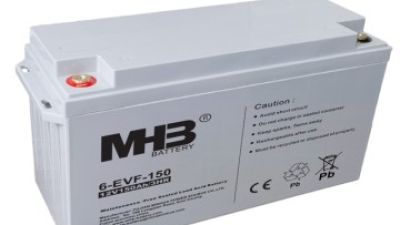
Maximizing Power and Reliability: The MHB 12V 150Ah EV Sealed Maintenance-Free Battery for Wholesale Distribution
In today's renewable energy landscape, reliable power solutions are essential for various applications, including electric vehicles and golf carts. The MHB 12V 150Ah EV Sealed Maintenance-Free Battery stands out as a top choice for wholesale distribution due to its remarkable power delivery and unwavering reliability. This battery is designed to maximize performance, ensuring that users can effectively operate their electric vehicles without the worry of frequent maintenance interruptions.
For those opting for batteries to power their golf carts, it is vital to understand the different types available. Lead-acid batteries, particularly deep cycle variants, offer an excellent balance of affordability and efficiency, making them a preferred option for many. These batteries can endure multiple charge cycles, ensuring long-lasting performance in various conditions. While flooded lead-acid batteries provide significant power output, they do require regular checks and maintenance. In contrast, the MHB 12V 150Ah battery eliminates these maintenance concerns, delivering a hassle-free experience without sacrificing power or reliability.
By choosing the MHB 12V 150Ah battery, consumers can enjoy a maintenance-free solution that caters to a wide variety of energy needs. This innovative engineering ensures it continues to deliver powerful, reliable performance for electric vehicles, making it a strategic choice for wholesale distributors looking to provide customers with high-quality products in a competitive market.
FAQS
: The product aims to solve common everyday problems. It provides convenience and efficiency in various tasks.
Follow the user manual for guidance. This ensures you maximize its features for optimal results.
Always handle the product with care. Avoid leaving it unattended, especially around children or pets.
Check the troubleshooting section of the manual. If issues persist, consider seeking professional assistance to resolve them.
Yes, it is versatile. However, extreme conditions may affect its performance and lifespan.
Generally, a limited warranty is provided. Always read the terms for specific details on coverage and duration.
It is primarily made from durable materials. However, some components may require careful handling to avoid damage.
Regular maintenance is recommended. Simple cleaning and checks can prolong its functional life significantly.
Yes, it has multifunctional capabilities. Consider experimenting with different uses to discover its full potential.
Some users report minor operational hiccups. Reflecting on user experiences can help improve future usage.
Conclusion
An Emergency Battery is a critical power source designed to provide backup energy during unforeseen outages or emergencies. Comprising essential components such as energy storage cells, control circuits, and safety features, these batteries function by converting stored chemical energy into electrical energy efficiently. The science behind Emergency Batteries involves various electrochemical processes that allow them to deliver power rapidly when needed.
Different types of Emergency Batteries cater to diverse applications, ranging from portable devices to larger systems in buildings and vehicles. They typically utilize effective charging mechanisms to ensure they remain ready for use, offering numerous advantages such as portability, reliability, and ease of use. However, safety considerations and regular maintenance are paramount to ensure optimal performance and longevity of these vital power sources.