You know, in today’s fast-paced world of global trade, lithium batteries have really become a key player in the tech game. They're powering just about everything, from electric cars to renewable energy setups. I came across a market report from Allied Market Research, and it predicts that the global Lithium-Ion Battery market is on track to hit a whopping USD 129.3 billion by 2027, which is pretty wild as that’s a 16.4% annual growth rate from 2020 to 2027! You'll find that some of the big players in this space are Chinese manufacturers like FUJIAN MINHUA POWER SOURCE CO., LTD. They’ve got their MHB Battery brand, and they're really leading the charge. Founded back in 1992, they’re located in the Longqiao Industrial Park in the Anxi Economic Development Zone in Fujian. It’s impressive—they’ve built up a solid team of nearly 2,000 employees over a whopping 300 acres! MHB Battery isn’t just about meeting local needs; they’re all in on delivering high-quality lithium batteries that ensure reliability and performance, making a real impact on global trade as we move further into this electrified future.
The Rise of Premium Lithium Battery Manufacturers in China
You know, the rise of premium Lithium Battery manufacturers over in China is really shaking things up in the global energy scene. With the skyrocketing demand for electric vehicles (EVs), renewable energy storage, and all those portable gadgets we can’t live without, Chinese companies are really stepping it up. They're cranking out high-performance batteries that not only meet international standards but often go above and beyond. These top players are pouring a ton of money into research and development, which is helping them come up with new tech to boost battery efficiency while also cutting down on production costs. It’s pretty amazing how quickly China has become a major player in the global lithium battery market.
On top of that, you've got this nice teamwork happening between government policies and industry initiatives that’s really paving the way for growth. With subsidies, tax breaks, and regulations that actually help out, both big companies and startups are diving into some seriously cool tech. Because of this, Chinese lithium batteries are getting quite the reputation for being reliable and long-lasting. They’re in hot demand across various fields, whether it's automotive or consumer electronics. Plus, these manufacturers are committed to sustainable practices, which means they’re not just improving their products but also helping to build a greener future. They're really making a name for themselves as leaders in the global shift toward cleaner energy solutions.
Empowering Global Trade with Premium Lithium Batteries from Leading Chinese Manufacturers
| Manufacturer Location | Annual Production Capacity (MWh) | Energy Density (Wh/kg) | Market Share (%) | Major Industries Served |
| Eastern China | 5000 | 250 | 25 | Electric Vehicles |
| Southern China | 7000 | 230 | 30 | Consumer Electronics |
| Northern China | 6000 | 240 | 20 | Renewable Energy Storage |
| Central China | 4000 | 220 | 18 | Telecommunications |
| Western China | 3000 | 210 | 7 | Industrial Applications |
Key Trade Certifications Shaping the Lithium Battery Industry
You know, the lithium battery industry really depends a lot on certain trade certifications that make everything safer and more efficient in our global supply chains. Take the IATA CEIV Lithium Battery certification, for example. It's a big deal because it plays a key role in ensuring that lithium batteries are transported safely. This certification isn't just a box to tick; it actually establishes best practices for handling these batteries and helps manufacturers and transporters meet some pretty tough safety standards. A great illustration of this is when a cargo terminal operator in Hong Kong got certified—it really shows how committed they are to safety and compliance in this ever-changing industry.
As international trade agreements—like the EU-Chile Interim Trade Agreement—shake things up, these certifications become even more vital. They give manufacturers, especially in places like China, a real leg up in global trade by helping them comply with international safety norms. Plus, there are initiatives like the one from the Austrailian Battery Industry Association, which highlight how serious we are about lithium battery safety. It’s all part of a bigger push towards environmentally friendly practices and industry-wide safety standards. This mix of policy, safety, and certification is super important as we all gear up for a future that’s going to be heavily influenced by electric vehicles and renewable energy solutions.
Digital Innovations in Lithium Battery Production and Supply Chain
You know, in today’s fast-changing world of global trade, the lithium battery scene is really making waves—especially with all the cool digital innovations coming into play. A lot of top Chinese manufacturers are leading the charge, using some pretty advanced tech to make their production processes smoother and boost their supply chain efficiency. Think about it: tools like AI and IoT aren’t just modernizing how things get made; they’re also helping companies keep an eye on operations in real-time and even predict when stuff might need maintenance. This is huge because it cuts down on downtime and saves a bunch of costs, which is always a win, right?
On top of that, with blockchain getting integrated into supply chain management, we’re seeing a big push for transparency and traceability in lithium battery products. This means that everyone involved, from suppliers to customers, can track materials right from their source all the way to the final product. That kind of visibility really builds trust and accountability, which, let’s face it, is super important in today’s market. As these manufacturers jump on board with these innovative changes, they’re able to respond more quickly to what the market needs. And that means high-quality lithium batteries are rolling out to support all sorts of industries, whether it’s electric vehicles or renewable energy solutions. By embracing this digital transformation, Chinese manufacturers aren’t just keeping pace; they’re on track to reshape global trade and redefine how we think about energy storage in the future.
Chinese Lithium Batteries: Meeting Global Standards and Regulations
You know, Chinese lithium batteries are really starting to get recognized for their knack for meeting international standards and all those pesky regulatory requirements. It’s making their manufacturers some pretty important players on the global stage. A recent report from MarketsandMarkets actually predicts that the lithium-ion battery market will hit a whopping $129.3 billion by 2027, and guess what? A big chunk of that is going to come from Chinese manufacturers who are totally leading the charge in innovation and production capacity. This growth isn’t just luck; it’s partly because they’re sticking to global rules like ISO 9001, which makes sure their batteries are top quality, and the REACH regulation in the EU, helping them be safe and environmentally friendly too.
Plus, it’s clear that Chinese companies are really committed to sustainability and quality. Back in 2020, it was estimated that over 40% of the world’s lithium battery production capacity was in China, which just goes to show how dominant they are in this market. According to a report from Statista, the demand for electric vehicles (EVs) is on fire! They’re forecasting that global EV sales will hit 26 million units by 2030. This surge means there’s a huge need for high-quality batteries that meet strict international standards, which in turn boosts global trade and helps the economy grow. Pretty wild, right?
Exploring the Export Potential of China’s Lithium Battery Market
You know, the export potential of China’s lithium battery market is really something to talk about. With the global push for sustainable energy solutions, things are looking pretty good. In 2022, China’s lithium battery exports hit around $20 billion, which is just amazing—a staggering 60% jump from the previous year! This surge is all part of the bigger trend towards electric vehicles (EVs) and renewable energy storage, and lithium batteries are absolutely key to making that happen. Research suggests that by 2025, the global lithium-ion battery market could surpass a whopping $150 billion, and a big chunk of that is likely to come from top Chinese manufacturers.
On top of that, China has really carved out a space for itself in the lithium battery supply chain, accounting for more than 70% of the world’s production capacity. Companies like CATL and BYD are leading the charge, using some pretty advanced tech and scalable manufacturing processes to crank out batteries more efficiently. Plus, with the Chinese government backing green technologies through various policies and initiatives, it really boosts their competitive game. As countries around the globe ramp up their energy transition efforts, the demand for high-quality lithium batteries from China is expected to grow even more. It's all positioning China as a major player in the international energy solutions market.
Top Applications Driving Demand for Lithium Batteries Worldwide
You know, the demand for lithium batteries is really taking off around the world, thanks to all those tech advancements and the rise in electric vehicles (EVs). It’s pretty wild that the global stationary energy storage market is set to grow from $90.36 billion in 2024 to a whopping $231.06 billion by 2032! Clearly, lithium batteries are becoming super important for energy efficiency and sustainability. Just look at the lithium-ion battery market — it's expected to grow at a crazy rate of 20.3% a year all the way through 2030. This boom is mostly driven by the automotive industry which really needs those efficient and long-lasting batteries to keep up with the skyrocketing demand for electric vehicles.
But here's the kicker: the political landscape really complicates things for the lithium battery supply chain. The U.S. is trying to cut down its dependence on Chinese lithium, but some of the current regulations might actually make it tougher for its own EV market to grow. It’s a bit of a balancing act between national policies and what the market really needs. And let’s face it, this tension could stifle the sort of innovation and collaboration that’s needed for sustainable lithium supply chains. As we roll into this battery-dominated era, getting a grip on all these dynamics is going to be essential for industries ready to embrace an electrified future.
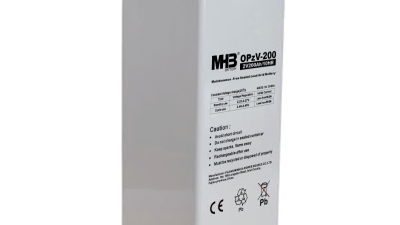
Maximize Efficiency and Reliability with OPzV 200Ah Gel Battery: Your Ultimate Deep-Cycle Energy Solution
Maximizing efficiency and reliability in energy storage is crucial for various applications, especially in solar energy systems, uninterruptible power supplies (UPS), and industrial backup solutions. The OPzV 200Ah gel battery stands out as an ultimate deep-cycle energy solution, offering a perfect combination of high-performance and longevity. This maintenance-free battery is designed to deliver consistent power, boasting over 1,200 life cycles, which positions it as an ideal choice for industries that demand reliable backup energy.
According to a report by the International Renewable Energy Agency (IRENA), the global energy storage market is projected to grow significantly in the coming years, driven by the increasing demand for renewable energy sources. The OPzV 200Ah gel battery aligns perfectly with this trend, providing deep-cycle capabilities suited for solar applications. Its advanced gel technology ensures that the battery remains operational even in extreme conditions, making it a robust solution for telecom systems and critical industrial operations that require uninterrupted power supply.
In addition, studies from the Electric Power Research Institute (EPRI) indicate that deep-cycle batteries, such as the OPzV 200Ah, enhance system efficiency by minimizing energy loss and maximizing discharge rates. This translates into lower operational costs and increased reliability for businesses relying on steady power supply. With its impressive specifications and proven endurance, the OPzV 200Ah gel battery is indeed your go-to choice for ensuring optimal performance in energy-demanding environments.
FAQS
TA CEIV Lithium Battery certification?
Trade certifications enhance safety and efficiency in global supply chains, ensuring that participants adhere to international safety standards which is crucial for the evolving lithium battery industry.
International trade agreements, like the EU-Chile Interim Trade Agreement, reshape market dynamics and make the adoption of safety certifications even more critical for manufacturers to effectively engage in global trade.
The demand for lithium batteries is surging, primarily driven by advancements in technology and the increasing adoption of electric vehicles (EVs), as they are essential for energy efficiency and sustainability in the automotive sector.
The global stationary energy storage market is expected to grow from $90.36 billion in 2024 to $231.06 billion by 2032, highlighting the increasing importance of lithium batteries.
The geopolitical landscape introduces complexity, as the U.S. is trying to reduce reliance on Chinese lithium, which may inadvertently hinder the growth of its domestic electric vehicle market due to existing regulations.
The lithium-ion battery market is projected to grow at a remarkable compound annual growth rate (CAGR) of 20.3% through 2030.
Efforts such as those from the Australian Battery Industry Association are focused on fostering environmentally sustainable practices and promoting industry-wide safety standards for lithium batteries.
Understanding these market dynamics is crucial for industries as they prepare for a future increasingly driven by electric vehicles and renewable energy solutions.
Certifications promote safety standards and environmentally sustainable practices, ensuring that lithium battery handling and transportation mitigate risks to both human health and the environment.