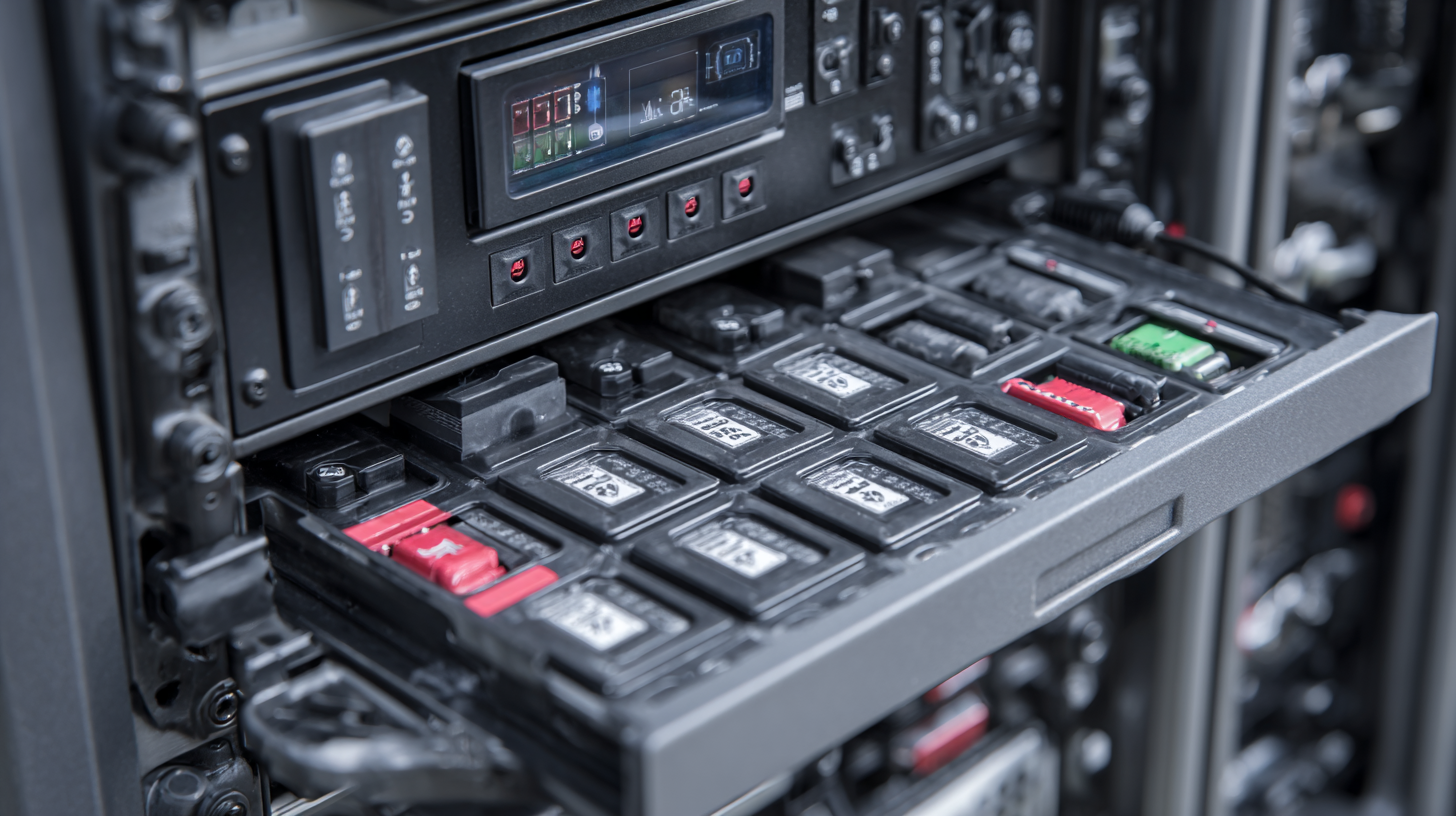
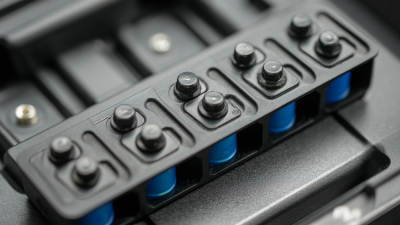
In today’s fast-changing energy world, it’s pretty important for both makers and users to get a good grip on the key parts of batteries — especially Battery Plates. These plates are basically the core electrodes in lead-acid batteries, and they really influence how well your battery works and how long it lasts. So, if you’re into this industry or just curious, you’ll want to know that, according to market reports, the global lead-acid battery market is expected to hit around $85 billion by 2025! That just shows how much people are looking for reliable energy storage solutions these days.
At
FUJIAN MINHUA POWER SOURCE CO., LTD., we’ve been doing our thing since 1992, pushing the boundaries of battery innovation. With almost 2,000 dedicated folks on our team, we’re passionate about quality and tech progress. Basically, we’re
proud to be a trusted name when it comes to understanding Battery Plates and the whole battery scene.
What Are Battery Plates and Why Are They Important?
Battery plates are pretty important parts of both lead-acid and lithium-ion batteries. They’re basically the spots where all the crazy electrochemical reactions happen — that’s how these batteries generate and store energy. Typically, these plates are made from conductive materials; for lead-acid batteries, you’ll mostly find lead plates. They come in different setups—some are flooded, sealed, or gelled—kind of like different versions tailored for specific needs. Also, the size of these plates really impacts how well the battery performs. Bigger surface areas mean more active material can do its thing in the chemical reactions, which translates into higher power output and better energy capacity.
But it’s not just about how they work; battery plates also play a huge role in how long the battery lasts and how efficiently it runs. High-quality plates can handle things like sulfidation and corrosion, basically making the battery last longer. And let’s not forget how tech is evolving—more advanced coatings or new composite materials are making plates even better in terms of charging speed, discharging, and handling temperature swings. Getting a good grip on what battery plates are all about isn’t just useful for picking the right battery for your project, but it also helps when it comes to maintenance, so you can keep your batteries humming longer.
Battery Plates Analysis
This chart illustrates the thickness of battery plates across different battery types. Understanding the thickness helps in assessing the performance and durability of various battery technologies.
Types of Battery Plates: An Overview of Lead, Nickel, and Lithium
Battery plates are pretty essential parts of all kinds of batteries, and each material they’re made from has its own perks that make it suitable for certain uses. Take lead-acid batteries, for example – they're everywhere, from cars to industrial stuff. These batteries use lead dioxide for the positive plates and sponge lead on the negative side. According to a report from Grand View Research, the lead-acid battery market’s expected to hit around $83.5 billion by 2027. That’s mainly because we’re seeing more demand for energy storage and automotive batteries. The really nice thing about lead plates is that they’re durable and budget-friendly. But, I should mention—they are pretty heavy and not as efficient as some of the newer tech out there.
Now, looking at nickel-based batteries like NiCd and NiMH, they use nickel oxide hydroxide for the positive plates. These batteries are known for being reliable across a range of temperatures, making them perfect for power tools or hybrid cars. The International Energy Agency has pretty optimistic forecasts—saying the global market for Nickel-Metal Hydride batteries might grow by about 14% each year up until 2025. That’s thanks to their better energy capacity and the fact that they’re more environmentally friendly compared to older types.
On the tech front, lithium battery plates, which mainly use lithium cobalt oxide on the positive side, have totally changed the game. They’re everywhere—in our smartphones, laptops, and electric vehicles. Industry insiders say the lithium battery market could hit a staggering $139 billion by 2025. Thanks to ongoing innovations, these batteries are getting better at packing more energy and lasting longer. Their lightweight design and efficiency make them a top pick now and probably for the future—especially as we look toward renewable energy storage and electric transportation. Honestly, they’re pretty much leading the charge in battery tech these days.
How Battery Plates Are Made: The Manufacturing Process Explained
The process of making battery plates is honestly pretty fascinating—it’s like this mix of careful engineering and clever material choices. It all starts with selecting lead because it’s really efficient at storing energy. From there, the lead gets melted down and poured into thin plates, which is actually a pretty critical step because more surface area means better performance and a longer lifespan for the battery. After that, these plates go through a bunch of treatments to boost their electrochemical properties. They’re then coated with active materials—positive plates get lead dioxide, and negative ones get spongy lead. This part involves spreading a mix of lead oxide and some other additives onto the plates, all in a controlled environment, so everything stays durable and effective.
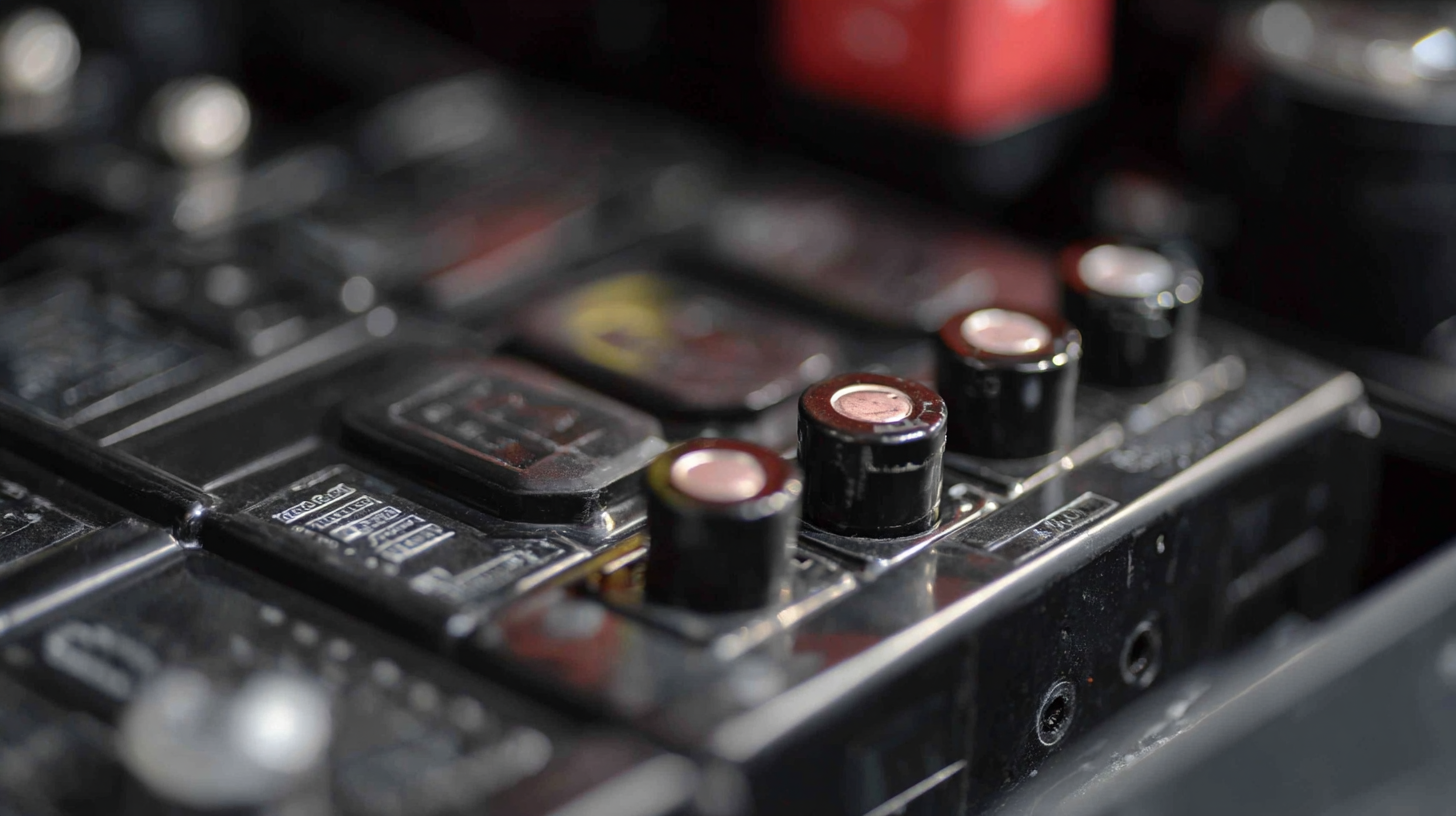
Once the coating’s on, they go through a curing process—kind of like letting everything set so it bonds well and reaches the right consistency. Finally, the plates are assembled into battery cells, where they go through formation—basically charging and discharging cycles—so they’re ready to be used in all sorts of applications. It’s a pretty intricate process, but each step is key to making a reliable battery.
Tips for Maintaining Your Battery Plates for Optimal Performance
Battery plates are pretty much the backbone of your batteries—they really make a big difference in how well your batteries perform and how long they last. Keeping these components in good shape isn’t just a good idea; it’s essential if you want your batteries to run smoothly. To help you out, I’ve put together some simple tips to keep your battery plates in top condition.
First up, make sure to check your battery plates regularly for any signs of corrosion or buildup. A good trick is to clean them with a mixture of baking soda and water—that stuff magic! Just remember to disconnect your battery first to stay safe from any electrical shocks. After cleaning, rinse the plates well and dry them thoroughly so there’s no residual moisture.
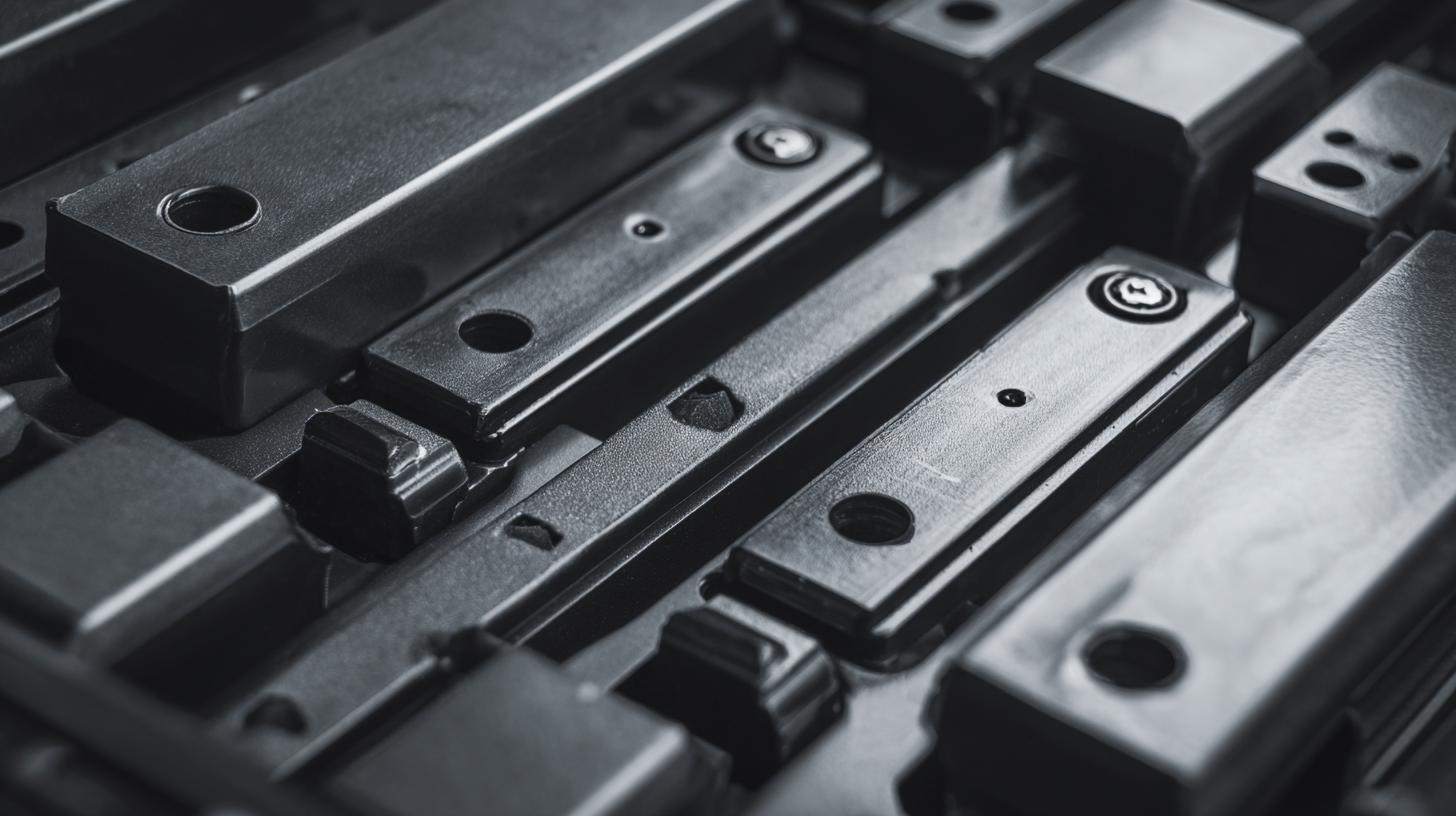
Another thing to watch out for is the fluid level inside your battery. If the electrolyte gets too low, the plates can be exposed to air, which isn’t ideal and can cause oxidation—that’s bad news for performance. It’s a good idea to inspect the levels often and top up with distilled water when needed, making sure the plates stay submerged and protected.
Stick to these simple maintenance tips, and you'll really boost both the performance and lifespan of your battery plates. In the end, it’s all about keeping your batteries reliable and running without a hitch.
Common Issues with Battery Plates and How to Troubleshoot Them
Battery plates are pretty essential when it comes to how well your batteries work and how long they last, especially with lead-acid ones. But, honestly, they can run into some common problems that mess with their performance. One of the most common issues is sulfation—that’s when these little crystals of lead sulfate start forming on the plates, usually because you’re not charging enough or if the battery’s just been sitting idle for a while. This stuff can really cut down on the battery’s capacity and makes it wear out faster. To deal with sulfation, the best thing is to stick to a regular charging routine. You might also want to look into a desulfator—it's a handy device that can break down those crystals and help bring your plates back to life.
And then there’s corrosion, which you’ll probably see as a white, flaky stuff on the terminals. Not great, because it can mess with the electrical connection and cause your battery to give out sooner than expected. The key here is to check the terminals regularly and give them a good clean if you notice any corrosion—just mix some baking soda with water and scrub a bit. You can also apply a thin layer of petroleum jelly on the terminals to keep moisture and corrosion at bay. Doing these simple things can keep your battery running smoothly for longer and make sure you get the most out of it.
Future Innovations in Battery Plate Technology: What to Expect
With the rising demand for better energy storage solutions, the future of battery plate tech is really exciting—it's set to shake up the whole renewable energy scene. A lot of the focus right now is on creating new materials that boost both how well batteries perform and how long they last. Researchers are diving into alternatives to the old-school lead-acid stuff, like nanostructured materials and solid-state electrolytes. These options aren’t just promises—they could mean batteries store more energy, charge faster, and come with improved safety features.
On top of that, I think we’re gonna see smart tech make a big splash in battery plates. Imagine sensors embedded right into the batteries that can keep tabs on their health and performance in real time—that’s a total game-changer. It could lead to smarter battery management, catching potential issues before they turn into problems, making charging more efficient, and really making batteries last longer overall. As our energy needs keep growing, staying ahead with these innovations will be key—for manufacturers, everyday users, and of course, for the planet too.
Exploring the Impact of Lead-Acid Battery Technology on Fire Safety: Insights from Industry Reports and the MHB 12V 9Ah UPS
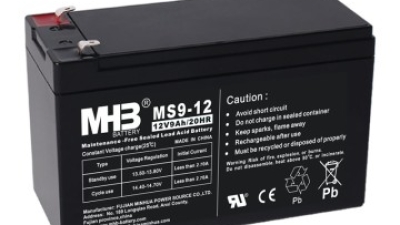
In the realm of fire safety, the role of reliable power sources cannot be underestimated. Recent reports highlight that lead-acid batteries, such as the MHB 12V 9Ah UPS, play a pivotal role in ensuring uninterrupted power supply for critical systems. According to industry insights, lead-acid technology offers exceptional stability and longevity, making it a favored choice for fire suppression and alarm systems. These batteries are designed to withstand demanding conditions, thus providing essential support when it matters most.
The importance of dependable power in fire emergency scenarios is underscored by data from safety regulations which show that about 75% of businesses experience challenges with power interruptions during critical events. This makes it imperative for fire safety systems to utilize robust solutions like the UPS Supporting Fire Suppression Safety Lead-Acid Battery. Engineered to deliver consistent performance, this battery ensures that safety systems remain operational even in power failure situations. With their ability to support fire suppression systems seamlessly, lead-acid batteries are invaluable assets in the fight against fire hazards.
Moreover, as fire safety technology advances, the efficiency and reliability of these batteries continue to improve, responding to an increasing demand for extensive safety measures across various sectors. A recent industry report indicates that systems backed by high-quality UPS solutions see a significant reduction in emergency response times, further showcasing the critical nature of these power solutions. Integrating robust lead-acid battery systems into fire safety protocols not only safeguards properties but also enhances the overall safety infrastructure in place.
FAQS
: The main types of battery plates include lead plates used in lead-acid batteries, nickel plates used in Nickel-Cadmium and Nickel-Metal Hydride batteries, and lithium plates used in lithium batteries.
Lead-acid battery plates are durable and cost-effective, making them a popular choice for automotive and industrial applications, despite being heavy and less efficient compared to newer technologies.
Nickel-based batteries, especially NiCad and NiMH, perform well in various temperatures, making them suitable for power tools and hybrid vehicles.
Lithium battery plates primarily consist of lithium cobalt oxide for the positive side, with varying materials used for the negative side.
Regularly check for signs of corrosion or buildup, clean with baking soda and water, and maintain the correct fluid levels in the battery to avoid oxidation and decreased efficiency.
Sulfation occurs when lead sulfate crystals form on the plates due to undercharging or prolonged inactivity, reducing the battery's capacity and lifespan.
Inspect the battery terminal connections regularly, clean any corrosion with a baking soda and water solution, and apply petroleum jelly to protect against moisture and further corrosion.
The lithium battery market is estimated to reach $139 billion by 2025, driven by advancements in technology enhancing energy density and life cycle.
Maintaining the correct fluid level in batteries prevents exposure of the plates to air, which can cause oxidation and decrease efficiency. Regular inspection and topping off with distilled water are crucial for optimal operation.
Conclusion
Battery plates are pretty much the backbone of how different types of batteries work—they're the key parts that store and release energy. If you're into batteries, or even just curious, it’s really helpful to understand the main types out there—like lead, nickel, and lithium. Crafting these plates isn’t simple; it involves some pretty detailed techniques to make sure they’re sturdy and perform well. After all, we want them to last as long as possible, right?
Taking good care of your battery plates is a big deal if you want your batteries to run smoothly and avoid those annoying issues that pop up over time. Keeping up with troubleshooting tips and knowing about the latest innovations in battery plate tech can seriously improve your experience. Here at FUJIAN MINHUA POWER SOURCE CO., LTD., we're all about pushing the boundaries of battery solutions and staying ahead of industry trends—so our products keep meeting what you need, today and tomorrow.