Hey, if you're diving into the world of energy storage, picking the right Deep Cycle Lifepo4 Battery is super important—especially if you're after efficiency and sustainability for your business. I recently read that the global market for lithium-ion batteries—think renewable energy storage and electric vehicles—is expected to hit around $100 billion by 2025. That’s a huge deal and really shows how much focus there’s been on upgrading to smarter, more advanced battery tech. Funnily enough, FUJIAN MINHUA POWER SOURCE CO., LTD., under their MHB Battery brand, has been rocking this scene since 1992. They’ve got their main hub inAnxi, Fujian, with nearly 2,000 folks working there on a sprawling 300-acre campus. These guys are seriously committed to making reliable, high-performance Deep Cycle LiFePO4 Batteries, and they’re pretty much leading the charge in this booming industry. If you’re trying to figure out which battery to go for, understanding what matters most can really help you get the best bang for your buck and keep your operations running smoothly.

Understanding Deep Cycle Lifepo4 Batteries: A Brief Overview
When it comes to finding energy solutions for businesses, deep cycle LiFePO4 (that's lithium iron phosphate) batteries have really been making waves. People love them because they're efficient and last a long time. These batteries are made to deliver steady power over extended periods, which makes them perfect for stuff like renewable energy setups, electric vehicles, or backup power systems. Getting to know what makes these batteries tick can really help businesses make smarter choices when planning their energy needs.
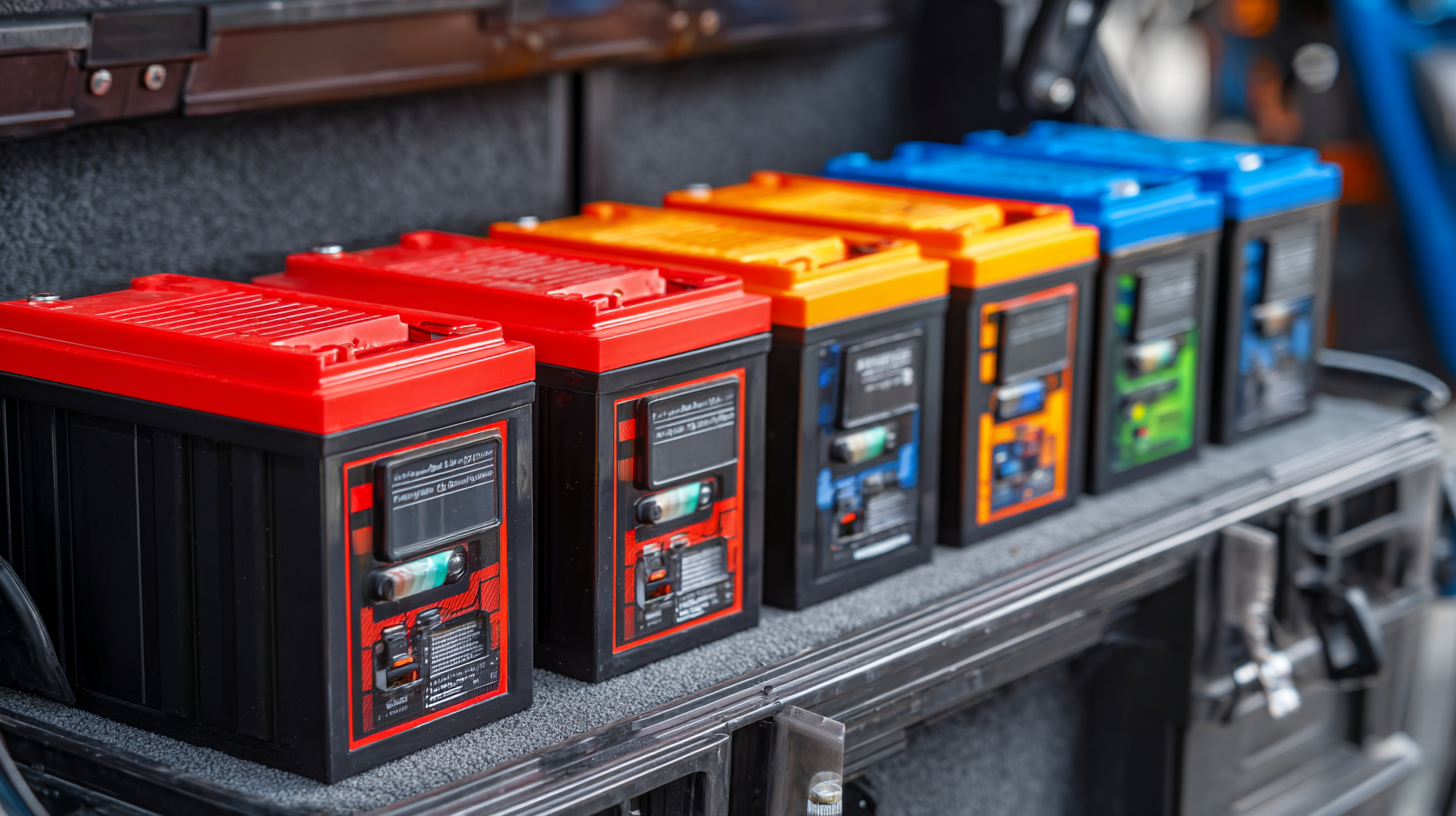
Unlike your usual lead-acid batteries, LiFePO4 ones tend to last way longer and charge up quicker. They can handle hundreds, even thousands, of charge and discharge cycles without puking out on you, which means businesses save money on replacements and less hassle keeping them maintained. Plus, they’re pretty compact and lightweight—so they’re easier to fit into different setups without taking up too much space. And they work well across a wide range of temperatures, making them super versatile for all kinds of business energy needs today.
Key Considerations for Selecting the Right Battery Capacity
Alright, when you're trying to pick the right deep cycle LiFePO4 battery for your business, one of the most important things to consider is capacity. Honestly, don’t overlook it — knowing exactly what your power needs are is the first step. Take a look at the devices or systems you’ll be running off the battery and evaluate how much energy they use. That’ll give you a good idea of the minimum capacity you’ll need to keep things running smoothly.
Here's a little tip: pay attention to the depth of discharge (DoD). Unlike traditional lead-acid batteries, LiFePO4 batteries can usually be discharged more deeply without hurting their lifespan. So, you can use a larger chunk of the battery’s capacity without worries. But it’s smart to choose a battery that can handle your typical load comfortably — and leave some extra room for those unexpected surges in power demand.
Oh, and don’t forget about cycle life. Basically, how many times the battery can be charged and discharged before it starts to wear out. You want to go with one that offers a solid number of cycles at your required capacity. Longer cycle life means saving some cash in the long run, since you won’t need to replace it as often. The trick is to find that sweet spot between capacity and cycle life — that way, you get the best performance and durability for your investment.
Evaluating Battery Lifespan and Warranty Options
When you're looking into how long deep cycle LiFePO4 batteries last and what kind of warranty they come with, it’s really important to keep in mind that their lifespan can vary a lot depending on the brand and model. From what I’ve seen in industry reports, most LiFePO4 batteries typically last somewhere between 2,000 to 7,000 charge cycles. Some of the top-tier options, when used under ideal conditions, can even hit close to 10,000 cycles. That’s a pretty solid lifespan, meaning they can give you years of reliable performance — which is especially important for folks using them in things like solar power setups or electric vehicles.
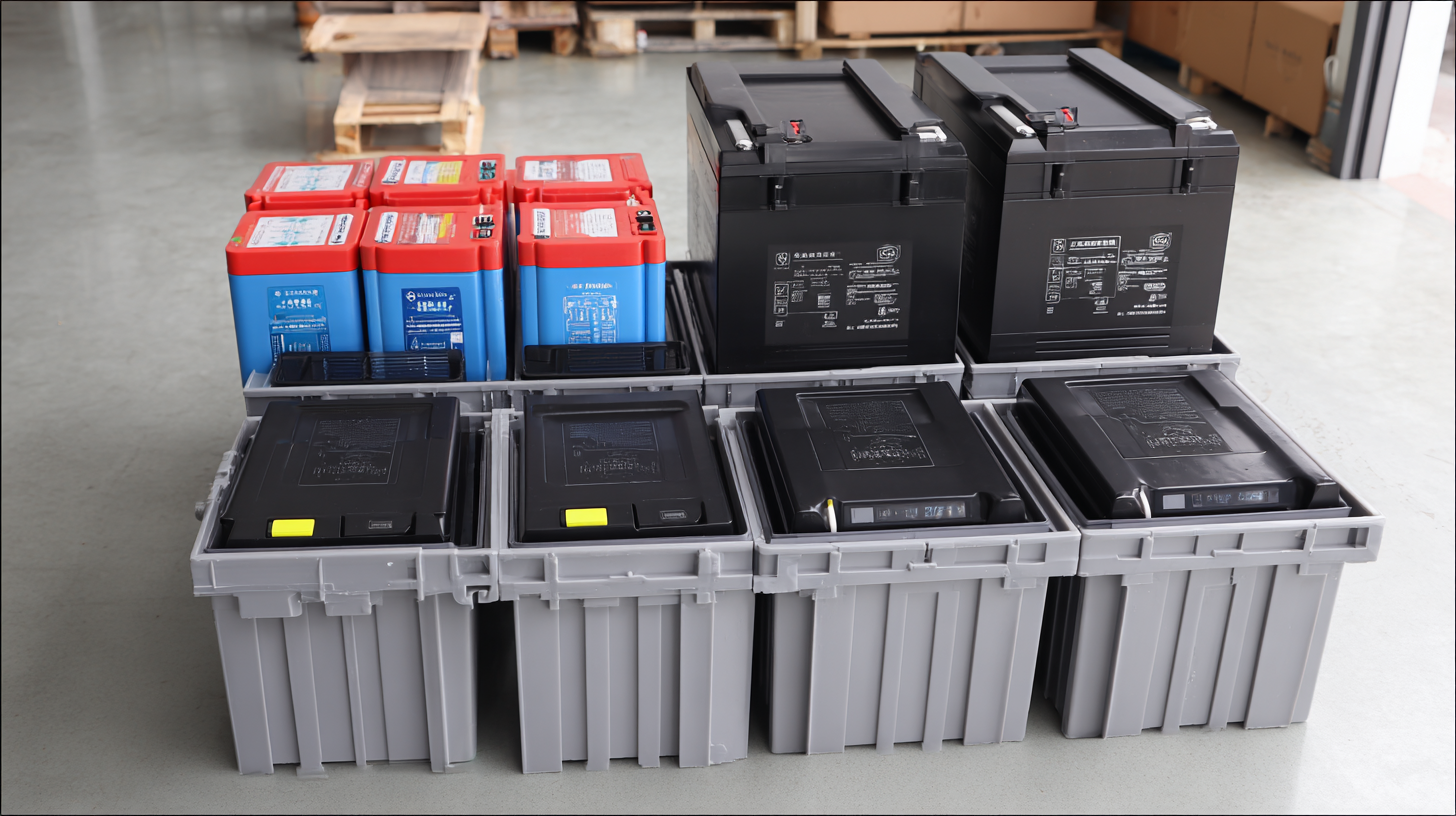
Warranties are another big thing to consider, because they say a lot about how confident the manufacturer is in their product. Usually, you’ll find warranties ranging from about 3 years all the way up to over ten years. I came across a recent report from Battery University that pointed out batteries with longer warranties are often built to last longer and perform better overall. This kind of coverage gives businesses (and even DIY enthusiasts) some peace of mind, knowing that if anything goes wrong, you’re protected. Plus, a good warranty isn’t just about repairs; it also shows that the manufacturer expects the battery to keep performing well over time, making it a smarter, more cost-effective choice in the long run.
Assessing Charging and Discharging Rates for Your Needs
Picking the right deep cycle LiFePO4 battery for your business isn’t just about specs — you’ve got to understand how its charging and discharging rates work. These numbers really tell you how fast the battery can be topped up or drained, and that directly affects how well it performs in different setups. If your business needs a lot of power fast — think electric vehicle charging stations or heavy-duty applications — then high discharge rates might be what you’re after. Recent studies have actually shown that optimizing how and when you charge and discharge batteries within a distribution network can make a real difference, especially when it comes to balancing energy loads and getting the most out of your system.
On top of that, the way charging rates relate to estimating the battery's state of charge (SoC) is pretty critical for good battery management. Luckily, with advances in machine learning, companies now have tools to get much more accurate SoC readings, even under different load conditions. That info helps you make smarter decisions about how and when to deploy batteries, so your operations stay powered without sacrificing performance or battery life. As electric vehicle tech keeps moving forward, keeping these factors in mind while choosing batteries will help you build a more sustainable and efficient energy plan — it’s all about staying ahead of the game and making sure your setup is optimized for the future.
Charging and Discharging Rates of Deep Cycle LiFePO4 Batteries
This chart illustrates the charging and discharging rates of various deep cycle LiFePO4 batteries. The data showcases how different batteries perform under typical conditions, helping businesses assess which battery might best suit their operational requirements. The charging rates indicate the maximum current the battery can accept, while the discharging rates show how much power can be drawn efficiently.
Comparing Cost vs. Performance in Lifepo4 Batteries
When you're choosing a deep cycle LiFePO4 battery for your business, one of the biggest things you really wanna think about is balancing cost and performance. At first glance, it might seem like going for the cheapest option is the way to go, but honestly, that can end up costing you more in the long run. Cheaper batteries might not last as long or handle heavy loads well, which means you'll be replacing them more often and dealing with more repair costs. So, sometimes I’d say spending a little extra upfront on a better quality battery can actually save you quite a bit over time—more reliability, less hassle.
Things like cycle life, how fast they discharge, and how well they handle different temperatures are super important to consider. A battery that lasts longer through more cycles might have a higher upfront price, but it can mean you won’t need as many batteries down the line, which kind of balances things out financially. Plus, taking a good look at what your operations actually need energy-wise can help you pick a battery that’s a perfect fit. When you understand how all these factors play together, you’re better equipped to make a smart choice—one that’ll save you money and keep your business running smoothly, without the headaches.
7 Essential Tips for Choosing the Right Deep Cycle Lifepo4 Battery for Your Business - Comparing Cost vs. Performance in Lifepo4 Batteries
| Parameter | Battery A | Battery B | Battery C |
| Capacity (Ah) | 100 | 150 | 200 |
| Voltage (V) | 12 | 24 | 48 |
| Cycle Life (cycles) | 2000 | 3000 | 5000 |
| Weight (kg) | 25 | 30 | 40 |
| Price ($) | 300 | 500 | 700 |
| Warranty (years) | 2 | 3 | 5 |
Identifying Trusted Brands and Suppliers for Quality Assurance
When you're on the hunt for the perfect deep cycle LiFePO4 battery for your business, it's super important to go with trusted brands and reliable suppliers. Trust me, picking the right one can really make a difference. A recent report from the Battery Manufacturers Association mentioned that companies sticking with reputable brands see about 20% fewer failures and get better efficiency out of their operations. So, it's worth investing a little time into choosing brands known for strict testing and international standards—they’re less likely to give you headaches down the line.
Here are some tips I’ve picked up along the way:
Tip 1: Do a bit of homework on the supplier’s background. Check how long they've been around and whether they’re known for delivering dependable products. It’s also a good idea to look for suppliers that offer solid warranties and good post-sale support—those guys really stand behind their stuff.
Tip 2: Take a peek at their certifications and quality marks. Batteries that meet standards like ISO 9001 or UL have gone through serious testing, so you know they’re built to last. I read somewhere—actually, a study in the Journal of Energy Storage—that certified batteries tend to last about 15% longer in terms of cycle life compared to ones without these certifications.
At the end of the day, focusing on reputable suppliers and checking out their certifications can help you make smarter choices. It’s all about avoiding surprises and making sure your batteries keep things running smoothly and last as long as you need them to.
FAQS
: LiFePO4 batteries generally have a cycle life of about 2,000 to 7,000 cycles, with some premium options lasting closer to 10,000 cycles under optimal conditions.
Warranties reflect the manufacturer's confidence in their product, with typical warranties ranging from 3 years to over a decade. Batteries with extensive warranties are often engineered for better longevity and performance.
Charging and discharging rates determine how quickly a battery can be charged and discharged, impacting its performance for applications with intensive power demands, such as electric vehicle charging stations.
By leveraging advancements in machine learning, businesses can achieve more precise state-of-charge (SoC) estimations under different load conditions, allowing for better-informed decisions regarding battery deployment.
Choosing reputable brands can lead to 20% fewer failures and improved operational efficiency, as these companies typically have rigorous testing and compliance with international standards.
Batteries from certified suppliers, such as those adhering to ISO 9001 or UL certification, have undergone extensive testing, ensuring they meet high-performance criteria and can offer a longer cycle life compared to non-certified alternatives.
A comprehensive warranty not only protects against defects but also assures users of the battery's expected performance, fostering long-term usage and ensuring cost-effectiveness.
Understanding the charging and discharging rates is crucial, as balancing energy loads and maximizing efficiency are essential for meeting a business's energy needs effectively.
Businesses should evaluate the supplier’s history, reputation, comprehensive warranty offerings, and after-sales support to ensure quality assurance.
A study found that certified batteries showed a 15% increase in cycle life compared to non-certified alternatives, indicating better reliability and performance.
Conclusion
When you're trying to pick the right Deep Cycle Lifepo4 Battery for your business, there are a few key things you should keep in mind. First off, it’s important to get a handle on the different capacity options out there—making sure you choose one that actually fits your energy needs. Don’t forget to check out the battery’s lifespan and warranty details, because those can really affect your long-term costs and peace of mind. Also, pay attention to charging and discharging rates—they need to match how you run things day to day. And of course, it’s wise to compare the price with the performance to get the best bang for your buck.
Finally, sticking with trusted brands and reputable suppliers is a smart move—you'll avoid ending up with something cheap or poor quality. With over 30 years of experience under their belt, FUJIAN MINHUA POWER SOURCE CO., LTD. has built a solid reputation for providing top-notch Deep Cycle Lifepo4 Batteries. Their dedicated team and strong infrastructure make them a dependable choice when it comes to powering your business’s energy needs.