You know, as more folks start looking for sustainable energy options, picking the right Solar Panel Battery has become pretty important for homeowners wanting to get the most out of their solar systems. Recent reports show that the global market for solar batteries is expected to really pick up speed and could be worth around $23.5 billion by 2027 — all thanks to more people embracing renewable energy. FUJIAN MINHUA POWER SOURCE CO., LTD., which has been around since 1992, offers a variety of top-notch battery solutions tailored to fit different needs of solar users. The company is based in Longqiao Industrial Park, in the Anxi Economic Development Zone of Fujian, with nearly 2,000 talented folks on board. MHB Battery is really dedicated to providing innovative and reliable energy storage systems so that homeowners can maximize their solar investments. In this blog, I’ll walk you through seven key tips to help you choose the best solar panel battery for your home—making sure you get top performance and peace of mind.
Identify Your Energy Needs and Usage Patterns
Figuring out your energy needs and how you typically use power is really the first thing you should do when picking out the right solar panel battery for your place. So, here’s a quick fact from the Energy Information Administration (EIA): the average American household uses about 877 kWh each month—roughly 29 kWh a day. Knowing your daily energy use helps you pick a battery that’s just right for you. For example, if you’re using around 30 kWh daily, then choosing a battery that can hold about 15-20 kWh makes sense—it’ll keep your lights on during blackouts or when the sun isn’t shining much.
Also, taking a closer look at when you use the most power helps a lot. A report from the National Renewable Energy Laboratory (NREL) points out that homes with high energy demand during certain times benefit a lot from batteries that can discharge quicklywhen needed. Say your energy use spikes in the evening—that's when you'll want a battery that’s charged up during the day and can kick in later on. When you match your Solar Battery to your actual energy habits, it not only saves energy but also makes your household moresustainable and efficient overall.
Understand Different Types of Solar Batteries Available
When you're trying to pick out a solar battery for your home, it’s really helpful to get a handle on the different types out there. You’ve probably heard of lithium-ion, lead-acid, and saltwater batteries—those are the main players. Lithium-ion batteries are pretty popular these days because they pack a lot of energy into a smaller space and tend to last longer. Actually, by 2025, they’re expected to make up around 60% of the market, according to the International Energy Agency. On the other hand, lead-acid batteries are usually more budget-friendly upfront but do require more maintenance and don’t last quite as long when compared to lithium. So, it’s a bit of a trade-off.
To really make an informed choice, it helps to look at what each type is capable of. For instance, lithium-ion batteries generally have a deeper discharge capacity—about 80 to 90%. That means you can use more of the stored energy without damaging the battery. It’s pretty important if you want to maximize your energy efficiency. Also, think about the cycle life—the number of charge-discharge cycles a battery can handle. Lithium-ion batteries usually last between 3,000 and 5,000 cycles, while lead-acid ones might only get through 1,000 to 1,500.
Another thing to keep in mind is matching the battery’s capacity to your actual energy needs. It’s a good idea to analyze how much energy you use daily and pick a battery that can cover at least 80% of that, so you’re not caught short during outages. Remember, choosing the right solar battery isn’t just about the upfront price; long-term performance and how much maintenance it needs really matter, too.
Evaluate Battery Capacity and Lifespan Considerations
When you're trying to pick out a solar battery for your home, it's really important to get a good sense of both how much charge it can hold and how long it'll last. Battery capacity, which you’ll see listed in amp-hours (Ah) or kilowatt-hours (kWh), basically tells you how much energy it can store—kind of like its size. So, it’s a good idea to think about your household’s energy needs. Do you want a battery that can keep your lights on during a blackout or power up your daily routines even during peak times? Just keep in mind, the bigger the capacity, the more space it’ll probably need, or the bigger your investment might be too. It’s all about finding that sweet spot between what you need and what fits into your budget and space.
Then there’s the lifespan to think about. Most solar batteries will last somewhere between 5 to 15 years, depending on what type you go with and how much you use them. Lithium-ion batteries tend to hang in there longer and work more efficiently compared to the older lead-acid options, which is part of why they’re so popular for homes. Also, don’t forget to check out the depth of discharge (DoD) rating—that’s basically how much of the battery’s total capacity you can safely use without messing with its health. Picking a battery with a higher DoD means you can use more of its capacity, which is a win for keeping your system running smoothly and getting the most out of your investment.
Battery Capacity and Lifespan Comparison
Explore Installation and Maintenance Requirements
When you're choosing a solar panel battery for your home, it's super important to really understand what's involved in installing and taking care of it. Getting the installation right isn't just about safety — it’s also about making sure the battery works efficiently. For starters, pick a spot that’s dry and has good airflow, ideally away from direct sunlight and really hot or cold spots, so the battery lasts longer. And honestly, hiring a professional who knows their stuff can save you a lot of headaches down the line. They’ll make sure all the connections are solid and that your system is set up perfectly for your energy needs.
Taking care of it regularly is just as crucial to keep everything running smoothly over time. Make a habit of checking for any corrosion on the terminals and keep an eye on the battery’s charge — you want it to stay at a good level. It’s a good idea to do a full check-up at least once a year to see how the battery’s doing and swap out any worn-out parts if needed. Also, don’t forget to keep tabs on your inverter and other connected gadgets — catching small issues early can really save you from bigger problems later on. Follow these tips, and you'll help ensure your solar battery keeps chugging along, giving you reliable energy whenever you need it.
7 Essential Tips to Choose the Best Solar Panel Battery for Your Home - Explore Installation and Maintenance Requirements
| Tip | Description | Installation Requirements | Maintenance Tips |
| 1. Determine Energy Needs | Assess your home’s energy consumption to choose the right battery capacity. | Install near your solar inverter and ensure proper ventilation. | Regularly check batteries for corrosion and clean terminals. |
| 2. Check Battery Type | Choose between lithium-ion, lead-acid, or saltwater batteries based on efficiency. | Install as recommended by the manufacturer according to battery chemistry. | Ensure proper charging to extend battery lifespan. |
| 3. Evaluate Warranty | Look for warranties that last at least 10 years to guarantee reliability. | Follow installation guidelines that comply with warranty conditions. | Document maintenance processes to maintain warranty validity. |
| 4. Assess Depth of Discharge (DoD) | Higher DoD means more usable power; choose a battery with at least 80% DoD. | Ensure proper battery management system is in place during installation. | Avoid deep discharges regularly to prolong battery life. |
| 5. Research Cycle Life | Opt for batteries with longer cycle life for cost-effectiveness over time. | Install with an inverter that matches the battery cycle specifications. | Follow charging recommendations to maximize cycle life. |
| 6. Evaluate Battery Storage Location | Choose a cool, dry place away from direct sunlight for battery installation. | Ensure area is accessible for future maintenance and inspection. | Regularly inspect for signs of leaks or damage. |
| 7. Consider Future Expansion | Plan for potential increases in energy needs by selecting scalable battery systems. | Install systems that allow for easy integration of additional batteries. | Keep track of energy usage changes for potential battery upgrades. |
Compare Costs and Warranty Options for Best Value
So, when you're trying to pick out a solar battery for your house, it’s really important to get a good handle on both the costs and the warranty stuff. Costs can swing pretty wildly depending on the type of battery you go for—like, lithium-ion batteries usually cost more upfront, but they tend to last longer and work more efficiently. On the flip side, lead-acid batteries are generally cheaper in the beginning, but they might need more upkeep and replacements down the line. Honestly, it’s a matter of figuring out what your energy needs are, how much you’re willing to spend, and which option makes the most sense both now and in the long run.
Also, don’t forget about the warranties. A longer warranty can really tell you a lot about how confident the manufacturer is in their product—something that usually runs from about 5 to 15 years. Ideally, you want a warranty that’s not just covering manufacturing hiccups but also guarantees that the battery will perform at a certain level. When you compare prices and warranty details side by side, it’s easier to see which batteries actually give you the best bang for your buck. Bottom line? Pick a battery that fits your household’s energy needs and gives you peace of mind for years to come.
Maximizing Power Reliability with MHB MLD 2V 100Ah Industrial Deep Cycle UPS Batteries
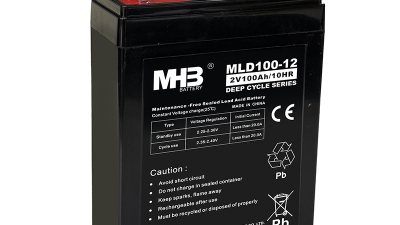
In today's increasingly digital world, ensuring consistent power reliability in industrial settings is more critical than ever. The MHB MLD 2V 100Ah deep-cycle UPS battery emerges as a prominent solution for businesses looking to fortify their backup power systems. Utilizing sealed valve-regulated lead-acid (VRLA) technology with advanced AGM separators, these batteries offer maintenance-free operation, low self-discharge rates, and impressive vibration resistance—all essential characteristics for industrial applications.
According to a report by Grand View Research, the global uninterruptible power supply (UPS) market is projected to reach $18.11 billion by 2025, driven by the rising need for reliable power backup systems across various sectors. As industries demand greater energy efficiency and sustainability, batteries like the MHB MLD 2V 100Ah stand out with their CE, UL, and ISO certifications. This ensures that these batteries not only meet but exceed safety and performance standards, making them a reliable choice for critical operations.
Additionally, the battery's robust ABS casing enhances durability, allowing it to withstand harsh environments and prolonged use. As the shift towards renewable energy sources continues, integrating high-quality deep-cycle UPS batteries like the MHB MLD can significantly impact operational efficiency and reliability, ensuring that businesses remain powered during outages and critical challenges.
FAQS
: The most common types of solar batteries include lithium-ion, lead-acid, and saltwater batteries.
Lithium-ion batteries have a higher energy density, longer lifespan (around 3,000 to 5,000 cycles), and a higher depth of discharge (DoD) of about 80-90%, making them more efficient in maximizing energy usage.
Battery capacity, measured in amp-hours (Ah) or kilowatt-hours (kWh), indicates how much energy the battery can store. It's essential to choose a battery that meets your household's energy needs and allows power during peak times or outages.
Most solar batteries have a lifespan of 5 to 15 years, with lithium-ion batteries generally offering greater longevity and efficiency compared to lead-acid alternatives.
Costs can vary significantly by battery type; lithium-ion batteries generally have higher upfront costs but often prove to be a better long-term investment due to their efficiency and lifespan.
Warranty options can indicate a manufacturer's confidence in their product. Longer warranties, typically ranging from 5 to 15 years, offer reassurance regarding the durability and performance of the battery, covering manufacturing defects and performance thresholds.
Assess your daily energy consumption and choose a battery that can cover at least 80% of that usage to ensure reliability during power outages.
Lead-acid batteries require more maintenance than lithium-ion batteries. It's essential to factor in maintenance needs alongside initial costs when selecting a battery type.
The depth of discharge (DoD) indicates how much of the battery’s total capacity can be used without causing damage. A higher DoD allows for more effective energy usage and enhances overall solar system performance.