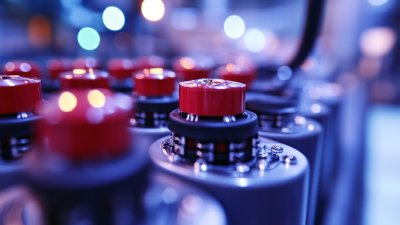
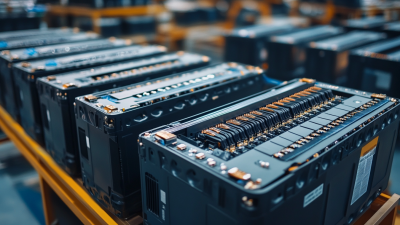
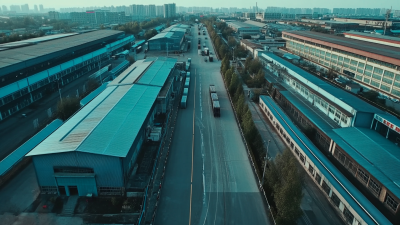
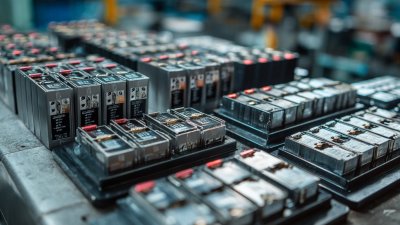
You know, in today’s world, where finding sustainable energy solutions is super important, Fujian Minhua Power Source Co., Ltd.—you might know us better as the folks behind the MHB Battery brand—really stands out. We started this journey back in 1992, and we’re located in the Longqiao Industrial Park in Anxi Economic Development Zone, Fujian. Our team is pretty awesome, with almost 2,000 dedicated people working across more than 300 acres of some cutting-edge facilities. One of our star products, the Deep Cycle Lifepo4 Battery, really shows what we’re all about—it’s all about quality, efficiency, and let’s face it, it’s become quite the favorite for customers everywhere! As we spread our wings and look to the global market, we’re thrilled to be exporting these innovative batteries. It feels great to be leading the charge in this industry. Honestly, the future of energy storage looks really bright, and MHB Battery is excited to be at the forefront of driving new technologies and making sustainability happen.
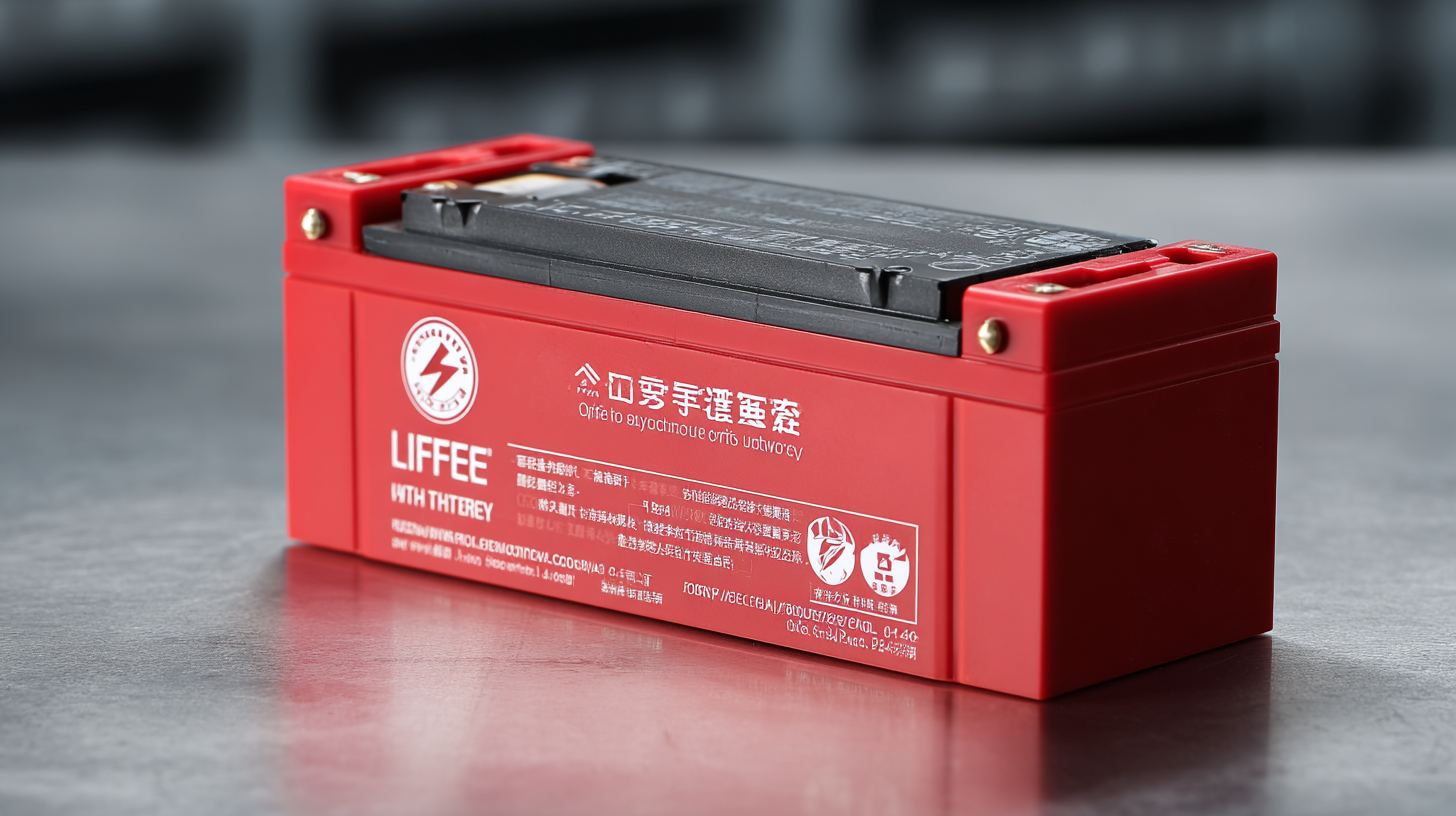
Global Market Dynamics: Demand and Growth Trends for Lithium Iron Phosphate Batteries
You know, the global market for lithium iron phosphate (LiFePO4) batteries is really heating up. It’s driven by a bunch of sectors, especially renewable energy storage and electric vehicles. As more folks are moving toward sustainable energy solutions, we’re seeing a big shift in preferences—people are really loving those deep cycle batteries. They last longer and perform better, which is a huge win! Recent studies even suggest that the lithium-sulfur battery market might hit a whopping USD 1,654.5 million by 2033, with a crazy annual growth rate of 38.2%. This just goes to show how the landscape of battery tech is changing and how it’s being applied globally.
For companies like FUJIAN MINHUA POWER SOURCE CO., LTD., there’s a goldmine of opportunities in this fast-growing market. Our team is made up of nearly 2,000 dedicated folks who are all about innovation. We’re really set up to cater to the rising demand for top-notch LiFePO4 batteries. It’s crucial for manufacturers to invest in cutting-edge technology and sustainable practices—this way, they can keep their production on point and stay ahead of market trends and what customers want.
So here are a couple of tips: First, make sure to focus on R&D investments to boost battery efficiency and performance. This will help align with what’s trending in the market. And second, think about teaming up with others who are diving into recycling and sustainable practices—you’ll not only help the planet but also gain a competitive edge.
Technological Advancements: Enhancements in Deep Cycle Battery Efficiency and Lifespan
At FUJIAN MINHUA POWER SOURCE CO., LTD., we're really passionate about what we do, especially when it comes to our top-notch MHB deep cycle Lifepo4 batteries. Since we kicked off our journey back in 1992 and set up shop in the Anxi Economic Development Zone, we've been all about innovation, and we’ve got this amazing team of nearly 2,000 folks who help make it all happen. Our deep cycle batteries are genuinely designed to offer great efficiency and a long lifespan, making them perfect for a bunch of applications worldwide.
If you want to get the most out of your deep cycle batteries, here’s a little tip: stick to a consistent charging routine. Keeping those charging cycles steady is key to getting the best performance and longevity out of your batteries. And hey, try to avoid those deep discharges; they really help prolong battery life in the long run. Thanks to some pretty advanced tech that we use in our manufacturing, our batteries can really stand up to tough conditions, giving you reliability no matter where you use them.
Oh, and don't forget about the temperature! Keeping your batteries in a stable environment can really make a difference in how well they perform and how long they last. With all the experience we’ve gained and the cutting-edge innovations we bring to the table, our MHB batteries are built to work great in all kinds of conditions, solidifying our place as a leader in the global deep cycle battery market.
Global Excellence in Manufacturing Proudly Chinese Best Deep Cycle Lifepo4 Battery Exported Worldwide - Technological Advancements: Enhancements in Deep Cycle Battery Efficiency and Lifespan
| Battery Type | Capacity (Ah) | Voltage (V) | Cycle Life | Efficiency (%) | Warranty (Years) |
| Lifepo4 | 100 | 12 | 2000 | 95 | 5 |
| Lifepo4 | 200 | 12 | 2500 | 93 | 5 |
| Lifepo4 | 300 | 12 | 3000 | 90 | 6 |
| Lifepo4 | 400 | 12 | 3500 | 88 | 6 |
Sustainability in Manufacturing: Environmental Impacts and Recycling of Lifepo4 Batteries
You know, sustainability in manufacturing is such an important topic these days, especially when it comes to lithium iron phosphate (LiFePO4) batteries. These batteries are quickly becoming the go-to for energy storage solutions around the globe. I recently came across a review that pointed out some pretty significant hurdles we face when it comes to recycling lithium-ion batteries. It’s surprising given how crucial they are in our modern world. And with the rising demand for materials like lithium, cobalt, and nickel— which are vital for electric vehicle batteries—this challenge is really piling up. If we can tackle these recycling issues with some innovative processes, we could actually create a circular economy, turning what we usually think of as waste into something valuable.
Plus, there’s research indicating that battery recycling is key for making sure we have enough resources, especially in places like Europe. Setting up solid recycling programs could help ease the supply chain worries linked to mining battery materials. What's more, reports show that shifting focus to recycling doesn’t just help the environment; it conserves those critical metals, paving the way for a more sustainable supply chain for future electric vehicles. A lifecycle analysis really drives this point home, illustrating how much recycling can cut down on our environmental footprint when compared to traditional mining. Honestly, moving towards a greener future is a must as we try to keep up with increasing energy demands while also taking care of our planet's resources.
Competitive Landscape: Key Players and Export Strategies in the Global Battery Market
You know, the global battery market is really shaking things up these days. Key players are stepping up their game to meet the growing demand, and it's pretty exciting to watch. They've got their eyes on the Global Battery as a Service market, which is expected to hit a whopping USD 9.20 billion by 2034. Everyone's scrambling to come up with cool new export strategies to ride this wave of growth. With a compound annual growth rate (CAGR) of 20.34%, it's clear that manufacturers need to get their act together and fine-tune their offerings while also streamlining how they operate.
And then there's this whole new area popping up, like the lithium-sulfur battery market, which is really taking off! It’s projected to have a mind-blowing CAGR of 38.2% by 2033. Companies that throw some cash into research and development, build those all-important strategic partnerships, and tweak their approach based on regional needs are gonna come out on top. As the competition heats up, figuring out the geopolitical landscape and ensuring their export strategies jive with local regulations will be super important for anyone wanting to succeed in this booming global scene.
Global Deep Cycle Lifepo4 Battery Production and Export Volumes
Future Innovations: Emerging Technologies Shaping the Future of Deep Cycle Batteries
You know, as more and more people look for reliable energy storage options, the deep cycle battery industry is really stepping up its game with some cool innovations thanks to new tech. With all the buzz around renewable energy sources and electric vehicles these days, there's a growing demand for these advanced lithium iron phosphate (LiFePO4) batteries. They're pretty popular because they offer great stability and last a long time. A recent industry report even predicts that the global market for deep cycle batteries could hit a whopping 30 billion dollars by 2026, which suggests a compound annual growth rate (CAGR) of around 10%. That’s a big deal! It shows a real shift towards sustainable energy solutions that companies like FUJIAN MINHUA POWER SOURCE CO., LTD. are totally excited about.
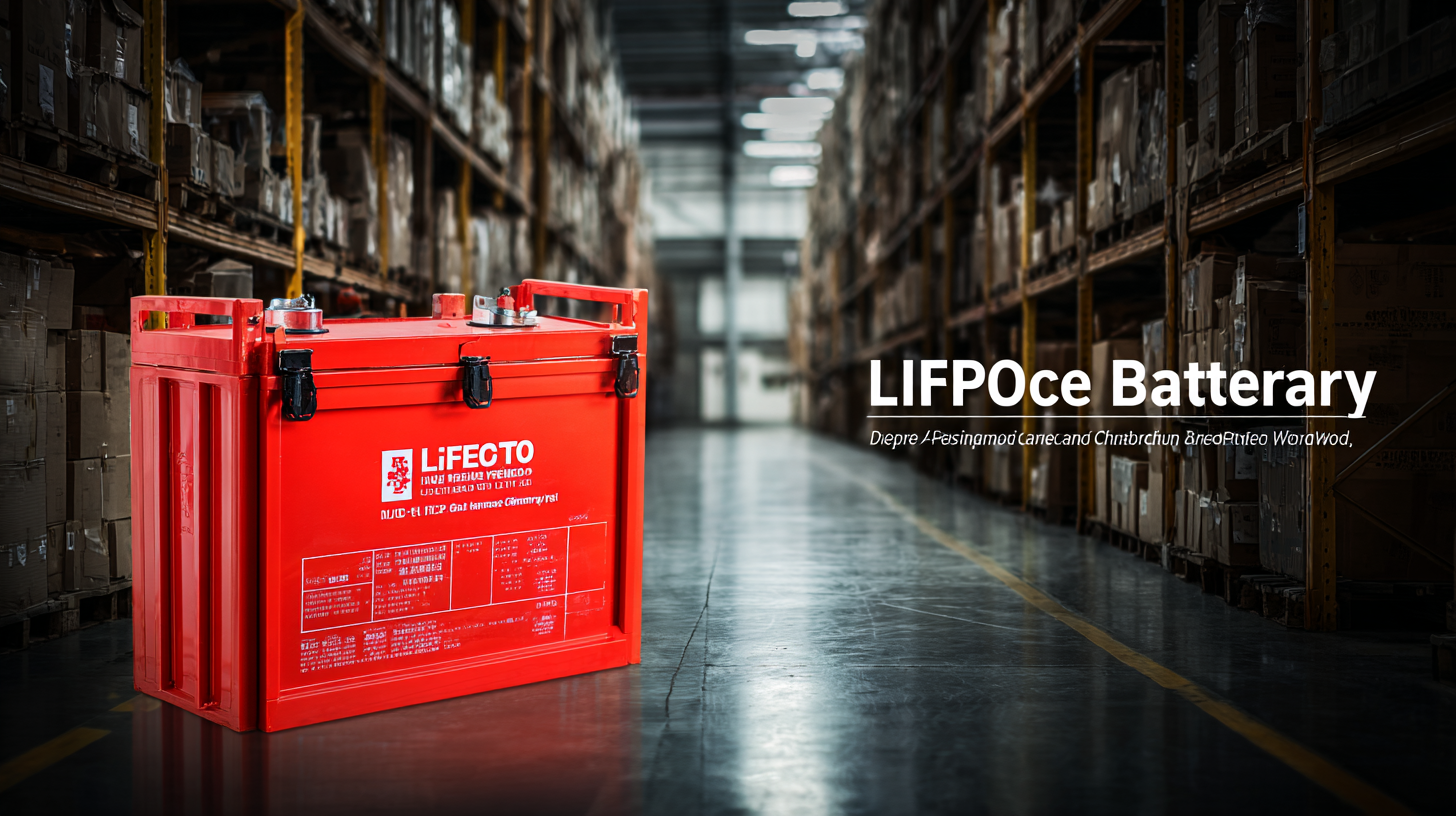
Founded back in 1992 and based in the Anxi Economic Development Zone of Fujian, MHB Battery has really been a leader in this change. They’ve got nearly 2,000 dedicated folks working for them and a huge facility that spans 300 acres! This company specializes in making top-notch LiFePO4 batteries for customers both at home and internationally. They're innovating battery chemistry, refining manufacturing processes, and rolling out smart battery management systems that are going to reshape how we think about energy storage. MHB Battery is all about research and development, and they’re committed to providing the best deep cycle batteries that not only meet but totally exceed what consumers are looking for all around the globe.
Regulatory Framework: Understanding Compliance and Standards for Battery Exports Worldwide
When it comes to exporting batteries, getting a grip on the regulatory landscape is super important for manufacturers who want to make a name for themselves on the global stage. Keeping up with international standards not only guarantees that products are safe and reliable but it also boosts a company’s reputation big time. Take the UN38.3 regulations for example; they’re all about making sure lithium batteries, like LiFePO4 ones, are shipped safely. If manufacturers know these rules well, they can dodge expensive fines and keep their edge in the market.
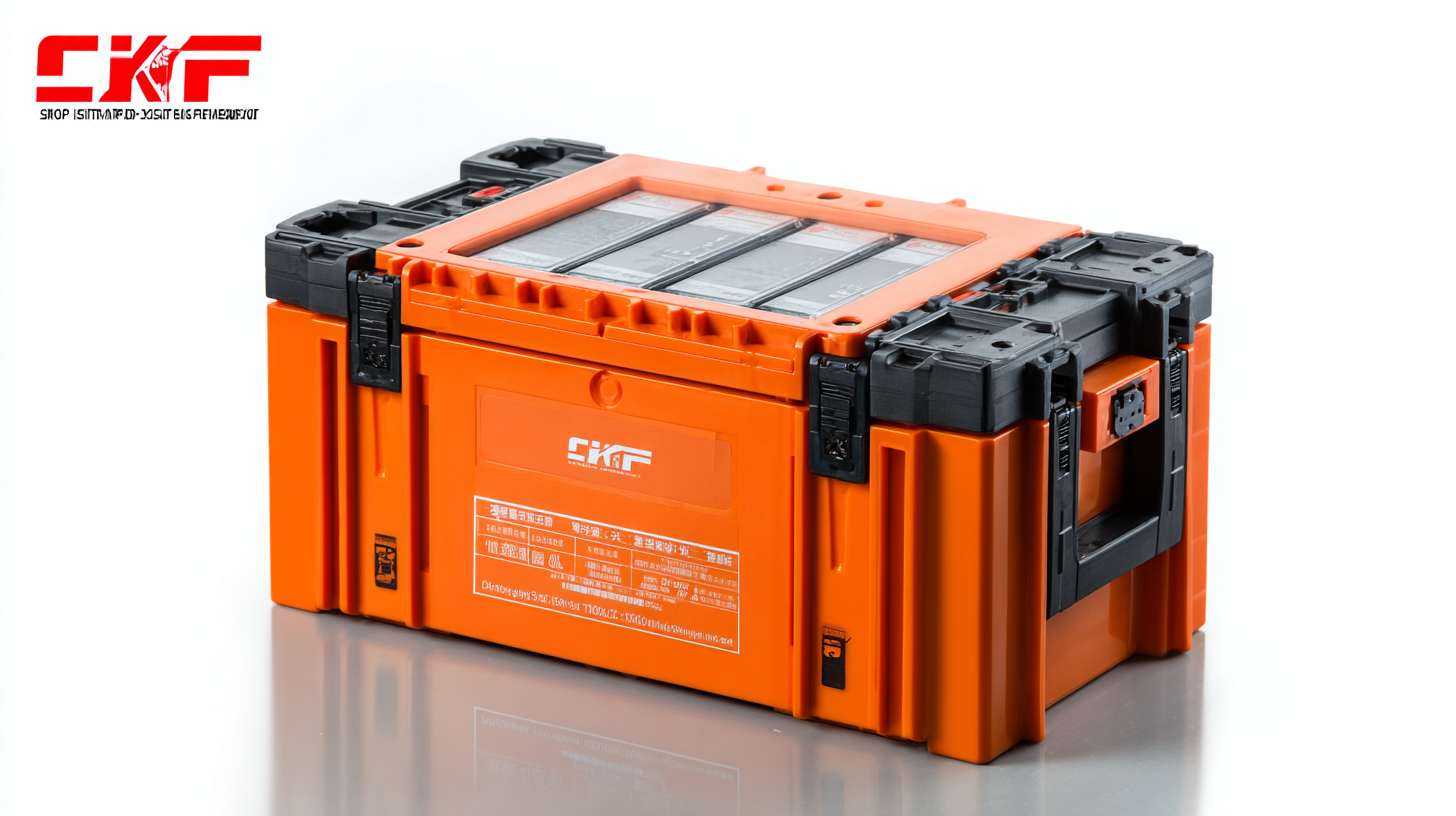
And here's the deal—different areas have their own specific certifications that companies need to snag to get their products out there. In the European Union, for instance, getting that CE marking is crucial since it shows that the products meet all those health, safety, and environmental standards. Likewise, the International Electrotechnical Commission (IEC) lays down some global standards that really shape how products are designed and perform. By staying in the loop with these compliance requirements, manufacturers can make their export processes smoother and build trust with their international partners. This is a big step towards achieving global excellence in battery manufacturing!
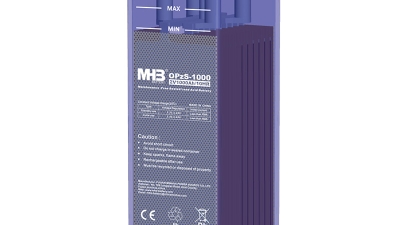
Harnessing Reliable Power: The Role of OEM MHB OPzS 2V 1000Ah UPS Tubular Battery in Telecom Systems According to Industry Reports
Telecom systems, vital for modern communication, require a power backup solution that is both dependable and efficient. According to recent industry reports, the growing demand for uninterrupted power supply in telecommunications highlights the importance of high-performance batteries like the OEM MHB OPzS 2V 1000Ah UPS tubular battery. This advanced lead-acid battery is specifically engineered to handle the rigorous energy demands of telecom applications, ensuring that operations remain unaffected during power outages.
The OPzS 2V 1000Ah battery features remarkable cycle life and deep discharge capabilities, making it suitable for extended use in challenging environments. Industry analytics indicate that batteries designed for telecom systems must support frequent cycling and deep discharges without significant degradation. The OPzS battery excels in these areas, boasting a robust construction that not only secures longevity but also minimizes self-discharge rates. This reliability is crucial, as telecom infrastructures often serve millions of users who depend on seamless connectivity.
Furthermore, studies have shown that integrating reliable energy storage solutions like the OPzS battery can significantly improve operational resilience in telecom networks. By ensuring a consistent power supply, companies can mitigate the impacts of power disruptions and maintain service quality. As the telecommunications landscape continues to evolve, the choice of energy storage solutions becomes paramount, and the OPzS 2V 1000Ah UPS tubular battery stands out as a superior option for industry stakeholders looking to enhance performance and reliability.
FAQS
: The demand for LiFePO4 batteries is primarily driven by sectors such as renewable energy storage and electric vehicles, particularly as the world shifts towards sustainable energy solutions.
The lithium-sulfur battery market is projected to reach USD 1,654.5 million by 2033, with a compound annual growth rate (CAGR) of 38.2%.
Manufacturers can enhance production processes by investing in advanced technologies and sustainable practices, prioritizing research and development to improve battery efficiency and performance.
The Global Battery as a Service market is anticipated to reach USD 9.20 billion by 2034, highlighting significant growth and the need for manufacturers to improve product offerings and operational efficiencies.
Key regulations include UN38.3, which governs the safe transport of lithium batteries, and the CE marking required in the European Union for health, safety, and environmental protection compliance.
Understanding regional export regulations is vital for manufacturers to avoid penalties, ensure product safety and reliability, and maintain competitiveness in the global market.
Manufacturers can capitalize on opportunities by investing in research and development, forming strategic alliances, and adapting to regional market needs.
Maintaining compliance with international standards enhances a company's reputation, builds trust with international partners, and streamlines export processes.
Engaging in partnerships focused on recycling and sustainable practices can contribute to a circular economy and provide a competitive advantage.
The increasing competition in the battery market necessitates manufacturers to enhance their product offerings and adapt their strategies to the evolving demands and geopolitical regulations.