Picking the right Inverter Battery Backupsystem isn't exactly a walk in the park. It takes some real thought. As industry pro John Anderson from PowerSecure puts it, "A solid Inverter Battery backup isn’t just about keeping the lights on; it’s more like a lifeline." That pretty much shows how crucial dependable power is, especially when stuff hits the fan.
When you're trying to choose an Inverter Battery Backup, keep in mind things like capacity, efficiency, and whether it plays nice with your existing setup. For instance, if you pick a unit that's too small, you might find yourself in the dark when the power goes out—literally. It’s a good idea to actually sit down and figure out what your household needs now and maybe down the road. Not all systems are built the same, and some might struggle under heavy demand.
And hey, don’t forget about the warranty and how supportive the manufacturer’s customer service is. Having reliable support can really save your sanity if something goes sideways. Remember, investing in a good inverter battery backup is all about peace of mind when surprises happen. But yeah, making the right choice can feel a bit overwhelming. Taking your time to weigh your options will definitely help you make a smarter call and avoid regrets later on.
Understanding Inverter Battery Backup Systems
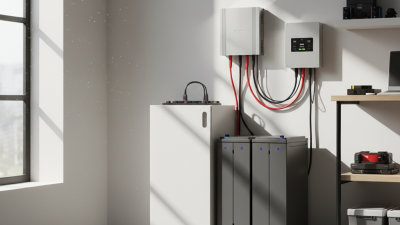
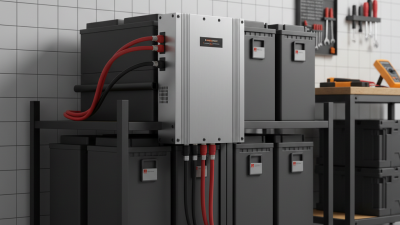
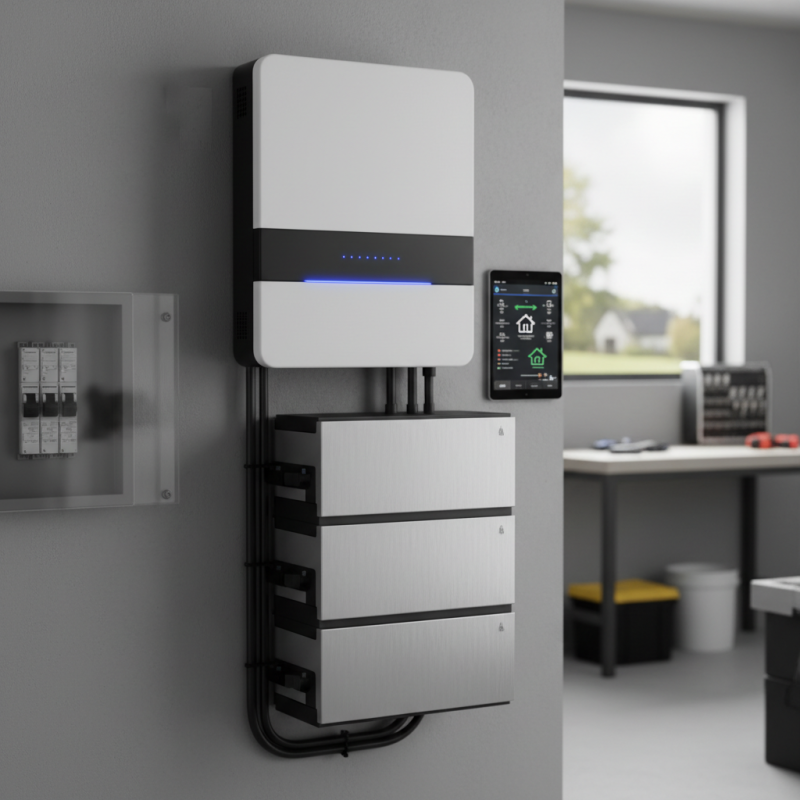
Inverter battery backup systems are crucial for maintaining power during outages. They comprise an inverter and batteries that store energy. Understanding these components helps in making informed choices. According to a report by the International Energy Agency, the demand for energy storage has surged by over 70% in recent years. This trend emphasizes the need for reliable backup solutions in homes and businesses.
When selecting a system, consider battery capacity and type. Lithium-ion batteries are gaining popularity due to their longevity and efficiency. These batteries can last twice as long as lead-acid options. This makes them a cost-effective choice over time. However, they come at a higher upfront cost. Always evaluate your daily power needs. A mismatch can lead to unexpected shortages when outages occur.
Tips: Check how often the system is used for charging and discharging. Some systems retain efficiency better than others. Regular maintenance ensures maximum performance. Keep in mind that not all systems are suited for every environment. Assess your local climate and typical usage patterns before purchasing.
It’s essential to research and read reviews from reliable sources. Many consumers overlook warranty terms, which can lead to regrets. Investing in a robust inverter battery backup system means considering both current and future energy needs.
2026 How to Choose the Best Inverter Battery Backup Systems? - Understanding Inverter Battery Backup Systems
| Feature | Description | Recommended Specs |
| Battery Type | Type of battery used in the system, such as Lithium-ion or Lead-acid. | Lithium-ion preferred for longevity and efficiency. |
| Capacity | Total energy storage capacity measured in ampere-hours (Ah). | 100Ah minimum for average household use. |
| Inverter Rating | Power output capability of the inverter, usually measured in watts. | 1500W - 3000W to handle essential appliances. |
| Run Time | Duration the system can maintain power before needing a recharge. | 4 to 8 hours based on load capacity. |
| Charge Time | Time taken to fully charge the batteries. | 6 to 8 hours with a standard charger. |
| Warranty Period | Duration for which the manufacturer covers defects. | Minimum of 2 years. |
| Safety Features | Integrated protection against overload, short circuit, and overheating. | Must have built-in safety measures. |
Factors to Consider When Choosing an Inverter Battery
When selecting an inverter battery backup system, key factors must be considered. Battery capacity is crucial. It’s measured in Amp-hours (Ah). A larger capacity means longer backup time. Experts recommend systems with at least 100 Ah for home use. This size can typically support basic appliances during outages.
Another important aspect is battery type. Lithium-ion batteries offer longer life and higher efficiency. They can cycle more times than traditional lead-acid batteries. Reports indicate that lithium-ion batteries can last up to 10 years, whereas lead-acid may only last 3-5 years. This lifespan difference significantly affects long-term costs.
Also, consider the inverter's output power. It should match the combined wattage of all devices you intend to power. Overloading can lead to system failure. A mismatch in capacity often leads to frustration and unplanned expenses. Lastly, check the warranty and support offered. A reliable warranty indicates the manufacturer's confidence in their product. It's vital to choose a reliable system that aligns with your energy needs.
Types of Batteries Used in Inverter Systems
Selecting the right battery for inverter systems is crucial for reliable backup power. The most common types of batteries used include lead-acid, lithium-ion, and gel batteries. Each has unique features that directly affect performance and lifespan. According to industry reports, lead-acid batteries dominate the market, primarily due to their cost-effectiveness. However, they typically have a shorter cycle life compared to lithium-ion options, which can offer more durability.
Lithium-ion batteries are gaining traction. They provide higher energy density and faster charging capabilities. A study from the Energy Storage Association highlighted that lithium-ion batteries can last two to three times longer than traditional lead-acid batteries. This extended lifespan often justifies their higher upfront cost. Nonetheless, many users still question whether the initial investment pays off in the long run.
Gel batteries present a compromise between the two. They are less prone to spilling and are generally safer in flooded conditions. However, their lower energy capacity compared to lithium-ion may leave users wanting more. When considering Inverter Battery Solar systems, you must evaluate your energy needs and budget constraints carefully. Each battery type has pros and cons that require thoughtful consideration.
Calculating Power Requirements for Your Backup System
When calculating power requirements for your inverter battery backup system, precision is crucial. Start by listing the appliances you wish to power. Consider their wattage ratings. According to the U.S. Department of Energy, a typical refrigerator may require around 100–800 watts, while a laptop needs approximately 50–100 watts. Summing these will give you a clearer picture of your total energy needs.
Understanding your peak power demands is essential. Many appliances have a surge wattage that is significantly higher than their running wattage. For instance, a central air conditioning unit can require 2000-6000 watts during startup. A well-rounded estimate must account for these fluctuations. Industry reports suggest oversizing your backup system by 20-30% to ensure efficiency and reliability.
Once you've determined your total wattage, you can select the right Home Inverter Power Battery. Focus on batteries that offer sufficient capacity and cycle life. The National Renewable Energy Laboratory recommends a daily discharge of around 30% to extend battery lifespan. Factor in your usage patterns to avoid being caught short during an outage. Balancing immediate needs with long-term sustainability can be challenging but is vital for effective power management.
Evaluating Battery Life and Maintenance Needs
When selecting an inverter battery backup system, evaluating battery life and maintenance needs is crucial. Many homeowners overlook these aspects. A report by the U.S. Department of Energy indicates that inverter lithium batteries have a lifespan of around 10 years. This is significantly longer than traditional lead-acid batteries, which typically last only 3 to 5 years. Understanding these differences is essential for maintaining an efficient energy backup system.
Maintenance is another key factor to consider. Lithium batteries require less frequent maintenance than their counterparts. However, neglecting the charging cycles can reduce their efficiency. According to industry experts, ensuring a full charge before prolonged disuse can extend battery life up to 20%. Regular inspections for corrosion and proper installation also play a critical role in performance. Many battery systems fail due to poor connections or improper setups, leading to increased costs over time.
Investing in quality systems saves money in the long run. Though the upfront cost may be high, the lower maintenance needs and longer lifespan of inverter lithium batteries make them a practical choice. Users also need to evaluate their energy consumption patterns. Some installations may not optimize battery performance due to incorrect sizing or setup. Taking the time to assess all these factors can lead to more sustainable energy solutions.
Comparing Costs and Brands of Inverter Batteries
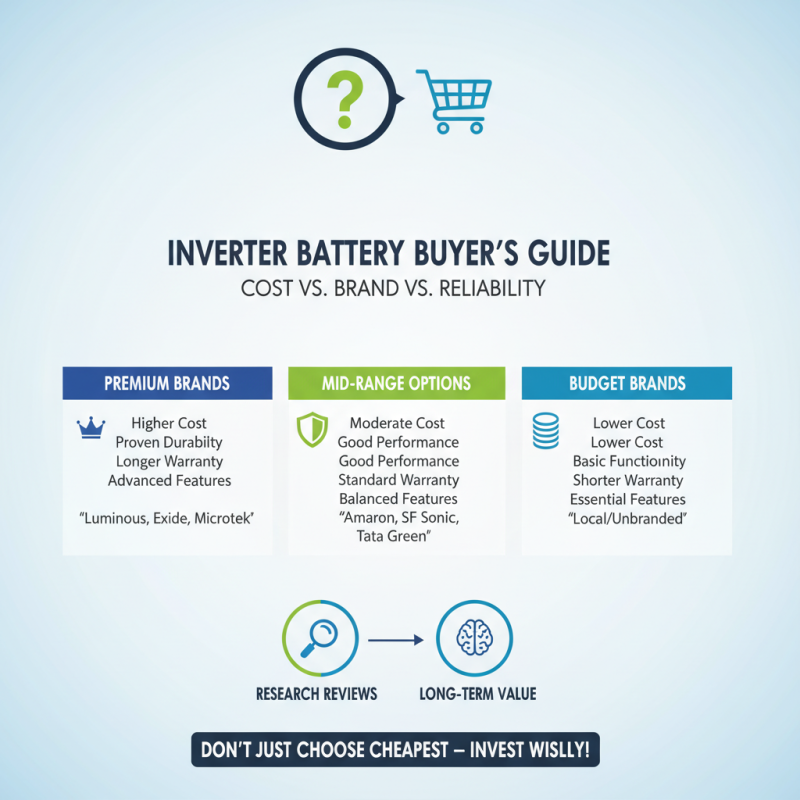
When choosing an inverter battery backup system, brand and cost are vital considerations. The market is filled with options that differ significantly in price and features. Some brands offer reliable performance but come at a higher cost. Others might be budget-friendly but lack durability. Research is essential. Look for user reviews and feedback to gain insights into product reliability. This can help to understand the long-term value of each option.
Cost comparison is crucial. The price of inverter batteries can vary widely based on specifications. For example, lithium-ion models may have higher upfront costs but provide longer lifespans. Lead-acid batteries, while cheaper, often require more frequent replacements. It’s wise to calculate the total cost of ownership, not just the initial purchase price. Integrated performance and lifespan are essential to assess during your comparison.
It’s important to remember that cheaper options may not always be the best choice. While they seem appealing, they can lead to frustration later. Always evaluate warranties and customer service support. A product may perform well initially but fall short over time without adequate support. It’s better to invest in a quality product with a strong reputation. Balancing cost and reliability is key to making a wise investment.
Final Tips for Making an Informed Decision
Choosing the right Inverter Battery backup system can be challenging. It’s crucial to understand your needs and the specifications of available systems. Consider the capacity of the inverter battery. A higher capacity allows for longer backup times, but it often comes at a higher cost. Determine how much power you need to sustain your essential appliances during an outage.
When evaluating options, think about the efficiency rating. A more efficient inverter battery will convert more power for your use. This means lower energy wastage and reduced costs in the long run. Installation is another critical factor. Ensure you can integrate the inverter battery seamlessly into your home setup. If you’re not comfortable with the technical aspects, consulting a professional is advisable.
It’s important to read reviews and experiences from other users. An often overlooked step is checking warranty details. A solid warranty indicates manufacturer confidence in their product. Remember, if a deal seems too good to be true, it might be. Weighing the pros and cons seriously could save you from unexpected issues later. Your energy needs are unique, so take time to reflect on what works best for you.
2026 Inverter Battery Backup Systems: Performance Comparison
This chart compares key performance indicators of three different inverter battery backup systems, highlighting their efficiency, cycle life, warranty, and cost. Analyzing these aspects can help in making an informed choice when selecting an inverter battery system.
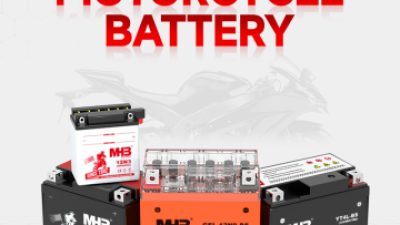
Ultimate Guide to Choosing the Right 12V 3AH Small Motorcycle Battery: Spotlight on MHB YTX3L-BS
When selecting the right 12V 3AH small motorcycle battery, enthusiasts often overlook the compact yet powerful options available on the market. These batteries are specifically designed for small motorcycles and children's toy cars, balancing lightweight and compact design with substantial power output. The optimal battery should not only fit your vehicle's specifications but also provide reliability and longevity in various operating conditions.
The YTX3L-BS, developed by our MHB factory, exemplifies the quality that users can expect from a well-manufactured 12V 3AH battery. In a recent industry analysis, it was highlighted that the demand for smaller batteries continues to rise, driven by the increasing popularity of lightweight vehicles and eco-friendly transportation solutions. The enhanced energy density in modern battery designs allows manufacturers to achieve superior performance while keeping sizes minimal, making installation straightforward and hassle-free.
Furthermore, professional reports indicate that many small motorcycle users prioritize not only the physical dimensions but also the durability and charging capabilities of their batteries. With advancements in technology, users can now find batteries that support a high number of charge cycles, ensuring long-term reliability. Investing in a quality product like the YTX3L-BS means benefiting from competitive pricing while meeting the specific power needs required for small motorcycles and similar vehicles.
FAQS
: They help maintain power during outages. They consist of an inverter and batteries that store energy.
Battery type and capacity impact performance. Mismatches can lead to power shortages during outages.
Lithium-ion batteries are popular for longevity and efficiency. They last longer than lead-acid batteries.
Evaluate daily power requirements carefully. Knowing what you need is crucial for selecting a suitable system.
Regular maintenance is vital for performance. Check efficiency and charging frequency for better results.
Yes, warranties can reflect product quality. Don’t overlook these details to avoid regrets later.
Consider how well the system integrates into your home. Consult a professional if you’re uncertain.
Yes, local climate and usage patterns matter. Not all systems work well in every environment.
Research different sources to gather varied experiences. Be cautious of overly positive or negative feedback.
Be skeptical and weigh pros and cons. This reflection could save you from future issues or regrets.
Conclusion
When selecting the best Inverter Battery Backup systems, it's essential to understand their functionality and the different types of batteries available. Key factors to consider include your power requirements, the expected battery life, and the maintenance demands of the system. Calculating your energy needs will help determine the appropriate capacity for your setup.
Additionally, comparing costs among various brands can guide you in making an informed choice. Evaluating the longevity and upkeep of batteries is crucial to ensure reliability during outages. By considering these elements carefully, you can choose an Inverter Battery Backup that meets your needs effectively, providing peace of mind during power interruptions.