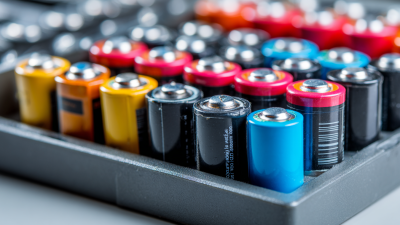
You know, when it comes to Agm Batteries, the role of the acid inside really can’t be overlooked if you want them to perform their best. These batteries are pretty popular because they’re reliable and tend to work efficiently across a bunch of different uses. Interestingly, a report from Grand View Research mentioned that by 2025, the global lead-acid battery market could hit around $88 billion. And a big reason for that growth? AGM batteries, thanks to their low self-discharge and sturdy performance—they’re kind of the quiet heroes in the bunch.
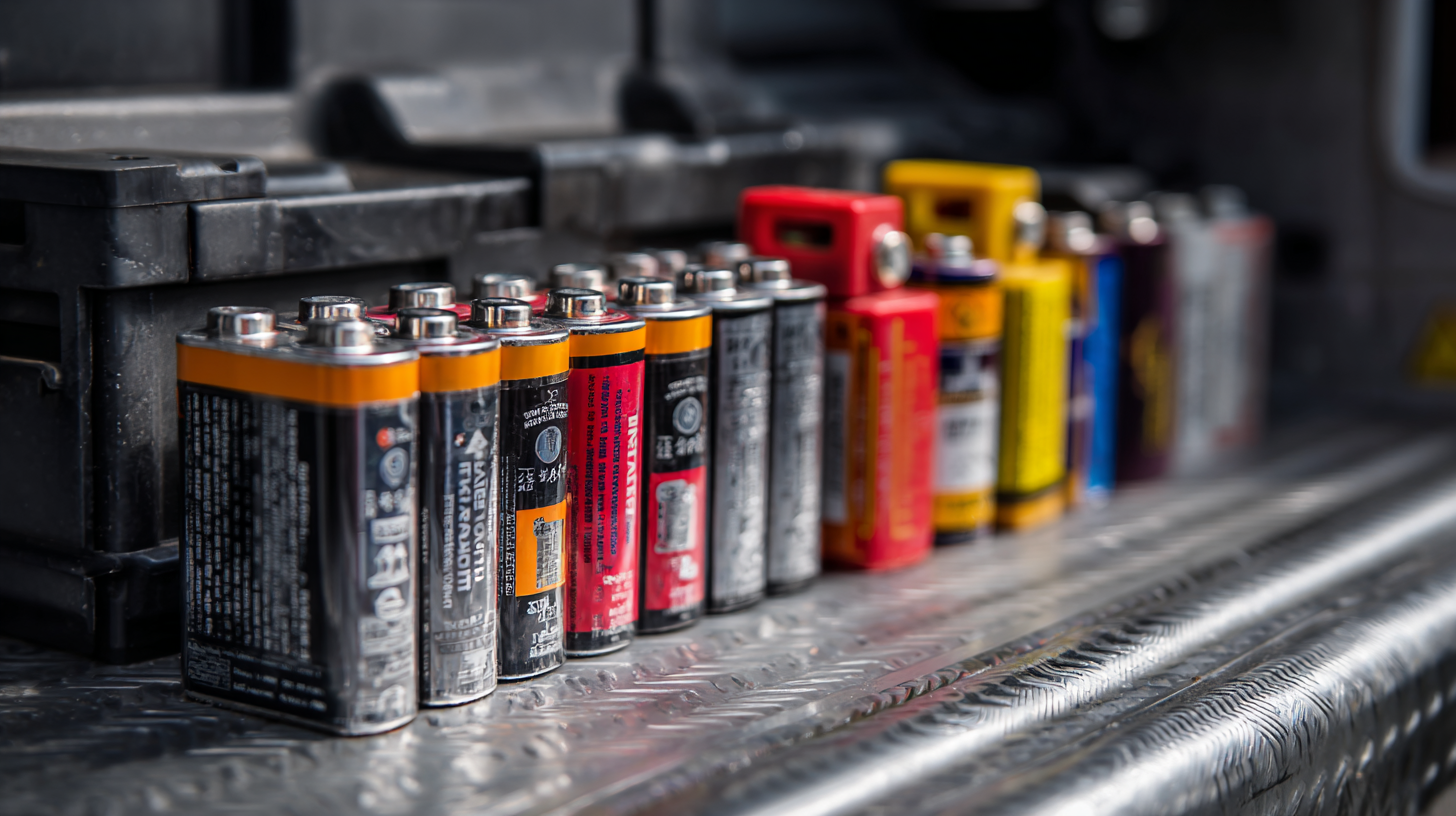
On another note, FUJIAN MINHUA POWER SOURCE CO., LTD.—you might’ve heard of MHB Battery—has been leading the charge in China's battery scene since 1992. They’ve got nearly 2,000 folks working on a massive 300-acre site in Longqiao Industrial Park, part of Anxi Economic Development Zone in Fujian. As demand for high-quality, long-lasting batterieskeeps climbing, it’s pretty clear that knowing about what makes Agm Battery acid so important is definitely key for industries that rely on steady, dependable power solutions.
How AGM Battery Acid Affects Overall Battery Performance
AGM (Absorbent Glass Mat) batteries are pretty well-known for their high performance, but honestly, how well they work really depends a lot on the quality of the battery acid you're using. The acid in an AGM battery isn’t just there to kickstart the electrochemical reactions; it also plays a big role in how long the battery lasts. If you use a properly formulated acid, it’ll help keep the charge levels steady and make sure all the internal parts stay balanced. That means you’ll get better power delivery and a more reliable, consistent performance—whether you're using it in your car or other applications.
When you're taking care of AGM batteries, make it a habit to check the acid levels regularly. If the acid becomes too diluted, the battery’s capacity can suffer, which means it won’t last as long. One handy tip? Use a hydrometer to test the specific gravity of the acid — that’ll give you a good idea of its condition. Oh, and don’t forget to keep the battery terminals clean and dry — it sounds simple, but it’s a small step that can really prevent corrosion and other performance issues.
And when it’s time to recharge your AGM, pay close attention to the charging voltage. Using a charger made specifically for AGM batteries is a smart move; it’ll prevent overcharging, which can mess with the acid’s effectiveness. Always follow the manufacturer’s recommendations, and if something seems off with how your battery’s performing, don’t hesitate to reach out to an expert. Better safe than sorry, right?
Identifying the Right Acid Levels for AGM Batteries
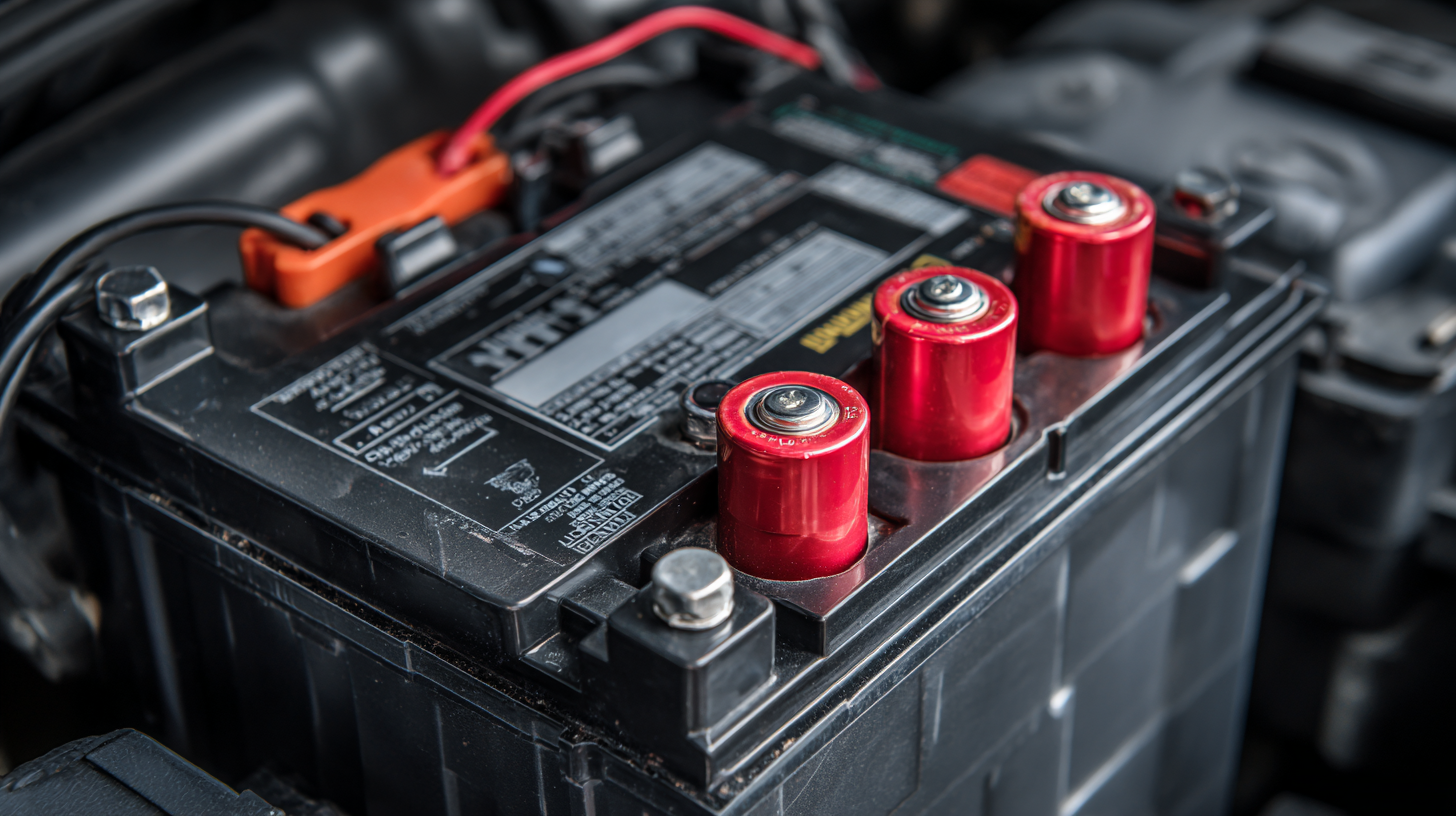 AGM (Absorbent Glass Mat) batteries are pretty popular because they usually last a long time and work efficiently. But, to really keep them running smoothly, it’s important to keep an eye on their acid levels. These batteries need just the right amount of sulfuric acid in their electrolyte — if the acid's too diluted or too concentrated, performance drops, and you might even risk damaging the battery. So, staying within the recommended ranges is key—it helps it last longer and perform better.
One simple tip is to check your AGM battery regularly for any signs of sulfate buildup or flooding. If something seems off, it’s a good idea to follow the manufacturer’s maintenance instructions or chat with a pro. Also, using a hydrometer to check the specific gravity can be super helpful to gauge the acid’s strength and make sure everything’s balanced.
And don’t forget—temperature plays a big role, too. Extreme cold or heat can mess with the acid levels, making it too diluted or too concentrated. To avoid that, try to store your battery somewhere climate-controlled whenever possible. Just keeping these little tips in mind can really help extend your AGM’s lifespan and keep it performing at its best.
Maintaining AGM Battery Acid: Essential Tips and Best Practices
AGM batteries are pretty well-known for their durability and good performance, but to keep them running smoothly, taking care of the battery acid is a must. Did you know that the global market for lead-acid batteries was valued at a whopping $48.5 billion in 2024? Experts are actually predicting it’ll reach around $74 billion by 2032. That kinda shows just how much we’re sticking with these techs and relying on better battery solutions. If you’re using AGM batteries, it’s super important to keep an eye on the acid level—regularly checking and topping up when needed can really make a difference. Ignoring this can lead to sulfation, which seriously cuts down on the battery's lifespan, and nobody wants that.
Temperature is also a big deal when it comes to maintaining these batteries. The cool thing about AGM batteries? They can handle pretty extreme temperatures—from as low as -40°C all the way up to 60°C—without losing performance. This just highlights why it’s smart to pick high-quality AGM batteries that can handle the outdoors or tough conditions. Plus, it’s a good idea to keep the batteries in places that don’t swing wildly from hot to cold—and don’t forget to check the terminals regularly for corrosion. Doing these simple things can really help your AGM batteries last longer and stay reliable. All in all, they’re a popular pick, whether for cars, backup power systems, or other uses—and for good reason.

Troubleshooting Common AGM Battery Acid Issues
AGM batteries have really become popular lately because they offer good performance and are pretty reliable. But, honestly, they can still run into some issues—especially when it comes to managing the battery acid. Keeping up with proper maintenance is super important if you want them to work at their best. One common problem is acid stratification, which basically means the acid isn’t evenly mixed—this can shorten the battery’s lifespan and reduce how much power it can hold. To avoid that, it’s a good idea to regularly check the electrolyte level and make sure it’s evenly distributed.
A Few Tips for Troubleshooting AGM Battery Acid Problems:
- Watch out for temperature swings—crazy hot weather can make acid stratification worse. If you can, store your AGM batteries somewhere cool and climate-controlled.
- Make a habit of checking the acid levels now and then. Catching and fixing any issues early can keep your battery running smoothly.
- If you notice it’s not delivering power like it used to or if capacity seems to be dropping, it’s probably best to get it checked out by a pro. There might be internal damage that needs fixing.
As more folks and industries rely on reliable batteries, understanding how to properly manage AGM battery acid is becoming more and more important. It’s all about keeping things running smoothly and extending your battery’s life!
Enhancing AGM Battery Lifespan Through Proper Acid Management
Taking good care of your AGM (Absorbent Glass Mat) batteries, especially when it comes to the acid inside, is super important if you want them to last longer and work at their best. These batteries use a fiberglass mat to soak up and hold onto the electrolyte, so they need the right acid levels to perform properly. One thing you really want to keep an eye on is the acid density—checking it regularly and making sure it stays within what the manufacturer recommends. Doing this can help prevent issues like sulfation and keeps your battery running smoothly, which means it’ll last way longer in the long run.
Oh, and don't forget about charging habits! Proper charging is key. Overcharging could cause something called acid stratification—that’s when the heavier, denser acid sinks to the bottom, while the lighter stuff stays at the top. This uneven shift isn’t great because it can make your battery lose capacity and not perform as well. To avoid that, using a smart charger that adapts to your battery’s needs is a game changer. It ensures a steady charge, keeps the acid levels balanced, and helps your battery stay healthy over time. Just a bit of regular care and attention to acid levels can really make a difference in how long your AGM battery lasts and how reliable it is.
Understanding the Chemistry Behind AGM Battery Acid Functionality
Getting a good handle on how AGM batteries work chemically is pretty important if you want to squeeze the most out of them. You see, Absorbent Glass Mat (AGM) tech is actually a pretty cool upgrade from your standard lead-acid batteries. It uses a fiberglass mat to soak up the electrolyte, which means no spills and a more efficient performance. The clever design locks in the acid, helping the battery resist internal resistance better and recharge faster. Not only does this mean more power when you need it, but it also helps the battery last longer. That’s why you’re starting to see AGM batteries everywhere these days — from cars to solar energy setups.
Lately, there have been some exciting improvements in lead-acid battery tech, like new charging tricks that use sound or vibration to boost performance. These tweaks can really make AGM batteries more reliable and efficient. It’s pretty important to stay in the loop on these innovations, especially if you’re trying to match up AGM batteries with other types, like lithium batteries for solar. All these ongoing updates aren’t just about fixing old issues like lifespan and maintenance — they’re opening up new possibilities for energy storage solutions across all kinds of applications. Honestly, the future looks pretty bright for AGM tech!
Conclusion
You know, the acid inside AGM batteries really plays a big part in how well they work and how long they last. Keeping the acid levels just right is super important if you want your battery to perform at its best and stay around longer. Regular check-ups—like monitoring the acid and fixing common problems—are key to getting the most out of your battery. Plus, understanding a bit about how the acid works chemistry-wise can actually help you troubleshoot when things start to go wrong.
At FUJIAN MINHUA POWER SOURCE CO., LTD., we totally get how crucial AGM battery acid is for our products. Since we’ve been around since 1992, we’ve built up a lot of experience and have a dedicated team that makes sure we deliver top-quality batteries. That way, you can count on our AGM batteries to work reliably in all sorts of different setups.