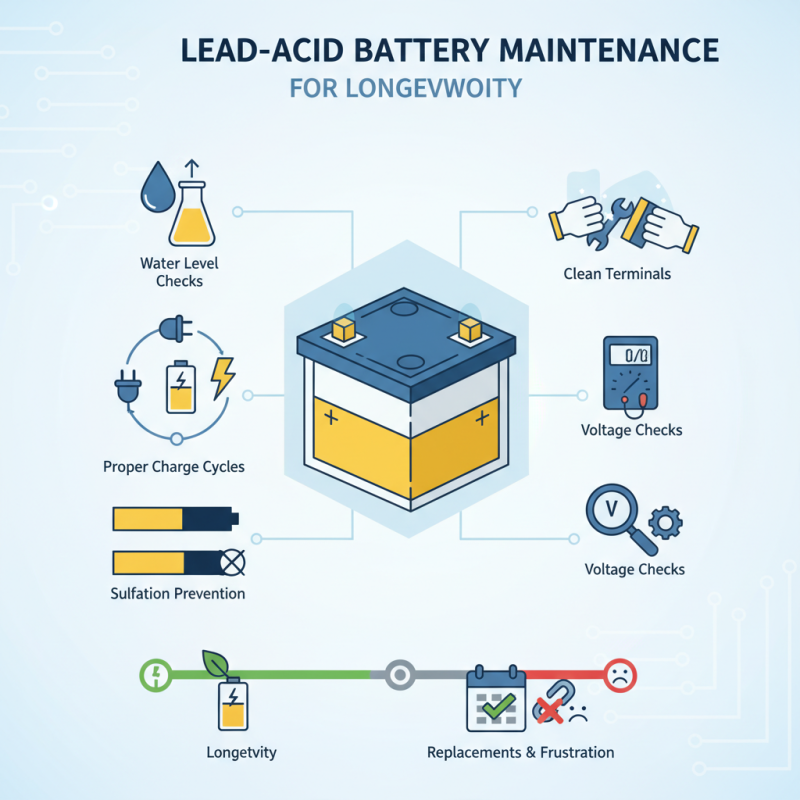
Lead acid batteries are pretty much the backbone when it comes to powering all sorts of stuff, from your car to that golf cart you love zipping around in. Taking good care of them really can make a big difference—keep up with maintenance, and they'll last way longer. But if you ignore the little things, you might end up with a dead battery way too soon, which is just a headache and a waste of money, honestly.
For instance, with a Golf Cart Lead Acid Battery, it’s super important to regularly check the water levels and make sure you're not overcharging or undercharging. Charging it the wrong way can cause sulfation—basically nasty build-up that kills performance over time. Also, don’t forget to keep the terminals clean—it’s a small detail but can seriously affect how well everything connects and the power your battery can deliver.
Honestly, even though these basics seem simple, a lot of folks tend to overlook the tiny maintenance checks like measuring the voltage now and then. Doing these little things can actually save you from bigger headaches down the line. Knowing how to properly care for your lead acid battery isn’t just a nice-to-have; it's really a must. Skip out on maintenance, and you might find yourself stuck with constant replacements and some serious regret later on.
Understanding Lead Acid Battery Chemistry for Better Maintenance
Understanding the chemistry of lead-acid batteries is crucial for their longevity. These batteries rely on a chemical reaction between lead dioxide, sponge lead, and sulfuric acid. This reaction generates electricity but also produces sulfation, a common issue. Approximately 30% of battery failures stem from this problem.
Regular maintenance can mitigate sulfation. Keeping the battery charged is vital. A fully charged lead-acid battery maintains around 12.6 volts. When the voltage drops below 12.4 volts, sulfation accelerates. Monitor the battery's state of charge frequently, especially during idle times. Ideally, you should recharge it every month.
Temperature control is another factor. Extreme heat or cold can affect performance. Studies show that a battery's life can decrease by 50% in high temperatures above 60°C. Conversely, freezing conditions can lead to capacity loss. Using insulation can help protect against temperature variations. Understanding these elements allows for better management and a longer lifespan for lead-acid batteries.
Best Practices for Charging Lead Acid Batteries Efficiently
Charging lead acid batteries efficiently can significantly enhance their lifespan. One important practice is to avoid deep discharges. According to the Battery Council International, lead acid batteries can sustain a better cycle life when they are kept above 50% state of charge. Regular charging after use helps maintain this level.
Tip: Always monitor the voltage levels. A fully charged lead acid battery should read about 12.6 volts. Overcharging can lead to excessive gassing and sulfation, which deteriorates battery health.
Another factor is temperature. Lead acid batteries perform best within a range of 20°C to 25°C. Extreme temperatures can reduce capacity and increase the risk of damage. Be aware that charging in high temperatures can lead to faster degradation.
Tip: Consider using a smart charger. It adjusts the charge based on battery status. This technology helps in Sealed Lead Acid Battery Maintenance. It prevents overcharging and extends the overall life of the battery.
Reflecting on these practices can lead to better management of battery performance. Regularly checking electrolyte levels (for flooded types) and cleaning terminals contributes to longevity as well. These small but crucial actions can make a significant difference.
Optimal Storage Conditions to Prolong Battery Life
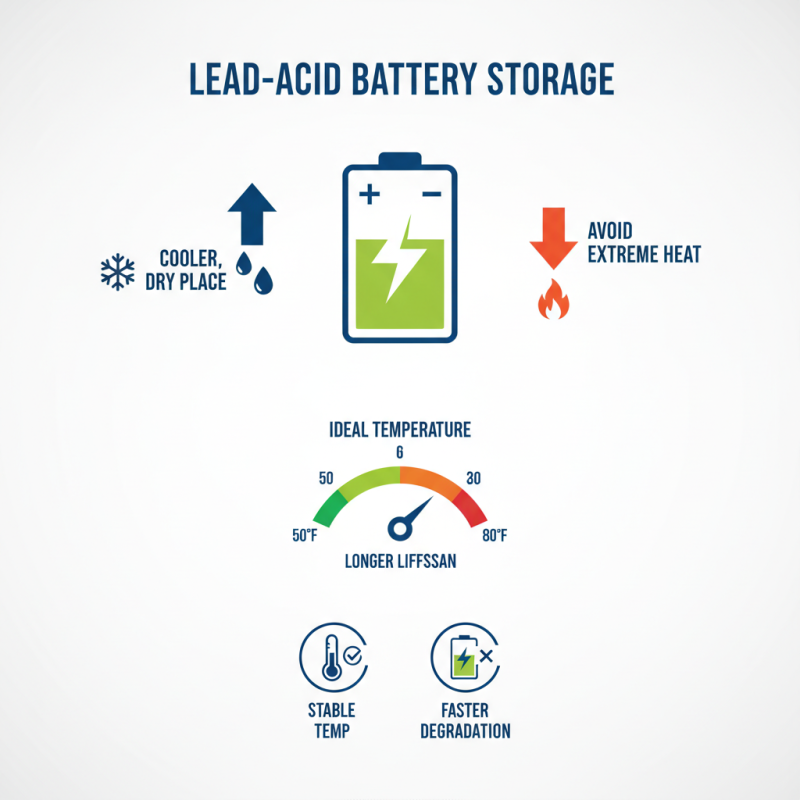
To prolong the life of a lead-acid battery, optimal storage conditions are essential. Keeping the battery at a stable temperature is crucial. Ideally, a temperature range between 50°F to 80°F works best. Extreme temperatures can shorten the lifespan significantly. For instance, storing a battery in a hot garage can lead to faster degradation. Consider finding a cooler, dry place for storage.
Humidity also plays an important role. High humidity can cause corrosion. It’s best to store the battery in a dry environment. Using a dehumidifier might be a good idea if the area is prone to moisture. Regularly check the battery for any signs of corrosion or leaks, and address them promptly.
**Tips:** Avoid exposing the battery to direct sunlight. This can cause overheating. Also, keep the battery clean. Dirt and grime can cause connections to fail. A good practice is to wipe the terminals regularly with a damp cloth. Always keep the battery fully charged. A discharged battery can freeze and suffer damage. Storing it at full capacity helps ensure it lasts longer.
Regular Maintenance Checks: Key Indicators of Battery Health
Regular maintenance checks are essential for prolonging the life of lead-acid batteries. According to a report from the Battery Council International, proper care can improve battery lifespan by up to 50%. Checking water levels frequently can prevent sulfation, a common issue with lead-acid batteries. Keep an eye on terminal corrosion. This is a strong indicator of battery health.
Monitoring voltage is another critical aspect. A healthy lead-acid battery typically operates between 12.4 to 12.7 volts when fully charged. Below 12.4 volts means it may need charging. Additionally, an annual load test helps identify potential issues. A battery showing less than 70% capacity during this test might need replacement soon.
Temperature impacts battery performance too. Keeping batteries in a controlled environment can enhance their longevity. Extreme heat or cold can cause premature aging. A report from the International Energy Agency states that about 30% of lead-acid batteries fail prematurely due to environmental factors. Regular checks are not just beneficial; they're necessary for maintaining optimal battery health. Failures can lead to significant inconveniences and costs.
Temperature Effects on Lead Acid Battery Performance and Longevity
Temperature has a significant impact on lead acid battery performance and longevity. Extreme heat can accelerate chemical reactions within the battery, leading to quicker degradation. Conversely, cold temperatures can reduce the battery's capacity and efficiency. Maintaining an optimal temperature range is crucial for the health of your battery.
Tips: Regularly check the temperature where the Battery 12v 7ah Sealed Lead Acid is stored. Ideally, it should be between 20°C to 25°C. Avoid placing the battery in direct sunlight or near heat sources. A cooler environment can often extend the life of your battery.
Additionally, temperature fluctuations can cause condensation inside the battery. This moisture can lead to corrosion and other damage. Make sure the storage area is dry and well-ventilated. While it's hard to control outdoor temperatures, creating a protective environment indoors can help.
Tips: Insulate the battery during cold weather. For hot conditions, consider using a fan or cooling system. These simple actions can aid in maintaining performance and prolonging battery life. Regular monitoring of temperature will also promote reflection on how conditions affect your battery’s health.
Temperature Effects on Lead Acid Battery Performance
Recycling and Disposal: Responsible End-of-Life Battery Management
Recycling and disposing of lead-acid batteries responsibly is vital for our environment. Many people overlook this aspect. When your Sealed Lead Acid Battery 12v 7ah reaches its end of life, ensure you don’t just throw it away. Improper disposal can lead to soil and water contamination.
Here are some tips for proper disposal. Many local auto shops and recycling centers accept lead-acid batteries. Check their policies before visiting. Ensure the battery is securely sealed. This prevents leakage during transport. Always handle with care. Even a small crack can lead to hazardous spills.
Consider participating in community recycling events. These create awareness and allow safe collection of batteries. When you return your old battery, remember to inquire about the recycling process. You may learn something surprising. Reflection on this process can deepen your understanding of responsible battery management. Every small step counts toward a healthier planet.
Common Myths About Lead Acid Batteries Debunked
Many misconceptions surround lead acid batteries. A common myth is that they should always be kept fully charged. While it's true that they perform best when charged, overcharging can lead to damage. This is especially important for a Valve Regulated Lead Acid Battery 6v4 5ah 20hr. Balancing charge levels is crucial for longevity.
Another belief is that these batteries require no maintenance. In reality, regular checks are essential. Acid levels must be monitored, and terminals must stay clean. Ignoring these tasks can result in reduced performance and lifespan. It’s easy to overlook these details. But, taking time to reflect on your battery care can pay off. Even a few minutes can make a difference.
People often think all lead acid batteries are the same. This is not true. Different types have different needs. Understanding your specific battery type can prevent costly mistakes. Not every battery handles extremes well. Educating yourself about your battery helps avoid common pitfalls. Remember, knowledge helps in achieving the best performance.
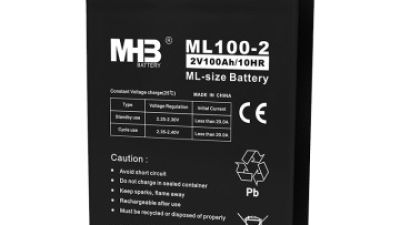
Optimizing Telecom Systems with MHB ML100-2 2V 100Ah UPS Battery: Features, Benefits, and Applications
In the ever-evolving landscape of telecommunications, the need for reliable power sources is paramount. The MHB ML100-2 2V 100Ah UPS battery exemplifies the advancements in Telecom Battery technology, specifically designed to cater to the demands of modern systems. Its robust 100Ah capacity supports a wide array of applications, from small-scale setups to expansive telecom networks, ensuring that critical operations remain uninterrupted. According to industry reports, over 80% of telecom outages are caused by power failures; thus, investing in efficient power solutions like this UPS battery is essential for maintaining operational integrity.
The 2V configuration of the MHB ML100-2 allows for seamless integration with existing telecom infrastructure, providing the flexibility needed to tailor power solutions to specific requirements. This adaptability is a key consideration for service providers looking to optimize their networks for performance and reliability. Furthermore, the battery's design emphasizes durability and longevity. With engineered resilience to withstand the rigors of continuous use, these lead-acid batteries hold the promise of keeping telecom mechanisms operational even in the face of extended power outages, a crucial factor cited in multiple studies highlighting the importance of backup power systems in network reliability.
Furthermore, as the demand for more robust telecom services continues to grow—projected to increase by 30% in the coming years—ensuring that power systems can scale effectively is crucial. The MHB ML100-2 not only meets current demands but is built to accommodate future growth. This scalability aligns with the industry's shift towards more reliable and sustainable energy solutions, making it a fitting choice for forward-thinking telecom providers looking to enhance their infrastructure and service delivery.
FAQS
: The product can enhance daily convenience. Users often notice improved efficiency in routine tasks.
It operates using a simple mechanism. Users just need to follow the instructions provided.
Some users report minor reactions. It's important to consider personal sensitivity to the ingredients.
Keep it in a cool, dry place. Avoid direct sunlight to maintain its effectiveness.
Most people can use it safely. However, individuals with specific conditions should consult a professional.
If it fails to meet expectations, reevaluating usage is helpful. Consider adjusting your approach or seeking advice.
Yes, many sellers offer a return policy. Check details before making a purchase to avoid misunderstandings.
Results may vary greatly among users. Some see effects quickly, while others may need more time.
Most suppliers provide some form of customer support. It’s worth reaching out with specific questions or concerns.
Discontinue use immediately and seek medical attention. It's critical to monitor your body's reactions carefully.
Conclusion
Maintaining a Lead Acid Battery is crucial for ensuring its longevity and reliable performance. A solid understanding of the battery's chemistry can enhance maintenance practices, leading to optimal charging methods that prevent overcharging and undercharging. Proper storage conditions, including a cool and dry environment, significantly prolong the battery's lifespan. Routine maintenance checks are essential for identifying indicators of battery health, such as voltage levels and physical damage, which can prevent premature failure.
Temperature also plays a critical role in the performance and lifespan of Lead Acid Batteries, with extreme conditions negatively impacting their efficiency. Furthermore, responsible battery recycling and disposal practices are important for minimizing environmental impact. Lastly, many common myths about Lead Acid Batteries can lead to misconceptions; addressing these can help users make informed decisions regarding battery care and management. Overall, following best practices is key to maximizing the service life of Lead Acid Batteries.