In today’s super fast-paced world, everyone’s really feeling the push for more sustainable energy options. And honestly, getting a good handle on Rechargeable Batteries is kind of at the heart of this whole movement. As both consumers and industries look for better alternatives to old-school power sources, understanding how rechargeable batteries work—what makes them tick—is more important than ever if we want to make energy last longer and be more efficient.
Here at FUJIAN MINHUA POWER SOURCE CO., LTD., we’ve been all in on pushing battery tech forward since 1992. With nearly 2,000 passionate folks on our team, we’ve gained a ton of experience in developing batteries that you can rely on—and that are also friendly to our planet. So, come along as we dive into different options in the rechargeable battery world. Hopefully, it’ll help you make smarter, greener choices for the future we all share.
Understanding Different Types of Rechargeable Batteries: Pros and Cons
When you're diving into rechargeable batteries, it’s pretty important to get a good grip on the different types out there and what each one’s good (or not so good) at. Take lithium-ion batteries, for example — they’re super popular in gadgets and electric cars because they pack a punch with high energy density and can be recharged hundreds of times. I read a 2023 report from the International Energy Agency that said these batteries can give up to 300 watt-hours per kilogram, which is why they’re often the go-to for lightweight yet powerful energy needs. That said, they’re not perfect — they can get kinda temperamental when it’s really hot, and if you don’t handle them carefully, safety issues can pop up.
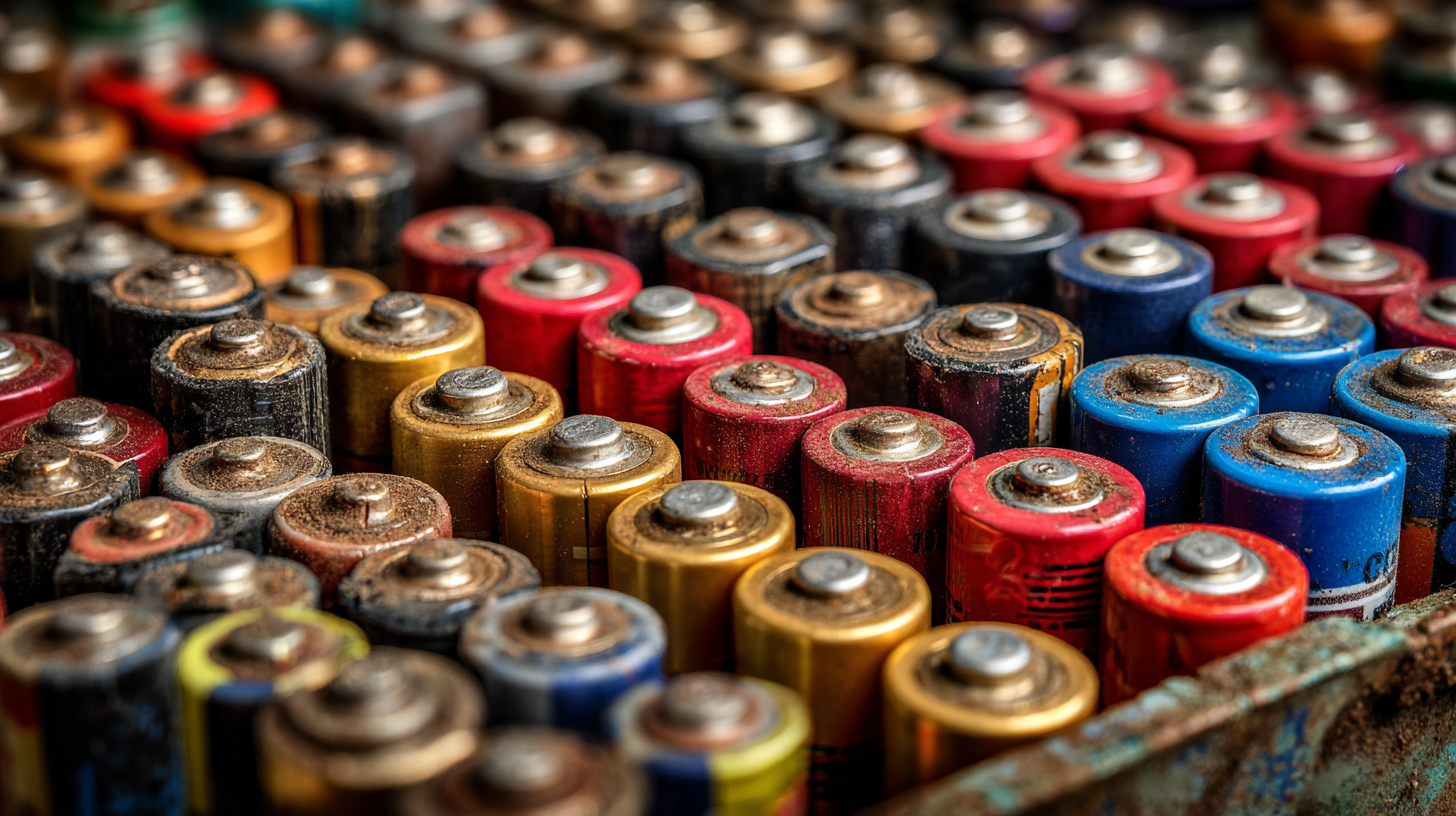
Then there’s nickel-metal hydride (NiMH) batteries. They’re a bit more eco-friendly and are commonly used in hybrid cars. Sure, they don’t pack as much punch — usually around 100-200 watt-hours per kilogram — but they last through a ton of charge cycles, like 500 to 1,000, which makes them perfect if you don’t need crazy high energy and want something reliable. Plus, a study I saw in the Journal of Power Sources pointed out that NiMH batteries can handle a wider range of temperatures, so they work well in different environments. On the downside, they tend to lose their charge a bit faster when sitting idle, which can be a pain if you need long-term storage without using them for a while.
Essential Tips for Charging Rechargeable Batteries for Optimal Performance
Taking good care of how you charge your rechargeable batteries is super important if you want them to last longer and work better. Did you know that, according to the International Energy Agency, messing up the charging process can actually lower their efficiency by as much as 30%? Crazy, right? But don’t worry—by following a few simple tips, you can really boost your battery game.
First off, always try to charge your batteries at room temperature. Charging in really hot or cold conditions can mess with how well they work. The sweet spot is between about 20°C and 25°C—that’s roughly 68°F to 77°F. Keeping it in this range helps keep the internal chemistry stable and prevents the battery from degrading faster.
And here’s a big one—don’t leave your batteries charging forever. Even though most chargers nowadays have safety features to stop overcharging, it’s still a good idea to unplug them once they’re fully charged. Research from Battery University shows that constantly overcharging can cut a battery’s lifespan by up to 20%. Not worth it, in my opinion.
Lastly, try not to let your batteries drain all the way down to zero all the time. Lithium-ion batteries—like the ones common in our phones and gadgets—work best when kept charged somewhere between 20% and 80%. Following these little habits can really help your batteries stay efficient longer and save you the hassle of replacing them too soon.
Maximizing Battery Life: Maintenance Practices for Longevity
When you’re trying to get the most life out of your rechargeable batteries, it really helps to stick to some basic maintenance tips. For starters, try not to let your batteries completely run out before recharging them—it’s tempting to wait until they’re dead, but frequent full discharges can really take a toll over time. A good rule of thumb is to plug in your devices once they hit around 20-30%. Trust me, this little habit can make a big difference in keeping your batteries healthy and performing well.
Another thing to keep in mind is temperature. Batteries don’t love extreme heat or cold, so storing them in a cool, dry spot is usually best. Staying away from super hot or freezing environments helps keep their performance steady and prevents them from wearing out sooner than they should. If you’ve got multiple gadgets lying around, cycling the batteries between them can help even out the wear and tear—that way, even the ones you don’t use all the time stay in good shape. Basically, these simple tricks aren’t complicated but can really extend how long your batteries last. Just a little effort, and you’ll thank yourself down the line!
Mastering Rechargeable Batteries: A Comprehensive Tutorial for Energy Efficiency and Longevity - Maximizing Battery Life: Maintenance Practices for Longevity
| Practice | Description | Frequency | Impact on Battery Life |
| Avoid Deep Discharge | Keep battery charge above 20% to reduce stress and longevity impact. | Every Charge Cycle | High |
| Optimal Charging | Use appropriate charger, and avoid overcharging and overheating. | Each Charge | High |
| Temperature Control | Store and use batteries within recommended temperature ranges. | Constant | Medium |
| Regular Cleaning | Keep terminals clean to ensure good conductivity and prevent corrosion. | Monthly | Medium |
| Periodic Calibration | Every few months, fully charge and discharge to recalibrate battery meter. | Every 2-3 Months | Low |
Energy Efficiency Strategies for Using Rechargeable Batteries
When it comes to making your rechargeable batteries last longer and perform better, paying attention to energy efficiency really makes a difference. One simple but effective tip is to get in the habit of charging them properly. Always use the charger that’s meant for your specific battery—trust me, it speeds things up and also helps prevent overcharging, which can do more harm than good. Oh, and try not to let your batteries drain all the way to zero before plugging them in again. That deep discharge can really cut down on their lifespan. Instead, it’s best to recharge when they hit around 20-30%—it just keeps things healthier.
Another thing that often gets overlooked is temperature control. Batteries don’t love extreme heat or cold, so keeping them in a moderate environment is key. Storing them somewhere cool and dry—like a closet or a drawer—can really help maintain their chemical balance and keep them working like they should. And a quick heads-up: don’t leave them in the blazing sun or in a hot car, okay? These small habits can make a big difference. If you start incorporating these little tips into your routine, your batteries will stay happier and last way longer, making sure your devices are always ready to go when you need them.
Energy Efficiency of Various Rechargeable Battery Types
Common Myths About Rechargeable Batteries Debunked
When it comes to rechargeable batteries, there's a lot of misinformation out there that can actually lead to premature failures or just poor performance. You know, stuff like thinking you have to completely drain a battery before recharging it, or that using a charger other than the original one will somehow harm the battery—that kind of old-school advice still sticks around, even though tech has come a long way. In reality, most modern rechargeable batteries—like the ones from FUJIAN MINHUA POWER SOURCE CO., LTD.—are built to handle partial charges without any issues. Actually, regularly topping off your battery can even help it last longer and save energy. Pretty cool, right?
And here's another common myth: that rechargeable batteries just aren't as powerful as those cheap disposable ones. That’s honestly not true anymore. Thanks to advances in chemistry and design, rechargeable batteries now pack a serious punch and are super reliable—perfect whether you're just powering your gadgets or running bigger industrial stuff. Since we kicked off back in 1992, our team at MHB Battery has grown to nearly 2,000 dedicated folks, all working hard to push the limits of what rechargeable batteries can do. We’re committed to making products that last longer and work smarter. By clearing up these misconceptions, we hope consumers can make smarter choices that not only benefit their devices but are also better for the environment. It’s all about staying informed and not falling for the old myths anymore.

The Ultimate Guide to Choosing the Right OEM MHB Ms7-12 12V 7ah Battery for Fire and Security Systems
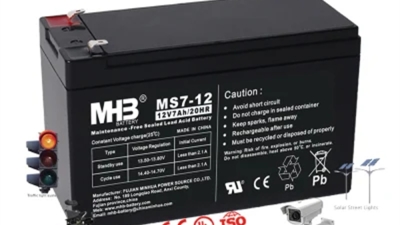
When it comes to powering critical fire and security systems, selecting the right OEM MHB Ms7-12 12v 7ah Battery is crucial. This compact battery packs a punch in terms of versatility while maintaining a small footprint, making it an ideal choice for various applications. Its notable size allows it to fit into tight spaces while delivering reliable power, which is essential for systems that demand uninterrupted operation.
The MHB Ms7-12 battery excels in a range of industries, from telecommunications to renewable energy solutions. Its compatibility with wind energy storage systems and small solar power generation setups illustrates its effectiveness in non-conventional energy uses. Moreover, for backup power systems and uninterruptible power supplies (UPS), this battery ensures that your fire and security systems remain operational during outages. Whether deployed in railway stations or server rooms, the MHB Ms7-12 battery provides the dependable performance needed to protect assets and ensure safety across various environments.