In today’s fast-moving tech world, everyone’s looking for reliable, high-performance batteries — and honestly, it’s more important than ever. Among the options out there, Agm Batteries with acid have really become a popular pick, mainly because their sealed design means less maintenance and a safer, longer-lasting performance.
I recently came across a report from the Battery Council International that said the lead-acid battery market is expected to grow pretty steadily, with a compound annual growth rate of about 4.3% through 2026. And, guess what? AGM batteries are a big part of that growth.
Now, a key player in this scene is FUJIAN MINHUA POWER SOURCE CO., LTD., which has been making waves with their MHB Battery brand since way back in 1992. They’ve got almost 2,000 employees working at this massive 300-acre facility in the Longqiao Industrial Park, Anxi Economic Development Zone in Fujian.
It makes sense—they’re in a prime spot to stay ahead by embracing the latest AGM tech. In this blog, I’ll share some practical tips on how to get the most out of your Agm Battery acid — boosting both its performance and lifespan, no matter what you’re using it for.
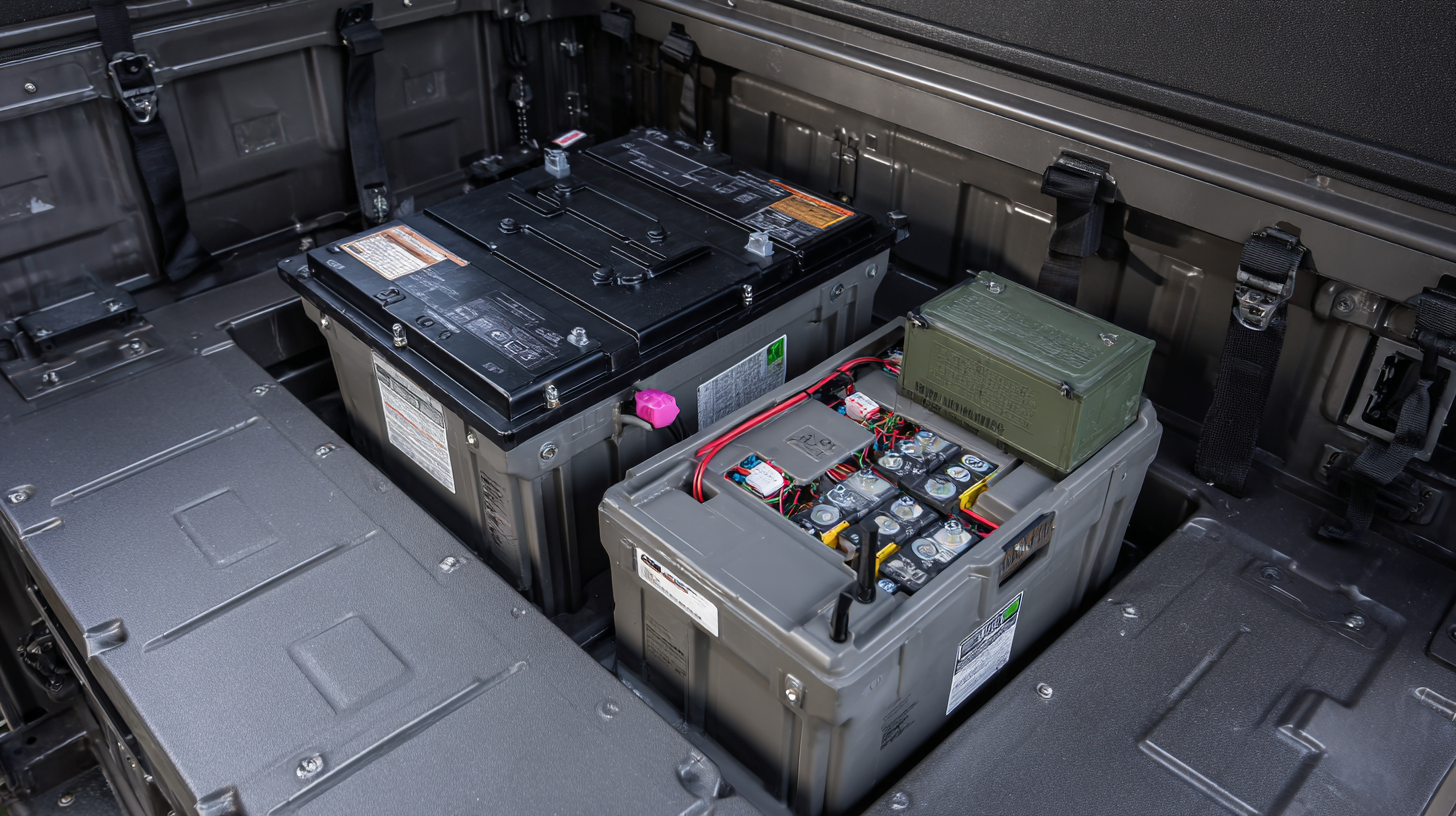
Understanding AGM Battery Composition: Key Elements for Performance
If you're looking into batteries that are reliable and efficient, AGM (Absorbent Glass Mat) batteries are definitely worth considering. They're pretty popular because of how they’re built—using fiberglass mats to soak up the electrolyte, which means they can handle a higher discharge rate, stay stable through more cycles, and don’t need as much fuss when it comes to maintenance. I remember reading a report from the Battery Council International that says AGM batteries can last anywhere from 3 to 5 years longer than your typical flooded lead-acid ones. That’s a pretty sweet deal if you ask me!
To get the most out of your AGM batteries, a bit of proper maintenance goes a long way. Keeping the charge level somewhere between 50% and 90% helps them last longer—letting it sit drained for too long can lead to sulfation and actually chop down their capacity. Also, try to keep the temperature around 20°C to 25°C (that’s about 68°F to 77°F). Too hot or too cold can mess things up and reduce their efficiency.
A couple of quick tips: regularly check the voltage to catch any issues early, and don’t let the battery completely die before recharging. As soon as it hits around 50%, it’s a good idea to plug it back in. If you’re serious about prolonging its life, using a smart charger designed specifically for AGM batteries can really help prevent overcharging and keep everything running smoothly.
Optimal Charging Practices: Enhancing AGM Battery Life by 30%
Taking good care of your AGM batteries when charging can really make a difference—they can last up to 30% longer if you do it right. One of the smartest things you can do is to use a quality smart charger that's designed specifically for AGM batteries. These chargers are pretty cool because they tweak the voltage and current as they go, helping to avoid overcharging, which can seriously wear down your battery over time. It’s also a good idea to keep an eye on those charging cycles—only plug in your battery when it really needs it. That little habit can go a long way in keeping your battery healthy and extending its life.
Another thing to keep in mind is not to let your AGM battery drain too low. They perform best when kept between about 40% and 80% charge. Going way below that can actually cause some permanent damage, so it’s wise to recharge before it dips too far. Plus, aim to keep the battery at a steady temperature—somewhere around 20°C to 25°C—is ideal. This helps the internal chemical reactions happen smoothly, ensuring better performance. If you follow these simple yet effective charging tips, you'll get a lot more out of your AGM batteries—reliable power and longer-lasting use, no doubt about it.
Temperature Impact: How Ambient Conditions Affect AGM Battery Efficiency
When you're looking to get the most out of your AGM batteries—both in terms of performance and how long they last—it's pretty important to understand how the temperature around them can make a big difference. These batteries tend to work best when the temperature's around 20-25°C (that’s roughly 68-77°F). But if things drift away from that sweet spot, you might notice some pretty noticeable changes in how they perform. For example, according to Battery University, if the temperature goes up by just 10°C, the battery’s self-discharge rate could actually double—that’s a big deal because it can shorten their lifespan and capacity over time.
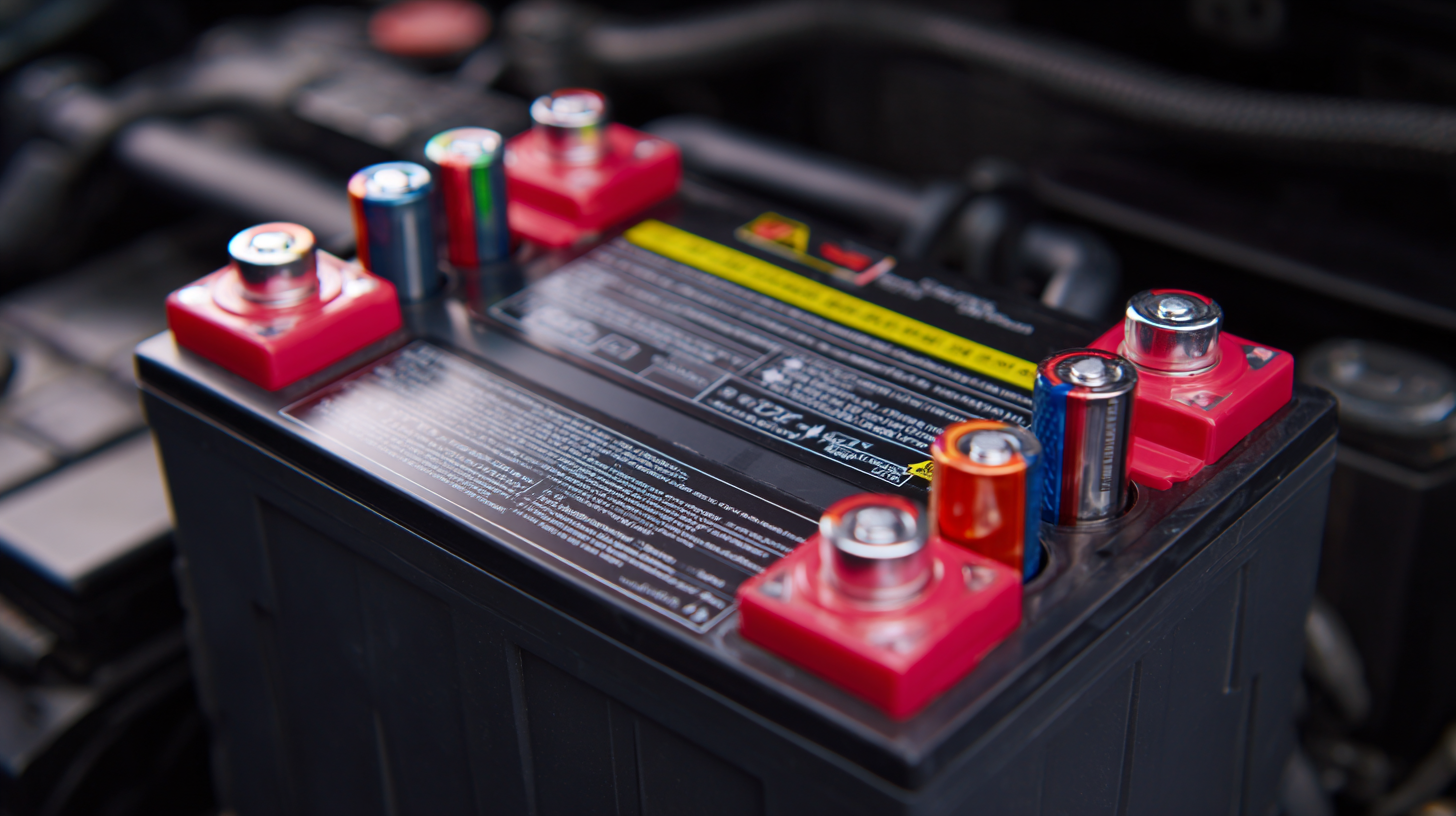
And hot temperatures aren’t just a minor inconvenience. They can kickstart chemical reactions inside the battery, which can cause more gassing and even lead to evaporation of the electrolyte. Over time, this can damage the separator materials inside, possibly triggering internal short circuits and ultimately reducing the overall lifespan of the battery. A report from the National Renewable Energy Laboratory (NREL) even points out that operating AGM batteries above 30°C (86°F) could cut their lifespan by up to half. On the flip side, if it’s too cold—say below 0°C (32°F)—the battery’s performance drops because the internal resistance increases, making it harder for the battery to discharge effectively. So yeah, managing the temperature is kind of a big deal if you want your AGM batteries to perform well and last as long as possible in whatever use you're throwing at them.
Regular Maintenance Routines: Best Practices for Extending Battery Longevity
If you want your AGM (Absorbent Glass Mat) batteries to last longer and work their best, keeping up with regular maintenance is pretty important. One of the simplest but most effective tips? Keep the battery terminals nice and clean, free from any corrosion or dirt. Just give them a quick check now and then — if you spot any buildup, you can clean it off with a mix of baking soda and water. Just be gentle so you don’t accidentally damage the battery casing. It’s a small step that can really make a difference.
Another thing to watch out for is the battery’s charge level. AGM batteries tend to perform really well when they’re charged somewhere between 50% and full. Try to avoid letting the battery drain all the way down—deep discharges can shorten its lifespan and capacity over time. A good quality battery monitor or charger can be a lifesaver here, helping you keep an eye on the charge and providing maintenance charging when needed.
Oh, and don’t forget about ventilation — it’s super important when charging your batteries. These batteries produce gases during charging, so good airflow helps prevent any gas buildup that could be potentially dangerous. If you follow these simple routines, you’ll not only get the most out of your AGM batteries but also help them last much longer. Trust me, it’s worth the little extra effort!
How to Maximize Performance and Longevity of AGM Battery Acid in Your Applications - Regular Maintenance Routines: Best Practices for Extending Battery Longevity
| Maintenance Activity | Frequency | Impact on Longevity | Recommended Tools |
| Visual Inspection | Monthly | High | Flashlight, Cleaning Cloth |
| Check Electrolyte Levels | Monthly | High | Hydrometer, Distilled Water |
| Clean Terminals | Quarterly | Medium | Wire Brush, Baking Soda Solution |
| Check for Damage | Quarterly | High | Inspection Tools |
| Cycle Testing | Annually | Medium | Battery Tester |
Monitoring System Performance: Using Data Analysis for AGM Optimization
When it comes to getting the most out of AGM (Absorbent Glass Mat) batteries — you know, making them last longer and perform better — taking a data-driven approach to monitoring their performance can really be a game changer. I read a report from the International Energy Agency back in 2022 that mentioned how those smart battery management systems can boost energy storage efficiency by around 20%. So, if you’re using real-time data analytics, you can actually tweak how you charge and discharge the batteries — kinda customizing it to what AGM batteries need — which means better overall performance, plain and simple.
And here’s the thing: data analysis isn’t just about performance — it’s also a lifesaver when it comes to spotting problems early. A study I came across in the Journal of Power Sources pointed out that monitoring batteries proactively can catch things like a 15% drop in capacity or voltage dips before they turn into big issues. That way, you can jump in with maintenance just in time, keeping the batteries running smoothly. It’s all about using predictive analytics to keep everything within those perfect operating parameters. This approach not only helps your batteries last longer but also keeps systems — like renewable energy setups or telecom networks — running reliably.
Plus, with some pretty advanced monitoring tools designed specifically for AGM batteries, you’re able to gather all sorts of critical performance data. Trends in 2023 suggest that putting these systems to work can really cut down on failures and protect your investments, while also boosting efficiency. So, by adopting this kind of solid, tech-savvy approach, you make sure your AGM batteries don’t just do the job — they deliver maximum value and performance over time.
Common Myths Debunked: Misconceptions That Can Lead to Reduced Battery Life
When talking about AGM (Absorbent Glass Mat) batteries, there are quite a few myths out there that can actually mess with their performance and how long they last. One popular misconception is that you don’t need to do much maintenance on AGM batteries—people think they’re totally hands-off. But honestly, a little regular inspection can go a long way in keeping them in shape. Checking for corrosion or loose connections now and then isn't a big deal, and it can prevent bigger issues down the road.
Then there's this myth that you have to let AGM batteries fully drain before recharging. That’s not really true—doing that can actually shorten their lifespan. To get the most out of your battery, it’s better to recharge before it hits about 50% capacity, so it’s not pushed too hard. Oh, and a lot of folks also believe they can toss any charger on these batteries. Nope! Using a smart charger specifically designed for AGM batteries makes all the difference—helps avoid overcharging and keeps things running smoothly.
Getting these myths out of the way can really help you care for your AGM batteries better, making sure they perform well and last longer than you might expect.
FAQS
AGM batteries perform best when kept between 40% to 80% charged; recharging before dropping below 50% is advisable to avoid deep discharges that can damage the battery.
No, fully discharging AGM batteries can significantly reduce their lifespan. It is recommended to recharge them before they drop below 50% capacity.
Yes, despite being low-maintenance, AGM batteries benefit from periodic inspections to prevent long-term damage due to issues like corrosion or poor connections.
No, using a dedicated smart charger is important for AGM batteries to ensure proper charging and to prevent overcharging, which can lead to reduced performance or battery failure.
The ideal temperature range for AGM batteries is between 20°C to 25°C, as this helps facilitate effective chemical reactions within the battery.
To enhance the life of your AGM battery, use a smart charger, maintain an appropriate charge level, and keep the battery at a stable temperature.
A common myth is that AGM batteries do not need regular maintenance; neglecting periodic inspections can hinder their performance and lifespan.
Conclusion
Making sure AGM batteries perform their best and last as long as possible is super important, especially since they're used in so many different ways. Getting a good handle on what's inside an AGM battery really helps improve how well they work overall. If you follow the right charging habits, you might actually see their lifespan bump up by around 30%, which is pretty sweet. Oh, and paying attention to the temperature around you is a big deal—extreme heat or cold can seriously mess with their efficiency, so keeping things in a comfortable range is key.
That said, regular check-ups and maintenance are your friends—they keep your batteries running smoothly and extend their life. Using data to keep an eye on how your system is performing can also help you get the most out of your AGM batteries, kinda like having an early warning system. And hey, there are a lot of myths floating around about AGM batteries that can actually do more harm than good if you believe them. Knowing the facts helps you avoid mistakes that could shorten their lifespan.
At FUJIAN MINHUA POWER SOURCE CO., LTD., we’re all about delivering high-quality AGM batteries that meet the needs of today’s energy demands. We’re here to help you power up reliably and efficiently.



