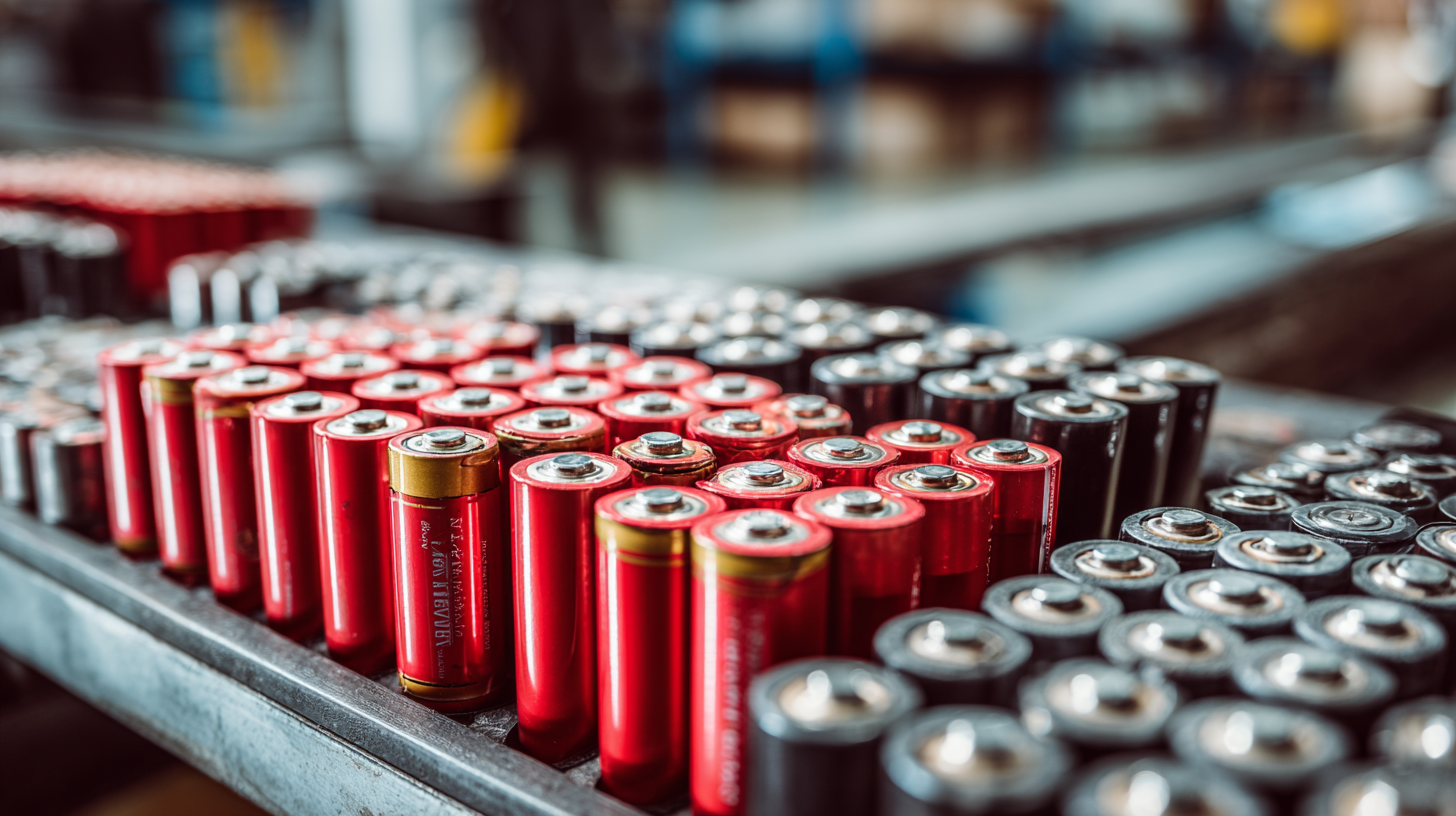
With the global push for more sustainable energy solutions gaining serious momentum, it’s pretty clear that Rechargeable Batteries are playing a crucial role in cutting down carbon emissions. According to a report from the International Energy Agency, if we really push forward with adopting rechargeable battery tech, we could see a 20% drop in worldwide carbon emissions by 2030.
Fujian Minhua Power Source Co., Ltd., well-known for their MHB Battery line since back in ’92, is really leading the charge in this green movement. They have nearly 2,000 employees working at a massive 300-acre facility in Longqiao Industrial Park, within the Anxi Economic Development Zone in Fujian — all working towards making a difference.
By using cutting-edge rechargeable battery technology, we're not just boosting energy efficiency; we’re also helping build a cleaner, more sustainable future for generations to come. It’s an exciting time to be part of this green revolution, don’t you think?
Understanding the Role of Rechargeable Batteries in Carbon Reduction Efforts
Rechargeable batteries are really leading the charge in our move towards a more sustainable energy future. They’re playing a huge role in helping cut down global carbon emissions. I mean, according to a report from the International Energy Agency (IEA), widespread adoption of electric vehicles—most of which run on lithium-ion batteries—could actually make a pretty big dent in our emissions. By 2030, it’s estimated that EVs might help reduce about 1.5 gigatons of CO2—roughly 20% of the total global reduction we need to hit our climate goals. That’s pretty amazing, right?
And it’s not just about cars. Battery technology is also really key for making renewable energy sources like solar and wind more reliable and easier to incorporate into our power grid. BloombergNEF’s study predicts that by 2030, battery storage capacity could grow six times over. Basically, this means we can lean more heavily on clean energy without as much need for fossil fuels. These advancements aren’t just about reducing emissions—they also boost energy security, making rechargeable batteries a big piece of the puzzle in the global fight against climate change. It’s pretty exciting to think about how these tech developments could shape our future, don’t you think?
Identifying Key Sectors for Rechargeable Battery Implementation
The move toward rechargeable batteries is really set to shake things up across a bunch of industries—and honestly, it’s pretty exciting because it aims to cut global carbon emissions by about 20% by 2030. Big players like transportation, energy, and healthcare are definitely at the forefront when it comes to jumping on this bandwagon. For example, in transportation, EVs are becoming more and more common, and some trends suggest that by 2025, electric cars could make up around 30% of all car sales worldwide. That’s a huge shift! Not only does this help cut down city pollution, but it also seriously lowers overall carbon footprints.
On the energy front, adding rechargeable batteries to renewable sources like solar and wind makes it way easier to store and use that power efficiently. A recent plan called Clean Power 2030 points out that in the UK, energy storage needs to ramp up pretty significantly—from just 3 GWh now to about 36 GWh by 2030—so we can keep up with increasing renewable energy and cut back on fossil fuels. This means cleaner, more reliable energy for everyone. And in healthcare, especially with German hospitals starting to go green, rechargeable batteries are making a difference too. They’re used in medical devices to boost efficiency and help hospitals reduce environmental impact. All in all, it’s clear that this tech has a lot of different benefits, and it’s pretty cool to see it unfolding across different sectors.
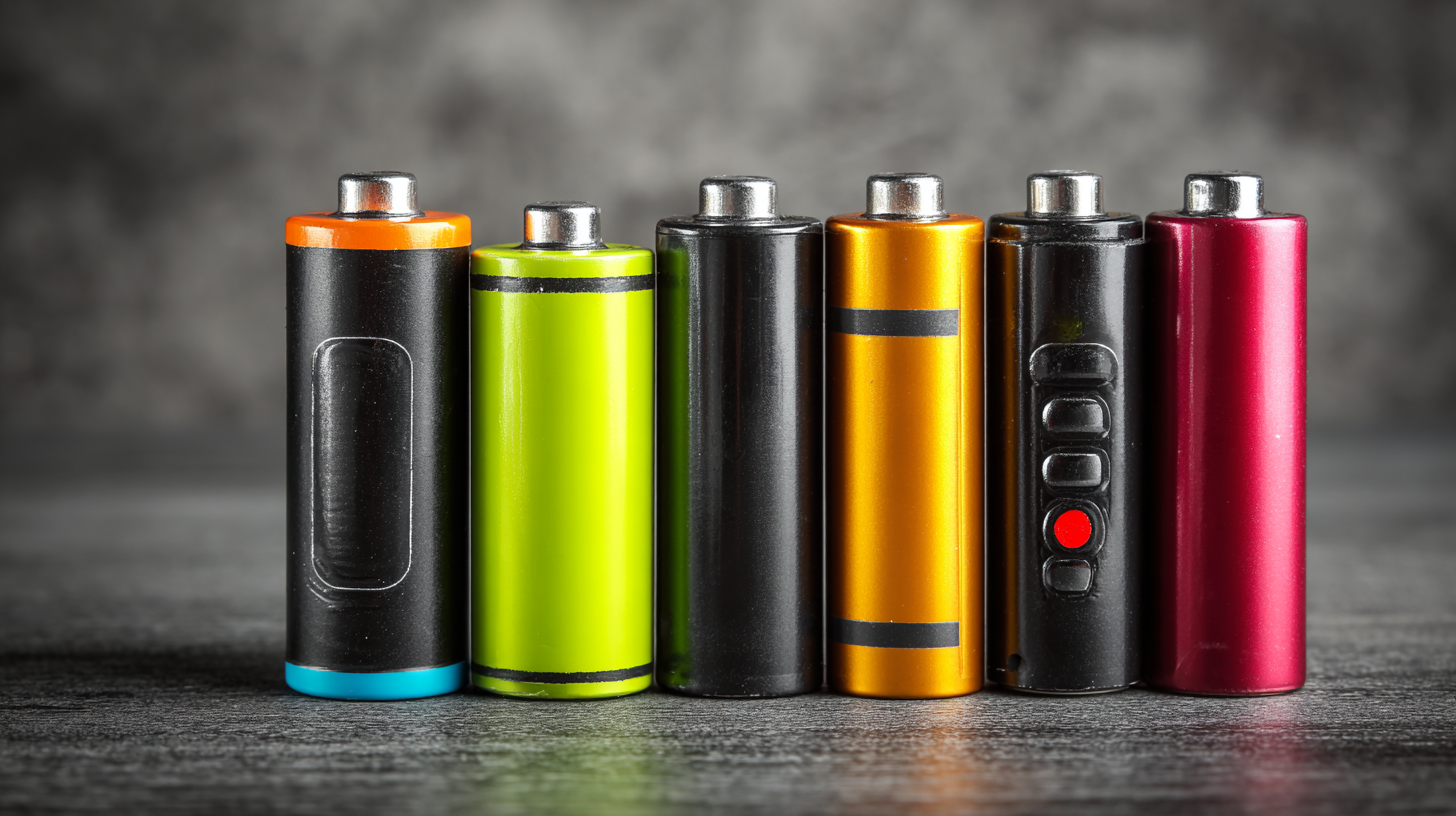
Exploring Technological Advancements in Battery Efficiency
You know, recent breakthroughs in battery tech are pretty game-changing when it comes to boosting efficiency and tackling global carbon emissions. The scientific world has really been focusing on improving how we store energy, which has led to some exciting wins—like the development of perovskite solar cells. These little guys have already hit a shining efficiency rate of 22.35%, which is pretty impressive. It’s not just pushing the limits of solar power, but also setting new standards for both home use and big industrial setups. The hunt for high-performance batteries that can take advantage of these new innovations? It’s definitely keeping us on the right track to hit those tough climate goals we’ve been aiming for.
And honestly, things are only getting more interesting with initiatives like collaborative plans to boost new energy storage manufacturing. We’re entering a really transformative phase, where smart systems and eco-friendly practices are becoming part of the game. These advancements are expected to revolutionize how we work with smart grids and renewable energy, making rechargeable batteries a key piece of the puzzle in the global effort to cut down on carbon emissions—especially by 2030. It’s an exciting time, and I think we’re headed in the right direction!
Strategies for Integrating Batteries into Renewable Energy Systems
You know, integrating rechargeable batteries into renewable energy setups is honestly one of the smartest moves we can make if we wanna cut down on global carbon emissions. As solar and wind power become more common and accessible, there's this little hiccup — the energy supply gets pretty inconsistent at times. That’s where batteries come in. They basically act like energy reservoirs, soaking up the extra juice when the sun’s shining bright or the wind’s blowing strong, and then giving us that stored energy when the atmosphere's a bit chillier or windier-less. It’s a game-changer because it makes renewable sources way more reliable and appealing — not just for folks using the energy but also for investors looking for stable, eco-friendly options.
Of course, to really make the most of these batteries, we need some smart planning. For example, setting up good recycling programs for batteries is a top idea — it cuts down on waste and makes sure we're sourcing raw materials responsibly. Plus, teaming up battery makers with renewable energy companies can push forward some awesome tech improvements, like smarter energy management systems. When everyone works together, it’s like building a sturdy ecosystem that promotes the widespread use of batteries. All this adds up to a future that's not only sustainable but also significantly helps in lowering global emissions by 2030. It’s ambitious, but totally doable if we get it right.
Promoting Policy Changes to Support Battery Adoption
You know, as the world is really feeling the pressure to fight climate change, pushing for policies that encourage the adoption of rechargeable batteries is more important than ever. The International Energy Agency (IEA) points out that shifting to electric vehicles (EVs) and ramping up renewable energy sources could make a huge dent in our global carbon emissions. In fact, they estimate that by 2030, electric cars powered by rechargeable batteries could cut transportation-related CO2 emissions by up to 80%. That’s a pretty big deal, really putting battery tech front and center in hitting those climate targets.
To speed up this whole transition, governments need to step up and offer some solid incentives for producing and deploying batteries. The World Economic Forum shares that pouring strategic investments into solid-state battery tech – which promises better energy density and safety – could make electric cars even more attractive to folks out there. Plus, subsidies for battery makers and initiatives to boost public charging stations could really make a difference in getting more people to jump on the EV bandwagon. When governments create a friendly regulatory environment, it helps the battery industry grow and thrive. Ultimately, all this could lead to a big drop in our reliance on fossil fuels and help cut global carbon emissions by around 20% by the end of the decade. Pretty exciting stuff, right?
Raising Public Awareness about the Benefits of Rechargeable Batteries
You know, raising awareness about how rechargeable batteries can really help fight climate change is super important. I mean, these batteries aren’t just good for the environment—they can also save people and businesses some serious cash in the long run. Switching from single-use batteries to rechargeable ones isn’t just eco-friendly; it’s also a smart financial move. It’s all about educating folks on how much they can save over time while making a positive impact on our planet. Once more people get the hang of it, I honestly believe we’ll see way more people making the switch.
And here’s the thing—when everyone starts to realize the environmental benefits, it can spark some serious innovation in battery tech and infrastructure. The more people understand the impact of their choices, the more demand there’ll be for sustainable products. This kind of shift in consumer mindset can push manufacturers to focus more on creating better, longer-lasting rechargeable batteries. Plus, pointing out real-world perks like how durable they are, how much more efficient they can be, and how they help cut down waste — that stuff really empowers people to make smarter, more eco-conscious decisions. All in all, spreading the word really can make a big difference while helping out our planet at the same time.
Unleashing the Power: How Rechargeable Batteries Could Reduce Global Carbon Emissions by 20% by 2030 - Raising Public Awareness about the Benefits of Rechargeable Batteries
| Year | Global Carbon Emissions (in billion metric tons) | Projected Reduction with Rechargeable Batteries (in billion metric tons) | Percentage Reduction (%) | Awareness Campaigns Launched |
| 2020 | 36.44 | 0 | 0 | 5 |
| 2021 | 36.10 | 0.5 | 1.4 | 10 |
| 2022 | 35.87 | 1.0 | 2.8 | 15 |
| 2023 | 35.50 | 1.5 | 4.2 | 20 |
| 2024 | 35.00 | 3.0 | 8.5 | 25 |
| 2025 | 34.50 | 5.0 | 14.4 | 30 |
| 2030 | 32.20 | 7.0 | 20 | 50 |
Exploring the Advantages of YB30CL-B AGM Motorcycle Battery: Industry Insights from the Latest Battery Performance Reports
The YB30CL-B AGM motorcycle battery stands out as a top-tier choice for riders seeking reliability and performance. With its high-power and high-capacity characteristics, this battery is designed to deliver excellent instant starting capability, ensuring that your motorcycle fires up effortlessly every time. The advanced Absorbent Glass Mat (AGM) technology not only enhances its performance but also extends its lifespan compared to traditional lead-acid batteries.
One of the key advantages of the YB30CL-B is its robust and shock-resistant casing design, which allows it to withstand various harsh environments. This makes it particularly suitable for off-road adventures and long-distance journeys where durability is paramount. Additionally, the battery's performance metrics from the latest reports reinforce its competitive stance against other brands in the market, proving that it can hold its own under intense conditions. As a factory direct seller, we also ensure that you get the best prices, making this high-quality battery an even more appealing option for motorcycle enthusiasts.
FAQS
: Recent advancements include the development of perovskite solar cells, which have achieved a photovoltaic conversion efficiency of 22.35%, significantly pushing the boundaries of solar technology and enhancing energy storage.
Electric vehicles powered by rechargeable batteries could potentially reduce global CO2 emissions from transportation by up to 80% by 2030, positioning battery technology as a critical factor in achieving climate goals.
Policymakers need to provide incentives for battery production and deployment, such as subsidies for manufacturers and initiatives for public charging infrastructure, to create a favorable regulatory environment that encourages widespread adoption.
Strategic investments in solid-state battery technology could enhance energy density and safety, making electric vehicles more appealing to consumers and further supporting the transition to renewable energy.
Increasing public awareness about the benefits of rechargeable batteries can lead to greater consumer demand for sustainable products, prompting manufacturers to prioritize the development of advanced rechargeable batteries.
By transitioning from single-use batteries to rechargeable options, individuals and businesses can lower their carbon footprint and save money over time due to reduced replacement costs and waste.
As public awareness about the environmental impact of battery choices grows, it can lead to increased demand for sustainable products, thereby incentivizing manufacturers to innovate in battery technology and infrastructure.
Rechargeable batteries are pivotal in reducing global carbon emissions and supporting initiatives aimed at combating climate change, making them a cornerstone technology for future energy solutions.
Rechargeable batteries help to reduce waste, lower emissions, and contribute to sustainable practices, thereby playing an essential role in global sustainability efforts.
A supportive regulatory environment could lead to a thriving battery industry, resulting in a dramatic reduction in reliance on fossil fuels and a potential 20% decrease in global carbon emissions by the end of the decade.
Conclusion
Rechargeable batteries are actually pretty key when it comes to our global fight against carbon emissions. By 2030, they could help cut down emissions by around 20%, which is a pretty big deal. Knowing why these batteries matter means looking at sectors like transportation and renewable energy—these are the areas where they can really make a difference. Thanks to new tech, batteries are getting better all the time, making them more practical for everyday use and bigger projects alike.
On top of that, figuring out smart ways to Use Rechargeable Batteries within renewable energy setups is super important if we want to get the most out of them. Pushing for policies that support these technologies, along with spreading the word about how awesome they are, can really speed things up. Companies like FUJIAN MINHUA POWER SOURCE CO., LTD., which has been around since 1992, show how serious some folks are about making top-notch rechargeable batteries. They’re doing their part to build a cleaner, more sustainable future and help cut down global carbon emissions too.