Leave Your Message
0%

You know, AGM battery acid is pretty crucial when it comes to maintaining the performance of high-tech lead-acid batteries. According to some research from the Advanced Battery Research Group, if you handle and store this stuff properly, you could boost efficiency by up to 30%. But, don’t forget — mishandling it can be a real safety hazard.

Honestly, a lot of folks tend to underestimate just how risky Agm Battery Acid really is. The sulfuric acid involved is super corrosive and can cause serious injuries if you're not careful. The industry stats are pretty clear — about 1 in 10 battery acid-related incidents results in significant injuries or health problems. So, it’s really important to treat this substance with respect.

Paying attention to the little details and being super cautious is the way to go. Always wear protective gear—gloves, goggles, the whole nine yards. And don’t forget how crucial proper ventilation is. Poor airflow can make toxic fumes much riskier. It's a good idea to review your handling procedures regularly—staying vigilant helps keep everyone safe and sound.
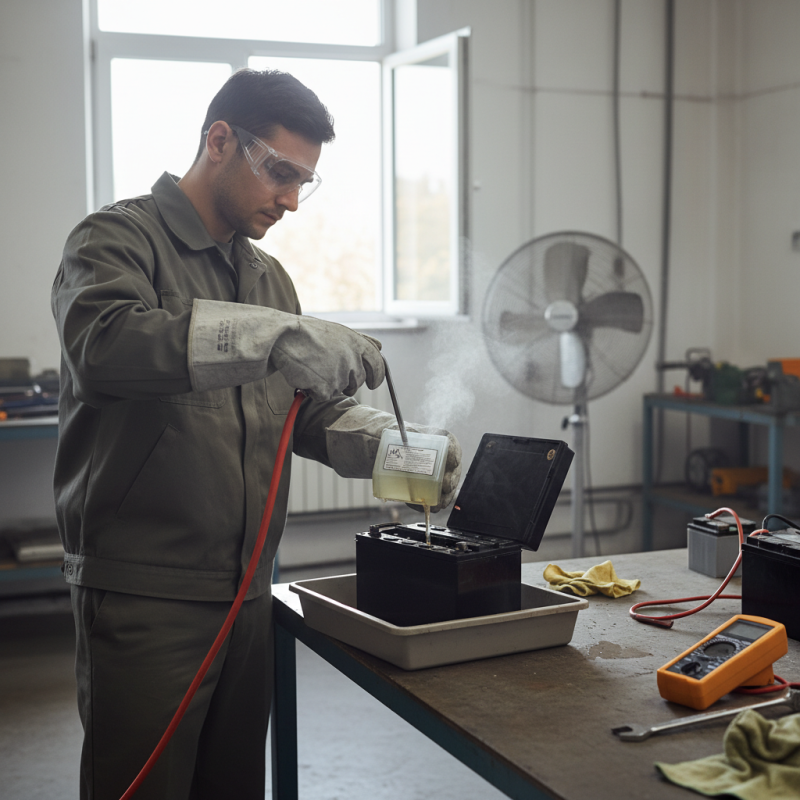
How to Safely Handle AGM Battery Acid?

Understanding AGM Battery Acid: Properties and Risks

AGM (Absorbent Glass Mat) batteries contain a unique acid electrolyte. This acid is less corrosive than traditional lead-acid options but can still pose risks. A report from the Battery Research Institute shows that improper handling can lead to skin burns and respiratory issues. Understanding its properties is essential for safety.

AGM battery acid is immobilized in glass mats. It reduces the risk of spillage. However, battery venting can release harmful gases. According to safety data, 30% of battery-related injuries are due to inadequate ventilation. Always work in a well-ventilated space when handling these batteries.

Proper protective gear is needed. This includes gloves and goggles. A study from the National Safety Council emphasized that 80% of accidents could be avoided with proper equipment. Reflecting on past incidents, many injuries occurred due to neglect of safety protocols. Be aware. A small mistake can lead to significant consequences.

Essential Safety Gear for Handling AGM Battery Acid

How to Safely Handle AGM Battery Acid?

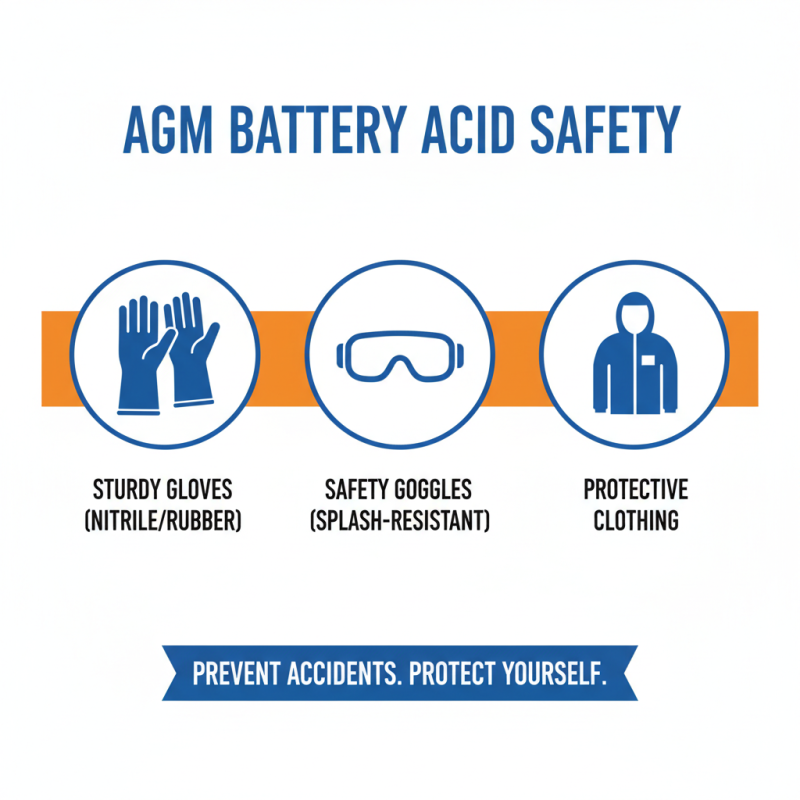
When handling AGM battery acid, safety is paramount. Essential safety gear can prevent accidents and health hazards. Start with sturdy gloves that cover your wrists. Nitrile or rubber gloves are ideal. These materials resist acid and protect your skin. Safety goggles should be worn to shield your eyes from any splashes. Opt for goggles with a snug fit for maximum protection.

A face shield can add extra defense, especially during more involved tasks. Protective clothing is also crucial. Wear long-sleeved shirts and pants made from durable fabric. This added layer acts as a barrier against spills. Close-toed shoes are important too, as they guard your feet from any leaking battery acid.

Sometimes, we overlook the value of a well-ventilated workspace. Acid fumes can be harmful. If you're using Agm V Lithium Battery components, ensure your work area is adequately ventilated. Taking a few simple steps can make a significant difference. Always double-check your gear before starting any task. Being proactive can prevent mishaps.

Step-by-Step Procedure for Safe Handling of AGM Battery Acid

Handling Agm Battery acid requires careful steps to ensure safety. Always wear protective gear. This includes gloves, goggles, and face shields. The acid can cause serious burns. Keep a first aid kit nearby in case of spills.

When working with Agm Batteries, inspect for any leaks. If you notice any, do not attempt to fix it without protective gear. Use a suitable acid absorbent material to contain spills. Properly label containers when storing used acid.

Tips: Keep a ventilation fan running in your workspace. If you feel dizzy, step outside for fresh air. Also, properly dispose of any acid waste according to local regulations. Remember that even a small mistake can lead to major accidents, so double-check your work. Always reflect on your processes to improve safety standards.

Proper Storage and Disposal of AGM Battery Acid

When handling AGM battery acid, proper storage and disposal are crucial. Agm Car Battery acid is corrosive and can harm both people and the environment. Always wear protective gear, including gloves and goggles. Avoid direct contact with the acid. Store used batteries in a dry, cool area, away from flammable materials. Use sturdy containers that can prevent leaks or spills. This reduces the risk of accidental exposure.

Disposal of AGM battery acid should be done responsibly. Never pour acid down the drain or throw it in regular trash. This can lead to serious ecological damage. Instead, locate a hazardous waste facility or battery recycling center. Some community programs offer collection events for used batteries. It’s vital to remain informed about local regulations regarding battery disposal. Many people overlook the significance of these steps. Reflecting on the consequences of improper disposal can help highlight the importance of safe practices in handling AGM car battery acid.

Emergency Response for Acid Exposure and Spills

When dealing with AGM battery acid, immediate response to spills and exposure is crucial. The National Institute for Occupational Safety and Health (NIOSH) states that sulfuric acid can cause severe burns. In a recent industry report, over 30% of workers reported skin injuries from improper handling. This highlights the need for stringent protocols.

In case of acid exposure, rinse the skin with copious amounts of water for at least 15 minutes. This can minimize damage and prevent further injury. For spills, absorb the acid with baking soda or sand. These materials can neutralize the acid effectively. However, using water on an acid spill can create hazardous situations. According to safety guidelines, proper personal protective equipment is essential. Gloves, goggles, and face shields can prevent injuries.

Proper training is often overlooked. Despite the available resources, many individuals are not adequately informed. An internal review found that only 40% of staff had received proper training on AGM battery safety. Regular safety drills can reinforce knowledge and prepare individuals for actual emergencies. This is crucial in minimizing hazards and ensuring a safer workplace.

Preventative Measures to Avoid AGM Battery Acid Incidents

Handling AGM battery acid requires careful attention to safety. Key preventative measures can significantly reduce the risk of incidents. The National Fire Protection Association (NFPA) reports that improper handling accounts for 30% of battery accidents. Proper training on Agm Marine Battery management is essential for both novice and experienced users.

Always wear personal protective equipment (PPE), including gloves and goggles. This reduces the likelihood of acid contact with skin or eyes. It is also essential to store AGM batteries in a cool, dry area away from direct sunlight. According to the Occupational Safety and Health Administration (OSHA), exposure to battery acid can cause severe injuries. Keeping a neutralizing agent nearby can help mitigate spills effectively.

Regularly inspect batteries for damage or leaks. The Battery Council International highlights that visual inspections can prevent 40% of potential hazards. If an AGM marine battery shows signs of wear, it should be handled with care. Responding quickly with the correct tools can minimize accidents. Always remember, a lack of awareness can lead to hazardous situations. Adopting a proactive approach to safety is crucial.

Regulatory Guidelines and Best Practices for AGM Battery Management

Handling AGM battery acid requires careful attention to regulatory guidelines. Personal protective equipment (PPE) is essential. Always wear gloves, goggles, and protective clothing to minimize exposure. Store batteries in a cool, dry place to prevent leaks. Understand local regulations regarding battery disposal and recycling.

Tips: Always check for cracks or leaks before handling a battery. This can prevent unexpected spills. Additionally, familiarize yourself with the Material Safety Data Sheet (MSDS) for specific information on handling and first aid procedures.

Best practices involve maintaining the battery environment. Avoid extreme temperatures and ensure proper ventilation. Regular inspections can help detect potential issues early. When working in teams, communicate effectively to ensure everyone's safety. Contingency plans for spills should be in place.

Tips: Have absorbent materials ready for quick cleanup if needed. Practice proper lifting techniques to avoid physical strain when moving batteries. Reflect on your practices regularly to ensure safety measures are effective.

FAQS

: What is the main purpose of this product?

: The product is designed to improve daily productivity. It supports organization and helps manage time effectively.

How can I use this product?

Use it daily to track tasks. You can set goals and monitor your progress over time.

Are there any side effects?

Some users report feeling overwhelmed with too many features. It's important to choose what you need.

Can it be used for team collaboration?

Yes, it can facilitate teamwork. Make sure everyone understands how to use it effectively.

What if I'm not tech-savvy?

The product offers tutorials and guides. Take time to explore them and practice using it.

How can I provide feedback on my experience?

You can submit your thoughts through the feedback section. Constructive criticism helps improve the product.

Is there a money-back guarantee?

Yes, a guarantee is available for unsatisfied customers. Consider the terms before making your purchase.

Can I customize settings?

Customization options are available. Experiment with them to find what works best for you.

How does it help with long-term goals?

It allows you to break down goals into manageable tasks. Regular tracking can increase motivation and clarity.

What should I do if I feel frustrated?

Take a break and reassess your approach. Sometimes stepping back gives new insights.

Conclusion

AGM battery acid, a critical component in advanced glass mat batteries, poses various risks if not handled properly. Understanding its properties and associated hazards is essential for ensuring safety. Essential safety gear, including gloves and goggles, should always be worn while handling AGM battery acid. A systematic approach to handling this acid is vital; this includes carefully transporting it, using appropriate tools, and ensuring correct procedures are followed to minimize exposure and spills.

Additionally, proper storage and disposal practices must be adhered to, as incorrect management can lead to accidents. In case of exposure or spills, a clear emergency response plan should be in place to mitigate effects. Implementing preventative measures can significantly reduce risks associated with AGM battery acid incidents. Moreover, adhering to regulatory guidelines and best practices contributes to the safe management of AGM battery systems and the health of handling personnel.

Ethan

Ethan

Ethan is a dedicated marketing professional at Fujian Minhua Power Co., Ltd., where he leverages his extensive expertise in the power supply industry to drive brand awareness and customer engagement. With a strong focus on the company's revolutionary energy solutions, including advanced battery......
Previous How to Choose the Right Lithium Battery for Your Energy Storage Needs