In today’s fast-changing world of energy storage, Battery Plates are more important than ever. As both consumers and industries are pushing for better performance and efficiency from their power sources, getting to know how Battery Plates work becomes super important if you want to maximize battery life and get the best performance.
FUJIAN MINHUA POWER SOURCE CO., LTD., proud creator of the popular MHB Battery since 1992, has been leading the charge in this field. Their team of nearly 2,000 folks based in Longqiao Industrial Park, Anxi Economic Development Zone, Fujian, works tirelessly to push innovation forward.
In this blog, we’re diving into the ultimate showdown—comparing different types of Battery Plates and what those differences mean for performance and longevity. We’ll also be sharing insights from MHB Battery’s vast experience and their dedication to improving battery tech. So, join us as we unpack what really makes a Battery Plate high quality and efficient, and how all this shapes the future of energy storage technology.
Understanding Battery Plate Designs: What You Need to Know
When it comes to battery performance, the design of the battery plates really makes a big difference in how well they work and how long they last. Think of battery plates as some of the most essential parts—how they're built can drastically affect things like energy density and how quickly the battery charges or discharges. I read in a report by Allied Market Research that the global battery market is projected to hit around $173 billion by 2025, which just shows how important smart, innovative designs are for boosting performance.
A key thing to consider in designing these plates is material choice. Take lead-acid batteries, for example—they usually use lead plates, but you can make them better by adding specific substances to improve conductivity. On the other hand, lithium-ion batteries tend to favor lighter, more efficient materials like aluminum or copper. These materials help increase the surface area relative to size, which means more energy output. I came across a study from the National Renewable Energy Laboratory that pointed out how better plate design can boost efficiency by about 15-20%. That's a pretty significant jump, highlighting how smart design can really improve energy storage.
Another thing that matters a lot is how the surface of these plates is treated. Techniques like etching or coating can really enhance their electrochemical properties, leading to better performance under various conditions. Research published in the Journal of Power Sources shows that with well-designed plates, batteries can handle higher temperatures and still keep their efficiency, which also means they tend to last longer. All in all, improvements in battery plate design aren’t just about getting better performance—they’re also key to meeting the rising demands in sectors like electric vehicles and renewable energy. So yeah, it’s pretty exciting stuff!
Key Factors Influencing Battery Plate Efficiency
When it comes down to squeezing the most out of your battery performance, the efficiency of those battery plates really makes a huge difference. The way these plates are designed and what they're made of directly impacts how much energy they can store, how quickly they charge and discharge, and how long they last overall. Some key factors that influence their efficiency include the choice of materials, the surface area, and the manufacturing process. For example, using advanced materials like lead alloys can boost conductivity and durability, which helps your batteries perform better in different temperatures and load conditions.
Another biggie is the surface area of the plates. The larger the surface, the more electrochemical reactions can happen, which basically means faster charging and discharging. The manufacturing methods, like how thick the plates are and their surface texture, also play a role in overall efficiency. Techniques like embossing or adding tiny microstructures can reduce internal resistance and push the energy output even further. By paying attention to these details, manufacturers can make battery plates that not only work better but also last longer across a variety of uses.
Top 5 Materials for High-Performance Battery Plates
When it comes to getting the most out of your batteries, choosing the right materials for the plates is a pretty big deal. Studies have shown that picking the right stuff can really boost both how much energy they hold and how many charge cycles they can handle. Now, if you ask most folks, lead-acid plates are still pretty popular — they’re budget-friendly and reliable, even though they don’t pack quite the same punch in terms of energy density compared to more modern options. In fact, according to a recent report from the International Energy Agency, lead-acid batteries make up about 40% of the whole global market, mainly because they're widely used in cars and other vehicles.

That said, lithium-ion tech has been rapidly gaining ground when it comes to performance. It uses materials like cobalt and nickel in its electrodes, which help it achieve a much higher energy density. A study published in the Journal of Power Sources points out that lithium-ion batteries can push beyond 250 Wh/kg — talk about a big jump from traditional lead-acid types! Plus, there’s some exciting progress happening with solid-state batteries, which use things like lithium metal and ceramic electrolytes. These new designs promise to make batteries safer and more powerful. As everyone’s craving more energy-efficient tech, picking the best materials for those battery plates is going to be a major factor shaping where energy storage goes in the future.
Comparing Lead-Acid vs. Lithium-Ion Battery Plates
When you're trying to pick the right battery plates, you'll often hear about two big names: Lead-Acid and Lithium-Ion. Lead-Acid batteries have been around forever and are pretty much the go-to for many applications because they’re tough and typically cheaper upfront. According to the latest from the Battery Council International, they can handle up to 2000 charge and discharge cycles — which makes them great for things like cars and backup power systems. But, the catch is, they’re heavy and don’t pack quite as much energy into their size, so they might not be the best choice for more modern, portable uses.
Now, Lithium-Ion batteries are kinda stealing the spotlight these days, thanks to being lighter and holding a lot more energy. Some studies say they can last up to 5000 cycles, meaning they don’t need replacing as often, which actually saves you money in the long run—even if they cost a bit more upfront. Plus, they charge faster, making them super popular for gadgets and electric vehicles.
**Heads-up:** When you’re choosing between these two, think about what you really need. If you care about weight and how many times it can be charged, Lithium-Ion might be the way to go.
**Pro tip:** Don’t forget to weigh your budget against the long-term costs. Going for Lithium-Ion could save you cash over time since you won’t have to replace them as often. On the flip side, Lead-Acid batteries tend to be cheaper at the start, but that might change down the line.
In the end, understanding what each type brings to the table — and its limits — is key to making a smart choice that fits your needs.
The Ultimate Showdown of Battery Plates for Optimal Performance
Tips for Maintaining Your Battery Plates for Longevity
Taking good care of your battery plates is super important if you want them to perform well and last longer. One simple but really effective tip? Regularly cleaning those battery terminals and plates. Over time, dust and corrosion tend to build up, and that can mess with how efficiently your battery works. Just mix some baking soda with water and give the plates a gentle scrub—it's a quick fix that helps remove gunk that could cause electrical resistance.
And don’t forget about checking the fluid levels! If the electrolyte gets too low, it can leave the plates exposed, which isn’t great and can cause damage or cut down the battery’s lifespan. Make it a habit to peek and top off with distilled water when needed. Keeping the electrolyte topped up not only protects the plates but also helps your battery run at its best.
Oh, and one more thing—try to keep your battery charged and avoid letting it drain completely too often. Deep discharges put extra stress on the plates and can actually shorten their lifespan. Using a smart charger that adjusts charging speed based on your battery’s needs can make a big difference in keeping it healthy and lasting longer. If you follow these simple maintenance tricks, your battery plates are gonna stay in top shape for years to come.
Performance Testing: How to Evaluate Battery Plates
When you're checking out battery plates, doing some performance tests really matters if you want them to work well and last a long time. The Battery Council International points out that how well a lead-acid battery works can depend a lot on the materials and the design of its plates. In fact, testing different types of plate setups in a controlled setting showed that plates with more advanced grid designs can pack up to 20% more energy. That’s pretty cool because it not only boosts performance but also helps keep the batteries lighter and smaller—making them way more practical for today’s gadgets and vehicles.
And it’s not just about the shape or grid design—what’s in the plates matters too. A recent study in the Journal of Power Sources highlighted that using lead alloys with less antimony can actually extend the life cycle of these plates by up to 30%. Plus, performance testing should also check how batteries handle temperature swings. Batteries that face really hot or cold conditions might not perform as expected or could even fail sooner. By understanding these little details, both manufacturers and folks like us can pick batteries that are reliable and efficient for whatever we need them for.
The Ultimate Showdown of Battery Plates for Optimal Performance
| Plate Type | Material | Thickness (mm) | Weight (kg) | Capacity (Ah) | Cycle Life (cycles) | Performance Rating (1-10) |
| Lead Acid | Lead Alloy | 1.5 | 15 | 100 | 300 | 7 |
| Lithium-ion | Lithium Cobalt | 1.0 | 5 | 150 | 2000 | 9 |
| AGM | Absorbent Glass Mat | 2.0 | 12 | 90 | 600 | 8 |
| Gel | Silica Gel | 1.8 | 13 | 110 | 700 | 8 |
Maximize Your Power Supply: Essential Insights on MHB 12V 100Ah GEL Battery for Optimal Performance
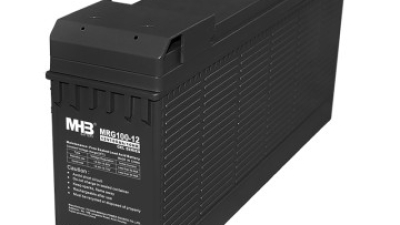
When it comes to power supply solutions, maximizing performance is critical, especially in applications demanding reliability and longevity. The MHB 12V 100Ah GEL Battery stands out as a top choice for those seeking not only deep-cycle capabilities but also a maintenance-free experience. Thanks to its high-purity gel electrolyte and quality plates, this battery ensures a prolonged cycle life, making it ideal for both residential and commercial use.
In addition to its impressive specifications, the MHB 12V 100Ah GEL Battery is factory-direct certified, meeting CE, UL, ISO, and RoHS standards. This means you can trust in its safety and quality, which is essential for any power source in your setup. Whether you're powering renewable energy systems, electric vehicles, or marine applications, this battery offers a level of reliability that users have come to expect. Plus, with wholesale supply options, accessing this high-performance battery has never been easier. Embrace optimal performance and efficiency with the MHB 12V 100Ah GEL Battery and experience the difference in your power supply needs.
FAQS
: Key factors include material selection, surface area, and the manufacturing process.
Using advanced materials, such as lead alloys, enhances conductivity and resilience, improving performance in varying temperatures and loads.
A higher surface area allows for increased electrochemical reactions, leading to faster charge and discharge cycles.
Techniques like embossing or adding microstructures can minimize internal resistance and maximize energy output.
The top materials include lead-acid, lithium-ion (utilizing cobalt and nickel), and emerging solid-state technologies leveraging lithium metal and ceramic electrolytes.
Lead-acid batteries are cost-effective and reliable, accounting for about 40% of the global battery market, especially in automotive applications.
Lithium-ion batteries can achieve energy densities exceeding 250 Wh/kg, outperforming traditional lead-acid batteries which offer lower energy density.
As demand for energy-efficient solutions grows, selecting optimal materials will be pivotal in advancing energy storage systems.
Solid-state batteries are leveraging materials like lithium metal and ceramic electrolytes to enhance safety and energy performance.
By focusing on optimizing key elements such as material and surface area, manufacturers can create battery plates that perform better and have a longer lifespan.
Conclusion
In our piece, 'The Ultimate Showdown of Battery Plates for Optimal Performance,' we really dig into the details of how different battery plates are designed and why they’re such a big deal when it comes to getting the best performance out of a battery. Honestly, understanding the different materials used for plates and what each one brings to the table is super important if you want your batteries to run at their best. We’ve rounded up the top five materials that are perfect for battery plates, so you’ll get a pretty clear idea of what works well. On top of that, we compare lead-acid to lithium-ion battery plates, highlighting what makes each one unique—it's pretty eye-opening stuff. We also share tips on how to care for your battery plates to keep them lasting longer, plus some handy methods for testing their performance. All in all, this guide aims to give you a full picture of how to squeeze the most out of your batteries and keep them running smoothly.
By the way, at FUJIAN MINHUA POWER SOURCE CO., LTD., we've been around since 1992, making top-quality battery solutions. Our team’s been hands-on in developing battery plates that meet industry standards and satisfy our customers’ needs. Whether you’re trying to boost performance or just want your batteries to last longer, knowing these key things about battery plates really makes a difference. It’s all about understanding what’s under the hood and how to get the most out of your battery tech.