These days, it feels like everyone’s talking about the need for reliable energy solutions. It’s no wonder—power outages are happening more often, and both folks and businesses really need solid backup options. You know, those Ups Back Up Battery systems? They’ve become pretty much a must-have if you want to keep the lights on and avoid disruptions. According to the International Energy Agency, the demand for energy storage is expected to hit around 630 GWh by 2030—pretty staggering numbers, right?
Experts in the industry keep emphasizing how important it is to go for high-quality backup systems. Mark Thompson, who’s a well-respected analyst over at Energy Solutions Research Group, mentions that investing in a strong Ups Back Up Battery isn’t just smart; it’s essential for keeping businesses running smoothly. With our increasing dependence on digital tech, having a reliable backup can save you from losing vital data or facing downtime when the power flickers out.
Of course, not all backup systems are equal. Some might promise a lot but don’t quite deliver in real-world performance. So, it’s really important for buyers to do their homework. Picking a reputable provider means you’re more likely to get a product that’s durable and dependable in the long run. As technology keeps advancing, it’s smart to look back at past choices and tweak your strategy so you stay resilient in the long run.

Top Features to Consider When Choosing a UPS Backup Battery
When selecting a UPS backup battery, several key features stand out. First, battery capacity matters. Measured in volt-amperes (VA), the capacity determines how much load a UPS can handle. Ensure you choose a model that meets your power requirements. Too low a capacity can lead to frequent shutdowns, which may risk data loss or equipment damage.
Next, consider the runtime. This indicates how long the UPS can maintain power when the main supply fails. A shorter runtime may not suit critical applications. Look for options with flexible runtime configurations. Additionally, pay attention to the type of battery. Some use lead-acid, while others utilize lithium-ion. Lithium-ion batteries often offer longer life and lighter weight. However, they come at a higher price point.
Remember to look at additional features like surge protection. This can shield your devices from voltage spikes during outages. Compatibility with monitoring software can also enhance functionality. You might find a model that offers advanced features like remote management. Nonetheless, don't overlook user reviews and expert opinions. They often reflect real-world performance and reliability. Balancing features with your specific needs is crucial for making a wise decision.
Understanding Different Types of UPS Systems and Their Applications
When considering Ups Systems, it's essential to understand their types and applications. The most common UPS systems include standby, line-interactive, and online variations. Standby UPS systems are cost-effective and ideal for personal computers and small equipment. They switch to battery power when the main supply fails. This system effectively protects against basic power issues.
Line-interactive UPS units offer more protection, particularly against fluctuations. They condition the voltage and can be a better choice for networking devices. Online UPS systems provide the highest level of protection. They continuously supply power while isolating devices from the input source. This is crucial for servers and critical installations.
Tips: When selecting a UPS, consider battery runtime. It should match the expected outage duration. Evaluating load capacity is necessary; too much load can lead to early battery failure. Not all UPS systems are equally reliable. Regular maintenance checks can help identify potential issues before they escalate. Remember, the right Battery Back Up Generator can save valuable data and ensure device longevity.
Top 10 UPS Back Up Battery Options for Global Buyers
| Model | Capacity (VA) | Battery Type | Runtime (Minutes) | Features |
| UPS Model A | 1500 VA | Lithium-ion | 30 | Smart control, LCD display |
| UPS Model B | 1000 VA | Sealed Lead Acid | 20 | Compact design, USB connectivity |
| UPS Model C | 2000 VA | AGM | 40 | Extended warranty, network management |
| UPS Model D | 3000 VA | Gel | 50 | Noise filtering, LCD touchscreen |
| UPS Model E | 500 VA | LiFePO4 | 15 | Portable, lightweight |
| UPS Model F | 1200 VA | Sealed Lead Acid | 25 | Overload protection, LED indicators |
| UPS Model G | 1500 VA | Lithium-ion | 35 | Smart outlet management, energy-saving |
| UPS Model H | 2200 VA | AGM | 45 | Hot-swappable batteries, graphical display |
| UPS Model I | 800 VA | Gel | 20 | Compact design, affordable |
| UPS Model J | 1800 VA | Lithium-ion | 40 | Wi-Fi monitoring, surge protection |
Market Trends: Growth of the UPS Backup Battery Industry Worldwide
The UPS backup battery industry is witnessing significant growth. Increased digitization in various sectors drives this demand. Businesses and homeowners are seeking reliable energy solutions. Backup batteries ensure uninterrupted power in emergencies. This need amplifies the market potential for these systems.
Tips: When selecting a UPS system, consider the energy load needed during outages. Evaluate your power requirements before investing. A higher capacity may be necessary for sensitive equipment.
The rise of remote work also fuels this trend. Many individuals require stable power sources for home offices. A battery backup for house applications can help prevent disruptions. However, some users may overlook maintenance needs. Regular checks are essential for optimal performance. Neglecting these can lead to failures at critical times.
In conclusion, the UPS industry evolves with technology. Buyers must be informed to make wise choices. Balancing cost, capacity, and maintenance will ensure long-term satisfaction. This market remains poised for further expansion.
Comparative Analysis of Lithium-Ion vs. Lead-Acid UPS Batteries
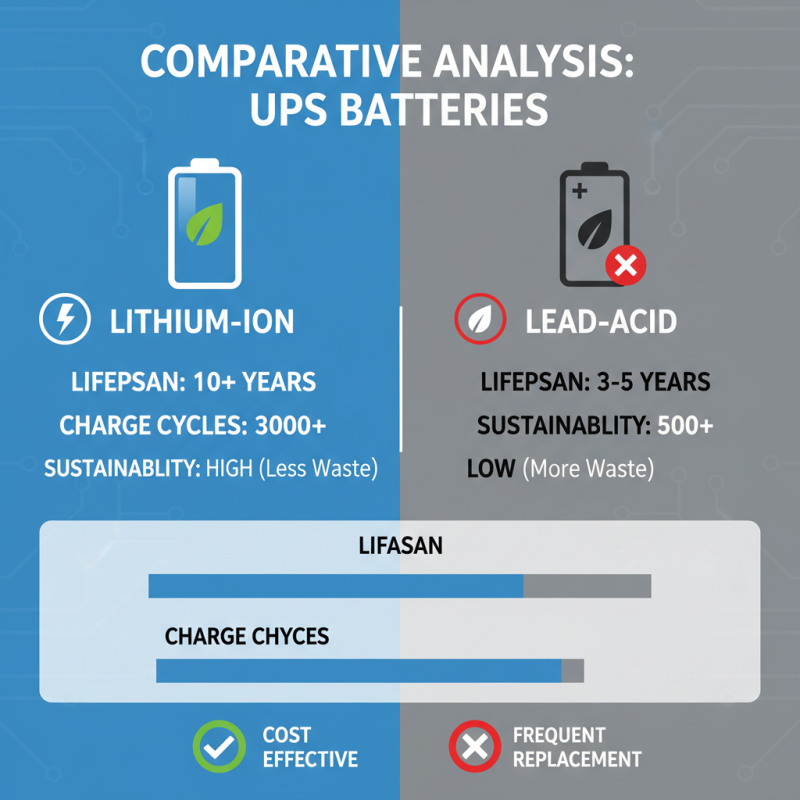
When comparing lithium-ion and lead-acid UPS batteries, their performance differs significantly. Lithium-ion batteries typically have a longer lifespan, lasting up to 10 years, while lead-acid batteries usually last around 3 to 5 years. A recent industry report highlights that lithium-ion batteries can provide up to 3000 charge cycles, compared to only 500 for lead-acid options. This extended lifecycle results in lower replacement costs and less waste, making lithium-ion a more sustainable choice.
Energy density is another crucial factor. Lithium-ion batteries can store more energy in a smaller volume. They have about three times the energy density of lead-acid batteries. This means that less space is needed for the same power, which is essential in environments where space is limited. Furthermore, lithium-ion models charge faster. A 2019 study indicated that they can be charged up to 80% in just one hour, while lead-acid batteries often take up to eight hours for a full charge.
Despite these advantages, lithium-ion batteries come with higher upfront costs. These costs can deter some buyers. Lead-acid options remain the most familiar and widely available, making them a go-to for many businesses. The choice often depends on specific needs, operational budget, and space considerations. Ultimately, understanding these differences helps buyers make informed decisions.
Key Performance Metrics: Runtime, Capacity, and Load Capacity Explained
When considering backup battery options for UPS systems, key performance metrics must take center stage. Runtime, capacity, and load capacity are vital to understand. Runtime refers to how long the battery can supply power during an outage. It is essential to calculate this based on equipment needs. A battery with a longer runtime may be necessary for critical systems. But not every situation requires a high-end battery with extensive runtime.
Capacity, measured in amp-hours, indicates how much energy a battery can store. A higher capacity allows for more devices to be connected without draining power quickly. However, it's important to match capacity with the actual load requirements. Overestimating capacity can lead to inefficient spending. Load capacity refers to the maximum output the battery can deliver. This metric should align with your devices' total wattage requirements.
Importantly, evaluating these metrics helps consumers make informed decisions. Many buyers overlook the balance between runtime and capacity. This oversight can lead to unexpected downtime. Each application is unique, necessitating a tailored approach to backup solutions. Misjudgments in selecting the right battery type can bring about significant challenges. Therefore, thorough assessment is crucial to avoid pitfalls.
Cost-Effectiveness: Evaluating Price Points for Global Buyers
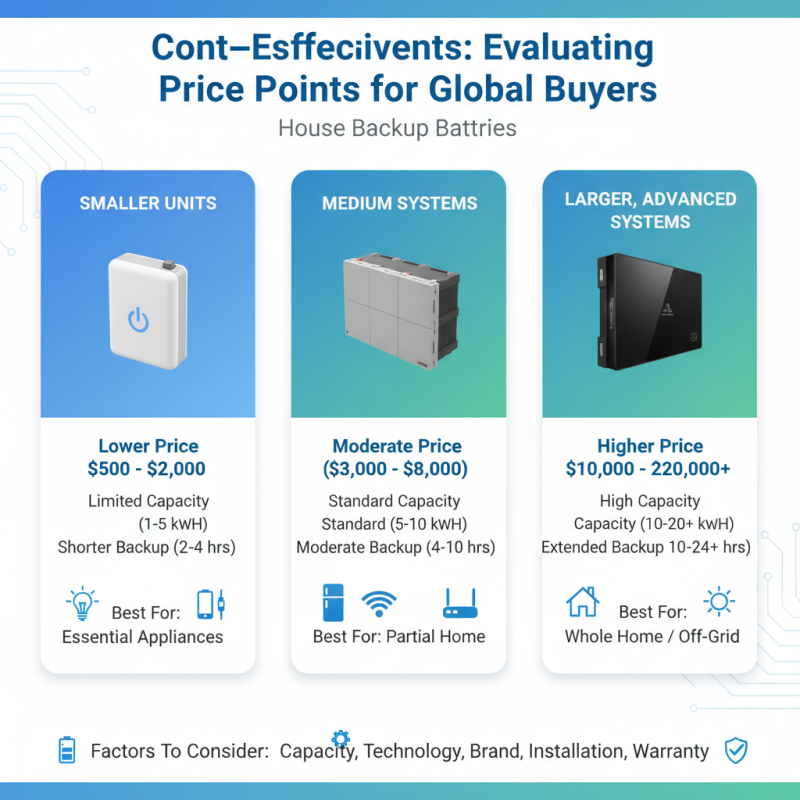
When considering the cost-effectiveness of house back up batteries, multiple factors come into play. Price points vary widely, making it essential for global buyers to evaluate options carefully. Typically, battery systems range from a few hundred to several thousand dollars, influenced by capacity and technology. Smaller units may be less expensive, but they often provide limited backup time. Larger, more advanced systems offer extended support, suitable for high-energy needs.
Quality and durability also impact overall value. A cheaper battery may save money upfront but can end up costing more over time. Inefficient systems may require replacement sooner, negating initial savings. It's crucial to assess warranties and reliability claims. Buyers should consider the total cost of ownership rather than just the sticker price. Look for reviews and expert opinions to make informed decisions.
Incorporating renewable energy sources can enhance cost-effectiveness. Batteries paired with solar panels can provide significant savings. However, installing these systems requires an upfront investment. Buyers should also weigh local incentives and rebates when calculating costs. Ultimately, understanding the unique energy demands of your home is vital before making a decision on a House Back Up Battery.
Safety Standards and Certifications for UPS Backup Batteries
When considering a Back Up Battery For House systems, safety standards are paramount. Look for batteries that meet international certifications like IEC, UL, or CE. These certifications ensure that the batteries undergo rigorous testing. This protects users from potential hazards, including short circuits or fires. Many buyers overlook this aspect. It's critical to prioritize safety when selecting a power solution.
It's beneficial to check the product manuals or labels for safety certifications. Choose a back up battery for house that includes user-friendly installation guides. This can reduce the installation errors that new users often make. Regular maintenance checks are essential too. Users frequently forget to monitor battery health. A neglected battery can lead to unexpected failures.
Battery performance varies based on the brand and design. Pay attention to the lifespan ratings and cycle counts. A longer cycle life usually means better reliability. However, remember that ratings may not reflect real-world performance perfectly. Home users might experience variations due to differing environmental factors. Always align expectations with actual performance metrics to ensure your back up battery serves its purpose effectively.
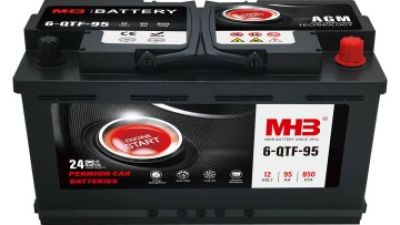
Maximizing Vehicle Performance: The Benefits of Upgrading to the 12V 95AH Car Battery MHB 6-QTF-95
Upgrading to a 12V 95AH car battery can significantly enhance your vehicle's performance, especially for those who rely on mid-to-large-sized cars, SUVs, ATVs, and cruisers. The MHB 6-QTF-95 battery stands out as a top-tier choice due to its robust design and reliable functionality. With its 95AH capacity, it delivers an excellent balance of power and endurance, ensuring your vehicle runs smoothly and efficiently. Whether you're navigating city streets or venturing off-road, having dependable energy storage is crucial for maintaining optimal performance.
One of the most compelling advantages of the MHB 6-QTF-95 is its resilience to extreme temperatures. This battery has been rigorously tested under various conditions, confirming its reliability across a wide range of environments. Its fully sealed structure not only reduces the need for maintenance but also contributes to its environmentally friendly profile, as it is designed to be recycled. By opting for this battery, you are investing in a sustainable power source that meets the demands of modern automotive needs while ensuring peak performance for your vehicle.
FAQS
: Battery capacity is crucial. It determines how much load the UPS can manage.
Look for models with flexible runtime options. Short runtimes may not be suitable for critical tasks.
Common types include lead-acid and lithium-ion. Lithium-ion tends to last longer but costs more.
Surge protection shields devices from voltage spikes during outages, preventing damage.
Lithium-ion batteries have longer lifespans and faster charging times than lead-acid counterparts.
Yes, they offer longer life and lower replacement costs, but the initial investment is higher.
Evaluate the total cost of ownership, not just initial prices. Quality and durability matter.
Yes, pairing batteries with solar panels can lead to significant savings over time.
Look for user reviews and expert opinions. They provide insights into real-world performance.
They may save money initially but can cost more in the long run due to replacements.
Conclusion
When selecting a UPS back up battery, it's essential to consider various features, such as runtime, capacity, and load capacity. Different types of UPS systems, including online, offline, and line-interactive options, cater to specific applications, impacting their performance and suitability for diverse environments. The UPS backup battery industry has seen significant growth globally, driven by increasing demand for reliable power solutions.
A comparative analysis reveals that lithium-ion batteries offer advantages like longer life and lighter weight over traditional lead-acid options. Cost-effectiveness is a crucial factor for global buyers, necessitating a careful evaluation of price points against performance metrics. Furthermore, adherence to safety standards and certifications is vital for ensuring user security and product reliability in the increasingly competitive UPS back up battery market.