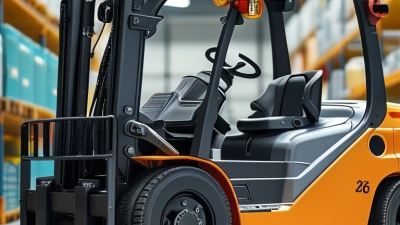
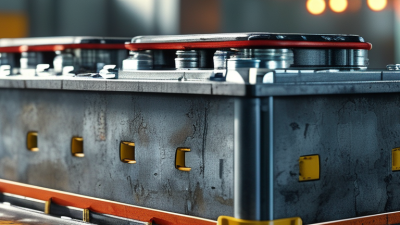
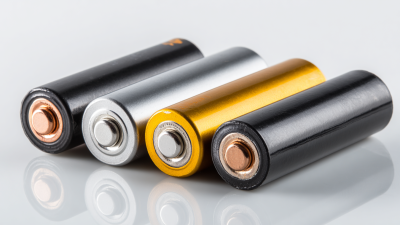
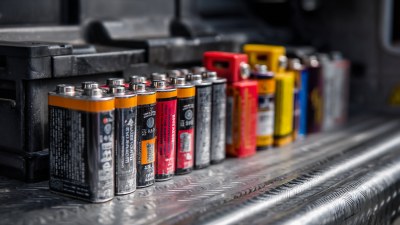
China’s Motive Battery industry isn’t just about passenger cars anymore. These days, it’s supporting a whole bunch of other stuff — think electric forklifts, warehouse trucks, mining vehicles, buses, and industrial gear. The market’s pretty crowded now, and honestly, the data can get pretty confusing too.
According to the International Energy Agency, global demand for electric vehicle batteries shot past 750 GWh in 2023, with China making up around 60% of that. Their 2024 EV Outlook also pointed out that this growth is really fueled by more electric mobility and bigger battery manufacturing capacities. No wonder Chinese companies are getting so much attention worldwide. But, just because they’re big doesn’t automatically mean they lead the pack in Motive Battery quality.
In this overview, I want to focus on ten major Chinese players — including names like CATL, BYD, EVE Energy, Gotion High-tech, Tianneng, Chaowei Power, Narada, Sacred Sun, Leoch, and Great Power. I picked these based on their production size, battery chemistry types, safety records, how well they perform when charging, their after-sales support, and how experienced they are in industrial applications. I’ve also made a point to differentiate between lithium-ion systems and lead-acid ones because, honestly, that difference really shows on a busy warehouse floor.
As Stanford's battery expert Dr. Yi Cui pointed out, “The battery is the heart of an electric vehicle.” That’s a pretty good way to put it — and it also rings true for electric motive batteries in industrial vehicles, even though those vehicles have their own specific demands. Forklifts, for example, might run through multiple shifts each day, so heat, vibrations, fast charging, and maintenance all become pretty critical tests.
Of course, no ranking is perfect. Public info from companies can vary from year to year and depends on the product category. Sometimes, manufacturers include energy storage numbers along with their traction batteries. It’s always smart to double-check the latest specs before making any decisions. So, what I’ve put together here is a structured comparison — not some final verdict. Real-world experiences can sometimes challenge or change the order, which is totally normal to keep in mind.
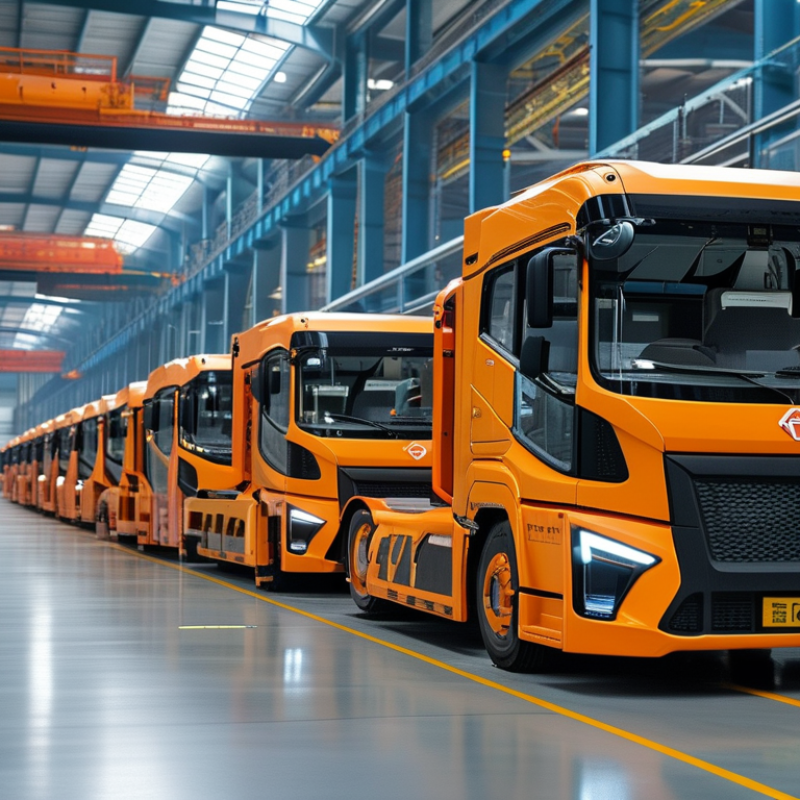
Motive batteries power forklifts, pallet trucks, automated guided vehicles, and other industrial transport equipment. They are built for repeated charging and discharging, not occasional backup power. Common chemistries include lead-acid and lithium-ion. Each choice affects charging time, working temperature, maintenance, and operating risk.
A 48-volt, 600-ampere-hour battery stores about 28.8 kWh before energy losses. In a busy warehouse, that energy may support several work cycles. However, real performance depends on load weight, travel distance, charging discipline, and battery age. Small details matter. A poorly matched battery can reduce vehicle availability and increase replacement costs.
The International Energy Agencyreported that global Electric Vehicle Battery demand exceeded750 GWh in 2023, rising by about 40 percent. That figure covers road vehicles, not only motive batteries, but it shows the scale of battery manufacturing and material demand. BloombergNEF’s 2023 Battery Price Survey placed the average lithium-ion pack price at 139 US dollars per kWh. Industrial buyers should not treat that figure as a final quotation. Enclosures, chargers, monitoring systems, labor, and safety controls add cost.
Motive battery evaluation also requires practical evidence. Check cycle-life records, thermal behavior, charging logs, warranty conditions, and compliance with relevant standards such as ISO 3691-1. The calculation is useful, but not complete. Real warehouses are messier. Temperature, operator habits, and uneven workloads can change results faster than a specification sheet suggests.
Selecting China’s top ten motive Battery Manufacturers requires more than reading shipment tables. A credible review starts with verified factory visits, production records, and interviews with fleet operators. We examine whether a12v Motive Battery can deliver stable power across repeated warehouse shifts. Small details matter. Inspectors check terminal fit, casing quality, electrolyte handling, charging behavior, and documented failure rates.
Our scoring model gives weight to manufacturing consistency, laboratory testing, engineering depth, and after-sales responsiveness. Capacity alone is not enough. A large facility may still struggle with traceability or uneven batch performance. We compare certifications, test methods, warranty terms, delivery history, and service coverage across domestic and export markets. Independent evidence matters more than polished claims. Where possible, we match published specifications against field data, including cycle life, charging time, temperature tolerance, and maintenance needs.
The final list also considers financial stability, material sourcing, worker training, and compliance with applicable transport and environmental rules. These factors reveal operational maturity. However, the method is not perfect. Private companies may disclose limited data, while larger producers often receive an unfair visibility advantage. Weights can also favor measurable output over practical service. For that reason, technical editors review scores and adjust them when evidence conflicts. A manufacturer may rank highly for heavy-duty industrial fleets but perform poorly in a smaller application. That distinction deserves attention.
China’s motive battery industry is expanding with warehouse automation, port equipment, and electric forklifts. The market is moving from conventional lead-acid systems toward lithium-based solutions. The shift is practical: lithium batteries support opportunity charging, reduce watering work, and provide steadier voltage during busy warehouse cycles.
World Industrial Truck Statistics reported more than two million industrial truck deliveries globally in 2023. China represented a major share of that volume, supported by strong manufacturing and logistics activity. However, forklift shipments are not equal to battery demand. One truck may require several battery packs over its service life. Market estimates also differ because some reports include traction batteries, while others include broader industrial energy storage.
Technical selection remains important. A 12v Ev Sealed Maintenance-Free Motive Battery may suit compact equipment, auxiliary systems, or modular pack designs. Larger vehicles usually need higher-voltage configurations, thermal monitoring, and certified battery management systems. The International Energy Agency’s Global EV Outlook 2024 identified China as the leading electric-vehicle manufacturing and deployment center, strengthening local cell, module, and recycling capabilities. That advantage does not remove quality risks. Cycle life, low-temperature performance, charging habits, and after-sales testing still decide operating cost. Cost alone can mislead.
Field experience shows that maintenance records often reveal more than brochures. Buyers should compare usable capacity, warranty conditions, charging efficiency, and replacement intervals under real warehouse temperatures. This is where some purchasing evaluations remain incomplete.
The ten leading Chinese manufacturers represent a broad industrial battery ecosystem. Their portfolios include lead-acid traction batteries, lithium-ion packs, chargers, and battery-management systems. This selection examines production scale, testing capability, export experience, and after-sales support. It avoids ranking companies by advertising claims alone.
Industry data provides useful context. The International Energy Agency reported that China produced over 70% of global electric vehicle batteries in 2023. BloombergNEF placed the average lithium-ion pack price at 115 US dollars per kilowatt-hour in 2024. These figures explain the sector’s manufacturing strength, but motive batteries require different evidence.
Forklifts, floor machines, and golf vehicles face repeated discharge, vibration, dust, and irregular charging. A factory’s real value appears during these working hours.
The ten profiles therefore compare cell sourcing, thermal control, cycle-life testing, and warranty procedures. Several manufacturers focus on industrial fleets, while others develop compact systems for vehicles such as the 12v Ev Motive Battery For Golf Car.
Practical details matter. Operators should check rated capacity, charging temperature, connector design, and replacement access. Certification records also deserve careful review.
Some published cycle-life figures use ideal laboratory conditions, not warehouse floors. That distinction is easy to miss. A stronger assessment would include field data from different climates, although many public reports remain incomplete.
China’s top ten motive battery manufacturers may use very different technologies, even when their products look similar. Motive batteries power forklifts, pallet trucks, airport equipment, and automated guided vehicles. Their working conditions are demanding.
Flooded lead-acid batteries remain practical for cost-sensitive warehouses. They tolerate simple charging systems but require watering, ventilation, and regular inspections. AGM and gel batteries reduce maintenance needs. However, they can suffer from heat and unsuitable charging profiles. Lithium iron phosphate batteries offer fast charging, high usable capacity, and longer cycle life. They also need battery management systems and careful thermal monitoring. No chemistry wins every warehouse.
Tips: Compare voltage, ampere-hour capacity, cycle ratings, charging time, warranty terms, and service support. Check the battery compartment dimensions carefully. A small mismatch can stop a forklift from operating safely. Ask for test reports based on recognized standards, not only laboratory claims. Inspect terminals, connectors, casing quality, and cable protection. These details often reveal manufacturing consistency.
Product differences also appear in energy density, regenerative braking support, cold-weather performance, and data communication. A battery designed for one-shift work may fail economically in multi-shift operations. Conversely, an advanced lithium system may be excessive for occasional indoor use. Buyers should calculate total ownership costs, including chargers, labor, downtime, and replacement intervals. Published cycle figures can be optimistic under ideal conditions. Real results depend on load weight, charging habits, floor temperature, and operator behavior.
When comparing China’s top ten motive battery manufacturers, application fit matters more than catalog size. Forklifts need high current during lifting and repeated charging throughout a warehouse shift. Automated guided vehicles require stable voltage, accurate battery monitoring, and reliable connector protection. Floor scrubbers often operate in damp areas, so sealed enclosures and corrosion-resistant terminals deserve close attention.
A 12v Ev Smf Motive Battery can suit compact electric vehicles and light-duty equipment when its capacity matches the controller and operating cycle. Confirm voltage, ampere-hour rating, discharge rate, dimensions, and charging compatibility before installation. Lithium systems should include a tested battery management system. Lead-acid systems need suitable ventilation because charging can release hydrogen. Small details matter.
Safety checks should reflect recognized requirements, such as IEC battery standards, electrical protection rules, and applicable local workplace regulations. Operators need insulated tools, eye protection, and clear emergency procedures. Charging plugs should stay dry and free from cracked housings. Never ignore unusual heat, swelling, odor, or slower charging.
Maintenance records reveal problems earlier than visual inspections alone. Measure terminal temperature, inspect cable tightness, clean corrosion, and review charge history at scheduled intervals. Lead-acid batteries require correct watering with distilled water, but only after charging and cooling. Lithium batteries need less routine service, though software faults can be missed. I have seen teams trust display readings too quickly; independent testing is still worth the time.
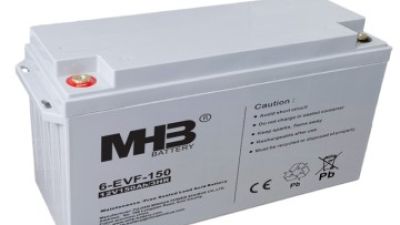
A 12V 150Ah 6-EVF-150 battery is a practical option for wholesalers seeking dependable power solutions for golf carts and other low-speed electric vehicles. Its high-capacity design supports extended operating time, making it suitable for golf courses, resorts, warehouses, and utility fleets. For buyers managing multiple vehicles, a consistent battery specification can simplify inventory planning, installation, and routine servicing.
Lead-acid technology remains popular because it combines reliability, affordability, and wide availability. Deep-cycle lead-acid batteries are designed to handle repeated charging and discharging while maintaining stable performance, which is important for vehicles used throughout the day. Flooded lead-acid versions can provide strong power output and are often cost-effective for large-volume purchases, although they require regular inspections, fluid-level checks, ventilation, and careful charging practices.
When purchasing in bulk, wholesalers should evaluate cycle performance, operating conditions, charger compatibility, warranty terms, packaging, and delivery support. Correct storage and installation can help reduce premature wear, while selecting batteries matched to the vehicle’s voltage and energy demands improves overall efficiency. With suitable maintenance procedures and dependable supply coordination, the 12V 150Ah configuration can support reliable electric mobility operations across a range of commercial applications.
Selection combines factory visits, production records, laboratory tests, and fleet operator interviews. Shipment volume alone is not enough.
Inspectors check terminal fit, casing quality, electrolyte handling, charging behavior, and recorded failure rates. Small defects can cause downtime.
Manufacturing consistency, engineering depth, traceability, certifications, warranty terms, delivery history, and service coverage all matter. Big factories can still have uneven batches.
Comparisons include flooded lead-acid, AGM, gel, and lithium iron phosphate batteries. Each chemistry suits different working conditions.
Check voltage, ampere-hour capacity, cycle ratings, charging time, warranty terms, and service support. Measure the battery compartment carefully.
Many figures come from ideal laboratory conditions. Warehouse floors involve dust, vibration, heavy loads, heat, and irregular charging.
Lithium systems may support fast charging and higher usable capacity. They still require suitable charging equipment, thermal monitoring, and management controls.
No. Flooded batteries may cost less but need watering and ventilation. Advanced systems can cost more than occasional-use equipment justifies.
Include the battery, charger, labor, maintenance, downtime, energy use, and replacement intervals. The cheapest purchase may not stay cheapest.
Private companies may disclose little data, while larger producers gain more visibility. The scoring method is useful, but not flawless.
This article provides a practical overview of the China Top 10 Motive Battery Manufacturers, explaining what a Motive Battery is and why it is essential for electric forklifts, warehouse vehicles, cleaning machines, and other industrial equipment. It introduces the criteria used to evaluate leading manufacturers, including production capacity, product reliability, research and development, quality management, service capability, and market coverage. The article also examines China’s growing motive battery industry, changing customer demands, and the factors shaping competition in both domestic and international markets.
The profiles of the ten selected manufacturers focus on their general strengths, product ranges, manufacturing capabilities, and development directions without emphasizing brand promotion. It also compares major technologies, such as lead-acid and lithium-based systems, while discussing differences in energy density, charging speed, operating life, cost, and maintenance requirements. Finally, the article reviews key applications, safety standards, installation considerations, charging practices, and routine maintenance factors to help readers select and use Motive Battery products more effectively and safely.