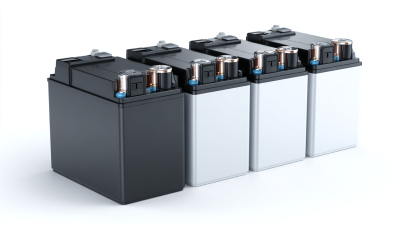
In today’s fast-moving digital world, having a reliable ups battery is honestly more important than most folks realize. According to the International Electrotechnical Commission (IEC), about 90% of businesses face downtime because of power outages — and let’s be honest, that can really hit the wallet hard. A solid backup power system is a lifesaver, especially in crucial sectors like hospitals, telecom, and data centers where uptime really matters.
The demand for Ups Systems is definitely on the upswing. ResearchAndMarkets reports that the global market is expected to grow about 8.5% each year from 2020 through 2027. Out of all the options out there, the2v Ups Battery For Telecom System Battery really stands out. It’s well-known for being efficient and reliable, especially when it comes to keeping telecom networks stable and running smoothly. Big names like Schneider Electric and Eaton are leading the charge, pushing innovative solutions to make energy more dependable.
Now, with so many choices around, it’s not just about grabbing the cheapest option. Not all Ups Batteries are created equal—some perform well and last longer, while others might leave you hanging when you need them most. Picking the right one really matters. It’s essential to look at what your system needs — don’t just go for the flashiest or cheapest at first glance. Taking the time to assess your power needs and choosing a UPS battery that matches your goals and reliability standards is key to keeping everything running smoothly.

Understanding UPS Systems and Their Importance in Power Backup
Uninterruptible Power Supply (UPS) systems play a critical role in maintaining power continuity during outages. These systems store energy to provide instant backup power. They are essential for homes and businesses that rely on electronic devices. A reliable ups battery ensures that important data is not lost during a power failure. Without it, you risk interruptions that can lead to significant losses.
When selecting a UPS battery, sizing and compatibility are crucial. Look for options that match your power needs. A small UPS may suffice for home use, while larger systems are necessary for commercial applications. Battery longevity is also important. Frequent replacements can become costly and inconvenient. It’s vital to consider how often the UPS will be used and how long it should last in an outage.
Despite the benefits, there are challenges in using UPS systems. They require regular maintenance to function properly. Users must monitor battery health and ensure they are not overloading the system. Inadequate knowledge about their operation can lead to poor performance and reliance on faulty equipment. Understanding these systems' intricacies can significantly enhance their effectiveness, making them a worthy investment for reliable power backup.
Top 10 UPS Battery Options for Reliable Backup Power
This chart presents a comparison of various UPS battery types based on their capacity measured in Ampere-hours (Ah). Each type of battery has its unique characteristics, making them suitable for different applications in backup power systems.
Key Features to Consider When Choosing a UPS Battery
When selecting a UPS battery, consider its capacity. A higher capacity ensures longer backup times. Look for batteries that offer at least 500 VA for basic needs. For complex setups, you may need 1500 VA or more. Battery type matters too. Sealed Lead Acid (SLA) provides good value, while Lithium-ion lasts longer and weighs less.
Runtime is another key feature. Check how many minutes the battery can support your devices during an outage. Some models offer extended runtimes with additional battery packs.
Size is crucial for space-limited environments. Compact designs can be practical, but ensure they still meet your power needs.
Finally, evaluate warranty and support. A longer warranty often reflects quality and reliability. It's essential to have access to customer support for issues that might arise. Be aware that not all UPS batteries are equal, and research is needed before purchase. Keep in mind, the ideal choice varies per situation. Consider your specific needs to find the most reliable solution.
Top 10 Reliable UPS Battery Options for Home and Office Use
In a world where power outages can disrupt daily life, finding reliable UPS battery options is essential. For both home and office use, these batteries play a crucial role in ensuring devices remain operational during unexpected blackouts. High-quality UPS batteries offer peace of mind, particularly for sensitive equipment like computers and medical devices. Good alternatives are available that cater to various needs.
Home users often need UPS systems that are compact yet powerful enough to protect valuable electronics. Choosing a system that provides an adequate backup time is vital. Some might rely solely on a few hours of power, while others need longer durations. While many markets offer various designs, each has unique features. It's important to consider your specific requirements before making a decision.
Office environments typically demand UPS batteries that support multiple devices. This often means selecting units with higher capacity and advanced features, like automatic voltage regulation. However, these options come with a higher price point. Many users may find it challenging to balance cost with features. It's essential to weigh reliability against budget constraints while reflecting on potential future demands.
Comparative Analysis of UPS Battery Brands and Models
When it comes to choosing a UPS battery for reliable backup power, understanding brand variations is key. Different models often exhibit unique features that cater to specific needs. Some batteries offer extended runtime, while others prioritize quick recharge times. Experiencing power outages is unsettling. The right UPS can provide uninterrupted service, crucial for both home and office.
Analyzing several battery brands reveals disparities in performance and longevity. Some brands excel in reliability, often surviving multiple charge cycles. Others tend to decline in efficiency over time. Observing user reviews can provide insight into real-world performance. Users share their encounters, emphasizing how certain batteries thrive in high-demand situations. It’s necessary to reflect on these aspects, as not every option will suit everyone’s requirements.
Cost is another factor worth examining. Higher prices don’t always guarantee superior quality. Readers may find affordable options that outperform pricier counterparts. Understanding warranty offerings is essential, too. Brands with longer warranties often have more confidence in their product. Users should weigh these elements carefully. Making an informed decision comes down to comparing features and reading expert analyses.
Maintenance Tips for Maximizing UPS Battery Lifespan
Proper maintenance of UPS backup batteries is vital for ensuring a dependable power supply. Data from industry surveys suggest that nearly 30% of UPS systems fail due to battery issues. Regularly inspecting the batteries can prevent many of these failures. It's essential to check the fluid levels in flooded lead-acid batteries. If they are low, they can deteriorate quickly, affecting performance.
Temperature plays a critical role in battery life. Research indicates that every 10°C increase in temperature can reduce battery life by 50%. Keeping the UPS battery in a cool, dry location helps maximize lifespan. Using a temperature monitoring system can be beneficial. Improper storage conditions may lead to swelling or leakage.
Periodically testing the UPS battery load can reveal its health. A simple, monthly load test can identify weak cells early on. You might notice fluctuations in performance, signalling that replacement is necessary. Additionally, cleaning the terminals is crucial, as corrosion can impede connection efficiency. Keeping terminals clean helps maintain the functionality of the UPS backup battery, reducing the chance of unexpected downtime.
Common Issues with UPS Batteries and Troubleshooting Solutions
UPS batteries provide essential backup power, but they can encounter common issues that impact performance. Over time, batteries may exhibit reduced capacity, often linked to thermal stress and frequent cycling. A report from the International Energy Agency highlights that 25% of UPS installations experience issues due to battery age or failure. Proper maintenance can extend battery life, yet many facilities overlook routine checks.
Users often report alarm signals indicating poor battery health. Understanding these alerts is crucial. For instance, a flashing light usually suggests a battery fault or low capacity. Regular tests can identify these problems early. Additionally, maintaining optimal environmental conditions can prevent overheating, a leading cause of battery failure. Installing a Smf Ups Battery can provide a reliable power source and minimize potential interruptions.
Another challenge arises from improper installation. Issues related to connectivity can cause systems to shut down unexpectedly. According to IEEE standards, ensuring a solid electrical connection is vital for safety and functionality. Regular maintenance schedules and professional inspections can alleviate these problems and enhance reliability. Users must take proactive steps to address these common UPS battery issues for consistent performance.
Top 10 UPS Battery Options for Reliable Backup Power
| Battery Model | Capacity (VA) | Type | Average Lifespan (Years) | Common Issues | Troubleshooting Tips |
| Model A | 1500 | AGM | 3-5 | Overheating | Check ventilation; ensure it's in a cooler place. |
| Model B | 2000 | Gel | 4-6 | Short runtime | Replace battery; check load connected. |
| Model C | 1000 | SLA | 2-4 | Battery swelling | Disconnect immediately; dispose safely. |
| Model D | 3000 | Li-ion | 5-8 | Charge issues | Ensure charger compatibility; replace charger if faulty. |
| Model E | 500 | AGM | 3-5 | No output | Check connections; test with multimeter. |
Future Trends in UPS Battery Technology and Innovations
Advancements in UPS battery technology are transforming backup power systems. The focus is on efficiency and longevity. New materials, like lithium-ion and solid-state batteries, offer longer life cycles. These innovations aim to reduce downtime during outages. Additionally, they can handle greater loads. This is crucial for homes and businesses relying on constant power.
Smart technology integration is another trend. UPS systems now come equipped with monitoring features. These allow users to track performance in real time. Predictive analytics can identify potential failures before they happen. As a result, maintenance becomes proactive rather than reactive. Users benefit from reduced costs and increased reliability.
Sustainability is increasingly important. Manufacturers are exploring eco-friendly options for Ups System Battery production. Recycling programs are also gaining traction. This commitment to sustainability mitigates environmental impacts. Yet, challenges remain in balancing performance with ecological concerns. The future of UPS battery technology promises exciting developments but still requires careful consideration.
FAQS
: UPS systems provide instant backup power to maintain continuity during outages, preventing data loss.
Consider sizing, compatibility, and backup time to match your specific power requirements effectively.
Frequent replacements can be costly and inconvenient, making long-lasting batteries a critical choice.
Regular monitoring of battery health is necessary to avoid poor performance or system overload.
Yes, improper use can lead to reliance on faulty equipment and ineffective power backup.
Home users need compact systems that protect electronics, balancing backup time and power needs.
Offices typically need higher capacity units that can support multiple devices and advanced features.
Yes, balancing reliability and features with budget constraints is essential for many users.
Features like automatic voltage regulation can enhance performance, but they often increase costs.
Users sometimes struggle with maintenance and might not fully understand the systems, affecting performance.
Conclusion
In today's technology-driven world, having a reliable UPS battery is crucial for ensuring uninterrupted power supply during outages. Understanding the functionality of UPS systems and their significance in protecting sensitive equipment can help users make informed decisions. Key features such as capacity, runtime, and form factor should be considered when selecting a UPS battery, ensuring it meets specific home or office needs.
This article presents a curated list of the top 10 reliable UPS battery options, offering a comparative analysis to highlight the best models available. Additionally, it provides valuable maintenance tips to extend the lifespan of UPS batteries and addresses common issues along with troubleshooting solutions. Finally, the discussion on future trends in UPS battery technology and innovations proposes a glimpse into the advancements that could enhance power backup reliability.