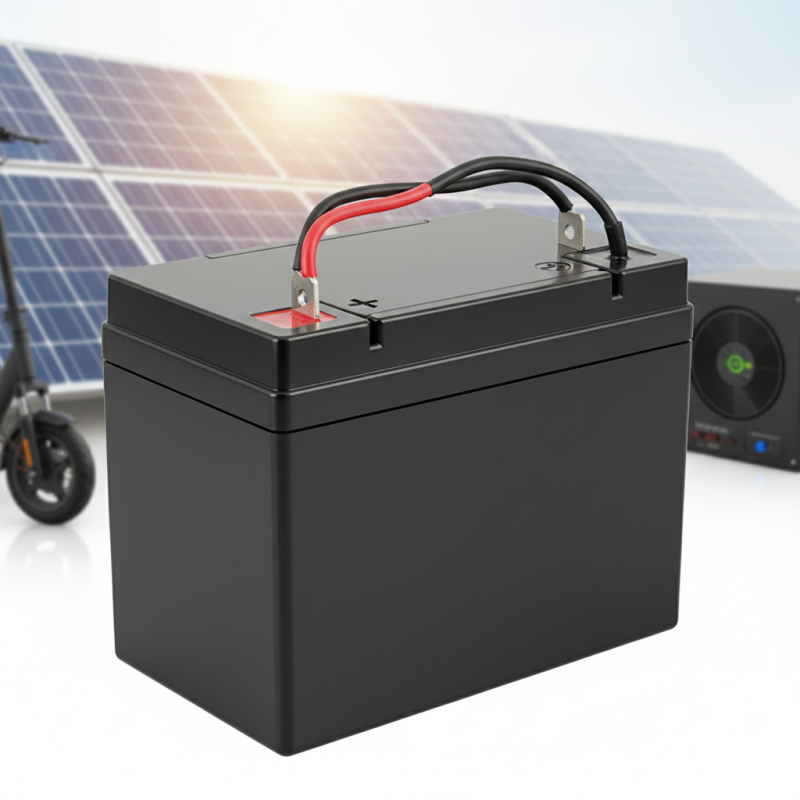
In today's constantly changing world of energy solutions, finding reliable power sources is more important than ever. The 12v 18ah Rechargeable Battery has become pretty popular worldwide, thanks to its versatility and efficiency. It’s a go-to choice for a bunch of different uses—think solar energy storage, electric vehicles, or backup power systems. Basically, whatever the application, you need batteries that can perform well no matter the conditions.
Big players like Renogy and Expert Power have really pushed the envelope with battery technology, showing off their skills and dedication. Some of their models come packed with safety features and longer-lasting cycles, but not all batteries out there are top-notch. It's super important for buyers to do their homework—research is key. Some brands might seem pretty good but could fall short in customer support or battery lifespan, which can lead to frustrating surprises down the line. So yeah, the 12v 18ah Rechargeable Battery can be a total game changer, but choosing the right one takes a bit of care.
In this article, we’re going to take a look at some of the best 12V 18Ah Rechargeable Batteries available right now. We’ll be focusing on quality, real customer experiences, and getting good value for your money. There are plenty of options out there, but understanding the pros and cons of each can really help you make a smarter choice. Our goal is to give you a balanced, straight-up view so you can navigate this complex market without feeling overwhelmed.
Top Features to Consider When Choosing a 12V 18Ah Rechargeable Battery
When selecting a 12V 18Ah rechargeable battery, several key features stand out. Understanding these aspects can guide buyers toward a better choice. One critical factor is capacity. The battery's ability to deliver sufficient power over time is vital for performance. A 12v 12ah 20hr Rechargeable Battery is designed to provide reliable energy, making it suitable for various applications. However, always check the discharge rates. High rates can lead to faster degradation, affecting longevity.
Another essential aspect is the build quality. Look for batteries with robust casings that can withstand environmental factors. This is especially important for outdoor use. Additionally, consider the battery type. Lithium-ion batteries, for instance, are lightweight and efficient. Yet, they can be more expensive. In contrast, lead-acid variants may offer a lower initial cost but can be bulkier and heavier.
Charging cycles also play a significant role. A battery with a higher cycle rating indicates better longevity and reliability. Maintenance requirements are worth noting too. Some batteries need regular checks, while others are more user-friendly. Paying attention to these details can help avoid potential issues in the future. Each choice has its pros and cons, prompting buyers to reflect on their specific needs before making a final decision.
Comparison of Popular 12V 18Ah Rechargeable Battery Brands
When selecting a reliable 12V 18Ah rechargeable battery, various brands stand out. Each brand offers unique features, catering to different user needs. Battery longevity is crucial. Typical models should endure at least 500 cycles. Yet, some batteries fail to meet this expectation, leading to frustration for consumers.
Performance is another factor. Some batteries may excel in high-drain devices, while others underperform. It's essential to analyze user reviews. Feedback often highlights real-world experiences. When considering options, prioritize batteries with proven performance metrics. A reliable 12v 9ah Battery Rechargeable may serve specific applications well, but for broader use, the 18Ah variant can deliver enhanced capacity.
Price also plays a vital role. Higher prices do not always guarantee better quality. Some affordable batteries perform admirably, while others falter. Weighing the cost against performance is essential. Analysis of warranty offerings can provide insights into a brand’s confidence. Make informed decisions by researching before purchasing.
Application Areas for 12V 18Ah Rechargeable Batteries in 2026
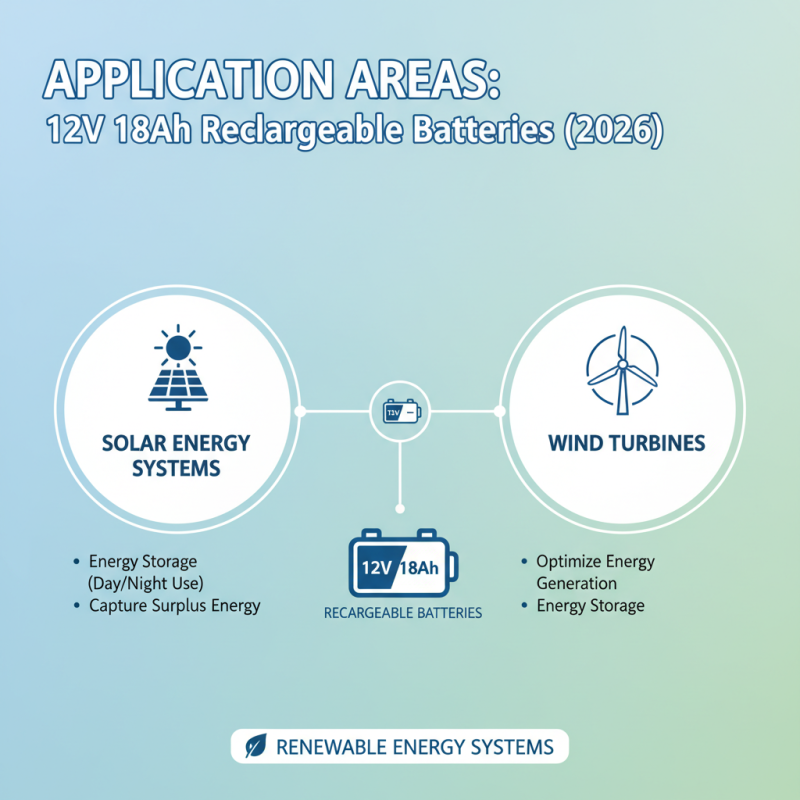
In 2026, the applications for 12V 18Ah rechargeable batteries are varied and vital. These batteries are essential in renewable energy systems. Solar energy setups commonly use them for energy storage. They capture surplus energy during sunny days. This stored energy is then available for use at night or during cloudy weather. Additionally, wind turbines also rely on these batteries. They help optimize energy generation and storage.
Another significant area is in electric vehicles (EVs). The demand for efficient energy sources is increasing as more people adopt EVs. 12V 18Ah batteries can power essential vehicle components. They ensure that critical systems, like lighting and infotainment, function smoothly. However, many manufacturers still face challenges. Cycle life and durability can be inconsistent across products. This inconsistency causes problems for users seeking reliability.
Furthermore, portable devices benefit greatly from these batteries. Many camping and outdoor enthusiasts use them for appliances. Portable power solutions like lights, small refrigerators, and charging stations are common. Yet it is crucial to note that not all applications require the same specifications. Different devices may drain power at different rates. Buyers must consider compatibility before purchase. It's vital to understand these factors for optimal performance.
Safety Considerations for Using 12V 18Ah Rechargeable Batteries
When using 12V 18Ah rechargeable batteries, safety is paramount. These batteries are widely used in various applications, from solar systems to electric vehicles. However, improper handling can lead to serious accidents. Overheating, short circuits, and leaks are common risks.
To minimize hazards, ensure the battery is stored in a cool, dry place. Avoid exposure to extreme temperatures. Regularly inspect connections and cables for damage. If you notice any unusual swelling or leaks, discontinue use immediately.
Here are some tips for safe usage: Always wear protective gear when handling batteries. Maintain a proper ventilation system in the charging area to prevent gas buildup. Be cautious when transporting batteries. Ensure they are secured to prevent movement.
Understanding how to recharge these batteries properly is also crucial. Follow the manufacturer’s guidelines for voltage and current settings. Never mix different brands or types of batteries. Doing so can lead to unpredictable behavior. Ensure compatibility before connecting to a power source.
2026 Top 12V 18Ah Rechargeable Battery Performance Comparison
This chart compares the performance of different 12V 18Ah rechargeable batteries based on cycle life and charge time. It provides a quick overview for consumers to assess options while considering safety and efficiency.
How to Maintain and Extend the Life of 12V 18Ah Batteries
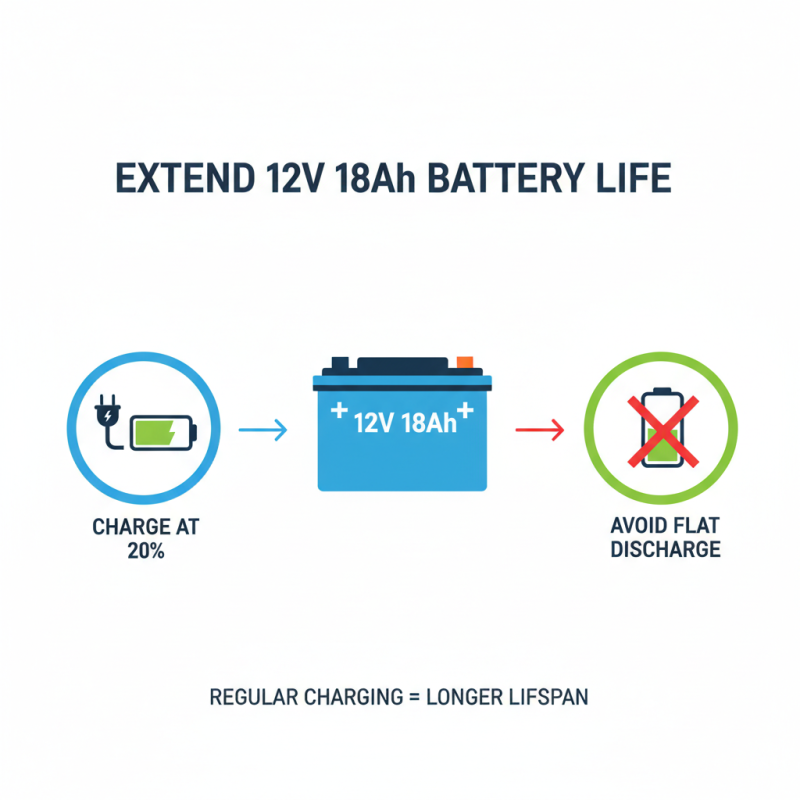
Maintaining a 12V 18Ah rechargeable battery requires attention and care. Regular charging habits play a critical role in prolonging battery life. Avoid letting the battery run completely flat. This practice can significantly reduce its overall lifespan. It's better to charge it when it reaches around 20% capacity.
Temperature is also a key factor. Storing batteries in extreme heat or cold can impact performance. Keeping them in a stable, moderate environment helps preserve their efficiency. Periodically check for any signs of corrosion or damage around connections. Small issues, if ignored, can lead to larger problems down the road.
Equalizing the charge periodically can enhance the battery's longevity. This process balances the cells within the battery, ensuring even distribution. Additionally, using a smart charger can help prevent overcharging. It’s crucial to stay informed and educated on proper battery care. The Rechargeable Battery 12v 12ah can be a reliable power source when maintained correctly. Each user must reflect on their usage patterns to implement effective maintenance strategies.
Environmental Impact of 12V 18Ah Rechargeable Batteries
The environmental impact of 12V 18Ah rechargeable batteries is profound. These batteries offer energy efficiency but also pose challenges. Improper disposal can lead to soil and water contamination. Heavy metals found in batteries can seep into the environment. This situation demands careful consideration from all users.
Tips for responsible disposal include using recycling programs. Many locations accept old batteries for safe recycling. Educate your community about harmful effects. Awareness can drive change.
Additionally, the production of these Sealed Rechargeable Batteries requires resources. The energy consumed during manufacturing contributes to carbon emissions. Balancing energy needs and sustainability is crucial. Reflecting on our choices can help promote a healthier planet. Our actions today shape the future of rechargeable energy.
2026 Top 12V 18Ah Rechargeable Battery for Global Buyers? - Environmental Impact of 12V 18Ah Rechargeable Batteries
| Battery Type | Energy Density (Wh/kg) | Cycle Life | Environmental Impact (score) | Recyclability (%) |
| Lithium-ion | 150 | 1200 | 3.5 | 95 |
| Lead Acid | 30 | 400 | 2.0 | 85 |
| Nickel Metal Hydride | 70 | 500 | 2.5 | 90 |
| Lithium Iron Phosphate | 120 | 2000 | 4.0 | 98 |
Trends in 12V 18Ah Battery Technology for the Future
The 12V 18Ah rechargeable battery market is evolving rapidly. As we move toward 2026, new technologies promise to enhance efficiency and longevity. Recent reports indicate that lithium-ion technology is expected to dominate. These batteries offer a higher energy densitycompared to traditional lead-acid counterparts. An efficient Lithium-Ion Battery can store more energy in a lighter package, with some models achieving over2000 charge cycles.
However, challenges remain. The recycling of lithium-ion batteries is still underdeveloped. A significant percentage of batteries end up in landfills, raising environmental concerns. Reports suggest that only 5% of lithium-ion batteries are recycled effectively. This discrepancy highlights the need for improved waste management solutions.
Furthermore, cost remains a barrier for many consumers. Despite advancements, lithium-ion batteries are still more expensive than lead-acid batteries. Many users struggle with the trade-off between initial costs and long-term savings. These factors are driving manufacturers to innovate continuously while addressing sustainability and affordability in the 12V 18Ah sector. Balancing performance with eco-friendliness is crucial.
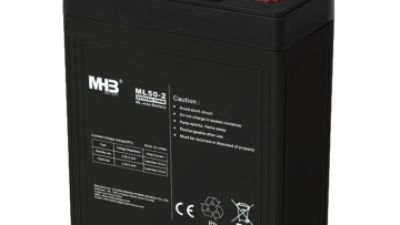
Comprehensive Guide to Choosing the MHB ML50-2 2V 50Ah UPS Battery for Your Alarm and Security System
When it comes to selecting an appropriate battery for your alarm and security system, the MHB ML50-2 2V 50Ah UPS battery stands out due to its impressive performance and long service life. This low-cost, high-reliability option is increasingly favored in various applications, including solar energy storage and uninterruptible power supply (UPS) systems. According to market analyses, the demand for reliable energy storage solutions is anticipated to grow, emphasizing the importance of selecting the right battery that delivers both efficiency and longevity.
The MHB ML50-2 battery features advanced technology that ensures high performance while remaining completely maintenance-free, a crucial characteristic for users who require dependable solutions with minimal upkeep. Additionally, the battery boasts low self-discharge rates, enhancing its overall reliability. Recent industry reports highlight that batteries of this caliber can achieve up to 15 years in floating and standby use, along with superior cycle life, offering up to 260 cycles at 100% depth of discharge (DOD) and as many as 1200 cycles at 30% DOD. This endurance makes it particularly effective for alarm and security systems requiring consistent power without frequent replacements.
In a world that increasingly prioritizes energy efficiency and sustainability, the MHB ML50-2 battery aligns with these trends by utilizing a unique grid alloy formula combined with updated manufacturing techniques. This innovative approach ensures stable quality and superior performance, making it a smart choice for users looking to enhance their alarm and security systems without compromising on reliability or cost-effectiveness. The comprehensive capabilities of the MHB ML50-2 battery make it an ideal solution for modern energy storage requirements.
FAQS
Robust casings protect batteries from environmental factors. This is crucial for outdoor use.
Lithium-ion batteries are lightweight and efficient but cost more. Lead-acid batteries are heavier and bulkier.
A higher cycle rating indicates better longevity. This can enhance reliability over time.
Regular charging is essential. Charge the battery when it reaches around 20% capacity to avoid damage.
Keep batteries in stable, moderate environments. Extreme heat or cold can severely impact performance.
It ensures even distribution among cells. This process can help enhance the battery's longevity.
A significant number of these batteries end up in landfills. Only about 5% are recycled effectively.
They are still more expensive than lead-acid alternatives. Users often weigh initial costs against long-term savings.
Each user must consider their specific needs and usage patterns. Effective maintenance strategies are essential for reliability.
Conclusion
In 2026, the demand for 12V 18Ah rechargeable batteries continues to grow across various applications, from renewable energy systems to portable devices. When choosing a suitable battery, buyers should consider key features such as capacity, charge cycles, and compatibility with devices. Understanding the application areas, including lighting, electric vehicles, and backup power systems, helps in selecting the right battery for specific needs.
Safety is paramount, and users must be aware of proper handling and maintenance practices to extend battery life. Additionally, the environmental impact of battery disposal and recycling practices should be taken into account. With ongoing advancements in battery technology, trends indicate improvements in efficiency and sustainability, shaping the future landscape of 12V 18Ah rechargeable batteries.