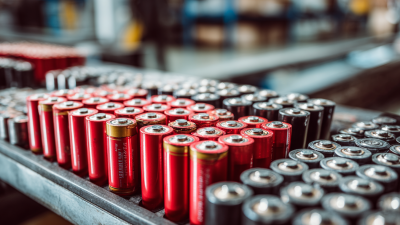
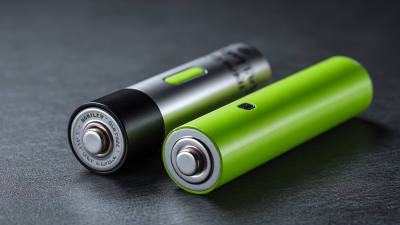
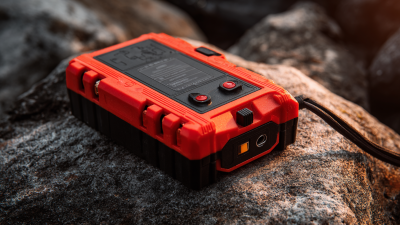
As more and more folks are looking for sustainable energy options, the rechargeable battery market is really blowing up. I mean, according to this report from BloombergNEF, we're probably gonna see the market hit around $200 billionby 2025. That’s mainly because of new tech improvements and how quickly electric vehicles and renewable energy systems are catching on. Because of all this buzz, both consumers and manufacturers are on the hunt for the best Rechargeable Batteries—ones that delivergood performance, last longer, and are better for the planet.
 Dr. Lisa Sun, who's quite the expert when it comes to battery tech, points out that, 'Choosing the right rechargeable battery can make a world of difference—not just in how well it works, but also in how sustainable it is.' So, it's really worth thinking about the long-term benefits rather than just the upfront price. As new innovations keep rolling out, knowing what features and specs to look for can help you pick batteries that suit your specific needs.
In this article, we'll break down the top rechargeable batteries to keep an eye on in 2025. We’ll cover what to consider when picking the right one—whether you're powering up your gadgets, driving an electric car, or storing renewable energy at home. Our goal is to help you make smarter choices so you get the most out of these batteries, now and in the future.
Key Features to Consider in Rechargeable Batteries for 2025
When selecting rechargeable batteries for 2025, several key features are paramount. First, capacity is crucial; it indicates how much energy the battery can store, measured in milliampere-hours (mAh). Higher capacity batteries can run devices longer between charges, making them ideal for high-drain gadgets like cameras and gaming controllers. Additionally, consider the battery’s cycle life—the number of charge and discharge cycles before capacity significantly diminishes. A longer cycle life ensures better longevity and value over time.
Another essential feature is the charge time. As technology progresses, consumers increasingly seek batteries that can rapidly charge without compromising safety. Fast-charging batteries save time, particularly for users on the go. Lastly, it's important to look at compatibility with existing devices. Many rechargeable batteries come in standard sizes, but ensure compatibility with your specific devices to avoid unnecessary purchases. By focusing on these features, users can make better-informed decisions in their rechargeable battery choices for 2025.
Types of Rechargeable Batteries: Pros and Cons
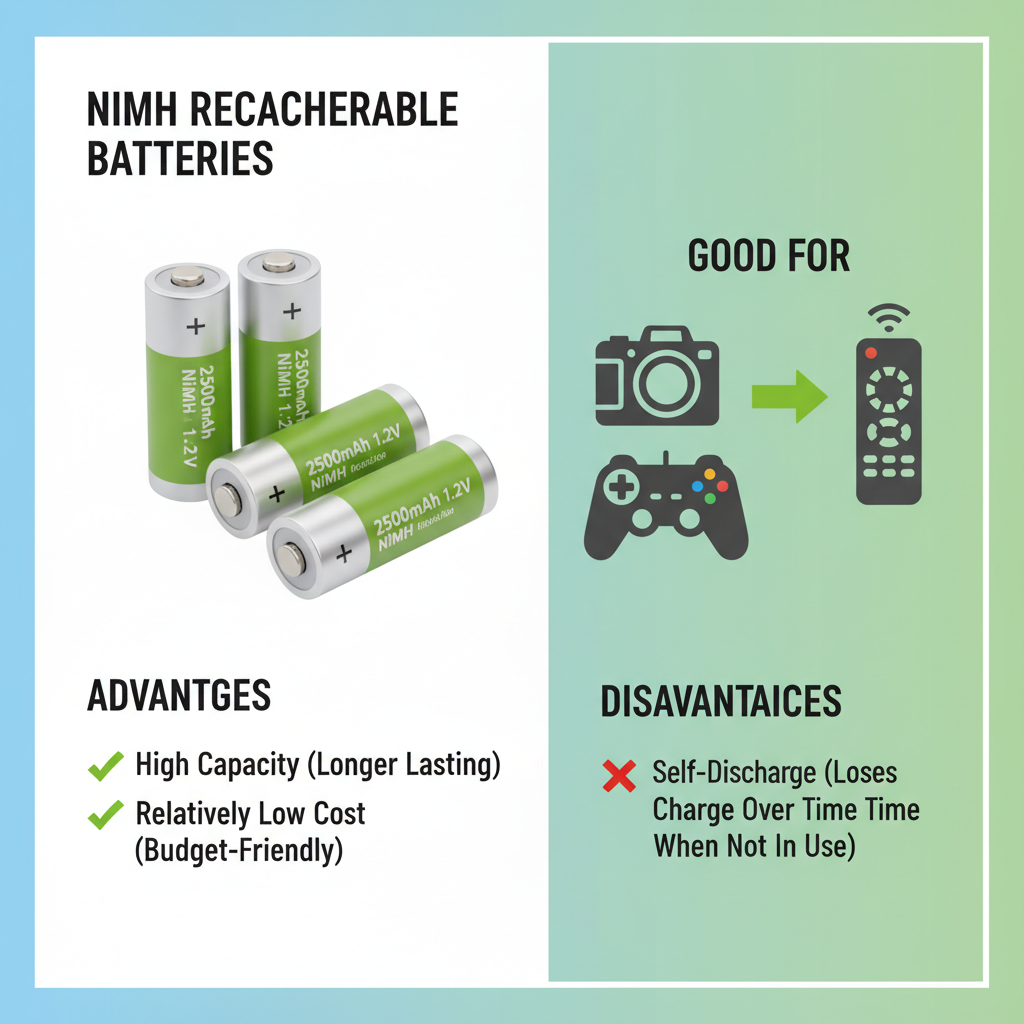
When selecting rechargeable batteries, understanding the different types and their respective advantages and disadvantages is crucial. Nickel-Metal Hydride (NiMH) batteries are among the most popular options due to their high capacity and relatively low cost. They perform well in high-drain devices such as digital cameras and remote controls. However, they can suffer from self-discharge, losing charge when not in use, which may not be ideal for all applications.
On the other hand, Lithium-ion (Li-ion) batteries have gained popularity for their high energy density and lighter weight. They exhibit a slower self-discharge rate compared to NiMH batteries, making them suitable for devices that require infrequent usage without the worry of losing power quickly. Nevertheless, Li-ion batteries can be more expensive and require specific charging protocols to ensure safety and longevity. Each type of rechargeable battery offers unique features suiting various needs, making it essential to consider your specific usage scenario when making a selection.
Energy Capacity: Understanding mAh and Wh Ratings
When evaluating rechargeable batteries, understanding energy capacity is crucial, with ratings typically expressed in milliamp hours (mAh) and watt hours (Wh). The mAh rating indicates the capacity of a battery to hold a charge and the amount of current it can supply over a period of time. For instance, a battery rated at 2000mAh can theoretically deliver 2000 milliamps for one hour. This metric is particularly important for devices requiring consistent and prolonged usage, such as digital cameras or portable gaming consoles.
On the other hand, watt hours (Wh) provide a broader perspective on energy capacity by integrating both voltage and current. This measurement is especially useful for applications where power demands fluctuate, as it gives a clearer picture of total energy output. According to a recent industry report by MarketsandMarkets, the global rechargeable battery market is expected to reach $129.3 billion by 2025, driven largely by advancements in lithium-ion technology and the rising demand for energy storage solutions. Understanding mAh and Wh ratings enables consumers to make informed choices that align with their specific needs, ensuring they select the optimal battery for their devices.
Charging Cycles: Longevity and Performance Insights
When selecting rechargeable batteries, understanding charging cycles is crucial for assessing longevity and performance. A typical Lithium-Ion Battery can handle between 300 to 500 full charging cycles before its capacity diminishes significantly. According to a recent report from Battery University, after approximately 500 cycles, these batteries may retain only 70-80% of their original capacity. This decline in performance emphasizes the importance of evaluating the cycle life when choosing batteries, especially for devices that require frequent charging.
Different battery chemistries exhibit varying charging cycle capabilities. For instance, nickel-metal hydride (NiMH) batteries generally offer around 1000 cycles, but their lower energy density can impact performance in high-demand applications. A study from Research and Markets highlights that advancements in battery technologies, such as solid-state batteries, could push cycle counts even higher, potentially exceeding 2000 cycles. As consumers become increasingly reliant on rechargeable batteries for everyday use, focusing on those with superior charging cycle longevity can lead to greater savings and reduced environmental impact over time, making it essential to consider cycle performance alongside other specifications.
Safety Standards and Certifications for Batteries
When selecting rechargeable batteries in 2025, understanding safety standards and certifications is crucial. Most leading Battery Manufacturers adhere to the International Electrotechnical Commission (IEC) standards and comply with ISO 9001 management systems, ensuring that their products not only perform optimally but also mitigate safety risks. According to a report by the International Battery Association, batteries meeting these stringent standards show a 35% lower failure rate than non-certified alternatives, significantly enhancing consumer safety.
Moreover, agencies like Underwriters Laboratories (UL) provide essential safety certifications that indicate a battery has undergone rigorous testing for potential hazards such as thermal runaway and short circuits. As electric vehicle adoption rises, batteries that are UL-certified are becoming increasingly relevant. A study by the National Renewable Energy Laboratory (NREL) suggests that up to 45% of consumers consider certification labels a top factor in their purchasing decisions. By prioritizing batteries with recognized safety certifications, users can ensure that they are investing in reliable and safe energy solutions for their devices.
Top Brands in the Rechargeable Battery Market for 2025
As we look ahead to 2025, the rechargeable battery market continues to evolve rapidly, driven by advancements in technology and increasing demand for sustainable energy solutions. Key players such as Panasonic, Samsung SDI, and LG Chem are at the forefront, offering innovative products that meet diverse consumer needs. According to a report by Research and Markets, the global rechargeable battery market is projected to reach $120 billion by 2025, reflecting a compound annual growth rate (CAGR) of 8.2% from 2020 to 2025.
Panasonic remains a dominant force, particularly with its lithium-ion batteries, which are extensively used in electric vehicles (EVs) and consumer electronics. The company’s commitment to quality and performance has earned it a significant market share, supported by a growing focus on sustainability. Similarly, Samsung SDI's investments in solid-state battery technology could revolutionize the industry by enhancing safety and energy density. A report by Allied Market Research highlights how LG Chem's innovations in battery management systems are setting new standards in efficiency and longevity, making it a prime contender for the best rechargeable battery options of 2025.
As the industry progresses, consumers are advised to consider factors such as energy density, charging time, lifecycle, and environmental impact when selecting rechargeable batteries. With brands constantly pushing the envelope of technology, 2025 promises a competitive landscape that prioritizes not only performance but also eco-friendly solutions for a greener future.
Top 2025 Rechargeable Batteries: What to Look For and Best Picks
| Battery Type | Capacity (mAh) | Voltage (V) | Cycle Life | Charging Time (hours) | Best Use |
| NiMH | 2000 | 1.2 | 500 | 6 | Household Devices |
| Li-ion | 3000 | 3.7 | 1000 | 4 | Smartphones & Laptops |
| Li-poly | 2500 | 3.7 | 600 | 5 | Drones & RC Vehicles |
| NiCd | 1000 | 1.2 | 1000 | 8 | Power Tools |
| Lead Acid | 12000 | 12 | 250 | 12 | Cars & Large Machinery |
Comparative Analysis of Best Rechargeable Batteries Available
When selecting rechargeable batteries in 2025, it's essential to conduct a comparative analysis of the top options available in the market. Industry reports indicate that lithium-ion batteries continue to dominate due to their high energy density and efficiency. According to a report by the International Battery Association, the average energy density for lithium-ion batteries has reached about 250-300 Wh/kg, significantly outperforming other battery types like NiMH, which average around 100-120 Wh/kg. This enhanced performance makes lithium-ion batteries ideal for a variety of applications, from consumer electronics to renewable energy storage.
Moreover, the longevity of rechargeable batteries is pivotal in consumer decision-making. Data from the Battery Research Group highlights that premium lithium-ion batteries can endure up to 2,000 charge cycles, providing a lifespan of up to five years or more. This durability not only ensures better long-term value but also reduces waste, aligning with the growing demand for sustainable options. As we look ahead, it’s clear that features such as fast charging capabilities, thermal stability, and eco-friendliness will play a significant role in the selection process, influencing both consumer preferences and market trends.
Maximizing Performance with MHB MT1.3 1.3Ah Start Power Battery Plates: A Comprehensive Guide
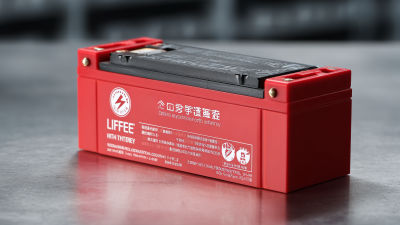
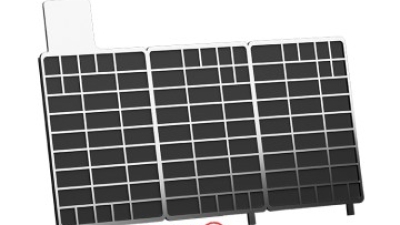
The MHB MT1.3 1.3Ah Start Power Battery Plates represent a significant advancement in the realm of energy storage solutions. Designed specifically for industrial-grade applications, these battery plates excel in providing reliable power and efficient performance, crucial for various sectors such as renewable energy, telecommunications, and emergency backup systems. According to industry reports, the global lead-acid battery market is projected to reach USD 63.47 billion by 2027, emphasizing the increasing demand for robust and dependable battery components like the MHB MT1.3.
Engineered with precision, the MHB MT1.3 boasts optimal energy density and durability, making it an unrivaled choice for B2B customers. Its construction ensures that these battery plates can withstand the rigorous demands of large-scale energy storage systems, providing long-lasting and consistent performance that is vital in critical applications. The 1.3Ah capacity aligns perfectly with market trends indicating a shift towards more efficient and high-performing energy solutions. Furthermore, data from the Battery Council International highlights that advanced battery technologies significantly reduce the total cost of ownership, reinforcing the decision to invest in quality components such as the MHB MT1.3.
In a landscape increasingly driven by sustainability and energy efficiency, the MHB MT1.3 battery plates stand at the forefront, supporting businesses with the necessary tools to optimize their power solutions. By integrating these high-performance battery plates into their systems, companies can enhance their operational capabilities, ultimately leading to improved service delivery and customer satisfaction.
FAQS
h and Wh ratings indicate in rechargeable batteries?
The mAh rating is particularly important for devices requiring consistent and prolonged usage, such as digital cameras or portable gaming consoles, as it determines how long a battery can operate based on its charge capacity.
The global rechargeable battery market is expected to reach $129.3 billion by 2025, reflecting a growing demand for energy storage solutions and advancements in lithium-ion technology.
Key players include Panasonic, Samsung SDI, and LG Chem, who are leading the market with innovative products and a focus on sustainable energy solutions.
Panasonic is known for its lithium-ion batteries, widely used in electric vehicles and consumer electronics, and has a significant market share due to its commitment to quality and sustainability.
Samsung SDI's investments in solid-state battery technology could enhance safety and energy density, potentially revolutionizing performance in rechargeable batteries.
LG Chem is recognized for its advancements in battery management systems, which improve efficiency and longevity, positioning the brand as a top competitor for rechargeable battery options in 2025.
Consumers should consider energy density, charging time, lifecycle, and environmental impact when selecting rechargeable batteries to ensure they meet their needs and preferences.
Conclusion
As we approach 2025, selecting the right rechargeable battery is crucial for both performance and sustainability. Key features to consider include energy capacity, measured in mAh and Wh ratings, which directly impacts the longevity and efficiency of your devices. Understanding the various types of rechargeable batteries, along with their pros and cons, is essential for making informed decisions. Additionally, knowing the importance of charging cycles and safety standards can ensure optimal performance and risk management.
In the ever-evolving rechargeable battery market, brands like FUJIAN MINHUA POWER SOURCE CO., LTD. stand out as reputable manufacturers with a long-standing history and a commitment to quality. Established in 1992, MHB Battery not only boasts a substantial workforce but also offers a wide range of products that cater to consumer needs. As we explore the top picks for 2025, these insights will guide you toward the best rechargeable battery options available, ensuring you invest in reliable and efficient energy solutions.